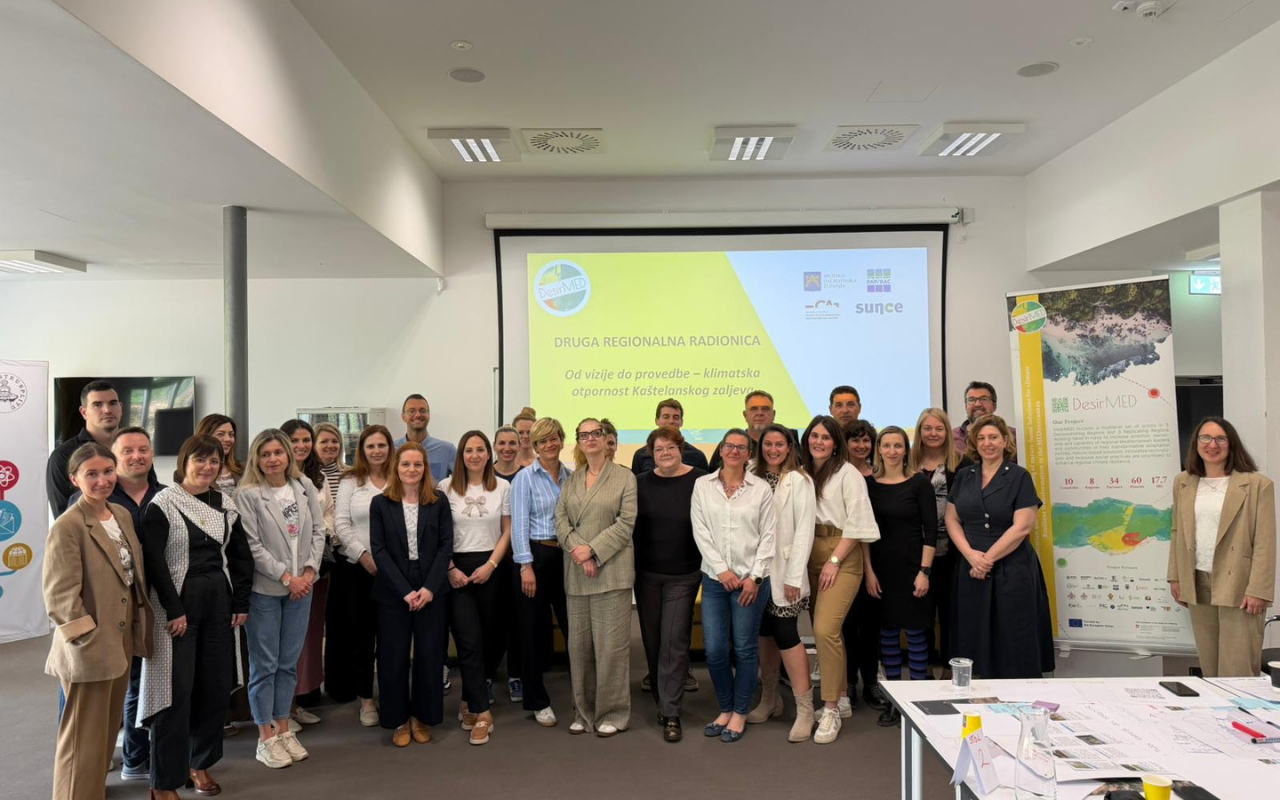
Kaštela Bay represents a complex mosaic of climate pressures and changes, raising the question of how to manage the future of one of the most sensitive coastal areas. On this occasion, the second regional workshop of the DesirMED project, titled “From vision to Implementation – climate resilience of Kaštela bay,” was held in Split on April 17, 2026. It brought together 28 key stakeholders and 12 project partners with the aim of developing solutions to strengthen the climate resilience of Kaštela Bay.
The DesirMED project continues to lay the foundations for a more resilient Kaštela Bay, an area capable of effectively responding to climate challenges. The project is funded by the Horizon Europe programme, and the workshop was jointly organized by project partners: Split-Dalmatia County, Sunce, PAP/RAC, and the Faculty of Civil Engineering, Architecture and Geodesy in Split.
Development of Nature-based Solutions (NbS)
The workshop is part of an ongoing process of collaborative learning and planning focused on developing nature-based solutions (NbS) for climate adaptation in Mediterranean regions.
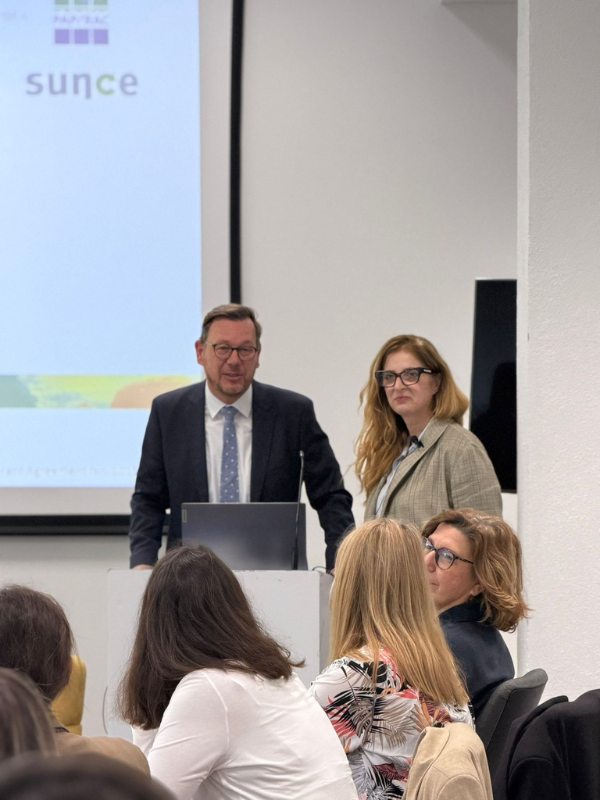
The workshop was opened by Nikša Jajac, Vice-Rector for Infrastructure at the University of Split, who thanked all participants for their attendance and active contribution. He emphasized the importance of cross-sectoral collaboration, noting that the project brings together the professional, academic, governance, business, and citizen communities. He highlighted that such gatherings enable knowledge exchange and lay the groundwork for concrete measures in addressing climate change challenges.
Kaštela Bay, as a pilot area in Split-Dalmatia County, exemplifies a complex coastal system facing numerous climate pressures. These include flooding caused by rainfall and flash waters, rising temperatures and urban heat island effects, coastal erosion and inundation, degradation of coastal and river ecosystems, and pressures on sea and water quality. For this reason, Kaštela Bay serves as a testing ground for solutions applicable to other Mediterranean coastal areas.
From vision to action
In the introductory part of the workshop, participants reflected on previous results and key challenges of Kaštela Bay. Special emphasis was placed on identifying the most important elements of the vision created during the first workshop, as well as areas requiring further elaboration to become practically implementable.
In Croatia, nature-based solutions are regulated through laws on nature protection, environmental protection, and spatial planning, and are further governed at regional and local levels by competent authorities. Participants emphasized that achieving the desired outcomes requires joint effort and collaboration among all stakeholders.
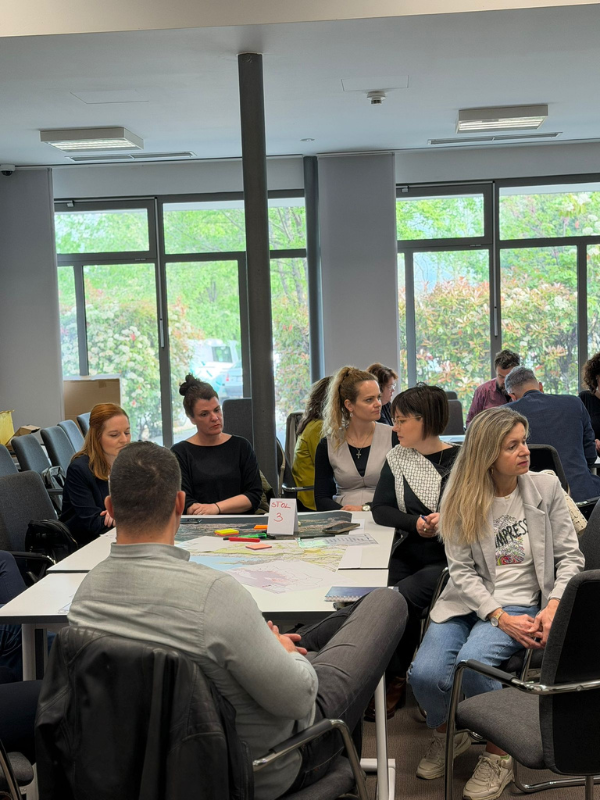
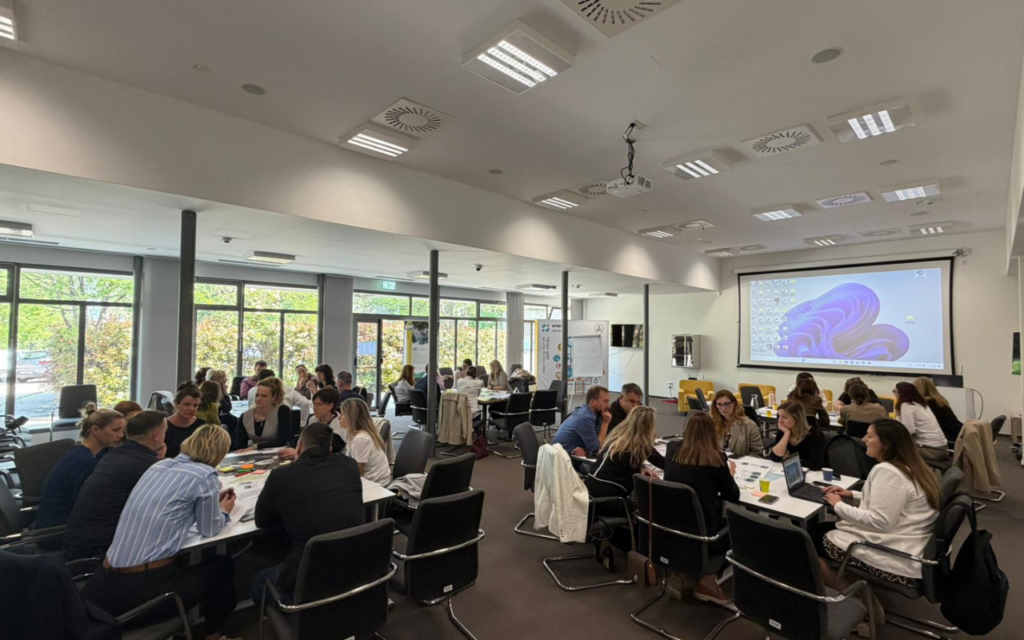
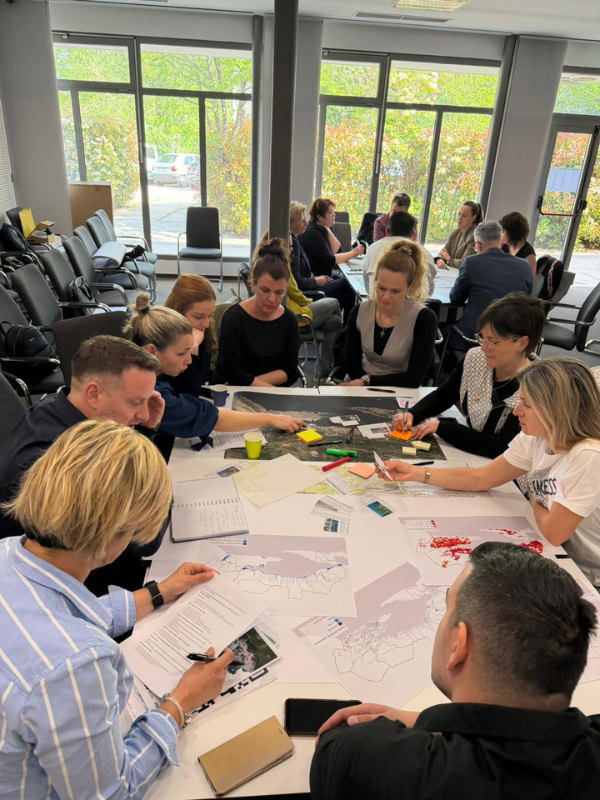
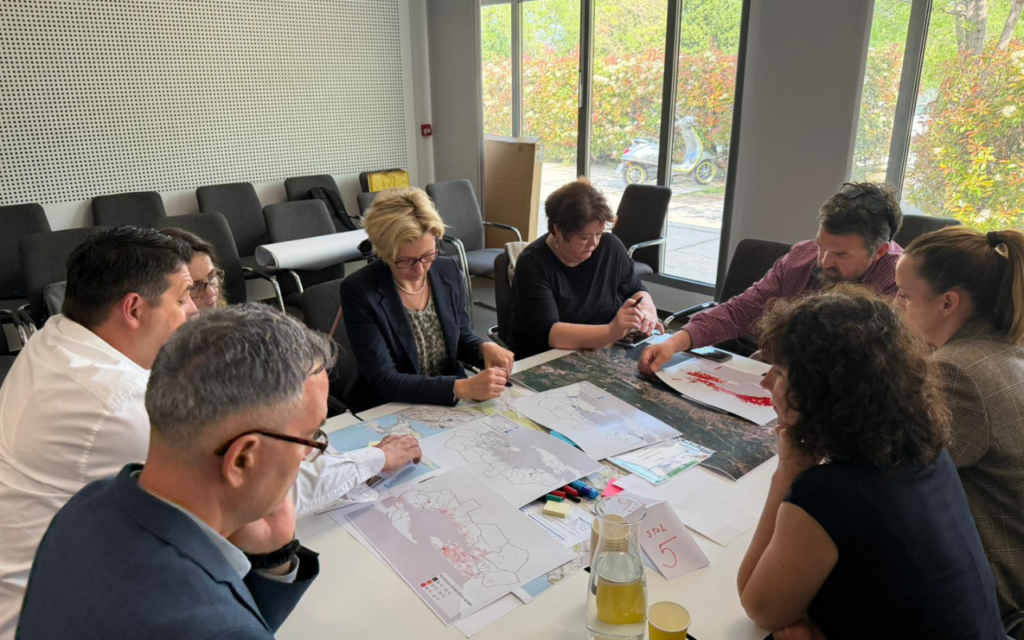
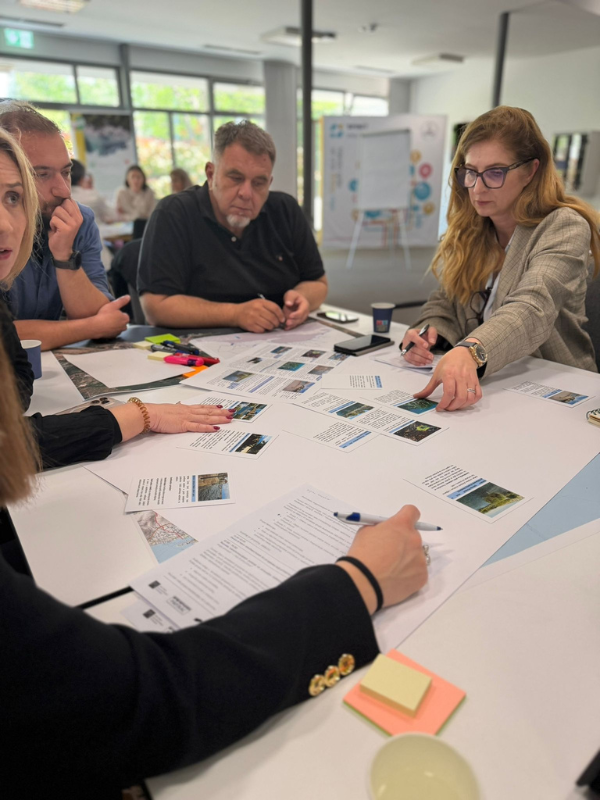
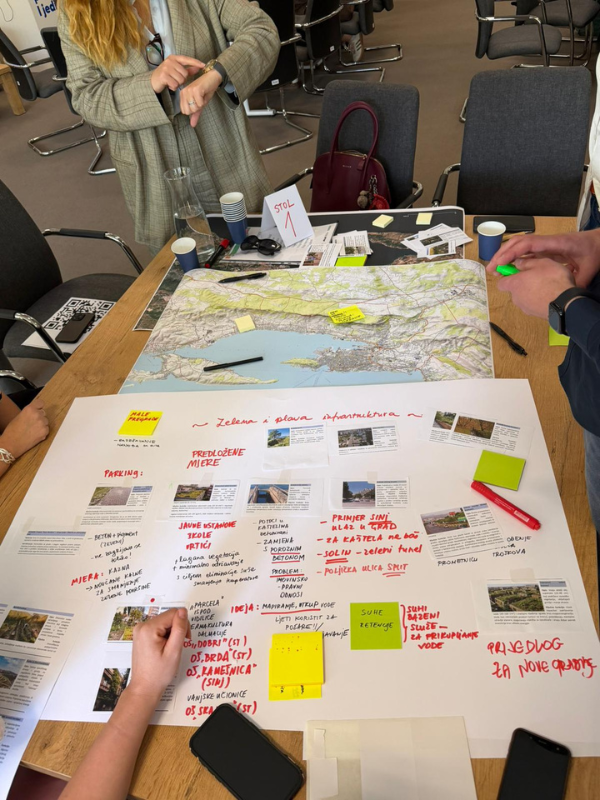
The workshop placed strong emphasis on interactive work. Maps of Kaštela Bay were placed at the center of each table, and participants used cards representing various NbS measures, positioning them at locations where they saw the greatest potential.
The work was organized into three thematic areas: green and blue infrastructure, coast and tourism, and water, defense systems, and financing. Each group identified high-potential solutions as well as key barriers that need to be addressed for successful implementation.
Solutions for coast and tourism
In the coastal and marine context, proposed measures included the restoration of seagrass meadows (Posidonia), installation of natural and artificial reefs, floating islands for water purification, and coastal protection solutions such as nature-based dunes and ecologically designed seawalls.
Participants included representatives from the City of Split, Civil Protection, IZOR, the Administrative Department for Environmental Protection, Utilities, Infrastructure and Investments of Split-Dalmatia County, Croatian Forests, and others.
One highlighted solution was raising the coastline and creating additional open space along it. The aim is to permanently elevate coastal levels, including promenades and waterfronts, to reduce the risk of frequent flooding due to sea-level rise. The approach also includes coastal setback zones with tree planting for cooling and reducing urban heat island effects, as well as the use of permeable materials for walkways.
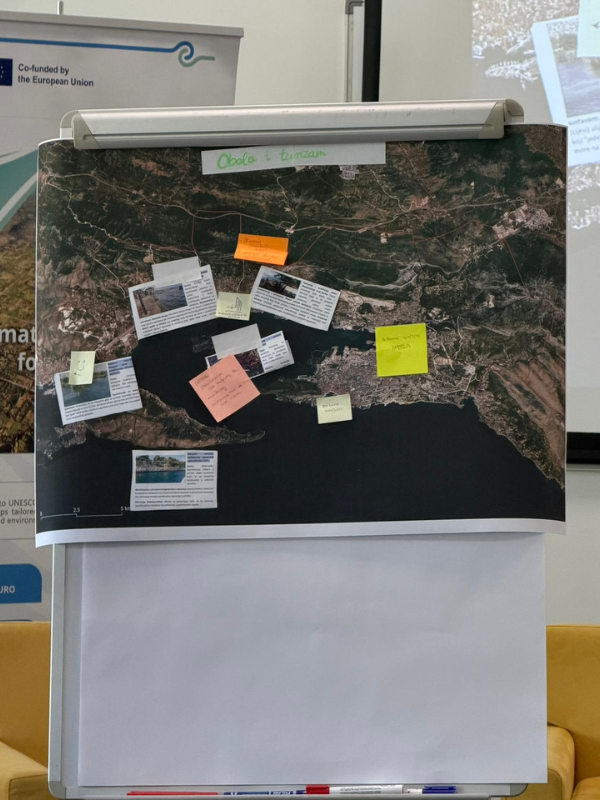
The participants of the first working group also identified a specific pilot site for testing this approach in the Kaštela area, at the “Novo Brce” location. However, such applications are also possible in other parts of the coast. Special emphasis was placed on the preservation of Posidonia meadows, as a key element for seabed stability and coastal protection, noting that additional work is needed to protect them where they are still preserved.
The second group advocated the use of natural and artificial reefs as underwater structures that reduce wave energy and contribute to reducing coastal erosion, while simultaneously increasing biodiversity. However, it was emphasized that their use can be challenging in the context of intense maritime traffic, which was specifically warned about by the first group. The issue of coastal space management was also raised in the discussion.
Kaštela is currently experiencing its great renaissance at sea, transforming into a modern Mediterranean center that is finally using its greatest potential – the coast. The vision is clear: to combine the functionality of a modern city with that relaxed, indigenous Dalmatian lifestyle.
The focal point of this transformation is taking place between Kaštel Stari and Kaštel Novi. There, a project is being prepared for the beginning of 2026 that will forever change the landscape of the town. With an investment of ten million euros, the coastline will step twenty meters into the sea, creating an impressive seven thousand square meters of new space. Instead of narrow, sea-endangered roads, we will get spacious squares, lush tree-lined avenues and a promenade that will be the center of life in the summer, and a safe barrier from strong tides in the winter. If we go a little further west, in Kaštel Štafilić, the Gabine area is getting a completely new look. A solid coastal wall and a wider promenade are being built there, while stone feathers are being laid into the sea, beach guards that will stop erosion and ensure that the beach remains where it belongs.
On the other hand, in Gomilica and Kambelovac, the story takes on an almost artistic note. While the development of the stretch from Poždorin to Bilajka is being planned, the idea of “New Brc” is being born in Gomilica. Imagine a modern square with an amphitheater and a park emerging right next to the historic walls of Kaštilac. Although the project is currently in the phase of determining the boundaries of the maritime domain, it already promises to become a new stage for culture and socializing under the open sky.
Water solutions and defense systems
The expert group included representatives from Croatian Waters, Croatian Forests, Erste Bank, the Institute for Adriatic Crops, the Institute of Oceanography and Fisheries, and the City of Trogir. Proposed solutions addressed stormwater management through rain gardens, bioretention ditches, permeable pavements, and retention systems, as well as hybrid solutions combining green and grey infrastructure, such as smart water tanks and integrated drainage systems.
Special focus is placed on the so-called “coastal structures” — systems of stacking stones such as those seen in harbors. The profession suggests a return to nature: wherever possible, streams should be built in a meandering manner. Such an approach retains water in the riverbed, creates green oases, and allows life to return to the local ecosystem.
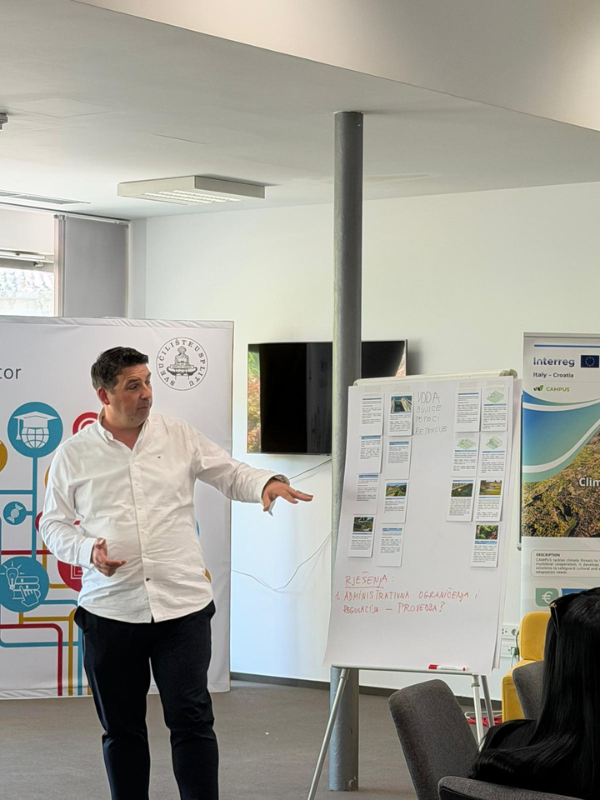
Croatian Waters has both the expertise and stable funds from water fees to independently finance key projects, but the real problems often lie in private ownership, which prevents the implementation of obvious solutions. Private owners, in fact, often show little interest in education and maintenance of what they see as a burden, not a shared resource.
While we are fighting the floods on the surface, uncontrolled exploitation is taking place underground. Due to the rapid expansion of tourism and agriculture, more than a hundred rental pools have sprung up in the bay area, which are increasingly filled through illegal wells. Since there is no action plan or supervision over these projects, there is a risk of mixing waters and pollution of underground streams.
In the karst region, where rainwater easily washes away soil from the rocky substrate, vegetation is the only real ally. Plants bind the soil with their roots, preventing it from being carried away by wind and water, thereby directly stopping the formation of destructive floods. The danger is particularly pronounced on steep slopes of more than 20% and on the southern sides of hills, where the sun dries out the soil.
In order to strengthen this natural shield, a large-scale integrated procurement of 100,000 trees is planned for the whole of Croatia by November 2026, of which 2,000 trees should be planted in our area. The project is led by Croatian Waters.
Green and blue infrastructure solutions
The cards covered a wide range of NbS solutions. For application on buildings, the measures included green roofs and façades, while urban interventions ranged from green corridors, tree-lined streets, pocket parks, and stream renaturation, to larger-scale landscape interventions. As examples of good practice, school gardens in the Brda and Dobri primary schools were highlighted, as they contribute to reducing urban heat islands, retaining stor mwater, and educating children through practical learning in coexistence with nature.
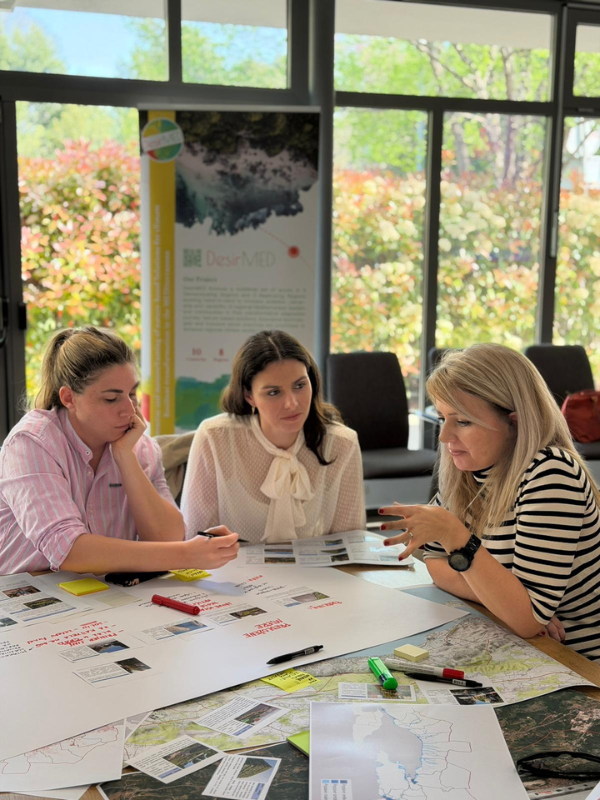
Representatives of key institutions participated in the work of the expert group, including the City of Kaštela, the Faculty of Civil Engineering, Architecture and Geodesy (FGAG), HBOR, the Center of Excellence, Parkovi i nasadi, Civil Protection, Održivo, the City of Trogir, and civic initiatives.
For the Kaštela Bay area, several NbS solutions related to green and blue infrastructure were identified as suitable for implementation. Among them, a group of solutions focused primarily on greening public areas, and subsequently private surfaces and buildings, was recognized as having the greatest potential. These solutions include, for example, green roofs with a thin substrate layer, the planting of individual trees or rows of trees along roads and pedestrian paths, and the implementation of pocket parks and green corridors. The primary function and purpose of these solutions is to mitigate urban heat islands, especially during the summer months, as well as to provide shade for pedestrians, absorb and retain stormwater, and reduce noise pollution.
The main barrier to the implementation of these NbS solutions was identified as thelack of a green urban renewal strategy, which is necessary for local government units to apply for funding calls for green urban renewal projects issued by the Ministry of Physical Planning, Construction and State Assets. An additional barrier identified was the insufficient level of awareness among decision-makers, as well as citizens, regarding the importance and benefits of developing green infrastructure and integrating NbS solutions. A further obstacle to comprehensive greening of the entire coastal area of Kaštela Bay lies in the fact that the majority of land is privately owned. However, local government units can, through various measures (e.g. financing tree planting and reducing utility fees, as well as penalizing illegal concreting), encourage private landowners to participate in joint efforts to mitigate urban heat islands.
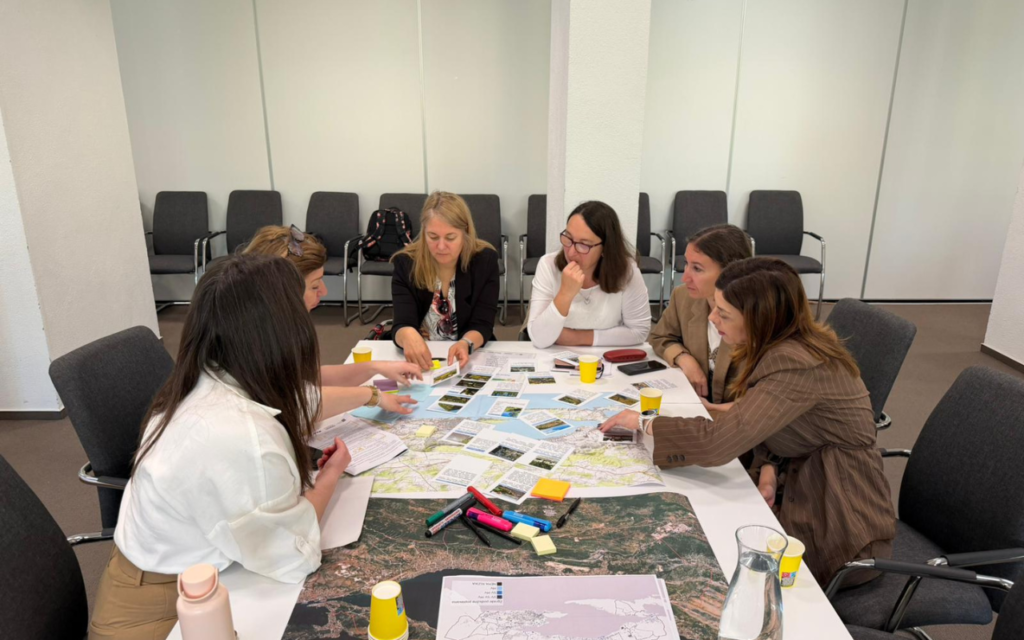
In further discussion, and with the aim of defining concrete steps towards the implementation of the NbS solution, it was concluded that the development of a green urban renewal strategy is preceded by an inventory of existing greenery, which, for example, has not been done for the areas of the City of Kaštela. FGAG is ready to provide support in this segment by developing an initial version of the greenery cadastre that could be integrated into the existing GIS system of the City of Kaštela. This would be the first step towards developing a strategy and potentially securing financial resources for projects to develop green infrastructure and transform the coastal area of the Kaštela Bay.
A desirable and sustainable future for the Kaštela Bay area would be one in which it becomes a resilient area with a healthy marine and urban ecosystem, with greater awareness of decision-makers and a focus on a sustainable future.
Looking ahead to the third workshop
The workshop highlighted the importance of cross-sector collaboration in climate resilience planning. Participants identified solutions with the greatest potential, as well as key obstacles to their implementation, from regulatory and financial to organizational challenges, often related to a lack of information and trust.
Key prerequisites for successful implementation and possible tipping points were also defined. The biggest challenges were highlighted as: availability of financial resources, unresolved property and legal relations, stormwater drainage that is completely underdeveloped in all four cities in the bay area, and the fact that none of the cities manages its own coast or maritime domain.
Despite the challenges, the workshop showed that there is a common understanding of the problem and a willingness to cooperate, which is a key step towards long-term solutions. The time for visions is over; the Bay of Kaštela now requires operational courage and clear political will to establish a governance model that is resilient to climate change, but also to local administrative delays. The third workshop will show to what extent the proposed solutions move from the planning phase to concrete implementation steps.
