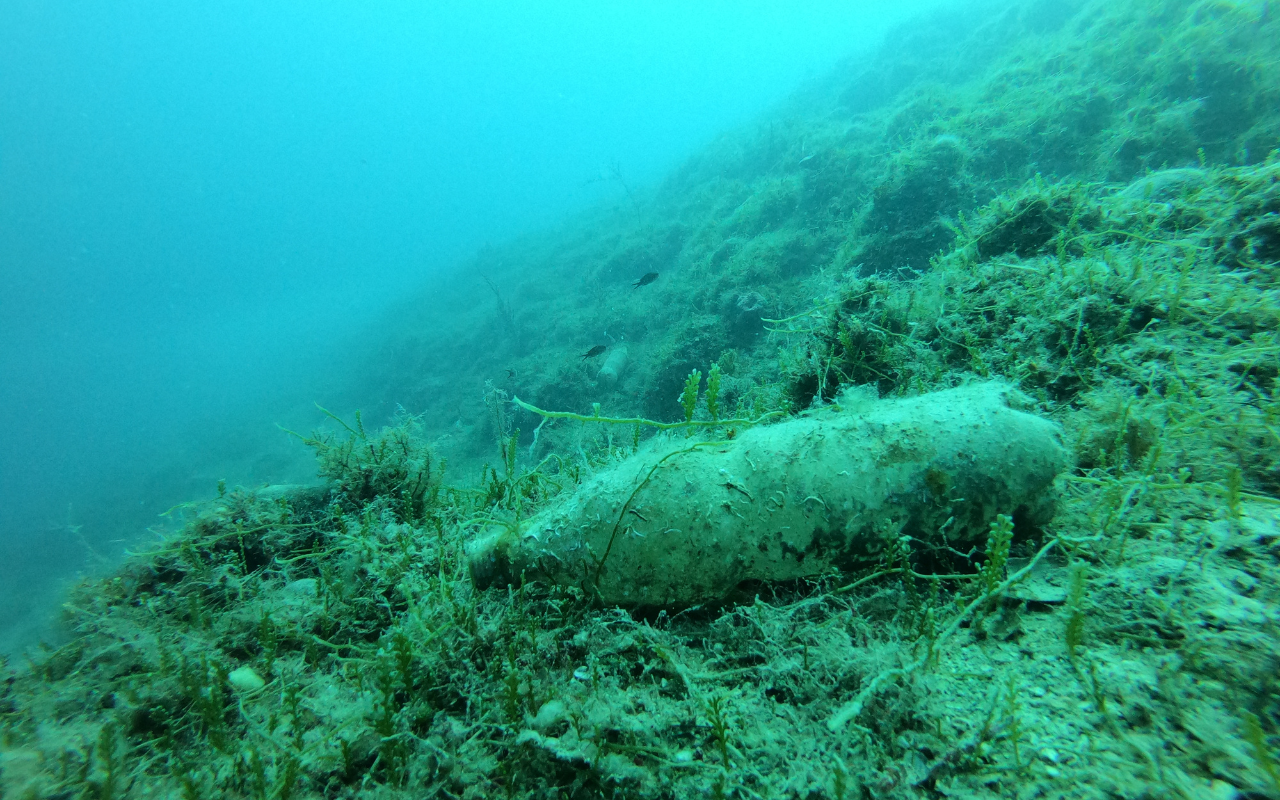
Did you know that plastic in the sea can “come to life”?
The sea is often perceived as a clean and stable ecosystem. The blue surface, sunlight, and calmness create a perfect image. However, beneath that surface, processes are taking place that are not immediately visible.
Recently, this was witnessed by Pero Ugarković from the Institute of Oceanography and Fisheries, who, during a marine cleanup action, wrote on his Facebook profile:
“In the cleanup, the largest amount of waste collected was plastic and aluminum packaging, some car tires, and other debris. Since there were only a few of us, we managed to inspect only 5 to 10% of the extracted waste. We found thousands of crabs, snails, bivalves, tunicates, polychaetes, corals, sponges, and other animals, which we released back instead of placing them in containers.
In addition, from that small portion we extracted two juvenile octopuses and about ten different fish species, including a small white grouper that unfortunately did not survive. There were also millions of fish eggs and eggs of other organisms on the waste, for which the debris serves as an ideal surface for attachment.
One participant in the cleanup, who was helping on the boat, was surprised by how much life exists on a single car tire. In fact, on one discarded tire that had been there despite 15 years of cleaning the same site, there was more biodiversity than on a hundred meters of artificial beach, because that tire was the only remaining solid surface on which life could settle.”
Unfortunately, this living world on a car tire is not an exception, but a phenomenon that is increasingly appearing in the sea.
Where does plastic in the sea come from?
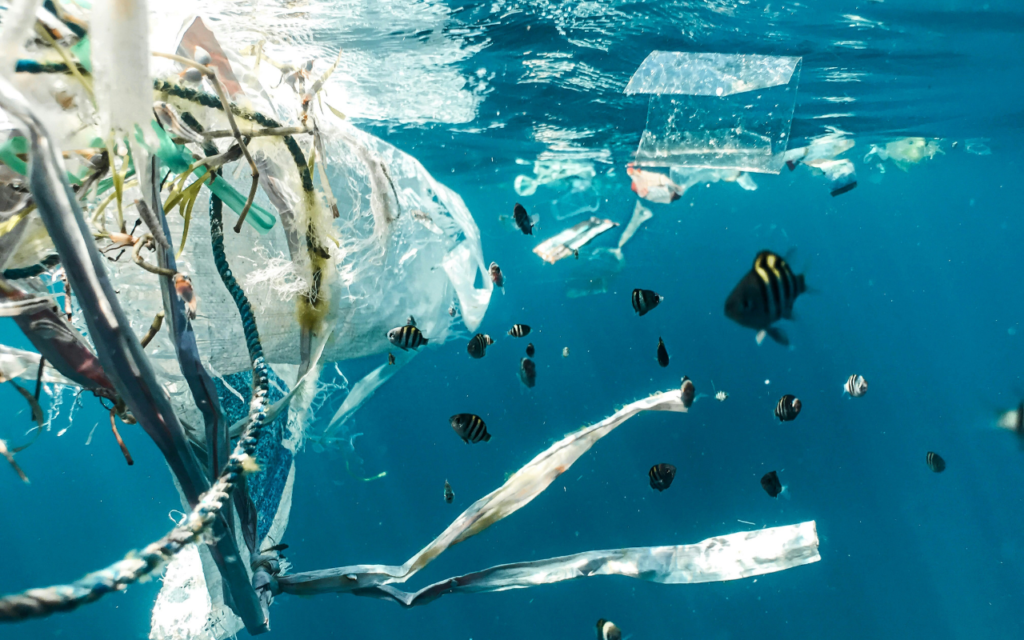
It is estimated that between 4.8 and 12.7 million tons of plastic enter the seas and oceans every year, where it accumulates and breaks down into smaller particles. Plastic that ends up in the sea does not remain a “dead” material; it becomes a habitat for microorganisms, creating a new form of life—the plastisphere.
Most plastic does not reach the sea suddenly, but through everyday pathways: wastewater, rivers, and urban activities on land. Additional sources include maritime transport, fishing, and aquaculture.
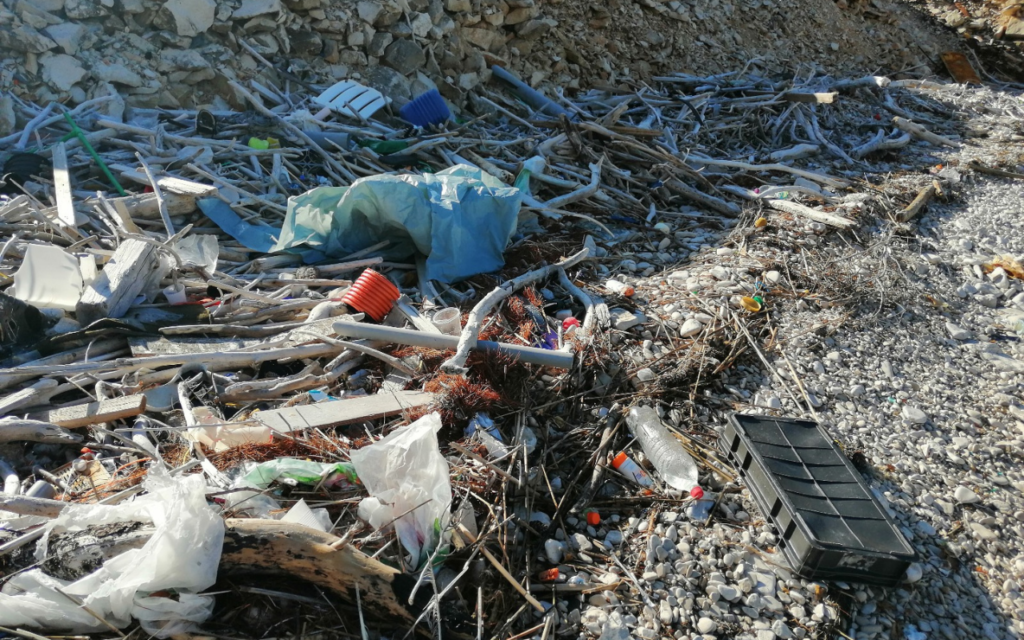
Once plastic enters the sea, it does not disappear. Sun and seawater gradually break it down into smaller and smaller pieces. This results in microplastics, plastic particles smaller than 5 mm. Microplastics can be primary, when they are already manufactured in small form, or secondary, when they result from the breakdown of larger plastic items such as bottles, bags, caps, packaging, and fishing nets.
Due to their small size and resistance to degradation, microplastics can travel long distances with ocean currents. Today, they are present in all parts of the ocean, including deep-sea regions.
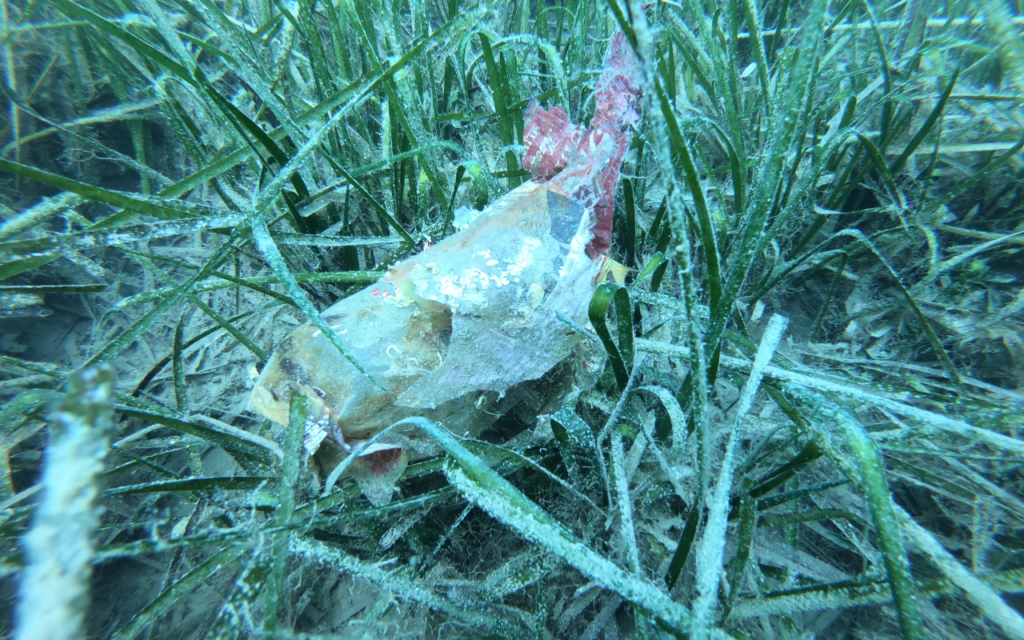
Nature has an incredible power of adaptation
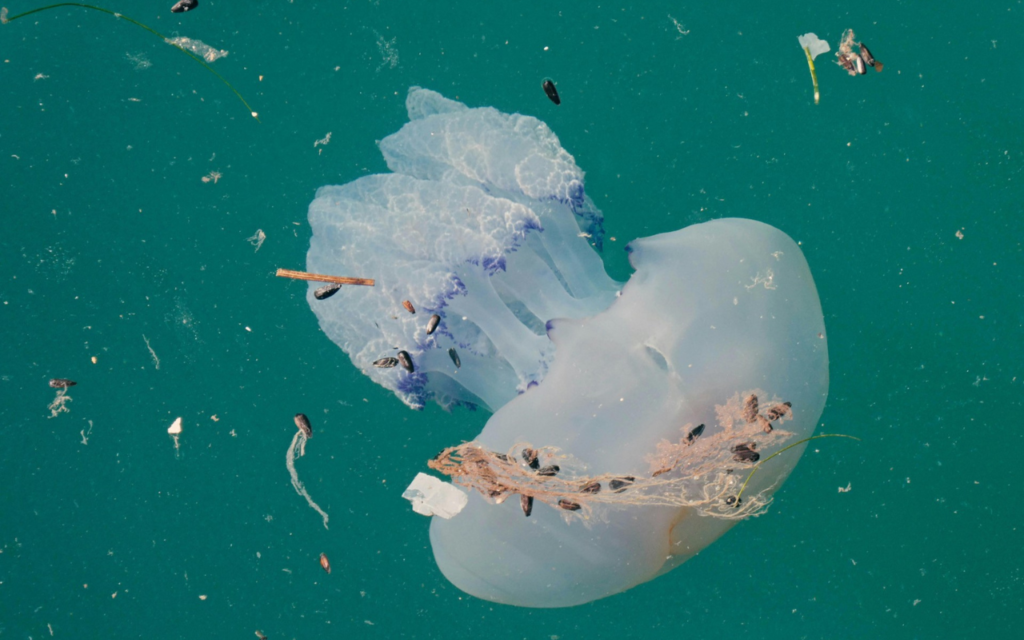
The plastisphere is a community of microorganisms that live on the surface of plastic in aquatic environments. These include bacteria, algae, and other microscopic organisms. They attach to plastic, connect with each other, and form a thin, slimy layer called a biofilm.
Microorganisms use the biofilm in different ways. Some produce substances that help them stick to the surface, others use nutrients from the environment, while some can exploit compounds found in or on the plastic itself.
Interestingly, microbial communities living on plastic are not the same as those freely floating in surrounding seawater. Research has shown that plastic acts as a selective surface, meaning that certain species survive, grow, and spread more easily on it than others.
This phenomenon demonstrates the incredible adaptability and resilience of nature—not only do living organisms survive on plastic, but they also create entirely new microbial communities. The plastisphere is a true testament to how unpredictable the consequences of introducing millions of tons of waste into the sea can be.
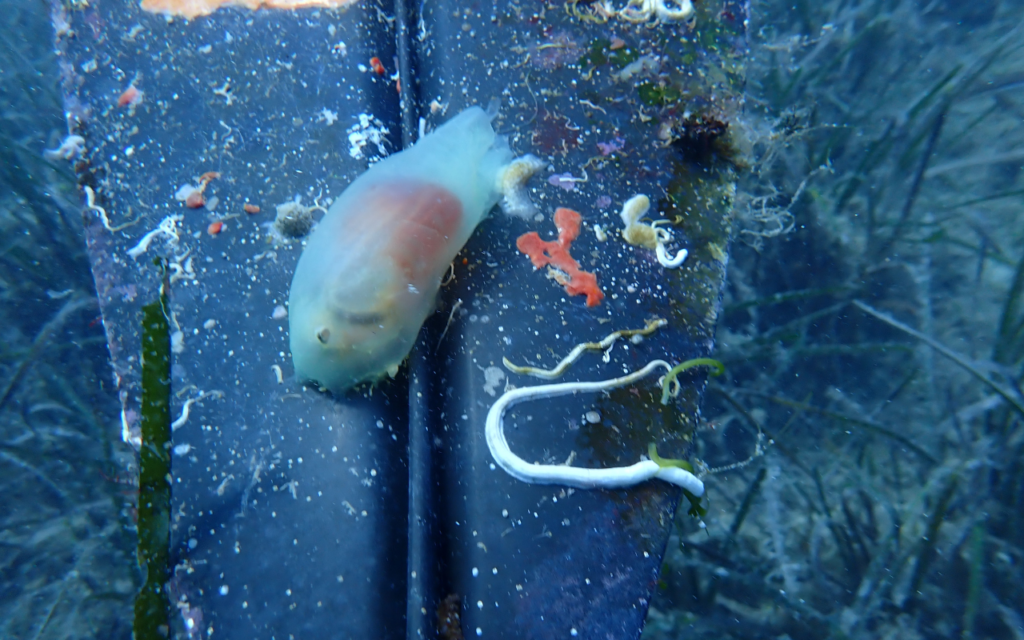
New marine microhabitats
At first glance, it might seem positive that life forms on plastic. However, the problem is that this life does not develop on a natural surface. Plastic is not a natural marine substrate like rock, shells, or seagrass. It is a long-lasting material—its degradation time can reach hundreds of years, and even then it does not fully break down but fragments into micro-particles—that can connect organisms, chemicals, and distant marine areas that would not naturally be connected.
The ecological significance of the plastisphere lies precisely in this: plastic does not only change the ocean physically, but also biologically. It creates new microhabitats, alters the distribution of microorganisms in the sea, and can facilitate the spread of species beyond their usual habitats.
When microorganisms travel on plastic, they do not travel alone. They can carry pathogenic bacteria (such as those from the genus Vibrio), genes associated with antibiotic resistance, and organisms that may disrupt ecological balance in new environments. In addition, plastic has the ability to bind chemical pollutants.
Marine organisms often mistake plastic for food and ingest it, thereby also ingesting harmful substances and microorganisms, which can negatively affect their health. The problem then moves through the food chain, all the way to larger animals and humans.
Is there a solution to microplastics in the sea?
Solving this problem is not simple, but some progress is being made.
Technologies are being developed that enable microplastic filtration from water, especially in wastewater treatment systems, as well as innovations in biodegradable materials. Scientists are also researching bacteria capable of breaking down plastic, such as species from the genera Pseudomonas and Bacillus.
However, these solutions are still not sufficiently developed for widespread use.
In addition to technological and biological solutions, legislative measures aimed at reducing plastic production and use play a key role, as well as raising awareness about responsible waste management. Therefore, if you have the opportunity, join local coastal cleanup actions, reduce the use of single-use plastics in your daily life, use reusable products whenever possible, and properly sort and dispose of waste.

The article “Plastic That Lives: The Phenomenon of the Plastisphere in the Seas” is part of a series of student articles within the Interreg Italy–Croatia FishNoWaste project.
References:
Amaral-Zettler, L. A., Zettler, E. R., & Mincer, T. J. (2020). Ecology of the plastisphere. Nature Reviews Microbiology, 18(3), 139–151.
Zettler, E. R., Mincer, T. J., & Amaral-Zettler, L. A. (2013). Life in the “plastisphere”: Microbial communities on plastic marine debris. Environmental Science & Technology, 47(13), 7137–7146.
Zhai, X., Zhang, X.-H., & Yu, M. (2023). Microbial colonization and degradation of marine microplastics in the plastisphere: A review. Frontiers in Microbiology, 14, 1127308.
Yu, R.-S., & Singh, S. (2023). Microplastic pollution: Threats and impacts on global marine ecosystems. Sustainability, 15(17), 13252.*