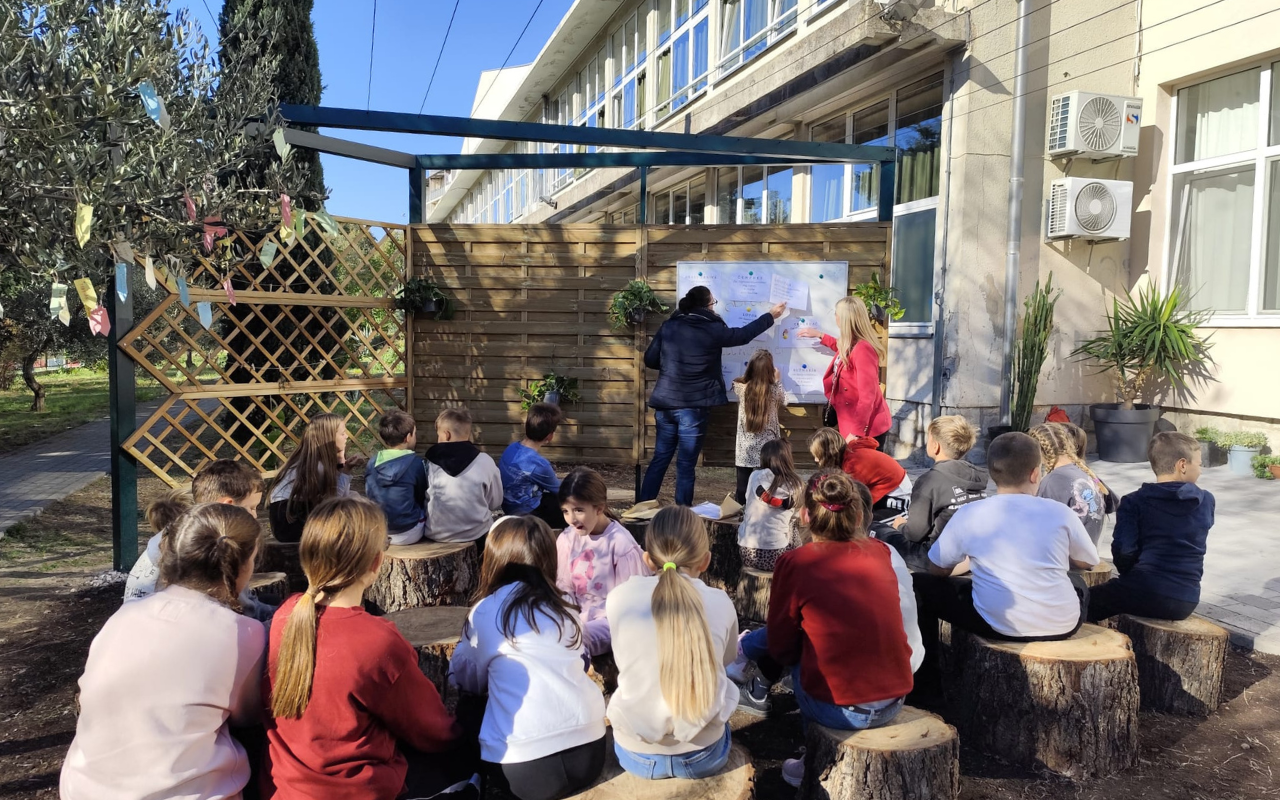
When we think about solutions to climate change, we often imagine large scale infrastructure projects, advanced technologies, or strategic plans. Yet some of the most effective solutions emerge where we least expect them, in schoolyards.
Imagine school outdoor spaces during the warmer months. Instead of heat radiating concrete, children spend their breaks in the shade of trees, observing nature and learning through play how natural processes work. Such schoolyards are not only more attractive and pleasant places to spend time in, they also cool the surrounding area, retain stormwater, provide habitats for plants and wildlife, and demonstrate how nature-based solutions can help communities adapt to climate change.
This is precisely why school gardens represent one of the most effective Nature-based solutions (Nbs), an approach that addresses increasingly pressing climate challenges by working with nature rather than against it. In addition to enhancing the resilience of school environments, they offer children the opportunity to experience nature firsthand and develop a lasting connection with the environment.
Nature as a classroom
Spending time in green spaces fosters curiosity, creativity, and a sense of connection with nature in ways that are difficult to achieve within the walls of a classroom. When a child plants flowers or vegetables in a school garden or takes part in creating one, they are not simply learning about the environment, they are experiencing it. And that experience stays with them for life.
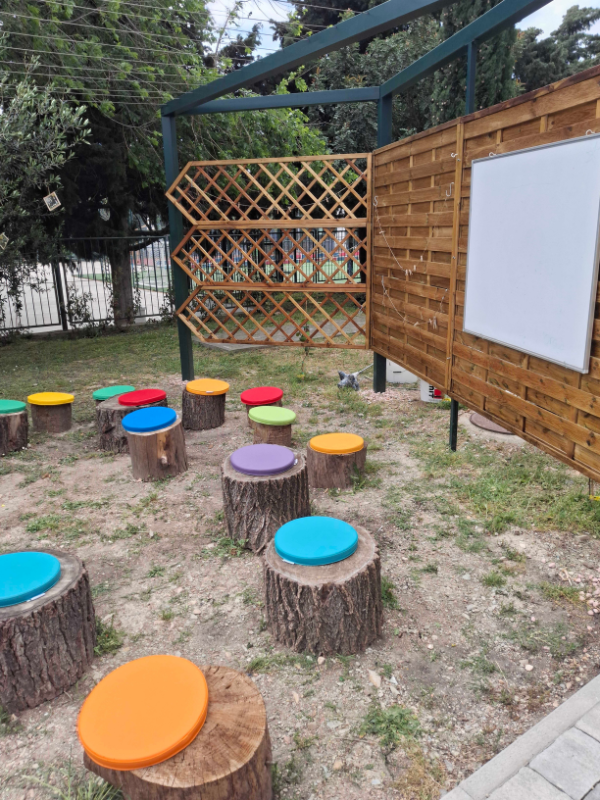
These green spaces become living classrooms where students learn about the water cycle, soil health, the importance of pollinators, composting, and biodiversity. Concepts that are often taught theoretically in the classroom become tangible experiences in the garden. Students are not just learning about nature, they are actively participating in its protection.
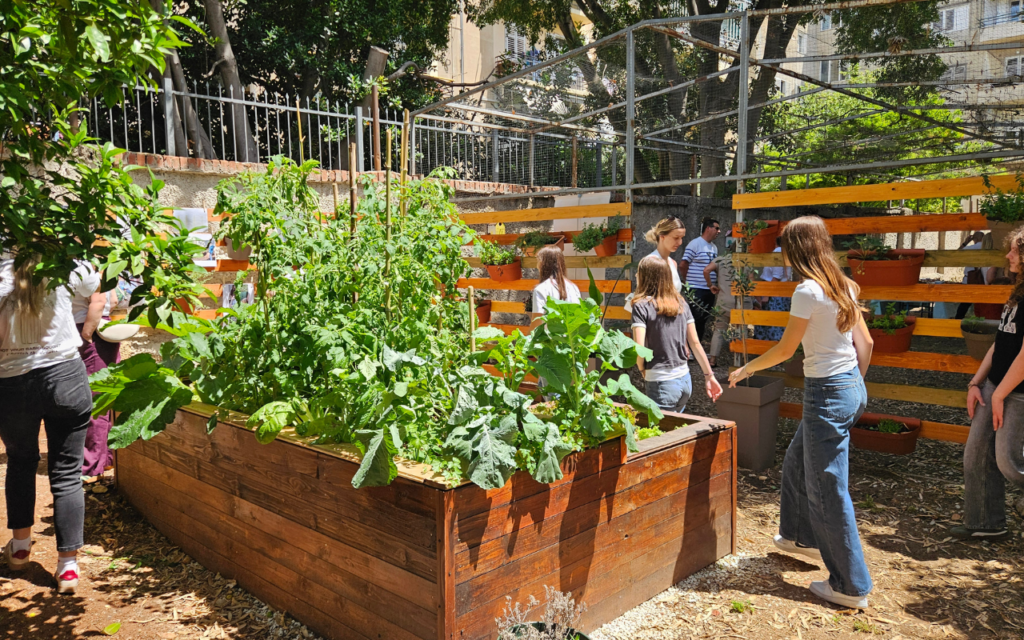
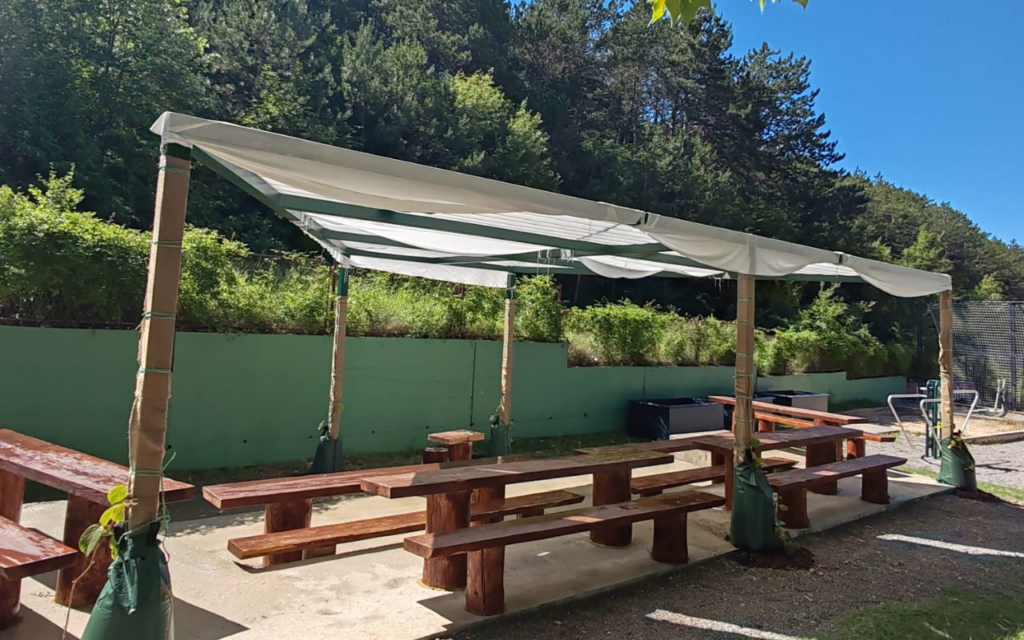
Beyond their educational value, green school spaces also create healthier and more resilient environments for both students and school staff. They help reduce the impacts of heatwaves, improve the quality of outdoor spaces, and enable schools to become examples of sustainable landscape management.
From project to positive change
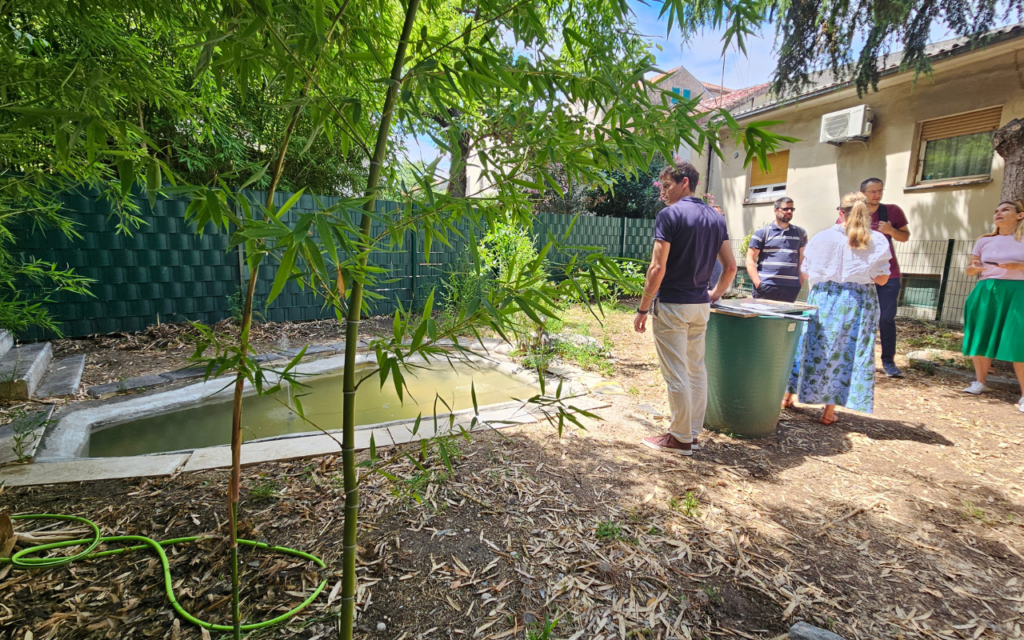
Climate change is having a particularly severe impact on Mediterranean coastal regions, where increasingly frequent heatwaves, droughts, and intense rainfall require a different approach to spatial planning. This is exactly the type of transformation promoted by the DesirMED project, through which Sunce, together with its partners, develops and promotes Nature-based Solutions.
The project recognizes schoolyards as places where nature based solutions can generate long-term benefits for students, schools, and local communities. Educational programmes, workshops, and the development of school gardens are all part of a broader effort to make green infrastructure an integral part of educational environments as well as everyday community life.
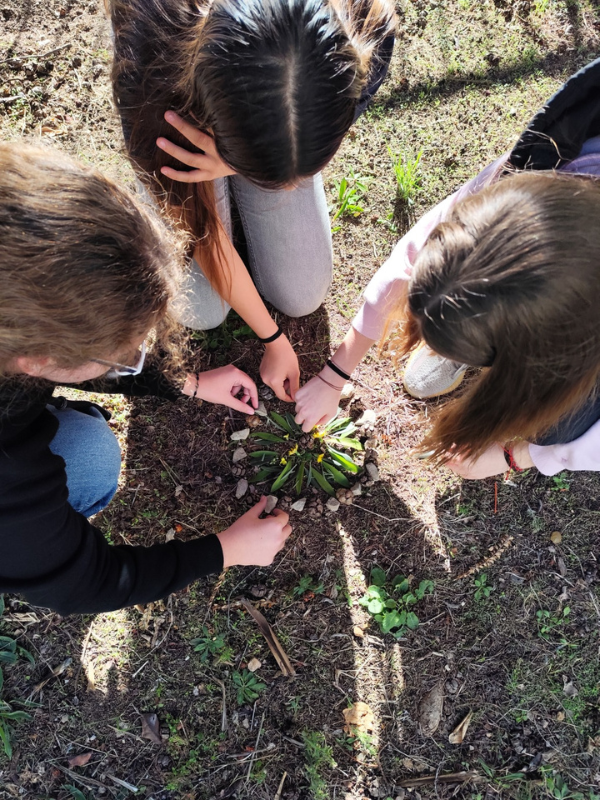
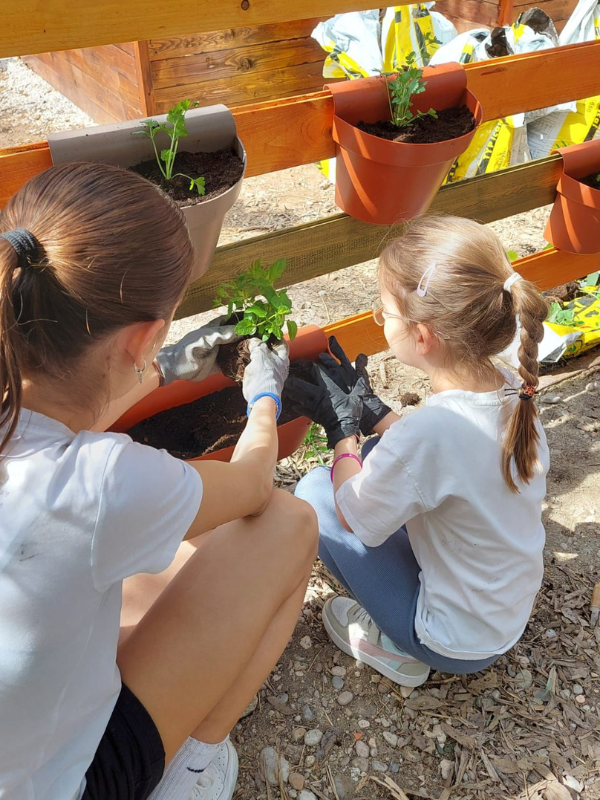
A particularly valuable aspect of these activities is that students are not merely users of the newly created spaces, they actively participate in their design, creation, and maintenance. In this way, each school garden becomes a shared project involving students, teachers, schools, and the local community, demonstrating how sustainable change is achieved through collaboration.
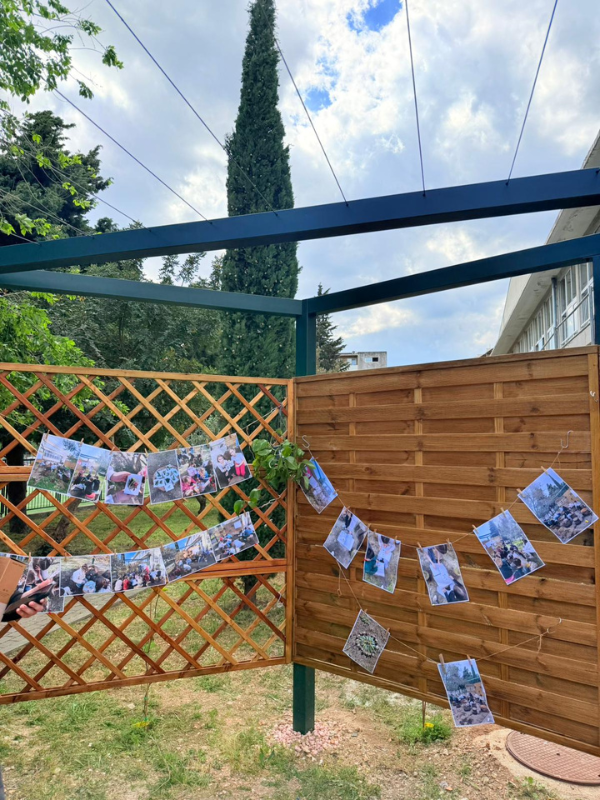
The potential of school gardens to drive positive change is already evident in the Split-Dalmatia County of Croatia. Outdoor spaces have been transformed at Brda primary school, Kamešnica primary school, Dobri primary school, and Skalice primary school, creating new green areas for learning, socialising, and spending time in nature. This year, following a public call for applications, the Popaj kindergarten in Split and Professor Filip Lukas, Primary school in Kaštel Stari also joined the initiative, and their school gardens will become new examples of implementing nature based solutions.
From individual initiatives to systemic change
Meaningful change also requires a different perspective on green spaces. When temperatures reach 40°C, cities are not cooled by concrete, they are cooled by greenery. Yet green areas are still too often viewed as an additional expense or as land that could be used for other purposes. Climate change is making it increasingly clear that investing in Nature-based Solutions is not a luxury but an investment in healthier, more resilient, and higher quality living environments.
One of the key challenges is integrating these solutions more systematically into spatial planning and development. Successful implementation requires cooperation between local authorities, planners, technical experts, schools, and public utility companies. Through such collaboration, school gardens can become long-term sustainable spaces rather than short lived projects.
The success of these initiatives should not be measured solely by their implementation but also by how they are managed and how well they remain part of everyday school life over time. This is why the principles of Nature-based solutions need to be integrated more consistently into spatial plans, development strategies, and the design of public spaces. Once Nature-based solutions become a standard component of planning processes, their implementation will no longer depend solely on individual projects and initiatives but will become the norm for creating healthier, higher-quality public spaces.
How can we ensure long term change?
Climate change reminds us that the way we plan and use space must evolve to meet new environmental conditions. This is why the value of school gardens extends far beyond school grounds. They demonstrate how nature based solutions can become an integral part of everyday community life.
Although the benefits of such programmes are considerable, their implementation still often depends on individual initiatives, the enthusiasm of teachers, and the availability of project funding. Instead of being incorporated into the planning of new schools or the renovation of existing ones, Nature-based solutions are still too frequently implemented thanks to the commitment of a small number of individuals who recognise their value.
To encourage wider adoption, it is essential to invest in the education of teachers, contractors, and decision makers, while also developing practical guidelines that make the implementation of nature based solutions easier in practice.
A single garden may seem like a small step, but it is precisely these small steps that drive significant change. Where children plant their first seeds today, observe nature, and learn to appreciate its value, tomorrow’s communities can grow communities that see nature not as an obstacle to development, but as one of its greatest allies.
Based on the experience gained during the implementation of the DesirMED project, a policy brief has also been developed, providing recommendations for the broader integration of nature based solutions into spatial planning and landscape management. The full document is available at the LINK.
