A small green step for a school, a big change for the city
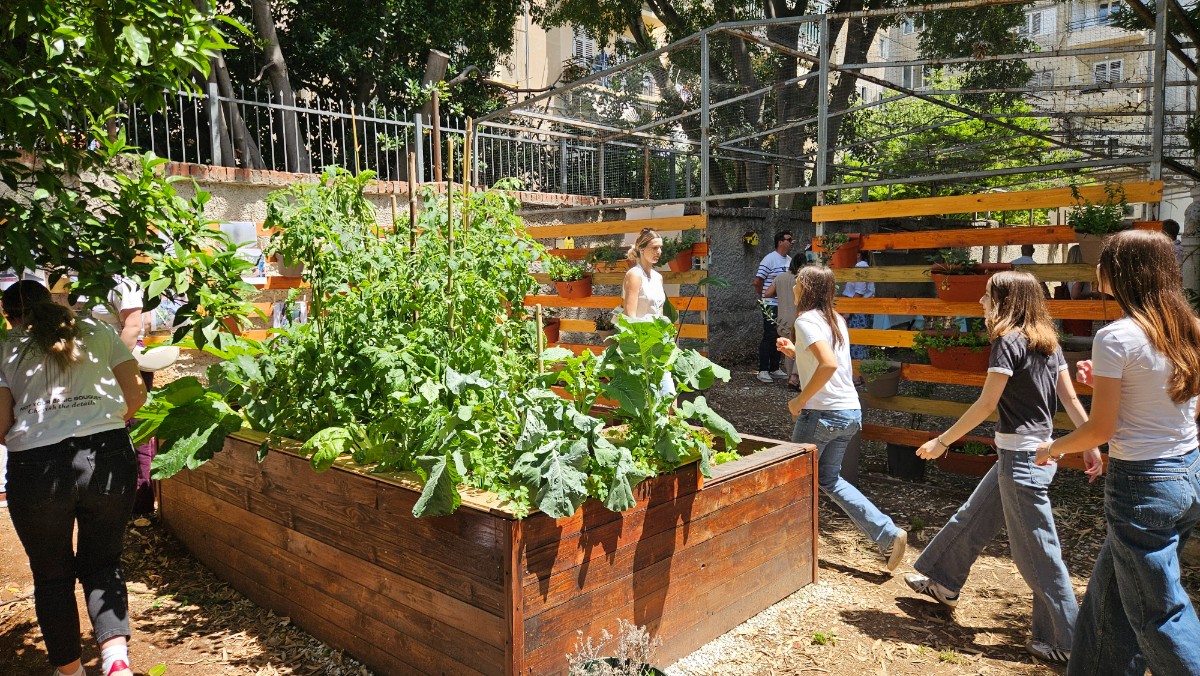
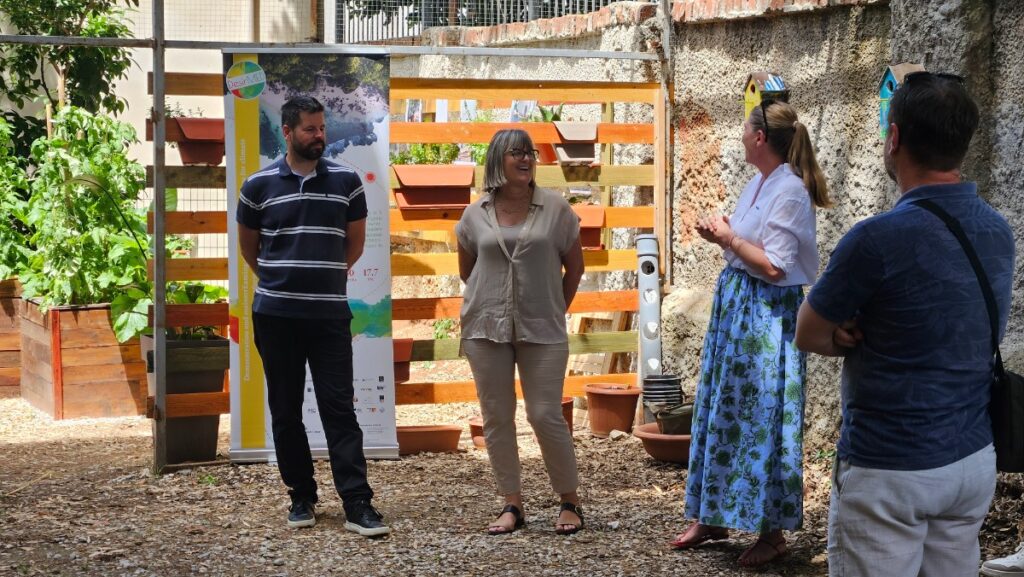
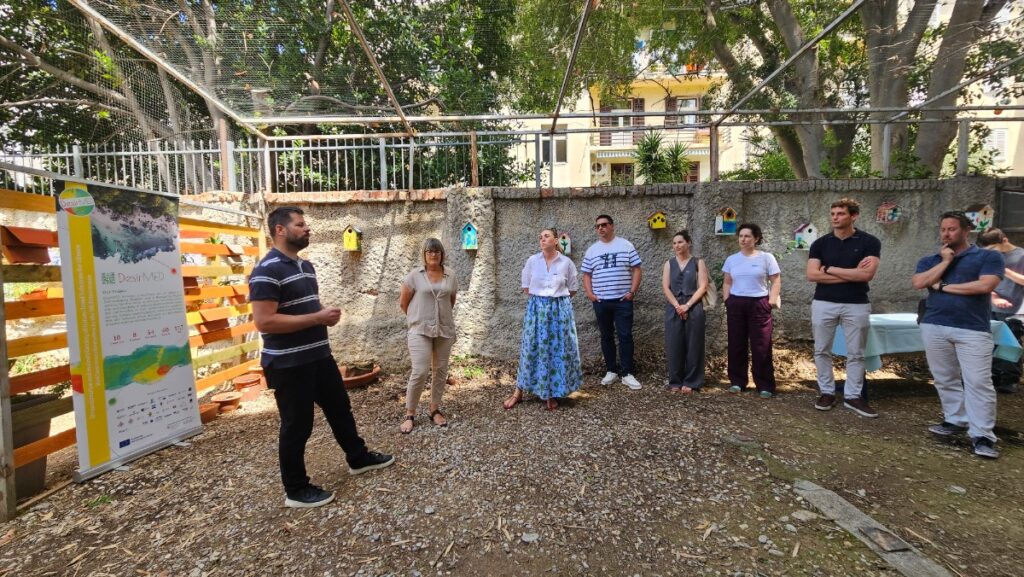
In the heart of Split, surrounded by buildings, asphalt and concrete, Dobri Primary School has gained a new green oasis. On June 5, 2026, World Environment Day, the school officially opened its school garden, created through the DesirMED project, which develops nature-based solutions across Mediterranean regions to help communities adapt to climate change.
The school garden is designed as part of an outdoor classroom where students will learn about nature, sustainability, biodiversity and climate change through hands-on activities and experiential learning.
“We wanted to demonstrate how even small spaces in highly urbanized areas can become places that improve quality of life, support education, and strengthen resilience to climate change. This garden is the result of the joint efforts of students, teachers and experts from Permaculture Dalmatia,” said Margita Radman, Head of Education and Information at the Sunce Association.
From idea to green space
Dobri Primary School was selected as one of the schools participating in a public call launched by the Sunce Association in March 2025 for primary schools in Split-Dalmatia County. The aim of the call was to encourage the development of school spaces that combine education, functionality and environmental stewardship through nature-based solutions.
After the school was selected, Sunce, in cooperation with Permaculture Dalmatia, began the process of designing and creating the garden. The project started with site visits and discussions with teachers about the school’s needs, the possibilities of the space, and ideas that could provide students with new opportunities for outdoor learning.
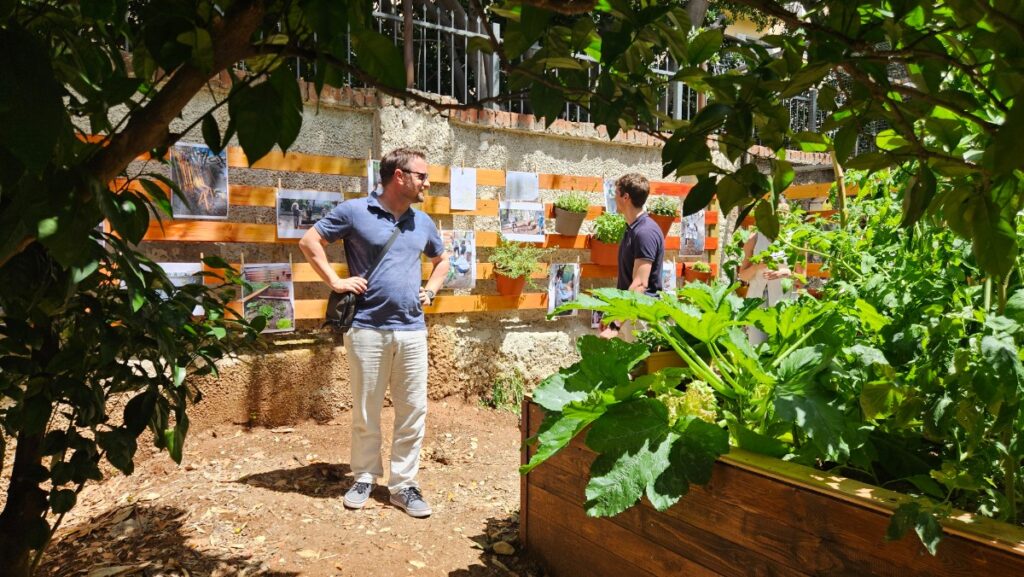
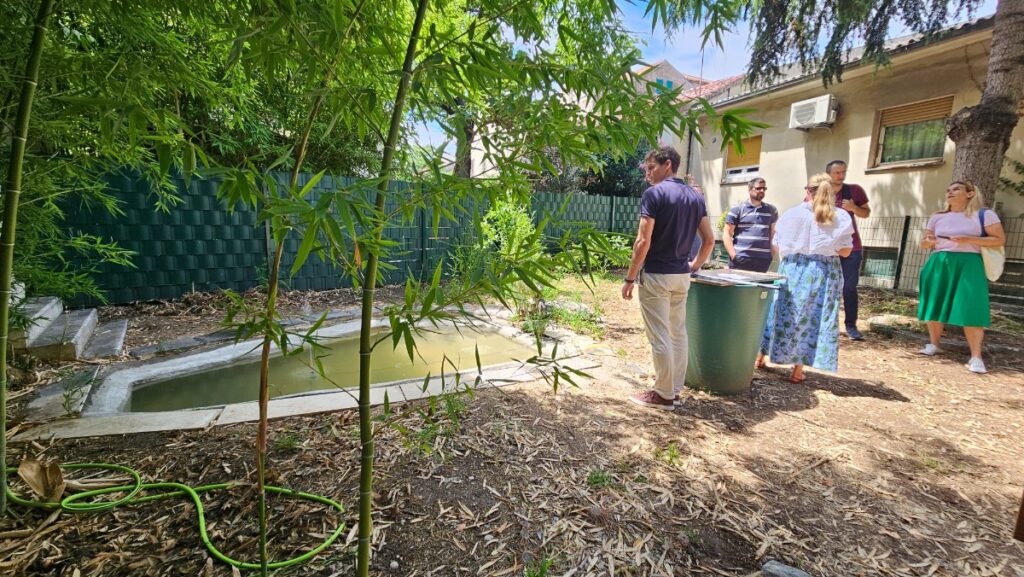
Based on these discussions, a permaculture garden design was developed, incorporating the wishes of the school community while adhering to principles of sustainability, climate adaptation, and the efficient use of space and resources.
Students as garden builders
A particularly valuable aspect of the project was the active involvement of students and teachers throughout the entire process. Through a series of workshops, participants worked together to create garden features, paint wooden structures, assemble raised beds and prepare the area for planting.
“I am immensely grateful to our teachers, who generously dedicated their free time to this project. Their effort and energy beyond their regular duties have been the driving force behind this entire initiative,” said Mirjana Dodig, Principal of Dobri Primary School.
In March of this year, the preparation of the garden beds began using materials already available within the school grounds—stones, soil, bamboo branches, and bougainvillea cuttings. In doing so, the principles of the circular economy and material reuse were put into practice.
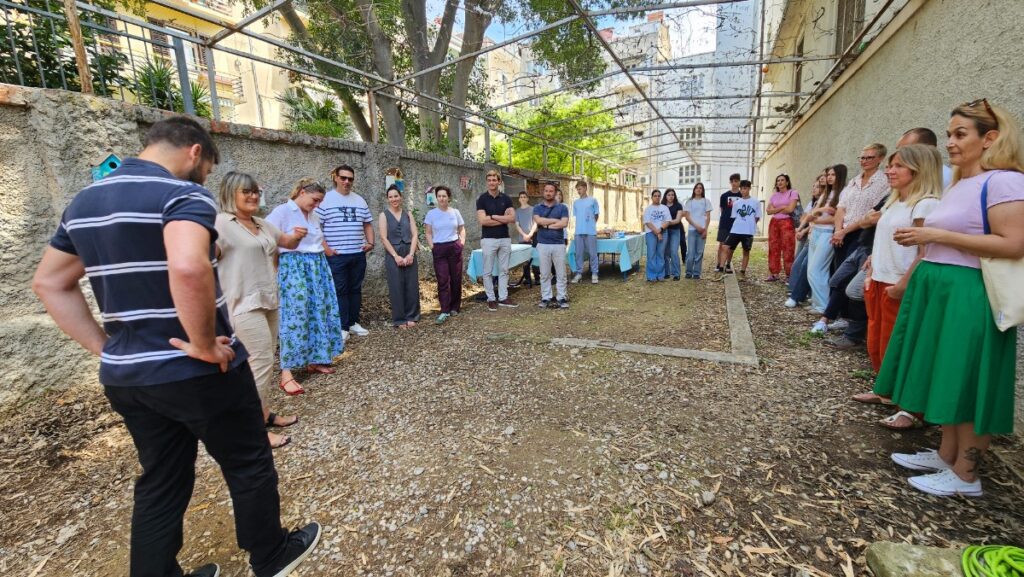
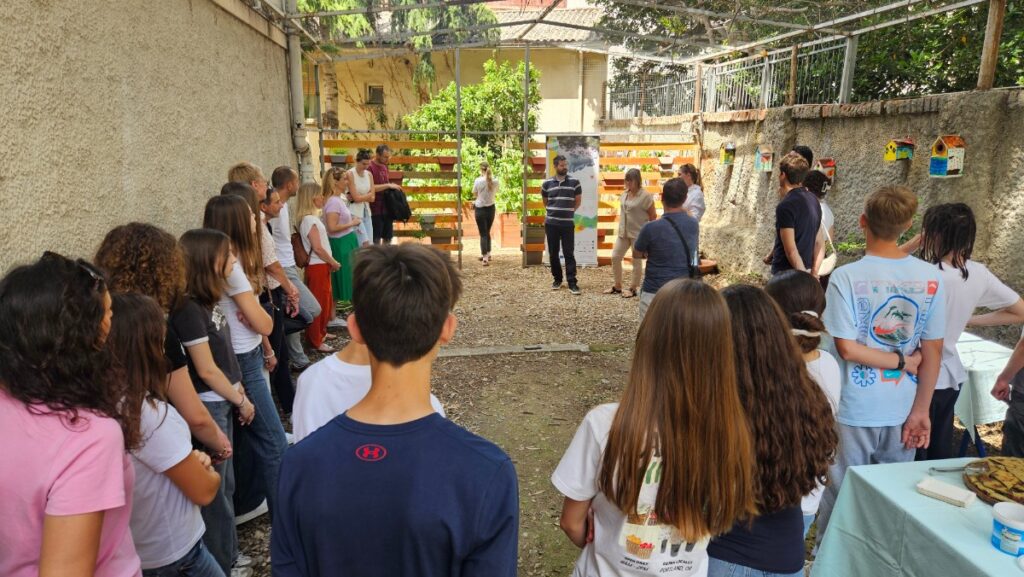
At the end of March, students, teachers, and members of the school’s volunteer club took part in planting and the final landscaping of the space. The new garden was designed to simultaneously increase biodiversity, help mitigate the effects of urban heat, and create a more pleasant outdoor environment.
A Place for learning, socializing, and observing nature
During the project, a total of six workshops were organized for students and teachers. The school garden also served as a venue for international knowledge exchange through collaboration with students from Italy as part of the Erasmus+ programme.
The school garden at Dobri Primary School is one of the pilot examples of nature-based solutions being developed through the DesirMED project. Funded by the European Union, the project aims to increase the resilience of Mediterranean regions to the impacts of climate change through innovative and sustainable solutions that benefit both people and the environment.
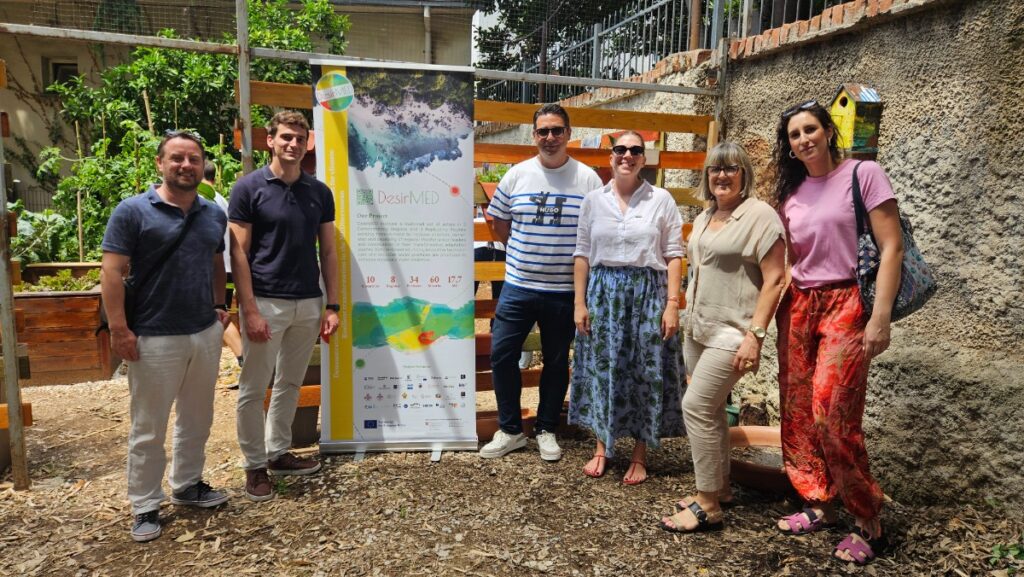
Although it is a relatively small intervention, its significance extends far beyond the boundaries of the schoolyard. In a city where every square meter of greenery is valuable, the Dobri Primary School garden demonstrates how collective effort can create spaces that educate, bring people together, and contribute to a healthier urban environment.
