Green Forum calls for urgent remediation and the resignation of those responsible for the environmental disaster in Gospić
The beginning of August, marked by yet another extreme heatwave, drought, and wildfires raging across Europe, also saw USKOK publish the findings and expert assessments concerning the site of an illegal landfill containing hazardous and infectious waste in Gospić.
It is worth recalling that these findings were made public only in response to mounting public pressure, and only after the citizens of Gospić had spent more than a year and a half demanding answers and urgent remediation from all relevant institutions. Their efforts culminated in a mass protest in Gospić at the end of June, under the slogan “Walk for Lika.” Now, following an order from USKOK, the findings of the Faculty of Geotechnical Engineering have been published, confirming that citizens’ concerns and outrage were more than justified.
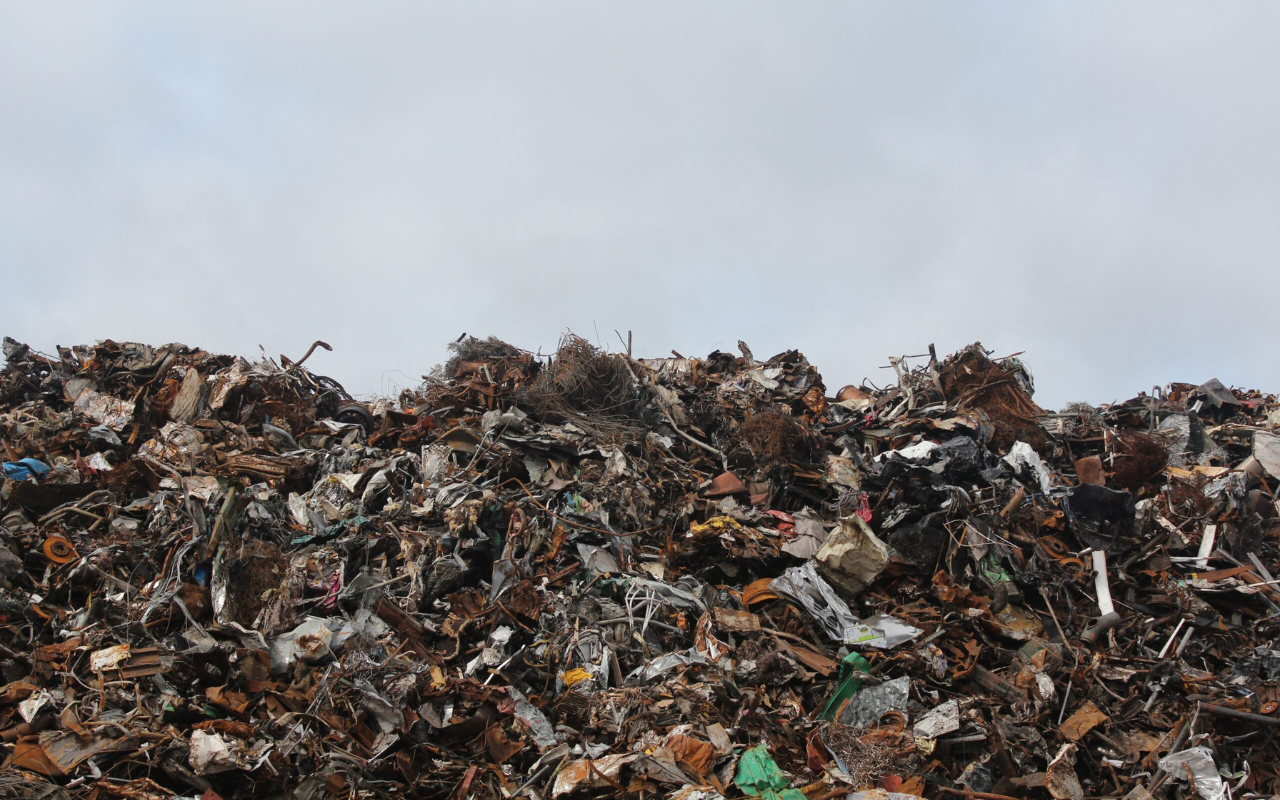
The landfill, containing 37,000 tonnes of hazardous waste, was found to be ecotoxic, with metal concentrations and levels of so-called “forever chemicals” known as PFAS vastly exceeding the permitted limits. PFAS were detected not only at the landfill itself, but also in soil and plants beyond the site. A supplementary expert assessment concluded that the landfill is highly likely to be a source of PFAS migration into the groundwater aquifer. The main assessment, meanwhile, states that the habitat has been degraded and irreversibly destroyed and warns that, if the source of contamination remains on site, pollutants may continue to spread in the direction of groundwater flow.
The competent authority of Lika-Senj County issued the companies in question waste-management permits on two separate occasions, raising further questions about accountability and the functioning of the institutions that enabled such practices. The system of oversight, including inspection of companies involved in waste management, from the import of waste through to its final disposal, has clearly failed here as well.
The Gospić case must mark the end of a policy in which the environment is protected only after the damage has already been done. Love for one’s home and community is demonstrated by taking responsibility for the air, water, soil, and people, not by making decisions that expose them to long-term harm for the sake of private interests.
The members of the Green Forum stress that this is not an isolated case and are calling for systemic change to practices that have allowed people’s health, nature, and the future of local communities to be put at risk. An environmental disaster of this magnitude, together with the institutional failures that enabled it, must never happen again. Human health, the environment, and the public interest must come before private interests. Those responsible for enabling such a system must be held accountable and must resign.
The existing Environmental Protection Act does not give citizens an effective right to seek collective judicial protection for environmental and health damage
This case demonstrates how crucial it is for citizens to be able to act swiftly when institutions fail. But it also highlights another serious problem: even when severe and long-term environmental damage, as well as risks to human health, are clearly confirmed through independent expert assessment, citizens in Croatia still lack sufficiently strong legal mechanisms to collectively defend their right to a healthy environment.
We saw this clearly in Dugi Rat, where Sunce and the citizens’ initiative “FOR Dugi Rat” sought, through a collective lawsuit, to protect citizens’ right to a clean, healthy, and sustainable environment and to demand the remediation of toxic industrial slag that has been present there for decades. In July 2025, the Commercial Court in Split dismissed the claim on the grounds of a lack of legal standing. In other words, the existing legal framework did not allow citizens and organized civil society to seek such collective protection before the courts.
Gospić is yet another reminder of why this must change.
Give the environment a voice!
That is why the new Environmental Protection Act is about far more than another amendment to environmental legislation. It is an opportunity to give citizens meaningful opportunities to participate, access justice, and collectively defend their right to a healthy environment.
We therefore call on citizens to take part in the e-Consultation on the new Environmental Protection Act, which, according to announcements by the Ministry of Environmental Protection and Green Transition, is expected to open at the end of August. Once the draft law is available for public consultation, support our comments and/or submit your own, and call for stronger environmental protection and more effective access to justice.
It is unacceptable for citizens’ voices to be ignored. Nor is it enough to tell people that they were right only after the damage has already been done. The law must protect citizens from pollution, establish a clear and unambiguous framework for public participation in environmental protection, and provide access to compensation when people’s rights and health are put at risk. The new Environmental Protection Act must guarantee citizens their fundamental right to access justice.
Give the environment a voice. Give a voice to the right to a clean, healthy, and sustainable environment.

Funded by the European Union. The views and opinions expressed are those of the authors and do not necessarily reflect those of the European Union or the European Education and Culture Executive Agency (EACEA). Neither the European Union nor EACEA can be held responsible for them.