What do the Ferruginous duck, the Kentish plover, the Loggerhead sea turtle, Posidonia oceanica seagrass meadows, marine caves, and muddy and sandy seabeds have in common? They are all part of the ASPEH – Adriatic Species and Habitats of Coastal Areas project. Over the past two and a half years, partners from Croatia and Italy have worked together to strengthen the protection of these valuable Adriatic species and habitats by developing conservation plans, conducting research, and raising public awareness of the importance of preserving our natural heritage.
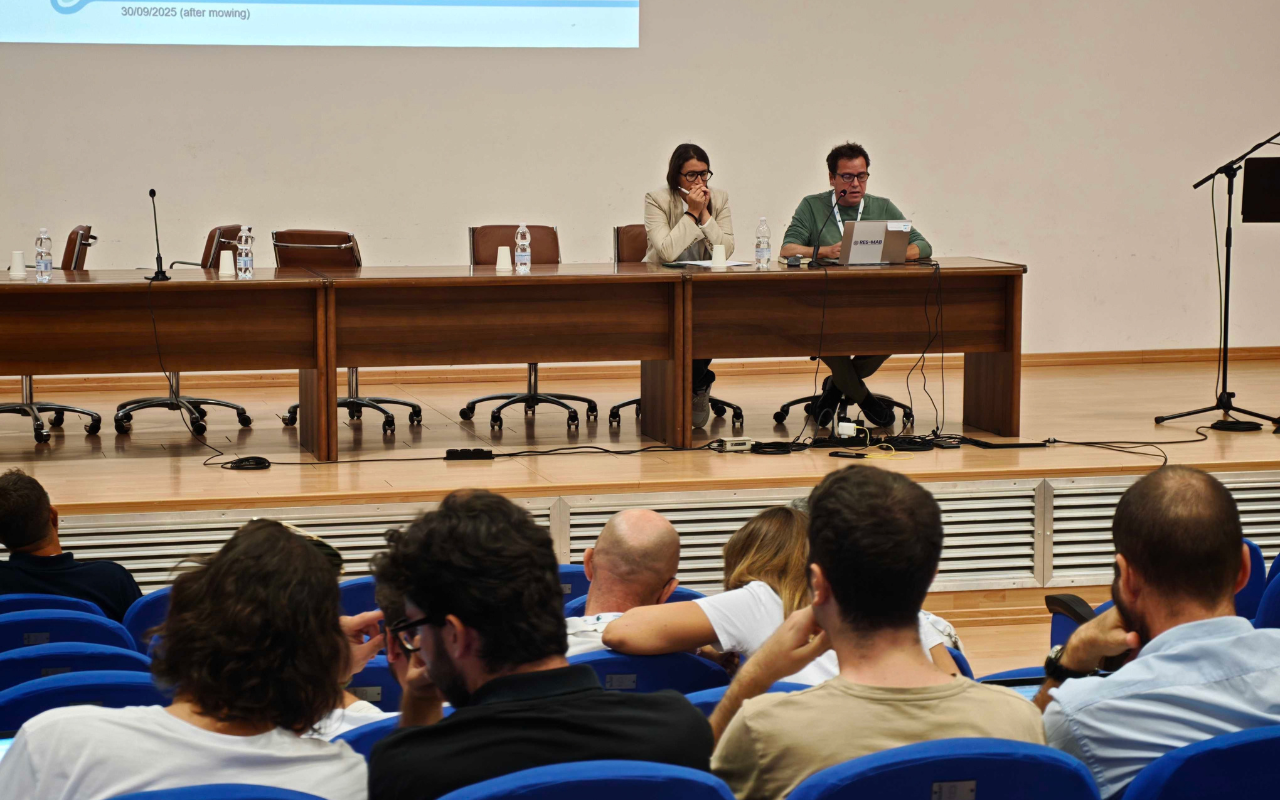
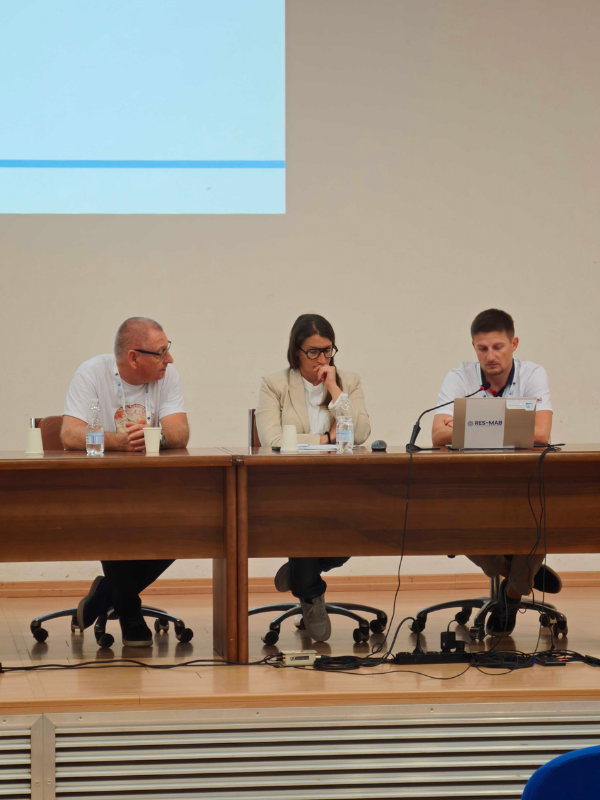
On 9 and 10 September 2026, the ASPEH project’s final conference was held in Rosolina Mare, in Italy’s Veneto region. Hosted by the Po Delta Regional Park, the conference brought together project partners, experts, institutional representatives, and other stakeholders from Croatia and Italy to present the project’s results, exchange experiences, and discuss future challenges and opportunities for the conservation of the Adriatic’s coastal and marine ecosystems.
Presenting the results of the ASPEH project
The first day of the conference was dedicated entirely to presenting the project’s activities and results. Participants had the opportunity to learn about the project’s achievements through expert presentations, promotional materials, and video screenings featuring activities carried out throughout the project. The presentations covered the conservation of target species and habitats, as well as the management and conservation plans developed as part of the project. The conference also provided an opportunity to introduce ASPEH to a wider professional audience and to exchange experiences and good practices among organisations and institutions working in nature conservation.
Particular attention was given to the results achieved in the pilot areas. Conservation activities targeting the Ferruginous duck in the Torre Guaceto area were presented, including species monitoring and wetland vegetation surveys, alongside the use of remote sensing techniques to track environmental changes. The presentations highlighted the importance of long-term research and systematic monitoring in developing effective conservation measures for threatened species and their habitats.

From sandy beaches to seagrass meadows and marine caves
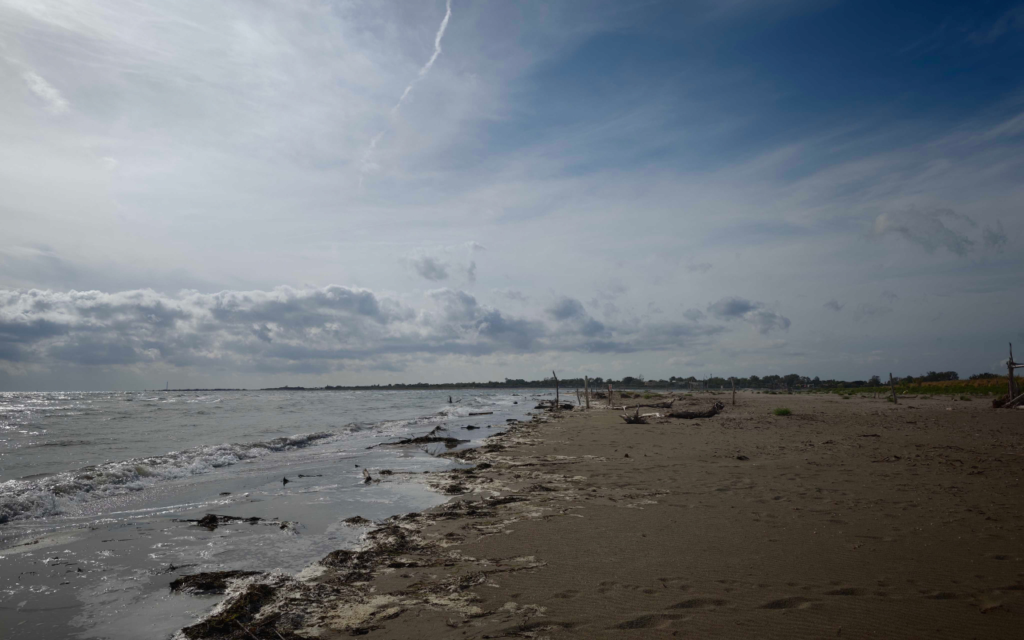
Among the results from Croatia, participants were introduced to research conducted on Vela Pržina and Bilin Žal sandy beaches on the island of Korčula, two of the few sandy beaches in Croatia. Over an eight-month research period, sediment, mineral composition, beach morphology, and vulnerability to climate change were analysed. The findings revealed that, despite appearing similar at first glance, the two beaches differ in their sediment sources, dynamics, and conservation challenges. Particular emphasis was placed on the role of Posidonia oceanica seagrass meadows in retaining sediment and maintaining coastal stability, as well as the need for site-specific management measures tailored to the characteristics of each location.
Participants were also presented with the results of Posidonia oceanica monitoring, focusing on one of the Mediterranean’s most important marine habitats. The project further developed approaches to monitoring the condition of Natura 2000 marine habitats, with the aim of collecting the data needed for effective management and the long-term conservation of this valuable ecosystem. The presentations highlighted the vital role of seagrass meadows in maintaining biodiversity, storing carbon, and protecting coastlines from erosion.
The conference also showcased the results of activities aimed at protecting marine caves in the Vis Archipelago, among the most sensitive marine habitats in the Adriatic. To reduce visitor pressure and prevent motorised vessels from entering Medvidina Cave, a floating protective barrier was installed, accompanied by an information board outlining visitor guidelines. This activity reflects one of the key objectives of the ASPEH project: not only to implement conservation measures, but also to encourage changes in how people use and interact with natural areas through education and raising awareness of the importance of nature conservation.
As part of the project, marine cave monitoring was carried out, including surveys of the species and communities present, to gain a better understanding of their condition and conservation needs. Unfortunately, the impacts of excessive visitor numbers and irresponsible behaviour are evident at many sites, particularly in such sensitive habitats. To further strengthen protection, visitor information boards outlining appropriate behaviour were installed at the entrances to all marine caves in the Vis Archipelago designated as natural monuments, as well as at sites within the Stiniva Significant Landscape and Stupišće Reserve. These activities represent an important step towards balancing human use of natural areas with the conservation needs of valuable marine ecosystems.
Learning from good practices
On the second day of the conference, participants had the opportunity to visit the Botanical Garden within the Po Delta Regional Park and learn first-hand about habitat management and conservation activities. During the field visit, they were introduced to methods used to maintain valuable natural habitats, the measures implemented to protect them, and the challenges that protected area managers face in their day-to-day work.

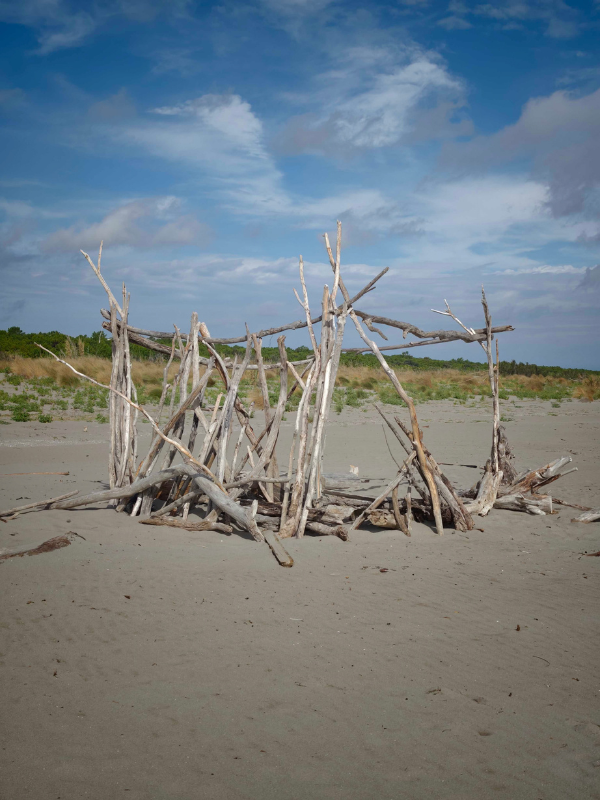
Particular emphasis was placed on the importance of involving local communities in nature conservation efforts, as well as the need to encourage more responsible visitor behaviour. The Po Delta Regional Park’s experience demonstrated that successful nature conservation depends not only on management measures and legal protection, but also on the understanding and responsible actions of everyone who uses these areas. This is one of the key messages of the ASPEH project: education, awareness-raising, and active public engagement are just as important as conservation measures themselves.
Cooperation that continues beyond the project
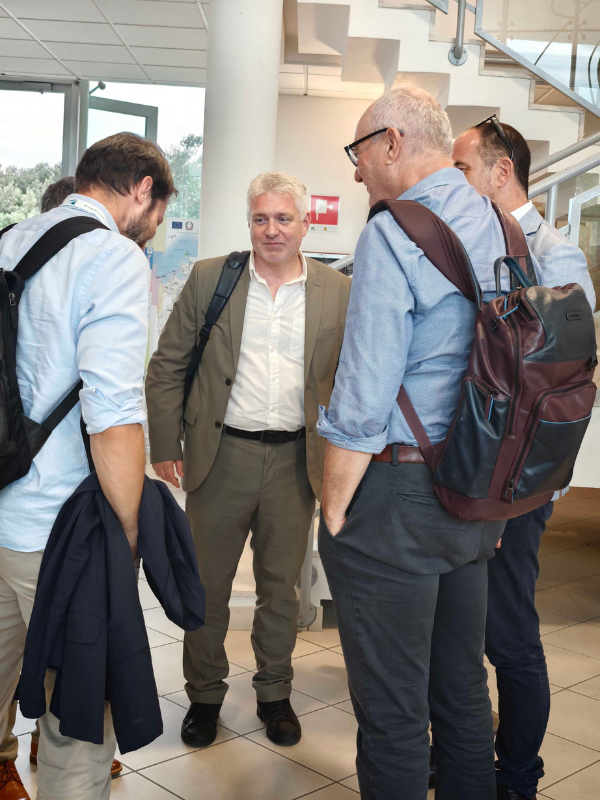
In addition to its technical programme, the conference provided a valuable opportunity for partners and stakeholders to meet, connect, and exchange ideas. Informal conversations during breaks and joint activities highlighted just how important international cooperation and networking are for nature conservation. These are the moments when ideas grow, new questions emerge, and fresh initiatives begin to take shape. You never know what new project might stem from a single conversation, or what connections, collaborations, and friendships may develop through gatherings like this.

Although the ASPEH project is now approaching its conclusion, its results will continue to make an impact through the conservation plans developed, the knowledge and experience gained, and the partnerships established. The project has demonstrated that effective nature conservation requires joint efforts from scientists, protected area managers, institutions, local communities, and citizens alike.
With new knowledge, valuable experiences, and the successful implementation of the project behind us, we will continue to share what we have learned, connect people and institutions, raise awareness of the need to change our relationship with and behaviour towards nature, and work towards its protection.
After all, nature is not simply a place we need to preserve. It is something we are part of, a shared value on which we all depend, and something we can all contribute to protecting.
