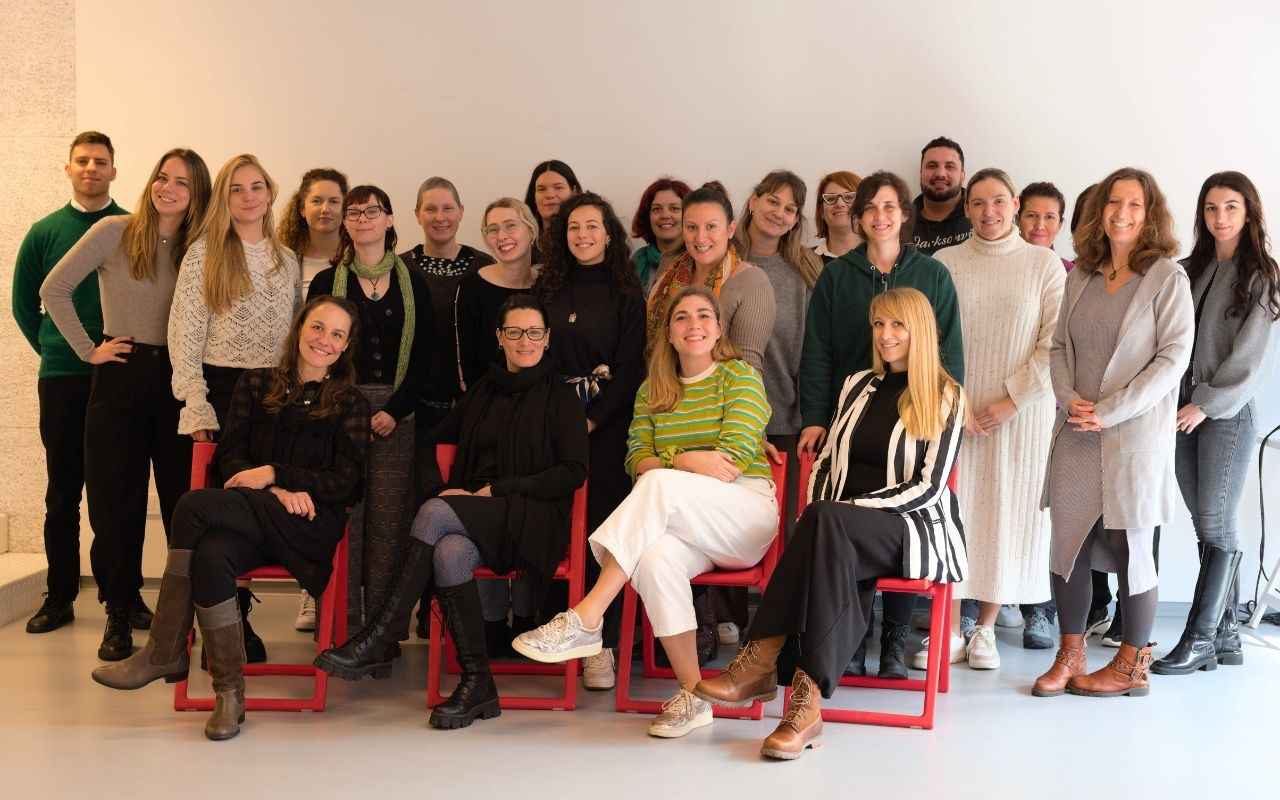
What changes when people decide not to turn a blind eye to environmental problems? When concern turns into a report, a report into action, and expert data into concrete decisions that protect nature and the environment?
Discover how, over the past decade, Sunce has grown beyond the scope of a traditional environmental organization and developed into one of the most important professional, social and advocacy actors in environmental and nature protection in Croatia. In a period marked by institutional undercapacity, weak oversight, pressure on space and natural resources, and a gap between formally adopted green goals and their implementation in practice, Sunce did more than simply point out problems. It developed solutions, produced expert analyses, empowered citizens and participated in shaping decisions that affect our environment.
Education for understanding
Environmental and nature protection begins with understanding. Because when we understand what is happening around us, it is easier to recognize a problem and decide what we can do. That is why Sunce has been investing in the education of children, young people, teachers, stakeholders and the wider public for years.
From 2015 to 2025, more than 14,000 direct beneficiaries participated in Sunce’s educational programs, including almost 12,700 children and young people and 1,700 educational professionals and mentors. The programs were implemented in cooperation with 85 educational institutions, including kindergartens, primary and secondary schools, and higher education institutions.
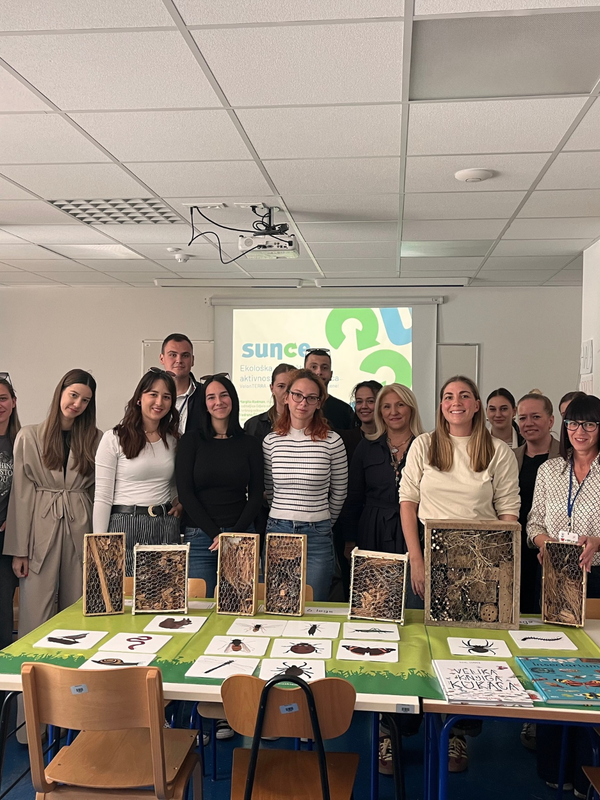
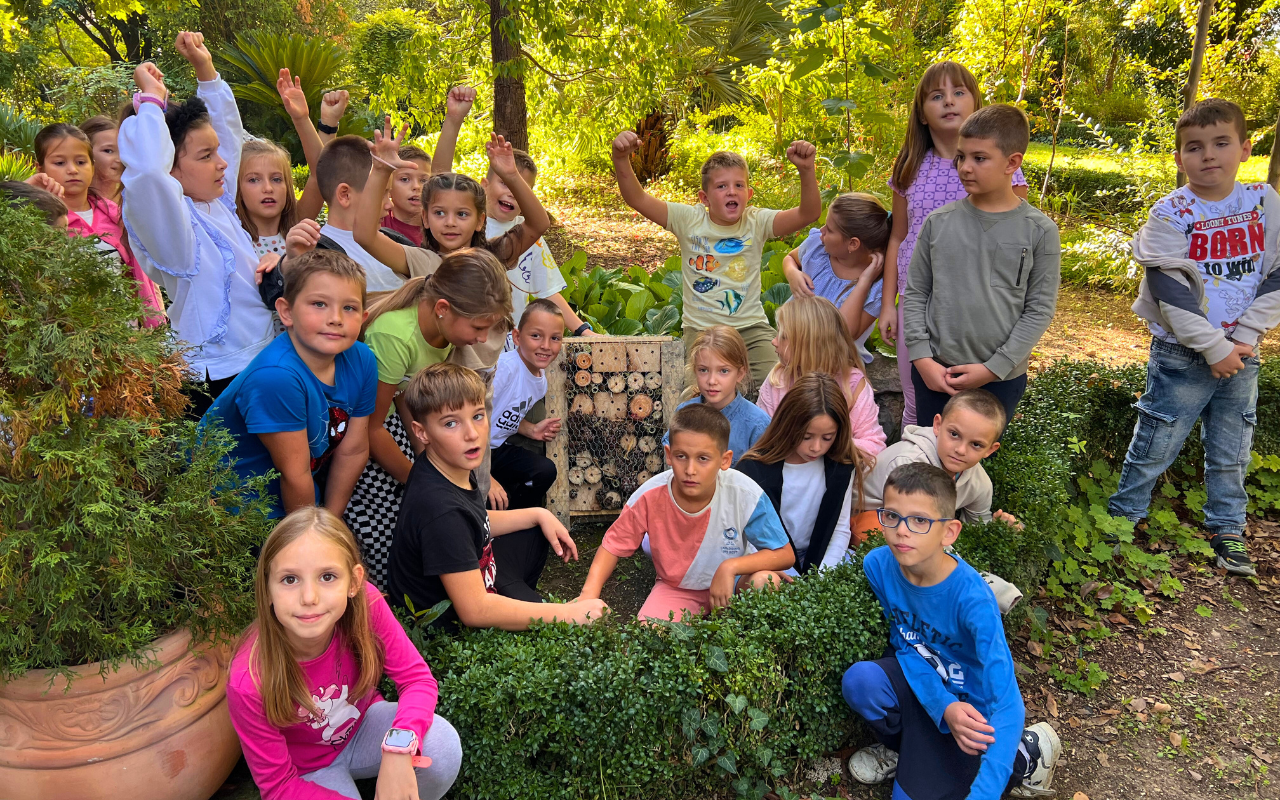
Over the years, Sunce has developed a recognizable learning model based on experience and active participation. Through fieldwork, workshops, school projects, volunteering and concrete community actions, participants in the educational programs had the opportunity to investigate problems themselves and seek solutions.
The quality of this approach is also confirmed by external assessments: 84% of the criteria for the SKOCKANO label were met, and one program was officially verified by the Education and Teacher Training Agency.
By developing environmental literacy, practical skills and knowledge for participation in the protection of the public interest among almost all age groups, Sunce contributed to expanding environmental knowledge and creating conditions in which it can be passed on: to schools, families and local communities.
When environmental issues become part of the public conversation
For change to happen, environmental problems need to be talked about. Expert data and field experience gain additional value when they reach citizens, spark public interest and help people understand why protecting nature and the environment matters to all of us.
Over the past decade, Sunce organized 245 public events (the Plasticamente exhibition, the Split Bike Tour, the Swap Fair, volunteer actions…) with an estimated 36,000 participants and generated around 2,600 media reports in more than 500 media outlets. The overall volume of media communication more than tripled compared with the previous decade.
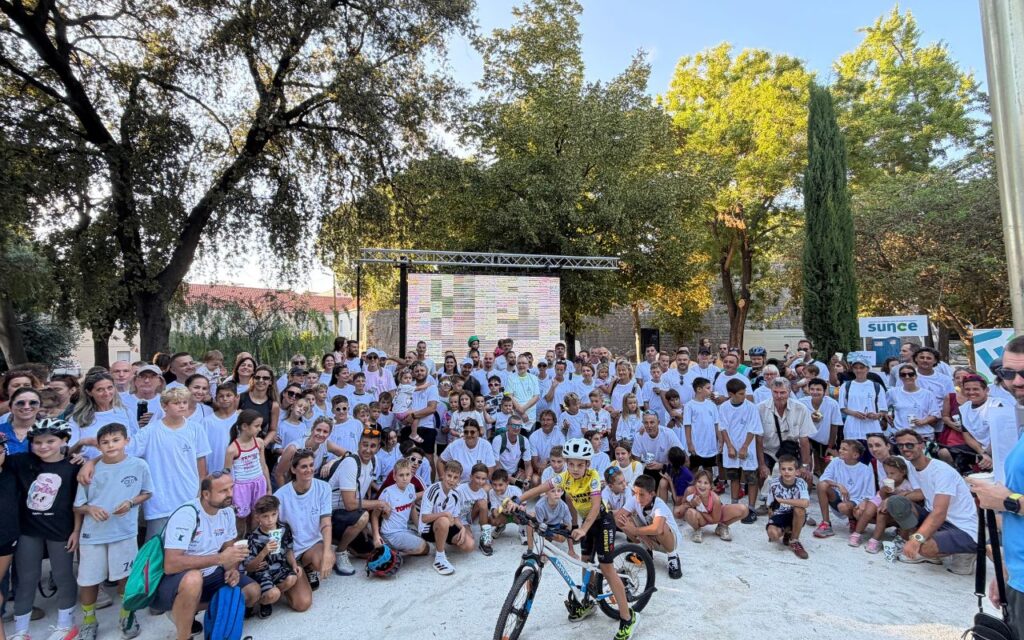

These results show how important it is to talk about environmental problems and bring them closer to people. Public communication thus connects expert knowledge with citizens’ experiences and encourages them to get involved.
Because when problems are discussed, when we understand what is happening and when we hear other people’s experiences, space opens up for participation. Public communication thus becomes a bridge between expert knowledge, citizens and concrete change.
When citizens’ concern becomes concrete action
Illegal waste disposal, pollution, destruction of green spaces or other environmental problems often begin as something noticed by an individual. But what happens when that individual does not know whom to contact or how to initiate change?
This is where Sunce’s Green Phone comes in. The Green Phone connects citizens with the relevant institutions, legal mechanisms and public advocacy. Through the Green Phone, citizens can turn their concerns into concrete action and the protection of the public interest.

During the decade under review, Sunce received more than 2,600 citizen reports, mostly from the Split-Dalmatia and Dubrovnik-Neretva counties covered by Sunce’s Green Phone. The average rate at which reports could be resolved was between 70 and 80 percent.
Behind these figures are very concrete cases. The Green Phone provided citizens with support in cases related to the concrete development and landfilling of the coast of Central Dalmatia, illegal waste dumps and waste management, pollution and health protection issues in the Northern Port and Vranjic, and in the Moby Drea case, when in 2025 it responded to citizens’ reports and warned about the risks associated with asbestos removal. In cases such as Vruja, citizen reports, expert support and public pressure contributed to exposing the problems of illegal construction.
This shows how important it is for citizens to have support when they want to take action.
The Green Phone also connects environmental organizations which, through the Green Phone Network, exchange experiences and knowledge and seek to resolve numerous environmental problems throughout Croatia. The right to a clean, healthy and sustainable environment is not only a matter of regulations; it is also important that there is an opportunity to enforce them in practice.
Data that become protection for our sea
During the period under review, Sunce mapped more than 350 km² of seabed, produced more than 1,000 diving profiles and conducted more than 50 research field trips. From 2021 to 2023, it coordinated the development of 11 management plans for 26 protected areas and 71 Natura 2000 ecological network areas.
And in 2025, based on the new National Marine Habitat Map and the knowledge gathered by Sunce, as well as by other experts, Croatia designated 79 ecological network areas for the conservation of Posidonia, two areas for the conservation of seabirds, and the “Rt Stupišće” Special Marine Reserve.

Behind these results are years of professional work, research and cooperation. But their importance lies not only in the amount of data collected. What matters is that knowledge from the field can be transformed into official plans, management decisions and concrete protection of marine habitats.
Over the past ten years, Sunce has thus gradually moved from warning about problems toward actively participating in finding solutions. Through professional work and cooperation, it contributed to ensuring that nature protection does not remain a goal on paper but becomes part of concrete decisions and practices.
Waste cannot be solved through clean-up alone
Environmental protection also entails changes in the way we produce, consume and manage resources and handle waste. In cooperation with various stakeholders, concrete solutions were developed to implement priorities in waste management, reduce the use of single-use plastics and promote the circular economy.
As part of initiatives such as Plastic Smart Cities and For Plastic-Free Croatian Islands, Sunce worked with local communities to reduce plastic, develop action plans and introduce concrete measures.


To highlight the scale of the problem and its impact on the sea, we continuously organized clean-up actions, collected data on marine litter in cooperation with scientific institutions and other stakeholders, while at the same time providing education to numerous target groups, including fishers.
Change requires changing the rules
Environmental protection does not end in the field. For changes to be long-term, it is also necessary to influence the way decisions are made and implemented.
From 2015 to 2025, Sunce recorded 117 interventions in public policies, of which 37 were self-initiated contributions. It also achieved 110 formal interactions and meetings through more than 35 working bodies at the local, regional, national and international levels.
Such work includes participation in shaping professional standards, plans, procedures and implementation solutions. In doing so, Sunce connected expert knowledge with the needs of communities and sought to ensure that environmental and nature protection is implemented in practice as well.
However, the impact is not equal in all areas. Expert comments and analyses can play a significant role in technically complex processes and regulated areas when various implementing acts are being adopted. However, the influence of Sunce’s arguments is weaker in sectors characterized by strong economic interests, such as spatial planning, energy and tourism. Therefore, long-term changes in environmental and nature protection depend on the quality of the proposed solutions, but also on sufficiently strong social support for their implementation.
A community that enables us to do more
None of these changes happen overnight. They require people, knowledge, time, cooperation and an organization capable of acting over the long term. Sunce has therefore grown significantly as an organization over the past decade.
Total revenues increased from EUR 389,000 in 2015 to almost EUR 1,463,000 in 2025, while the number of full-time employees increased from 10 to almost 23 employees. The number of projects increased from 82 to 172, while the total value of the project portfolio exceeded EUR 11 million.
The development of Sunce can also be seen in the growth of the community behind its work. The number of members increased from 222 to 498 between 2015 and 2025, while the number of volunteer hours increased from 1,848 to 4,875 in 2025.


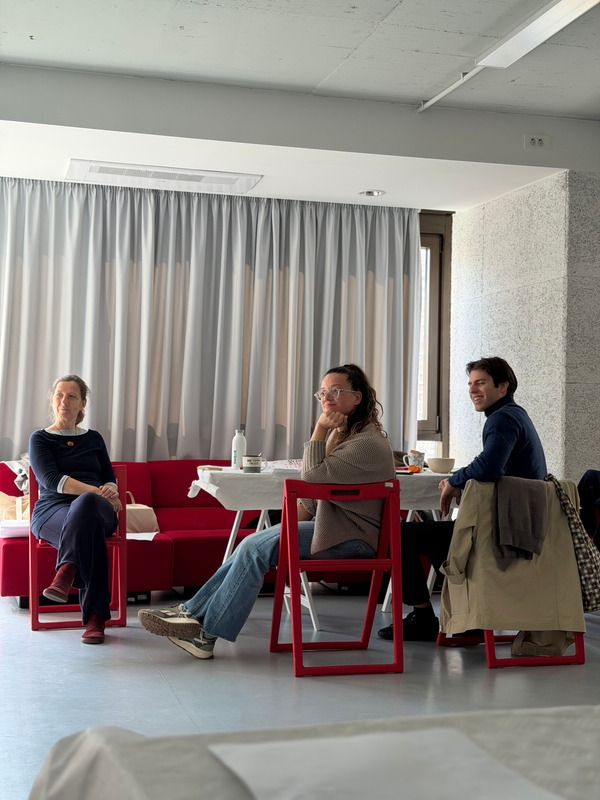
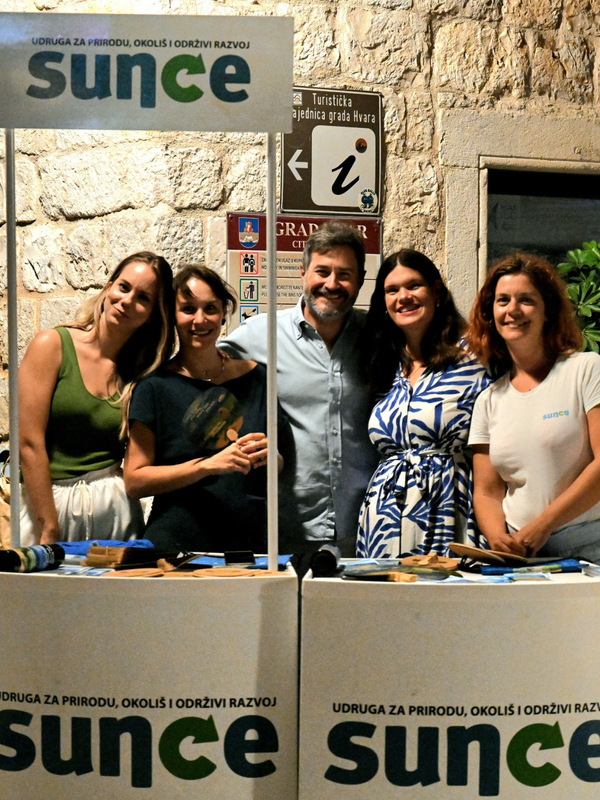
Behind these figures are motivated people who decided to invest their time, knowledge, experience or support in something that goes beyond the individual. These are people who believe that environmental protection is a shared responsibility and that everyone can contribute to change.
For the next ten years, let’s make a difference together!
The Impact Assessment Report of the Association for Nature, Environment and Sustainable Development Sunce – prepared at Sunce’s request by Marina Škrabalo, an expert in the evaluation of nonprofit and development programs and organizations – showed how much Sunce has changed and how many different areas of society it has reached through its activities from 2015 to 2025.
From education and public communication, through civic activism, nature protection and concrete solutions for environmental protection and sustainable development, to influencing public policies. The assessment showed that behind Sunce’s achievements is the combination of expert knowledge, persistence, cooperation and people who believe that change is worthwhile.
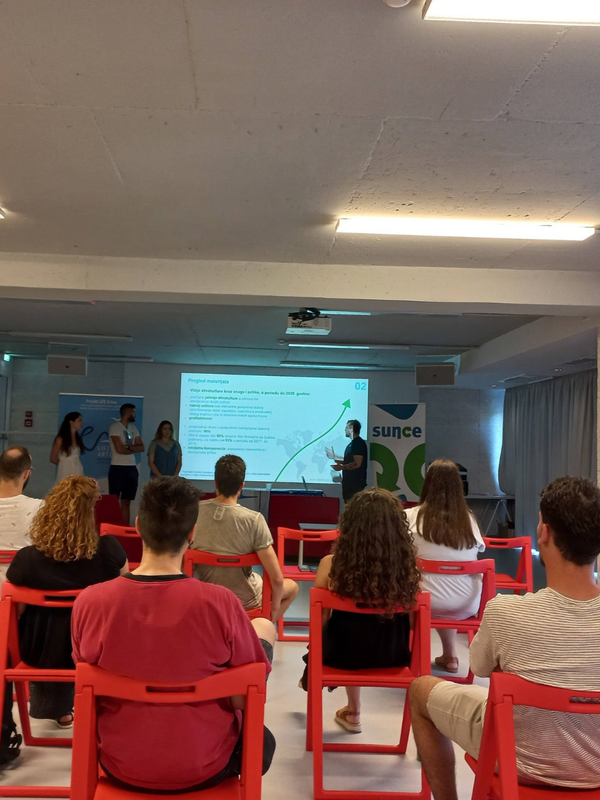
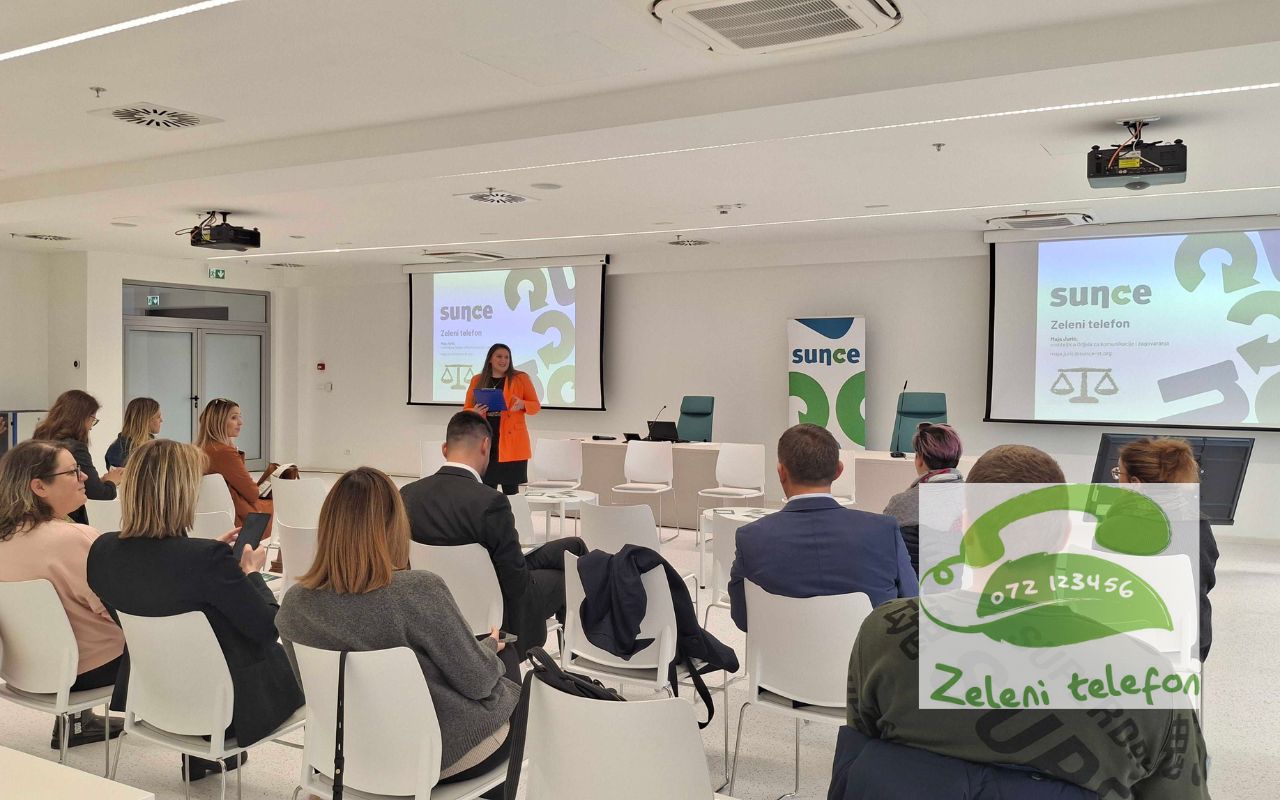
But the changes we want to see in the future do not depend solely on the work of one organization. Sunce needs people who will get involved, recognize their role and, together with others, build a society that cares for nature and the environment.
That is why we invite everyone who believes that change starts with us to join us. Become a member of Sunce. Support work that turns knowledge into action, and collective action into lasting change.
Because what we have achieved together over the past ten years shows how much we can accomplish when we come together around a common goal.
…and for the next 10 years, let’s make a difference together!
You can read more about the results of Sunce’s ten years of work, the conclusions and recommendations for the future in the full Impact Assessment Report of the Association for Nature, Environment and Sustainable Development Sunce.