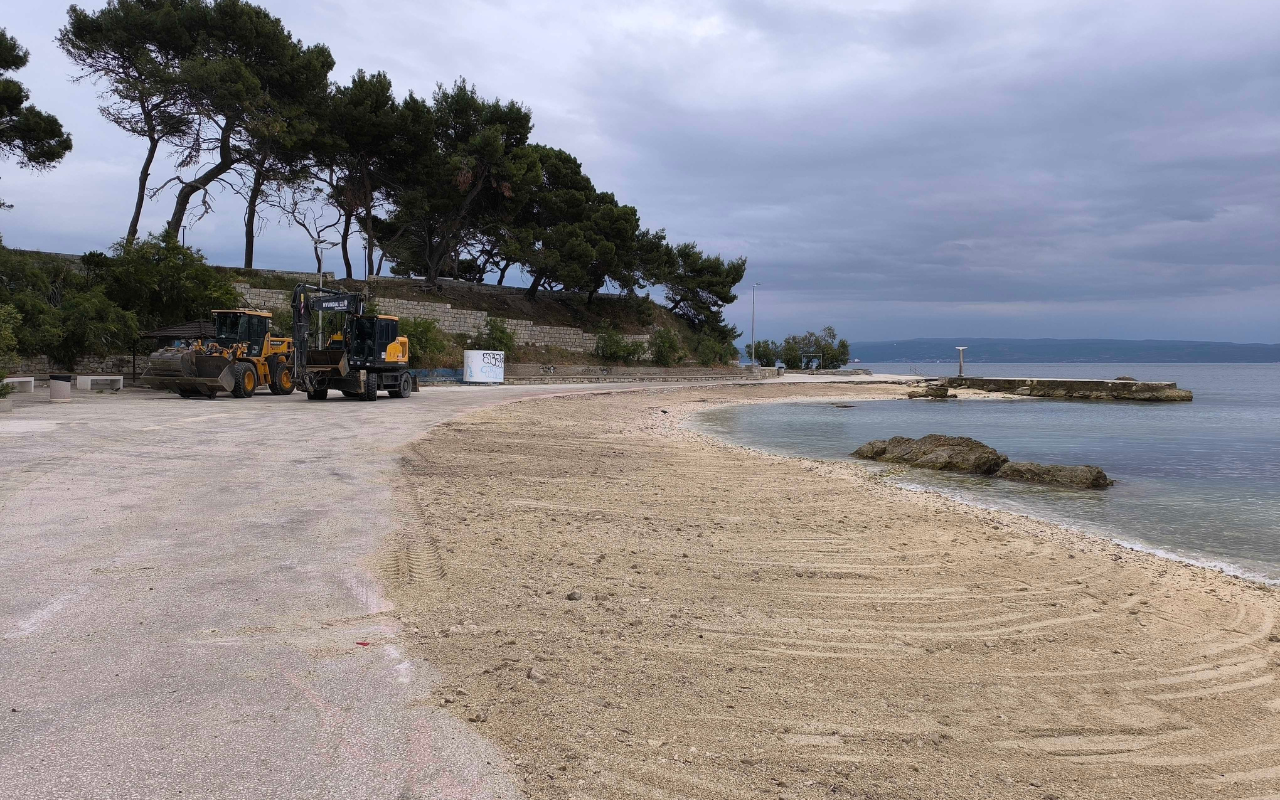
With the arrival of summer, many of us imagine the perfect day at the beach: turquoise sea, fine pebbles, and postcard-like scenery. However, natural coastlines rarely look perfectly groomed. They often contain dried posidonia leaves, pebbles, and rocks of various sizes, and during winter, beaches naturally shrink due to wave action, especially during storms.
That is why the recent comment we received may not be so surprising: “Beaches look wonderful after nourishment, so why is beach nourishment such a big issue?”
Why beach nourishment is not merely a question of aesthetics and beauty, but also of function and natural balance, which often go unnoticed at first glance, is explained below.
Biological and geological heritage
At first glance, natural beaches may appear imperfect, but their true value lies precisely in this natural diversity. Natural beaches are not just places for swimming and tourism; they are part of valuable coastal heritage, both biological and geological. Their sediment, shape, and natural dynamics have developed over thousands of years under the influence of land on one side and the sea on the other.
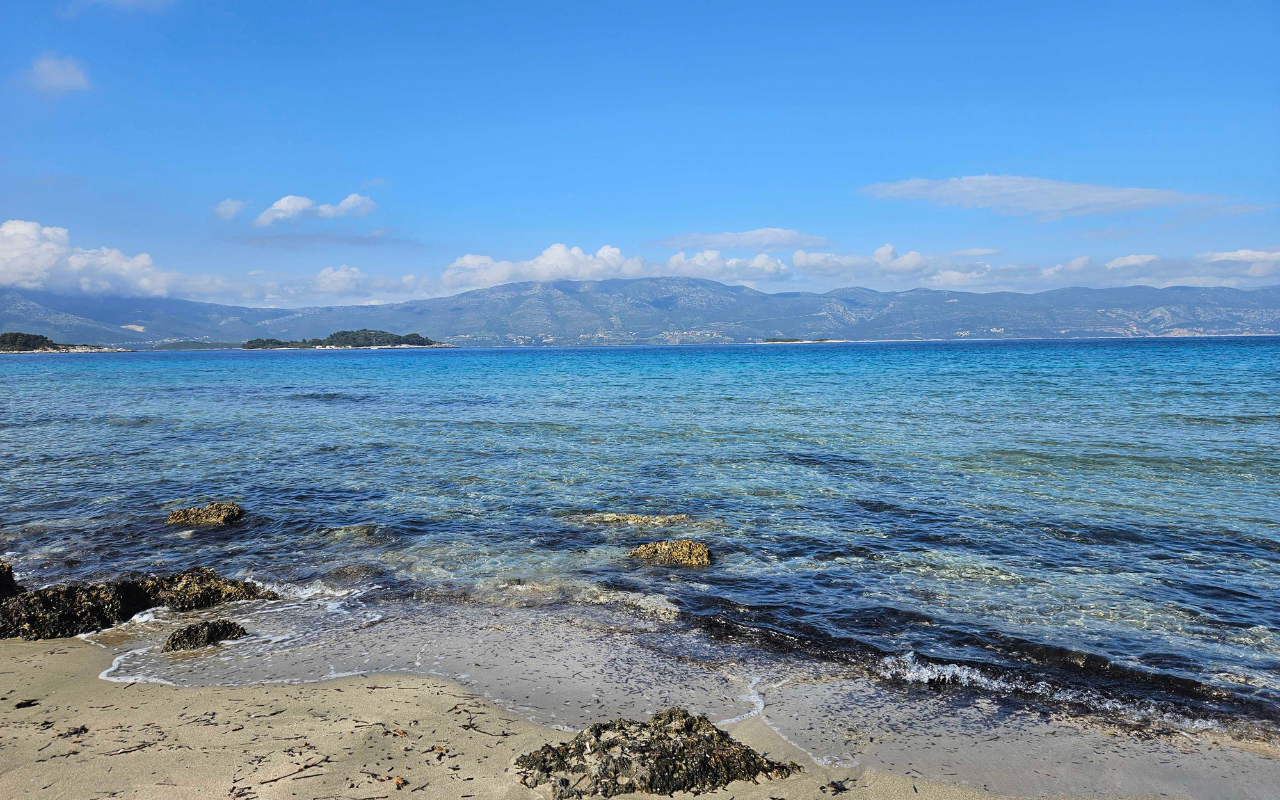
– Croatia has rare examples of biogenic sand on certain beaches, formed from the remains of living organisms rather than from the breakdown of rocks. While this may be common in tropical regions, it is truly rare in Croatia. Natural beaches are sensitive systems that can be permanently altered or destroyed by erosion, excessive construction, and inappropriate beach nourishment, – explains marine geologist Kristina Pikelj.
Why are beaches nourished and replenished?
To protect the coastline from erosion or adapt it to tourism demands, beach nourishment and replenishment projects are carried out along the Adriatic coast. Although these terms are often used interchangeably, there is an important difference between them.
Beach replenishment is implemented to protect against erosion, while beach nourishment is most often aimed at expanding the coastline for public use and is therefore commonly presented as “beach improvement.” In practice, however, the boundaries between these activities are often blurred, so interventions simultaneously alter both the appearance and the natural processes of beaches.
– The problem often arises from the use of unsuitable material for nourishment. The grain size, composition, and cleanliness of the sediment determine how a beach behaves under natural conditions. When material that is not naturally present at the location is used, sediment movement changes, and the natural coastal dynamics are disrupted. The consequences do not affect only the beach itself, but the entire coastal system, – Pikelj points out.
Impact on the marine environment
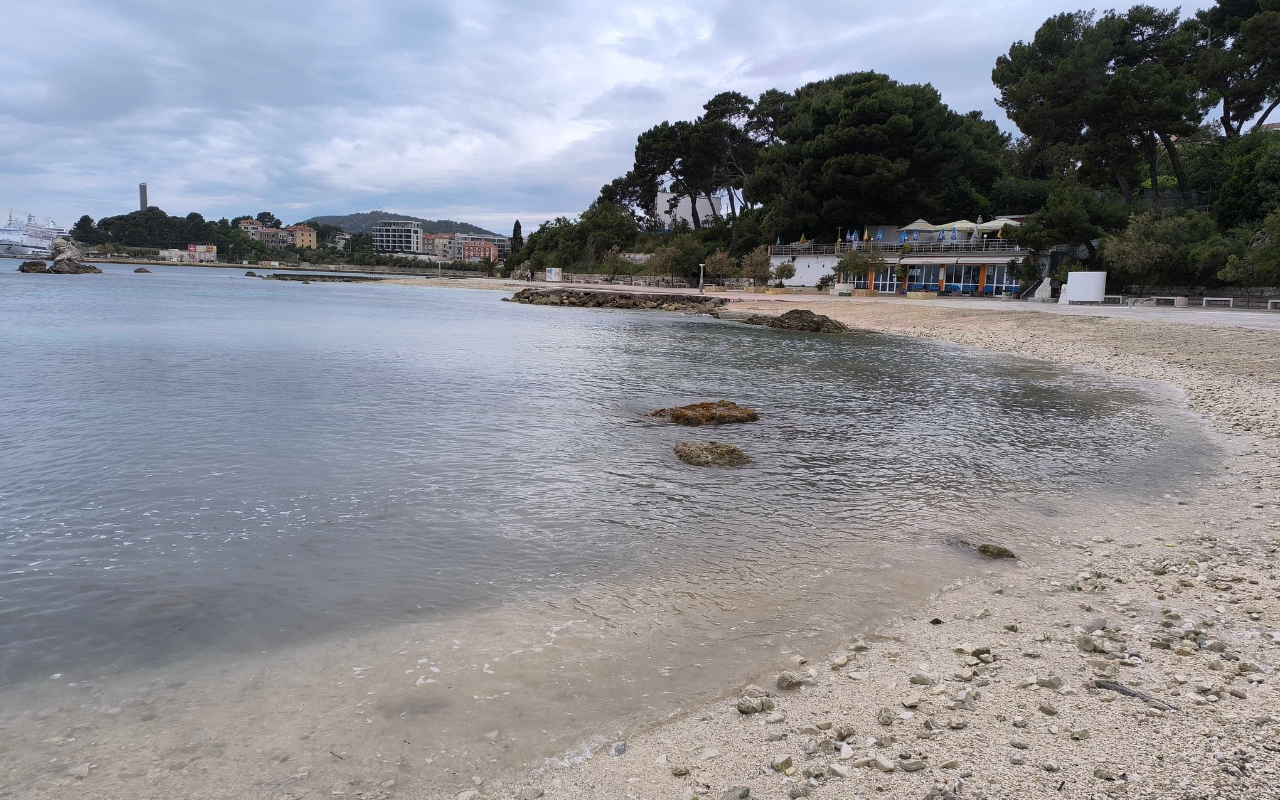
One of the first visible consequences of inappropriate beach nourishment in coastal areas is increased water turbidity. Beach nourishment and replenishment introduce fine sediment particles into the water column, reducing water clarity and the amount of light penetrating the sea. This particularly affects organisms that depend on light for photosynthesis, as well as the food web within marine ecosystems.
The seabed is a complex and living system inhabited by numerous and highly diverse organisms adapted to the specific conditions provided by natural sediment. Changes in the structure and composition of the seabed can therefore lead to burial, die-offs, displacement, and long-term habitat degradation.
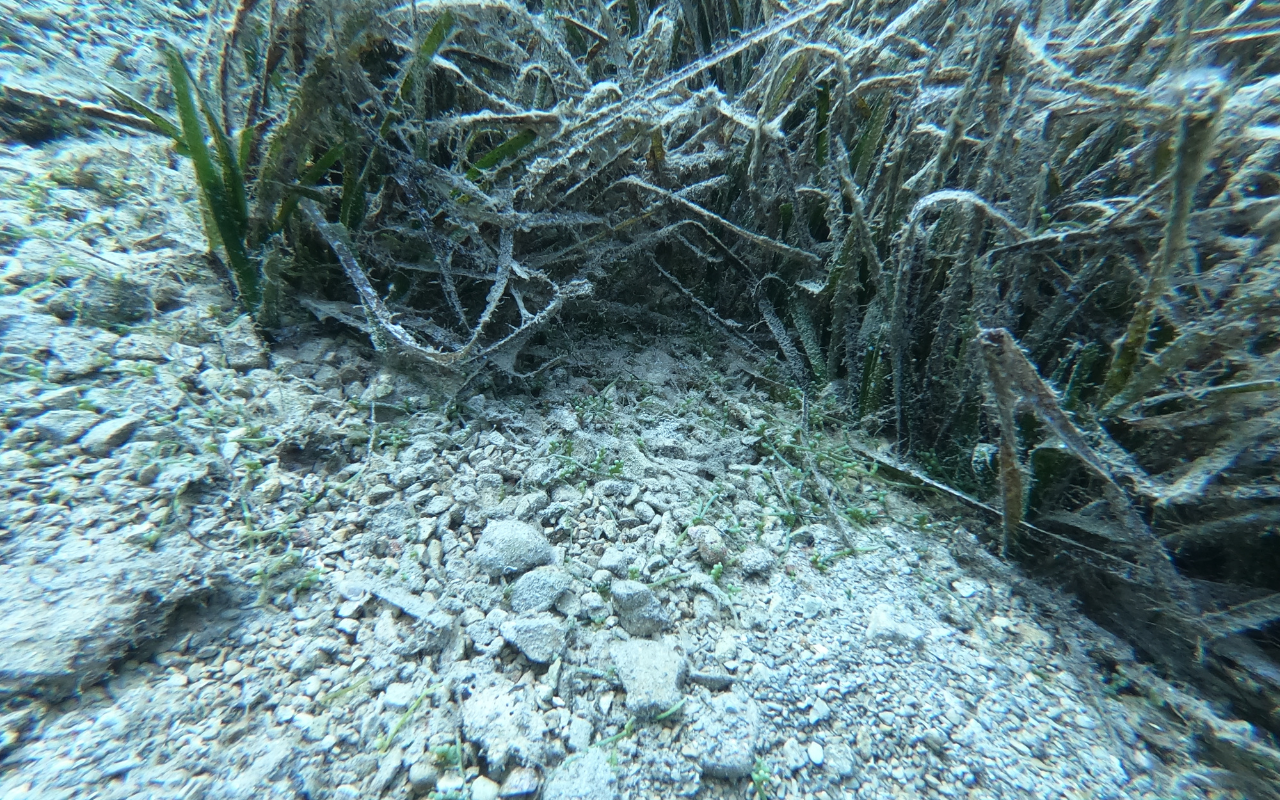
Particularly vulnerable are posidonia meadows (Posidonia oceanica), an endemic Mediterranean seagrass species. Posidonia plays a key role in oxygen production, stabilizing marine sediment, creating new sediment, and protecting coastlines from erosion when its dry leaves accumulate on the shore. Increased water turbidity and sediment burial can significantly slow its growth or lead to its disappearance. Since Posidonia recovers very slowly, the consequences of such interventions may last for decades.
What many people perceive on beaches as “piles of dry leaves” is actually a natural protective layer. Posidonia leaves washed ashore help retain sediment and reduce erosion caused by waves, thereby contributing further to the stability of the coastal system.
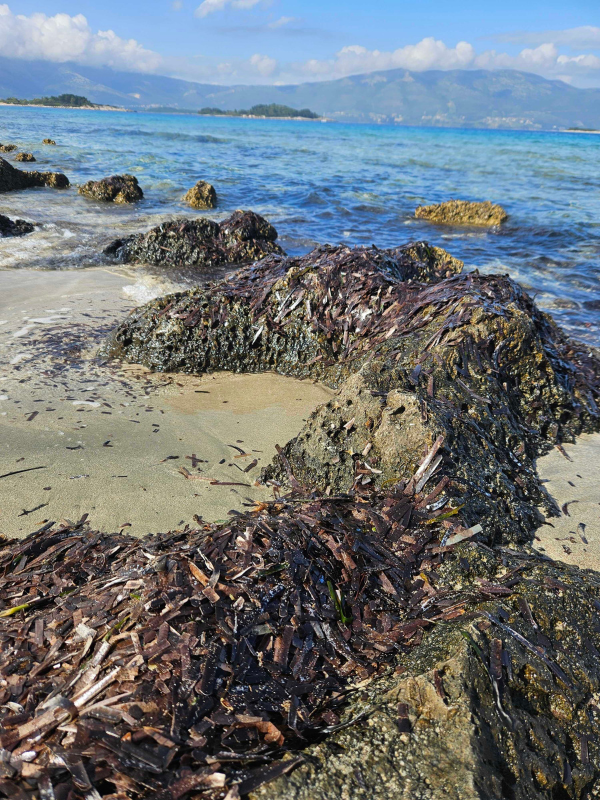
– In addition to ecological impacts, beach nourishment along coastlines can also increase coastal instability in the long term. If the material is too fine, the sea quickly washes it away, while overly coarse material alters the natural movement of waves and sediment. In both cases, the natural balance is disrupted, – our interviewee explains.
The Adriatic cost today
Beach nourishment and replenishment projects are increasingly common along the Adriatic coast, in some cases even every year. Although the quantities of material used are relatively small compared to other countries, the frequency of these interventions shows that this has become an ongoing practice rather than an exceptional measure. It is estimated that around 17% of Croatia’s coastline has already undergone some form of beach replenishment and/or nourishment.
– Additional pressure on the coast also comes from climate change and sea level rise. Under such conditions, natural coastal habitats attempt to gradually shift inland. However, problems arise when space is physically restricted by excessive construction and concrete development. In such circumstances, beaches no longer have the natural space needed to migrate inland and may gradually disappear, – warns Pikelj, who is currently conducting research within Sunce’s ASPEH – Adriatic SPEcies and Habitats of Coastal Areas project, focusing on the habitat type ‘muddy and sandy bottoms not covered by seawater at low tide.’
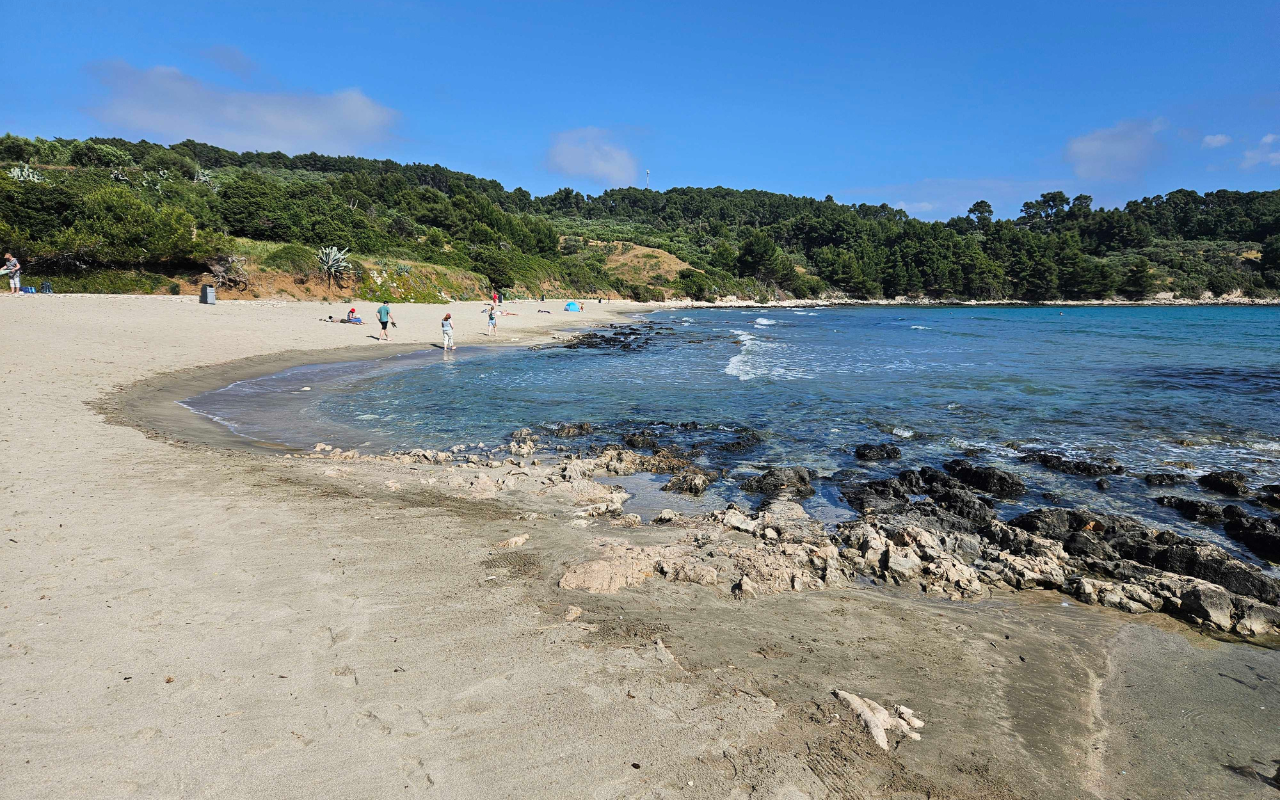
– Natural beaches are not merely places for swimming and recreation; they are also important habitats for numerous plant and animal species and form part of the identity of our Adriatic coast. The goal is not for beaches to remain completely ‘untouched,’ but rather to better understand the processes that shape them and the consequences that coastal interventions may have on nature, – Pikelj emphasizes.

Natural does not mean untidy, but balanced
Protecting the coastline does not depend solely on institutions and experts; citizens also play an important role. Even small changes in the way we perceive natural beaches can make a difference. Posidonia on the shore is not waste, and a natural beach does not need to look “perfectly groomed” to be valuable.
It is important to stay informed about coastal interventions and pay attention to changes observed along the shoreline. If citizens notice inappropriate beach nourishment, coastal degradation, or other environmentally harmful activities, such cases can be reported anonymously through the Green Phone service by calling 072123456, via email at[email protected], or through Sunce’s social media channels. The Green Phone service is co-financed through the project “Together – Through Voice and Action for the Environment,” funded by theImpact4Values 2.0 program.
Let us remember that a beach is not merely a space used for human enjoyment. It is a dynamic and sensitive system that protects the coastline, provides habitat for numerous organisms, and constantly responds to environmental changes. That is precisely why natural does not mean untidy, it means balanced.

Funded by the European Union. The views and opinions expressed are those of the author(s) and do not necessarily reflect the views and opinions of the European Union or the European Education and Culture Executive Agency (EACEA). Neither the European Union nor EACEA can be held responsible for them.