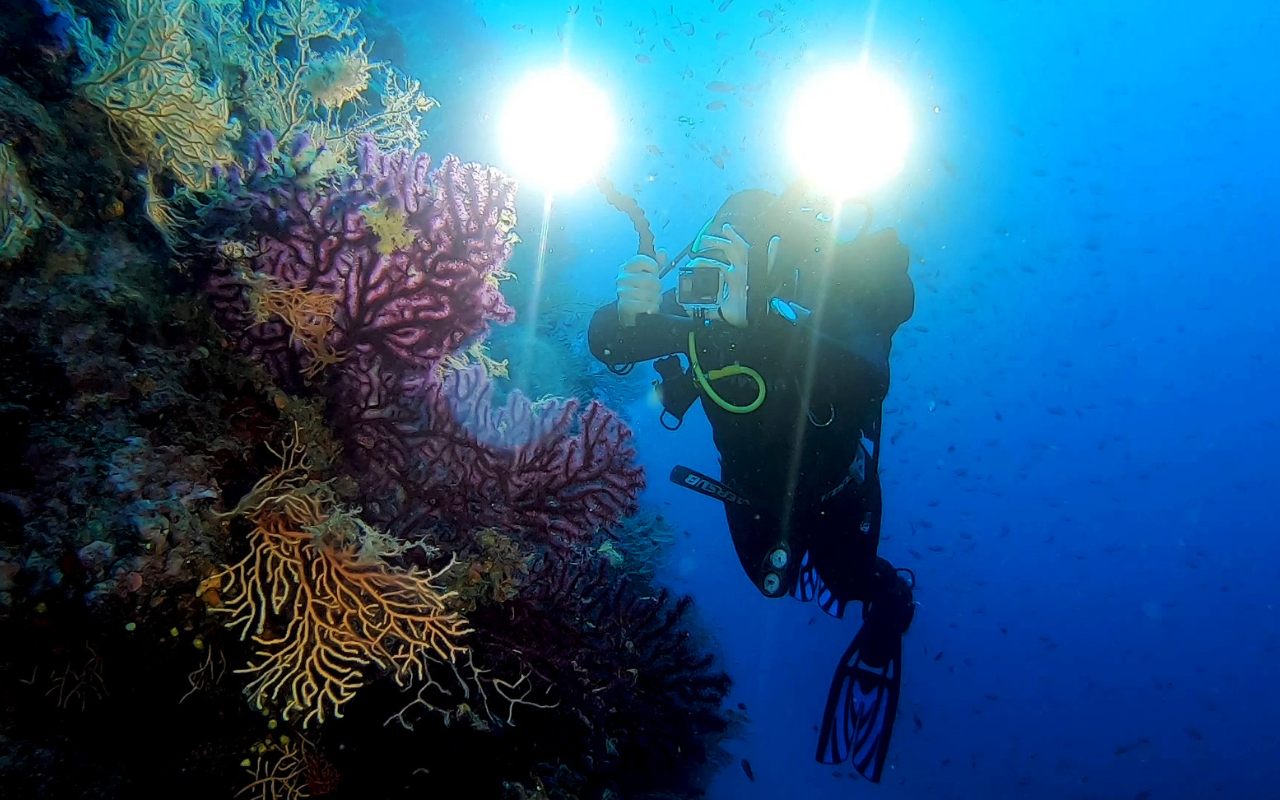
Seafloor architects.
Creatures of remarkable forms and functions.
Silent builders of the underwater world, creating hidden “cities” of life for centuries.
If you dive a little deeper into a world of vivid colors and marine twilight, you will discover a thriving community of corals, gorgonians, sponges, bryozoans, and many other organisms that shape one of the richest habitats in the Mediterranean.
But could these underwater architects become yet another victim of climate change?
On June 1st, the world marks World Reef Awareness Day, celebrating ecosystems that most people associate with Australia, the Caribbean, or tropical oceans. The first image that often comes to mind is the Great Barrier Reef, the largest coral reef system in the world, stretching over 2,300 kilometers and home to thousands of species of fish, corals, mollusks, and other marine organisms. Tropical coral reefs occupy less than one percent of the ocean floor, yet they support nearly a quarter of all marine species on the planet. This is why they are considered one of the most important centers of marine biodiversity.
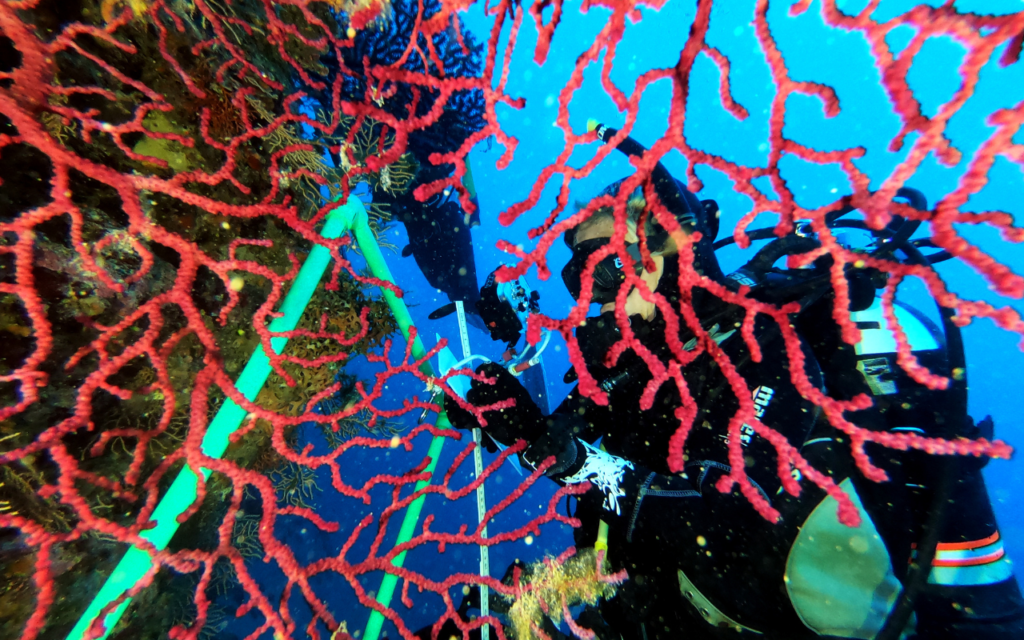
Adriatic Corals – Hidden Biodiversity
However, the world of corals is not limited to tropical seas.
Although the Adriatic does not have tropical reefs like those of the Caribbean or Australia, its underwater realm harbors its own coral ecosystems. One of the most remarkable is found in the Great Lake within Mljet National Park, where the colonial stony coral Cladocora caespitosa forms one of the largest known coral reefs in the Mediterranean.
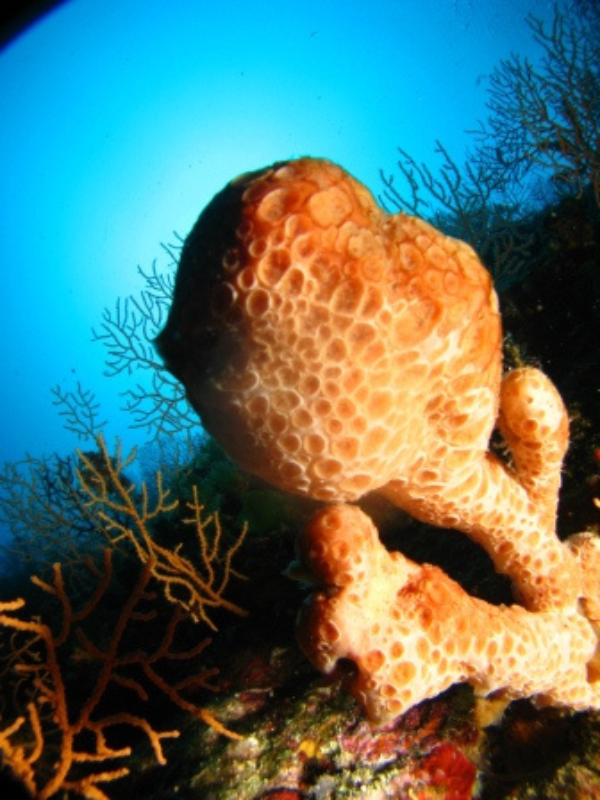
This coral grows extremely slowly—only a few millimeters per year—and the colonies found in the Great Lake today are hundreds of years old. The reef covers an area of approximately 650 square meters at depths ranging from six to eighteen meters. Like tropical corals, Cladocora builds solid limestone structures that provide shelter for numerous organisms, including fish, crustaceans, mollusks, and other invertebrates.
Coralligenous Habitats – Underwater “Cities of Life”
Yet much of the Adriatic’s underwater wealth lies somewhat deeper, within a community known as the coralligenous habitat.
Coralligenous assemblages are among the most valuable and complex habitats in the Mediterranean Sea. They develop at depths between 20 and 120 meters, where only a small fraction of sunlight penetrates. Unlike many marine organisms, coralligenous species thrive away from light. Biologists refer to them as sciaphilous organisms—species adapted to life in the shade. The amount of available light is one of the key factors influencing the development of coralligenous habitats.
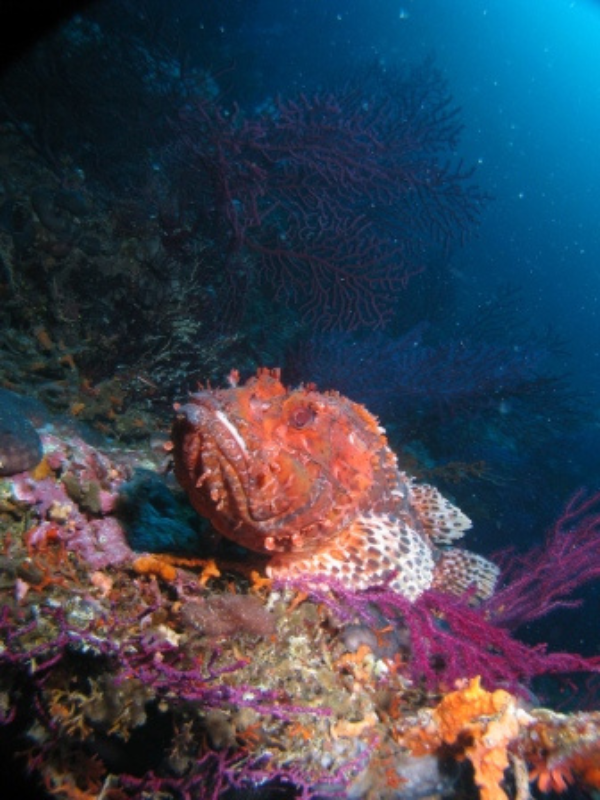
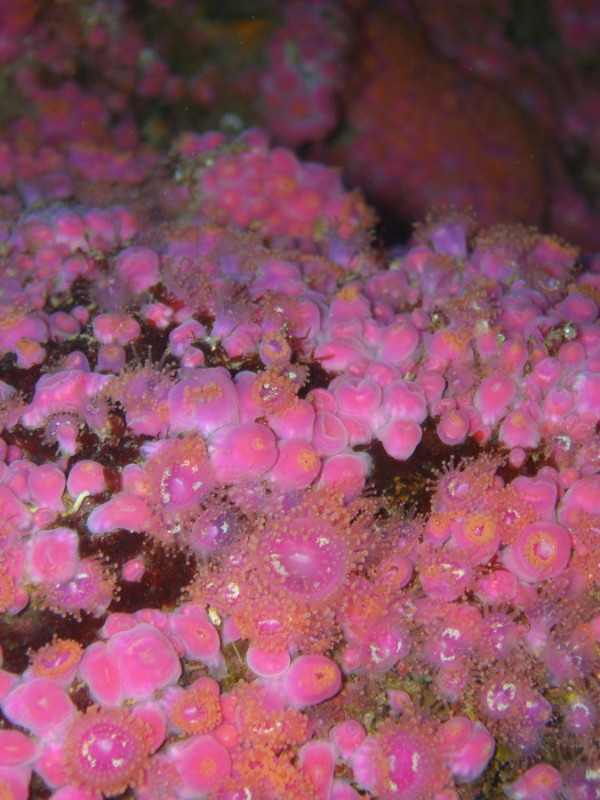
The coralligenous habitat is endemic to the Mediterranean Sea, meaning that this type of ecosystem does not occur anywhere else in the world. It is built primarily by calcareous red algae of the family Corallinaceae, which incorporate calcium carbonate into their structures as they grow, forming solid biogenic formations. Corals, sponges, bryozoans, and polychaete worms are also important ecosystem engineers. Together, they create intricate underwater “cities” filled with crevices, tunnels, and cavities that provide homes for countless marine species.
It is estimated that around 1,600 species inhabit coralligenous habitats, making them the second richest habitat in the Mediterranean after seagrass meadows of Posidonia oceanica. Corals, sponges, and bryozoans dominate Adriatic coralligenous communities. Particularly notable are gorgonians, colonial corals that resemble underwater fans. Among the best-known species are Paramuricea clavata and Eunicella cavolini, while one of the symbols of the Mediterranean is undoubtedly Corallium rubrum, the red coral renowned for its intense color and centuries-long commercial exploitation.
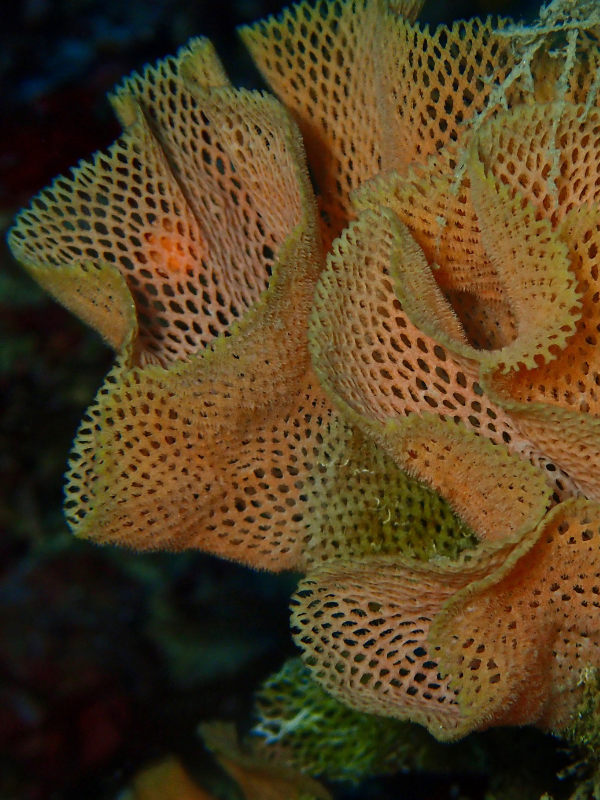
Coralligenous reefs are important not only for their beauty but also for their ecological role. Corals and associated organisms contribute to nutrient cycling and the formation of complex biogenic structures that increase habitat diversity and complexity. Their limestone frameworks provide shelter, food, and breeding grounds for numerous fish and invertebrate species. Lobsters, shrimps, octopuses, and many fish species such as scorpionfish and groupers find refuge within the crevices of coralligenous habitats. However, due to their complexity and slow growth, these communities are highly vulnerable to environmental change.
Corals on the Edge of Survival
Today, corals are among the most important indicators of climate change in marine environments. Over the past two decades, sea temperatures in the Adriatic have increased, particularly at depths of up to 50 meters, posing a serious threat to organisms adapted to stable conditions and lower temperatures. Species that require centuries to grow must now adapt to changes occurring within just a few decades.
Rising sea temperatures cause tissue necrosis in stony corals and, in some cases, the complete death of colonies. Particularly alarming is the condition of Cladocora caespitosa in the Great Lake on Mljet. Scientists have recorded coral bleaching when temperatures exceed 27°C. During this process, corals expel their symbiotic algae, known as zooxanthellae, in response to thermal stress. Without them, corals lose their color, weaken, and often die.
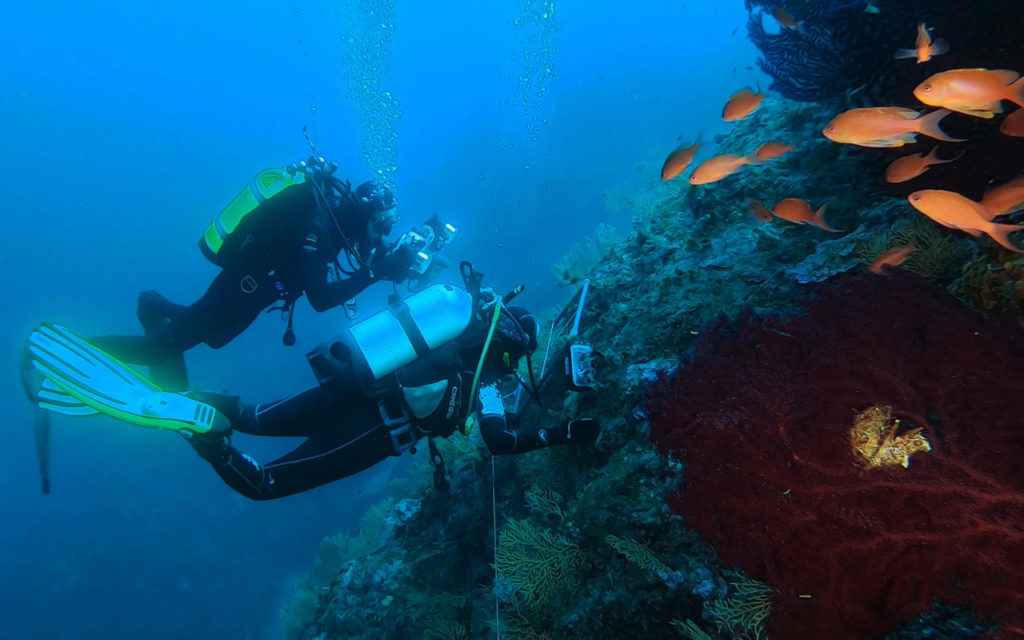
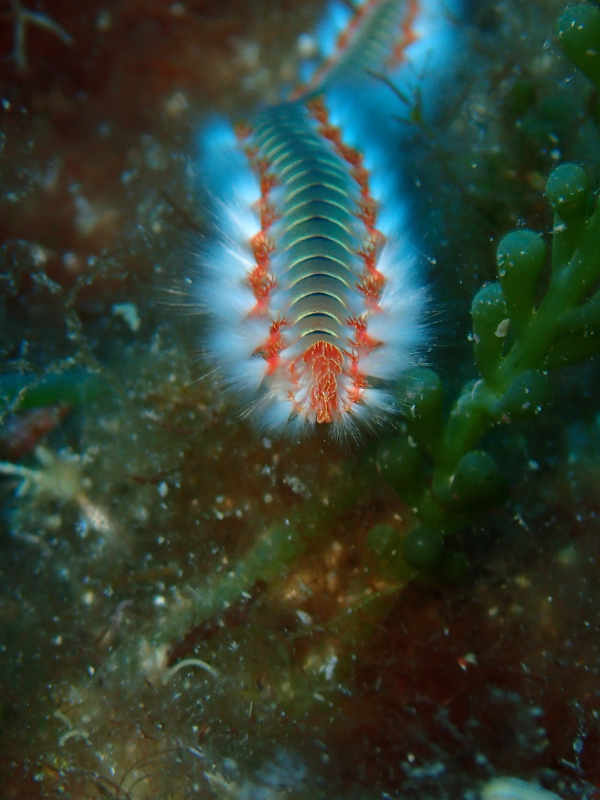
In addition to climate change, coralligenous communities face pressure from thermophilic species—species that are not invasive but whose northward expansion and successful reproduction are facilitated by warmer seas. One example is the parrotfish Sparisoma cretense, a species typical of warmer waters that feeds on algae by scraping them from rocky surfaces and coral structures, potentially causing mechanical damage to corals and other sessile organisms. Another increasingly common species is the fireworm Hermodice carunculata, a predator that feeds on gorgonians and stony corals. Further threats come from invasive algae such as Caulerpa cylindracea and Womersleyella setacea. These species gradually cover the seafloor, spread through coralligenous habitats, and smother sessile organisms including corals, sponges, and bryozoans.
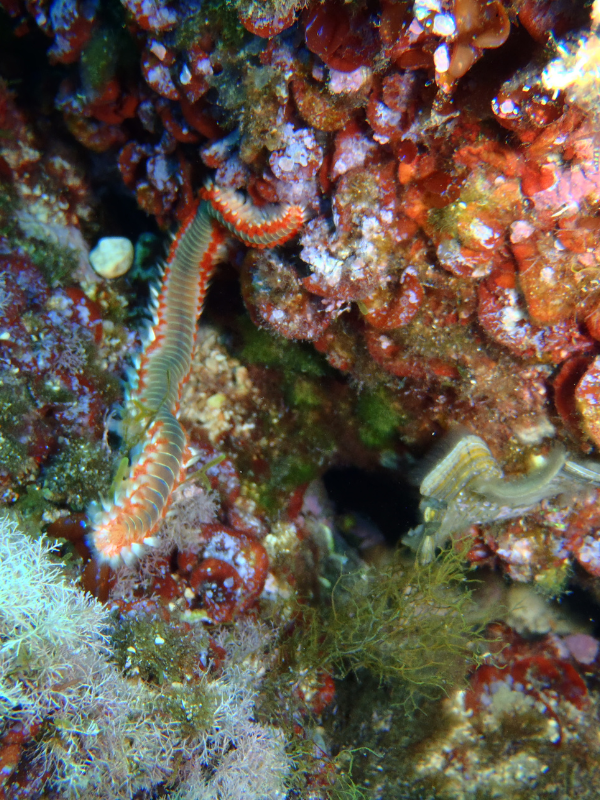
Additional pressures include anchoring, pollution, mechanical damage, and marine litter, which reaches even the most protected areas through ocean currents. Glass bottles, plastic waste, and other large debris have been found on the reef in the Great Lake, damaging coral colonies. Fishing nets pose another major threat, becoming entangled among gorgonians and corals and causing breakage and mortality. Particularly dangerous are so-called ghost nets—abandoned or lost fishing nets that remain in the marine environment for years, continuing to damage sensitive coralligenous organisms.
A Fragile Habitat on Which Many Species Depend
Despite all these threats, coralligenous communities and Adriatic corals remain among the most fascinating and least known worlds of the Mediterranean. Coral reefs are not merely a story of distant oceans.
Because of their vulnerability, the protection of coralligenous habitats is becoming an increasingly important focus of scientific research and marine conservation projects. Within the framework of the The MedFund project, monitoring of coralligenous reefs around the Pakleni Islands and other valuable marine habitats will be carried out to assess their condition, track changes driven by climate change, and define long-term conservation measures. Particular emphasis is being placed on protecting sensitive coralligenous communities, which represent some of the most important biodiversity hotspots in the Adriatic.
These habitats are exceptionally sensitive, constantly changing, and characterized by numerous complex ecological interactions. Their protection is therefore essential for conserving many threatened species whose populations are increasingly declining under the pressure of global environmental change.
They exist in the Adriatic too—hidden in the marine twilight, silent and fragile architects of the underwater world whose fate increasingly depends on the changes we leave behind.