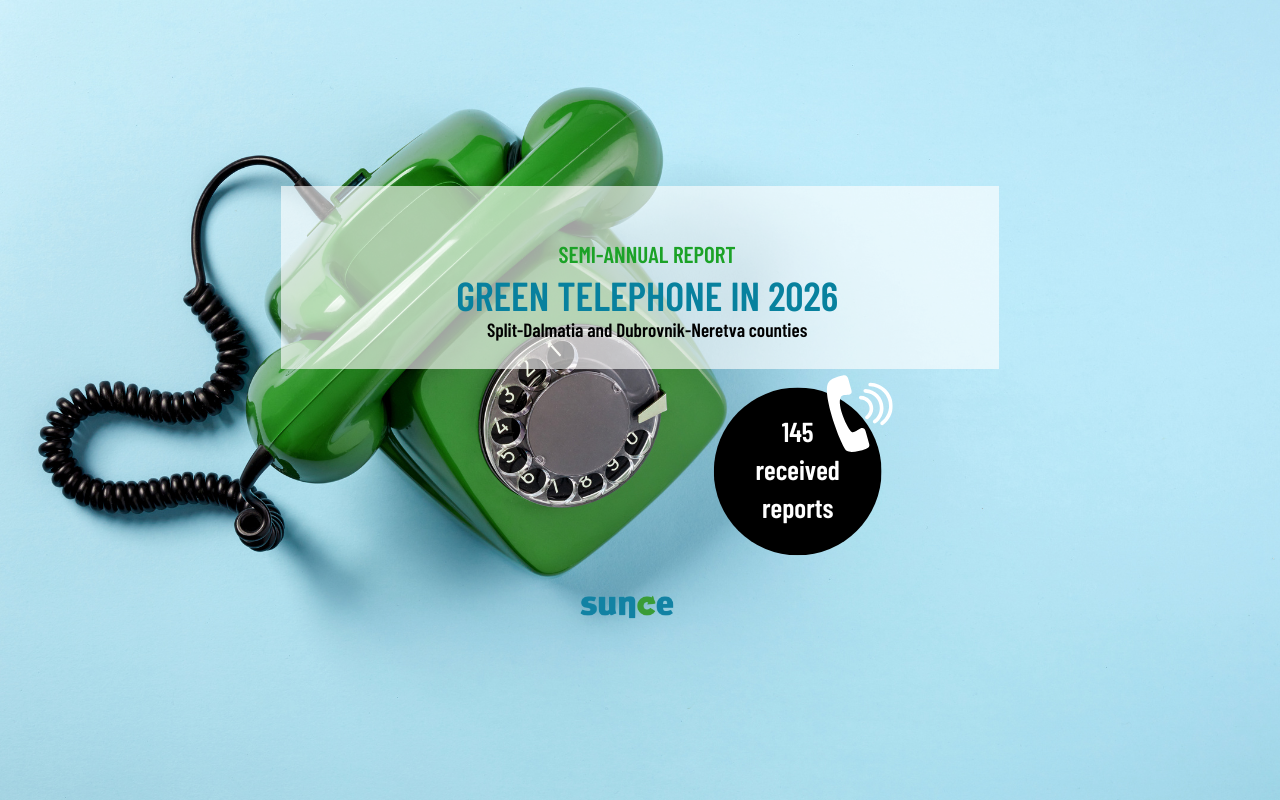
Citizens continue to actively report environmental problems
During the first six months of 2026, a total of 145 reports concerning various environmental issues were received through the Green Phone. Compared to previous periods, this represents a significant increase, with the number of reports nearly doubling.
The growing number of reports points to the service’s increased visibility and the trust citizens place in its work, but also to their growing willingness to actively participate in environmental protection and speak up about problems in their local communities.
By the end of June, 105 of the reported cases had been resolved, while the remaining cases were still being processed, particularly those requiring action by the relevant authorities and more complex administrative procedures.
Waste remains the most frequently reported environmental issue
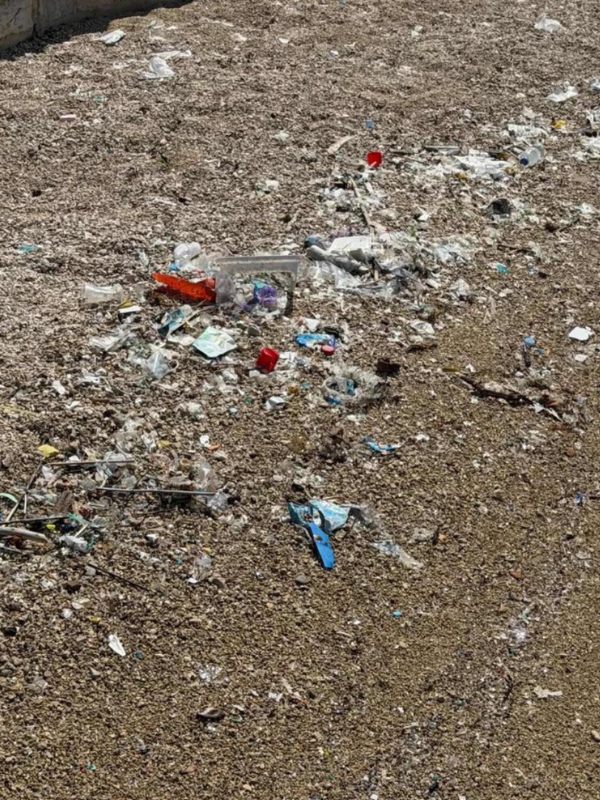
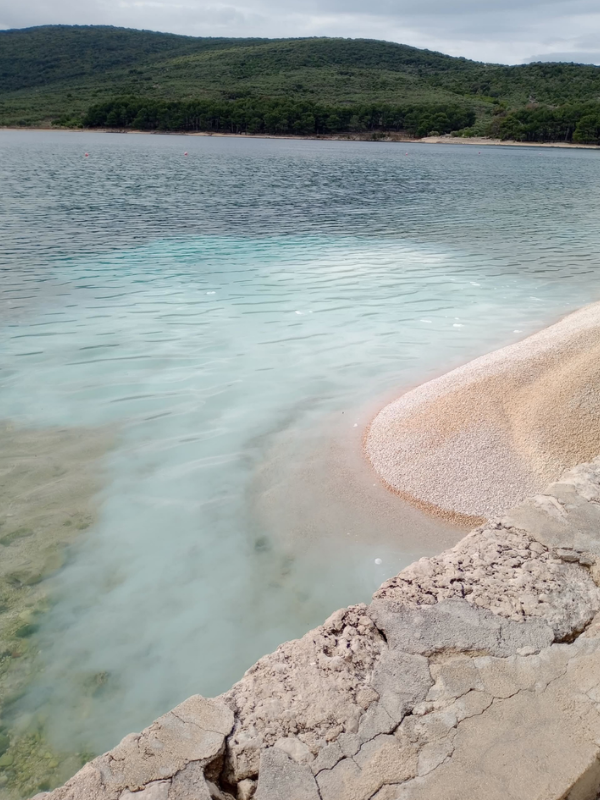
As in previous years, waste-related issues accounted for the largest share of reports, with 42 cases. This confirms that inadequate waste management remains one of the most pressing environmental challenges in the areas we cover. This was followed by reports concerning the sea, with 35 cases, while citizens also reported issues related to forests (16 cases) and green spaces (11 cases).
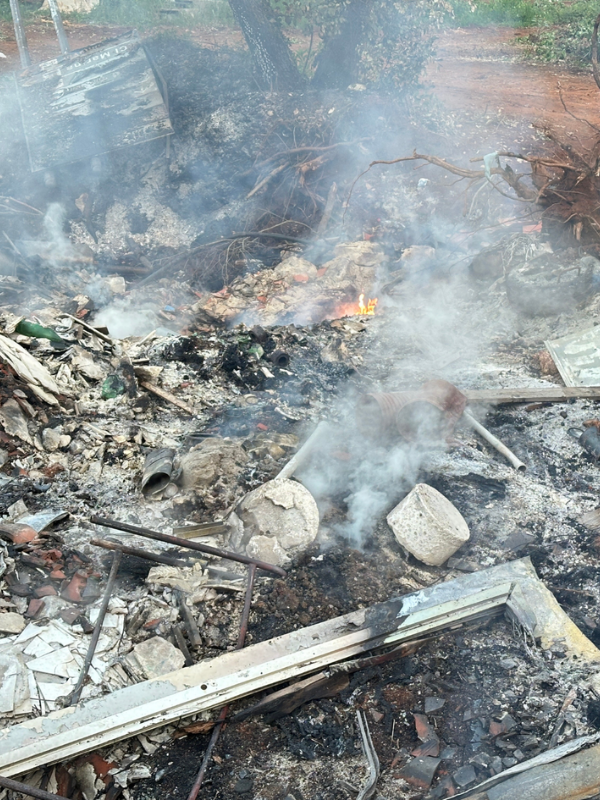
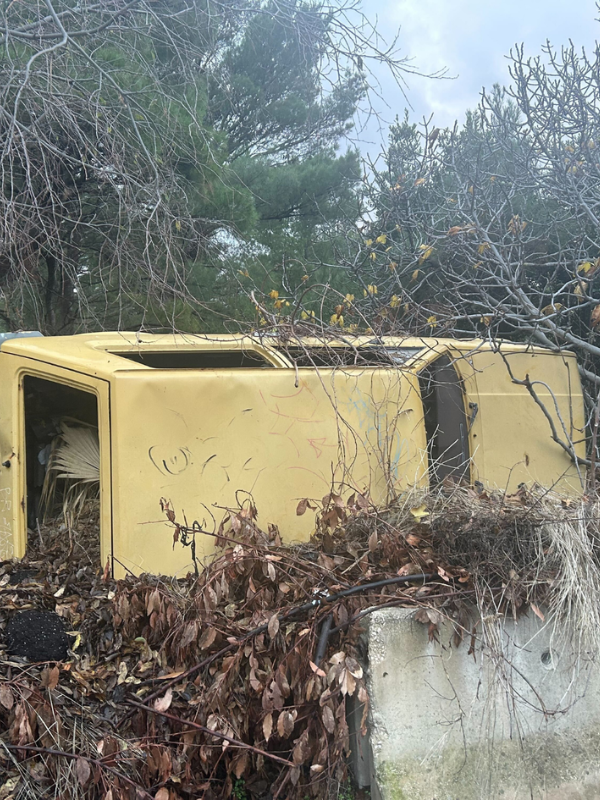
The number of reports concerning forests and green spaces is particularly significant. These reports reflect growing public concern over the loss of natural values, tree removal and inappropriate interventions in the environment. Citizens are increasingly recognising urban greenery as an essential part of quality of life, contributing to climate change mitigation, biodiversity conservation and healthier living environments.
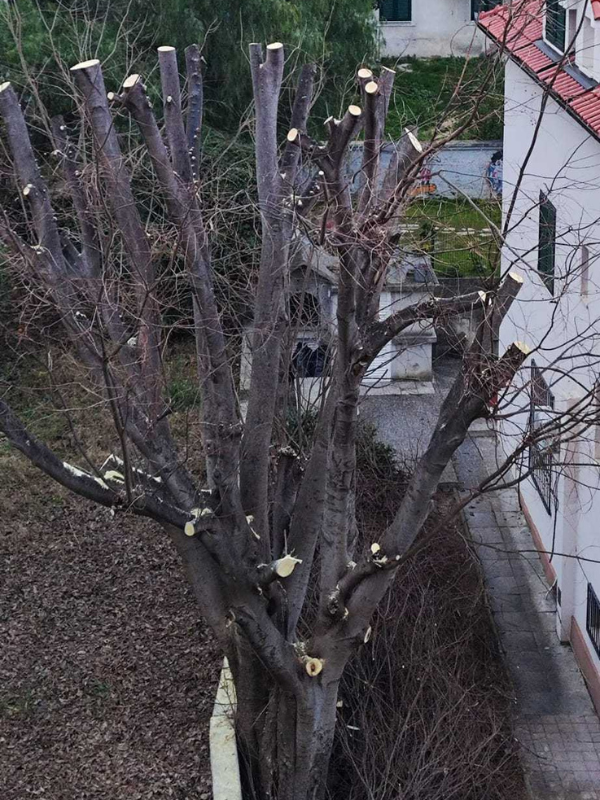
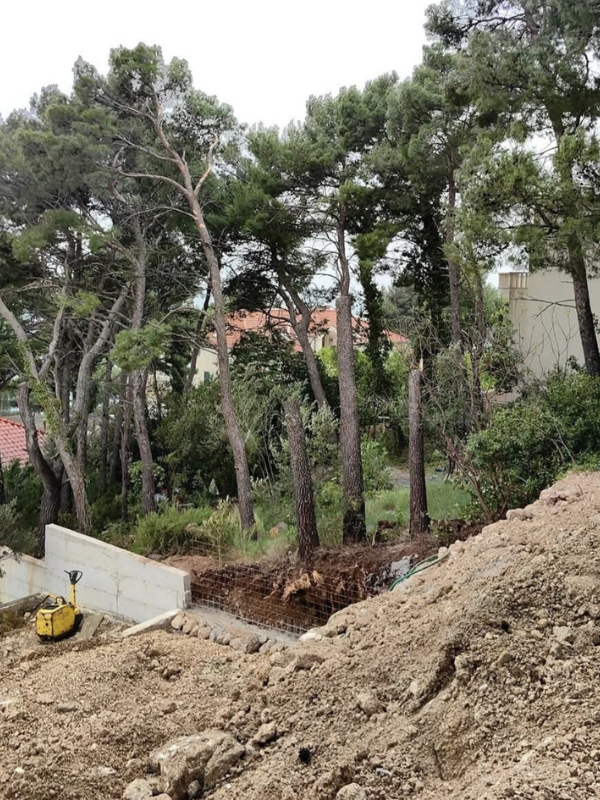
Citizens are becoming increasingly aware of environmental problems and are more often taking action as soon as they notice them. By doing so, they contribute to faster responses from the relevant authorities while also helping build a more comprehensive picture of the most common environmental challenges.
Legal action against the Gala – Obrovac Sinjski solar power plant project
In 2026, Sunce, together with the Biom Association, Hyla, Zelena akcija and a representative of the local community, initiated administrative proceedings before the Administrative Court in Split seeking the annulment of the Ministry of Environmental Protection and Green Transition’s decision declaring the Gala – Obrovac Sinjski solar power plant project environmentally and ecologically acceptable.
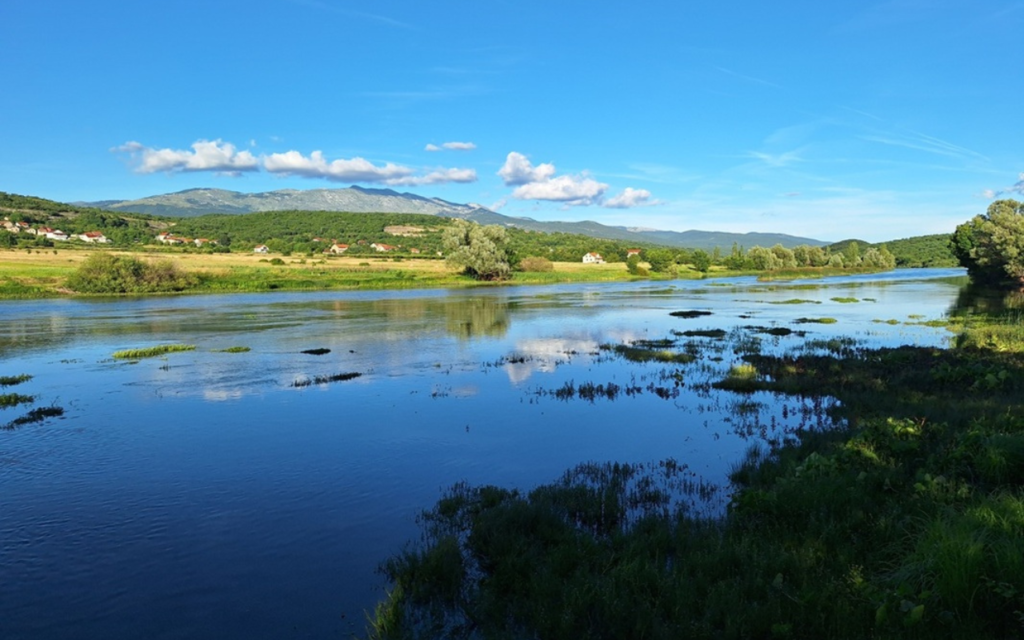
Following a report submitted by a citizen through the Green Phone, Sunce became actively involved in highlighting a number of shortcomings in the preparation of the Environmental Impact Study. The planned project involves the construction of a solar power plant across a large area of sensitive karst terrain, with the removal of significant areas of forest and natural habitats. Given that the site is located near Dinara Nature Park and includes important water resources, we considered it essential to carry out a detailed, independent and credible assessment of all potential impacts.
Despite the concerns raised, the Ministry concluded that the project was acceptable subject to the implementation of mitigation measures. Administrative proceedings were initiated because we believe that the Environmental Impact Study did not provide a sufficiently robust professional and legally sound basis for determining the project’s environmental acceptability.
Mitigation measures cannot, in our view, substitute for a high-quality, scientifically sound assessment of the existing conditions. If the underlying expert assessment does not accurately reflect the situation on the ground, the resulting conclusion on the acceptability of the project cannot be considered adequately substantiated.
This case once again demonstrates the vital role of the Green Phone as a first point of contact through which citizens can raise concerns and protect their environment. Bringing citizens and expert organisations together sends a clear message: decisions made without a sound professional and legal basis will be consistently challenged.
Cooperation within the Green Phone network
During the first six months of 2026, 64% of all reports came from Split-Dalmatia County, while as many as 17% came from Dubrovnik-Neretva County. At the same time, we have seen an increase in reports from other parts of Croatia, which accounted for 19% of all reports received.
These figures show that Sunce’s communication campaigns on social media are reaching well beyond the areas we primarily cover. Citizens across Croatia are increasingly recognising our role in environmental protection and are turning to us with greater confidence. They regularly seek information, expert advice and support in addressing local environmental issues.
As a member of the Green Phone Network, Sunce primarily operates the service for Split-Dalmatia and Dubrovnik-Neretva counties. However, regardless of where in Croatia a report comes from, we strive to provide every citizen with initial information and guidance on the next steps. When a report falls outside our area of responsibility, we forward it to the appropriate organisation within the Network so that it can be addressed promptly and effectively.
Have you spotted an environmental problem? Let us know
We encourage all citizens to continue reporting environmental problems they encounter. In addition to contacting us by phone or email, you can also send us a message via Sunce’s social media channels (Facebook, Instagram or LinkedIn). Reports can be submitted completely anonymously, and your identity will not be shared with other institutions.
If you do not use social media, you can also submit a report through our online form: https://forms.gle/3Vqi3ZtJdnVDLTSSA.
Simply describe the problem and, if possible, include a photograph or the location. Our priority is to receive accurate information so that we can take action or guide you towards the appropriate next steps. Every report can be the first step towards a cleaner, healthier and better environment for everyone.
In 2026, the work of the Green Phone continues to be co-financed by the Environmental Protection and Energy Efficiency Fund as part of the project “Green Phone: Lend Your Voice to the Environment! IV”, as well as by the European Union through the Impact4Values 2.0 programme, as part of the project “Together – Speaking and Acting for the Environment”, under the Citizens, Equality, Rights and Values (CERV) programme.

Thanks to this support, we can continue providing citizens with free information, legal advice and assistance in addressing environmental problems.
Funded by the European Union. The views and opinions expressed are those of the author(s) and do not necessarily reflect those of the European Union or the European Education and Culture Executive Agency (EACEA). Neither the European Union nor EACEA can be held responsible for them.