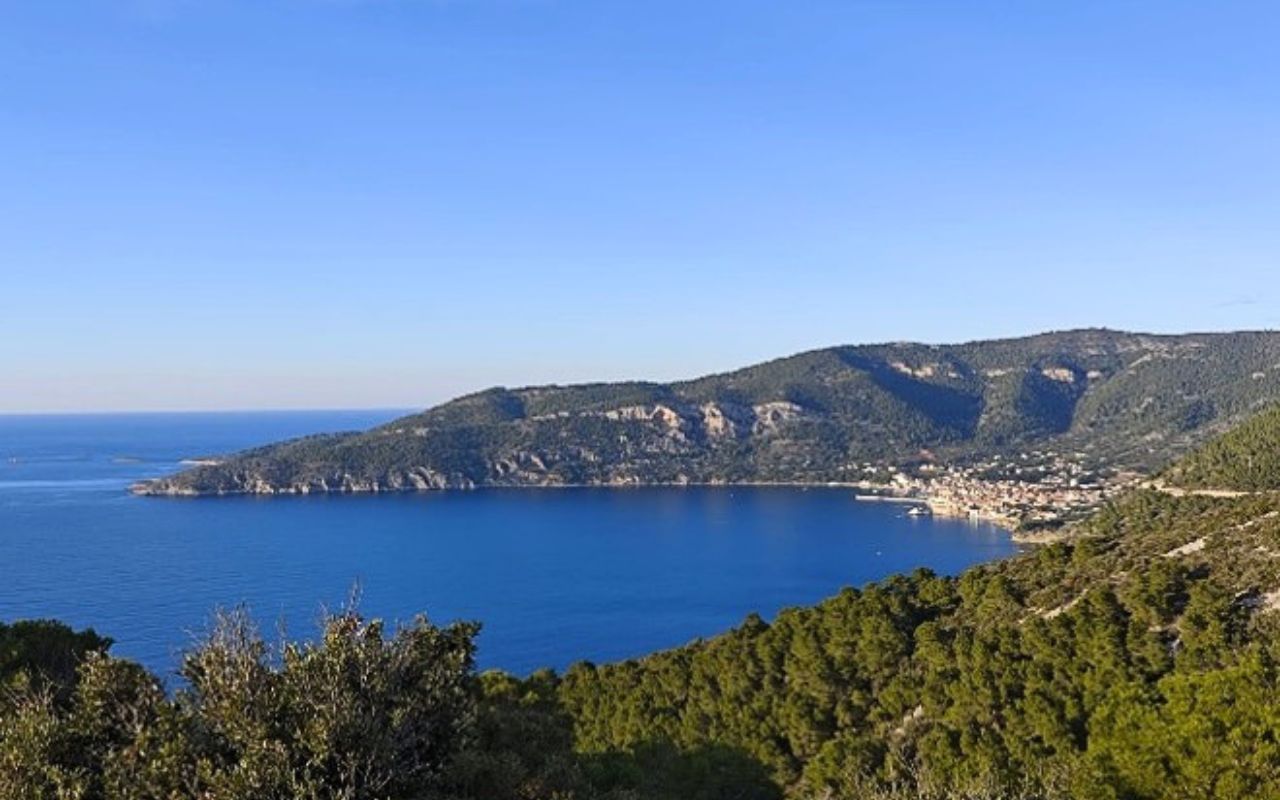
Water is one of the most valuable natural resources of the island of Vis. The island relies entirely on its own limited freshwater resources, making the responsible use and conservation of water particularly important for the island community and its sustainable development.
At the same time, single-use plastic bottles are a source of plastic waste that puts additional pressure on island waste management systems and can end up in nature and the sea. One simple way to reduce their use is to make it easier for people to refill their reusable bottles with high-quality drinking water.
The Tap twice for Vis project therefore brings together water conservation and plastic reduction. Two public drinking water taps in Komiža will be restored, while residents and visitors will be encouraged to use reusable bottles and make more responsible use of water.
The project will involve the local community, tourism sector, children and decision-makers. Through education, research and the exchange of experiences with partners from Croatia and France, we aim to encourage long-term change towards a more sustainable island.
Why is it important to protect water on Vis?
The island of Vis has no external water supply and relies entirely on its own freshwater resources. This makes water a particularly valuable and vulnerable resource that needs to be used responsibly.
Tourism during the summer months puts additional pressure on the island’s natural resources and increases the amount of waste generated. At the same time, buying water in single-use plastic bottles creates unnecessary waste and puts further pressure on the environment.
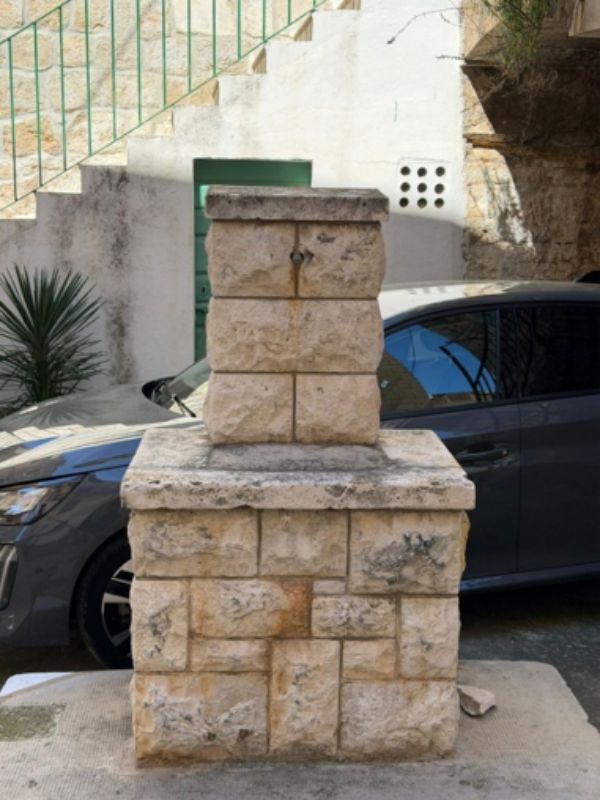
Public drinking water taps can offer a simple alternative. Easily accessible drinking water allows residents and visitors to refill reusable bottles instead of buying a new plastic bottle every time.
Restoring public taps is therefore not just an infrastructure project. It is also an opportunity to encourage changes in everyday habits and remind us that water is a valuable island resource that we all need to protect.
Objectives
To contribute to reducing pollution from single-use plastics in Komiža on the island of Vis, the project has several objectives:
- reduce the use of single-use plastic bottles in Komiža by encouraging the use and refilling of reusable bottles;
- increase access to drinking water by renovating two public drinking-water fountains and promote responsible use of water as a precious and limited island resource;
- raise awareness among residents and visitors about the value of the island’s water resources and responsible water use;
- educate the local community, tourism sector and children about plastic waste, water conservation and sustainable habits;
- promote more sustainable tourism and more responsible use of natural resources;
- connect local knowledge with examples of good practice from France and strengthen the capacity of local stakeholders to implement sustainable solutions.
Before implementing concrete measures, we will research opportunities to reduce single-use plastics in the local HORECA sector. We will analyse existing practices, the legislative framework and available alternatives, and engage with local stakeholders to discuss challenges and possible solutions.
A special part of the project will focus on education. Local stakeholders will participate in a workshop on plastic waste, its impacts on the environment and opportunities to reduce its use. For students from two classes at Komiža Primary School, we will organise an interactive STEM workshop on plastic pollution, the importance of freshwater resources and the benefits of using reusable bottles.
The project will also draw on the knowledge and experience of the French organisation SMILO – Small Islands Organisation, which brings together small islands and works towards their sustainable development. Through the exchange of knowledge and examples of good practice, we aim to identify solutions that can be applied in our local context.
Results
Through the project, we will:
- renovate two public drinking-water fountains in Komiža;
- improve access to drinking water for residents and visitors;
- install water meters on the public fountains to monitor their water consumption;
- analyse opportunities to reduce single-use plastics in the local HORECA sector;
- conduct a survey among at least 50 local stakeholders;
- organise a workshop for at least 20 representatives of the local community, institutions and tourism sector;
- organise an educational workshop for at least 15 students of Komiža Primary School;
- install educational QR codes at the locations of the public drinking-water fountains;
- produce promotional and educational materials on water, bottle refilling and plastic waste reduction;
- produce a promotional video about the public drinking-water fountains, water quality and waste reduction;
- inform at least 2,000 residents and visitors about the importance of using public drinking-water sources and reducing single-use plastics.
We want the renovated public drinking-water fountains to become more than just places to refill a bottle. They can be a small but visible step towards a more sustainable Komiža — a place that protects its natural resources, reduces waste and encourages residents and visitors to adopt more responsible habits.
Project lead organisation: Association for Nature, Environment and Sustainable Development Sunce
Partner: Small Islands Organisation – SMILO
Project collaborators: City of Komiža, Vodovod i odvodnja otoka Visa d.o.o., Komiža Tourist Board, Komiža Primary School and the local community
Location: Komiža, Island of Vis
Project duration: 1 July 2026 – 30 June 2027
Total project budget: EUR 28,846
Funding: Embassy of France in the Republic of Croatia, City of Komiža, Dalmatian Islands Environment Foundation with the support of Conservation Collective, and Sunce Association’s own funds.
Co-financing
- Embassy of France in Croatia: EUR 3,000.00 EUR
- City of Komiža: EUR 5,125.00 EUR
- Dalmatian islands environmental foundation with the support of Conservation Collective: 7.080,00 EUR
Project Manager at Sunce: Dalka Zanki
The project is supported under the Cooperation Programme of the French Embassy in Croatia with Croatian civil society organisations, as well as by the Dalmatian Islands Environment Foundation, with the support of Conservation Collective.