
Summer is in full swing, and so is vacation season, sunbathing, swimming, and long days at the beach. During the warmer months, we pay extra attention to our skin and reach for sunscreen daily. But how often do we stop and think about the environmental impact of the products we use?
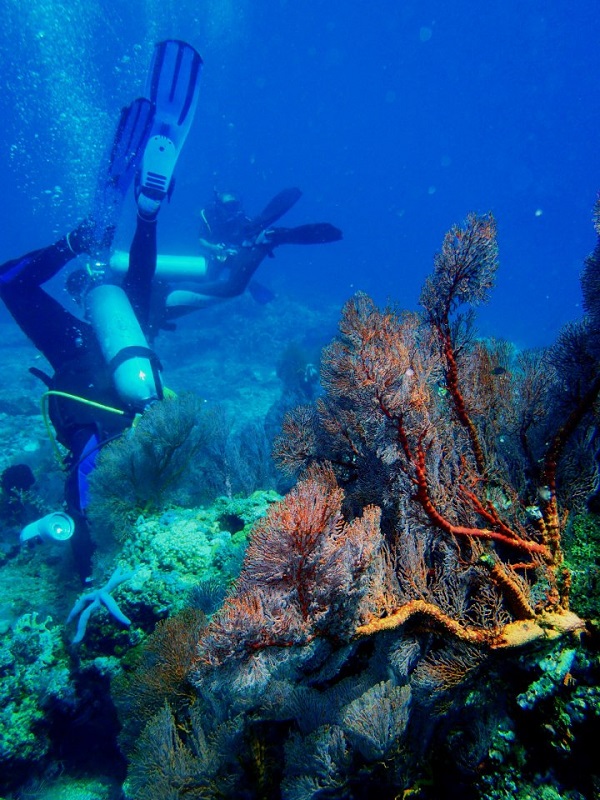
Marine plastic pollution is already a serious problem, but it turns out many chemical sunscreen ingredients can also harm the ocean – especially coral reefs and fish fertility. As The Guardian highlights, between 6,000 and 14,000 tonnes of UV filters wash into coral-reef areas every year. According to UN estimates, one-fifth of the world’s coral reefs are dead, with chemical ingredients from cosmetic products playing a significant role.
To ensure effective protection while reducing environmental impact, sunscreen should be applied 15 to 20 minutes before sun exposure so it can properly absorb into the skin. Using water-resistant formulas is also recommended because that way they wash off less easily, limiting the release of harmful substances into marine ecosystems.
A study published in Frontiers confirmed that certain sunscreen ingredients can seriously damage Posidonia oceanica. This seagrass species – endemic to the Mediterranean and strictly protected –provides habitat for more than 400 plant and around 1,000 animal species. Some ingredients can trigger oxidative stress for Posidonia, disrupting essential processes like photosynthesis and nitrogen fixation. Over time, this threatens the health of seagrass meadows, which are fundamental to underwater biodiversity.
Because of these impacts, scientists are increasingly calling for comprehensive research into how sunscreens affect the delicate balance of marine life.

Pharmacy technician and phyto-aromatherapist Milena Ilenić, who has 25 years of industry experience, shared practical advice on which ingredients to avoid and which sunscreens are safest for both people and the ocean.
To protect your skin and the sea, she recommends avoiding products containing:
- oxybenzone
- octinoxate
- octocrylene
- 4-methylbenzylidene camphor
- OD-PABA
- parabens
- triclosan
- ethylhexyl compounds
Below are Milena’s top picks for eco-friendly “clean” sunscreens that offer effective sun protection while preserving marine life:
1. Bioderma Photoderm MINERAL Fluide SPF 50+
Bioderma takes its eco-biological approach a step further by providing biological protection that strengthens the skin’s natural defenses against sun exposure and pollution. By activating the Nrf2 pathway, its Detox Science technology helps the skin produce its own enzymes to neutralize pollutants and boost antioxidant activity.
2. Madara Cosmetics
Madara offers reliable UVA and UVB protection while reducing signs of photoaging. It deeply hydrates and leaves the skin smoother, more even, and naturally radiant.
3. Pai British Summer Time SPF 30
This formula is 99% natural and uses zinc oxide as its UV filter, making it 100% safe and non-toxic for marine environments. Suitable even for sensitive and eczema-prone skin, it’s carefully crafted with mineral and plant-based ingredients that protect and restore the complexion.
4. Thank You Farmer Safe Sun Fluid
Beyond high UVA and UVB protection, this sunscreen soothes, hydrates, and helps reduce skin surface temperature. Its lightweight, fast-absorbing formula leaves no white cast and makes reapplication easy.
5. Grown Alchemist Natural Hydrating Sunscreen SPF 30 (Mineral Zinc Oxide, Rosehip Oil + Hyaluronic)
Grown Alchemist provides natural sun protection thanks to pure zinc oxide, while omega-3 and vitamin C help firm and brighten the skin.
Laws Banning Chemical Sunscreens
Did you know that some sunscreens have been banned in certain countries due to harmful chemical ingredients? Their negative effects on coral reefs and fish fertility have pushed governments to introduce stricter regulations. Places like Hawaii, Thailand, Aruba, Palau, and the U.S. Virgin Islands have banned sunscreens containing oxybenzone and octinoxate to protect their natural beauty and fragile marine ecosystems.
Could Croatia follow their lead to better protect Posidonia – a species crucial to the health of the Adriatic Sea?

That’s why the campaign And where do you anchor? encourages sailors and sea lovers alike to behave responsibly in, on, and around the sea. The focus is on protecting Posidonia and preserving the natural beauty of our underwater world.
Wherever you swim or dive, always check the ingredient list when choosing a sunscreen. By adopting an environmentally mindful sun-care routine, you’re not only protecting your own health, but you’re actively helping to preserve marine ecosystems.