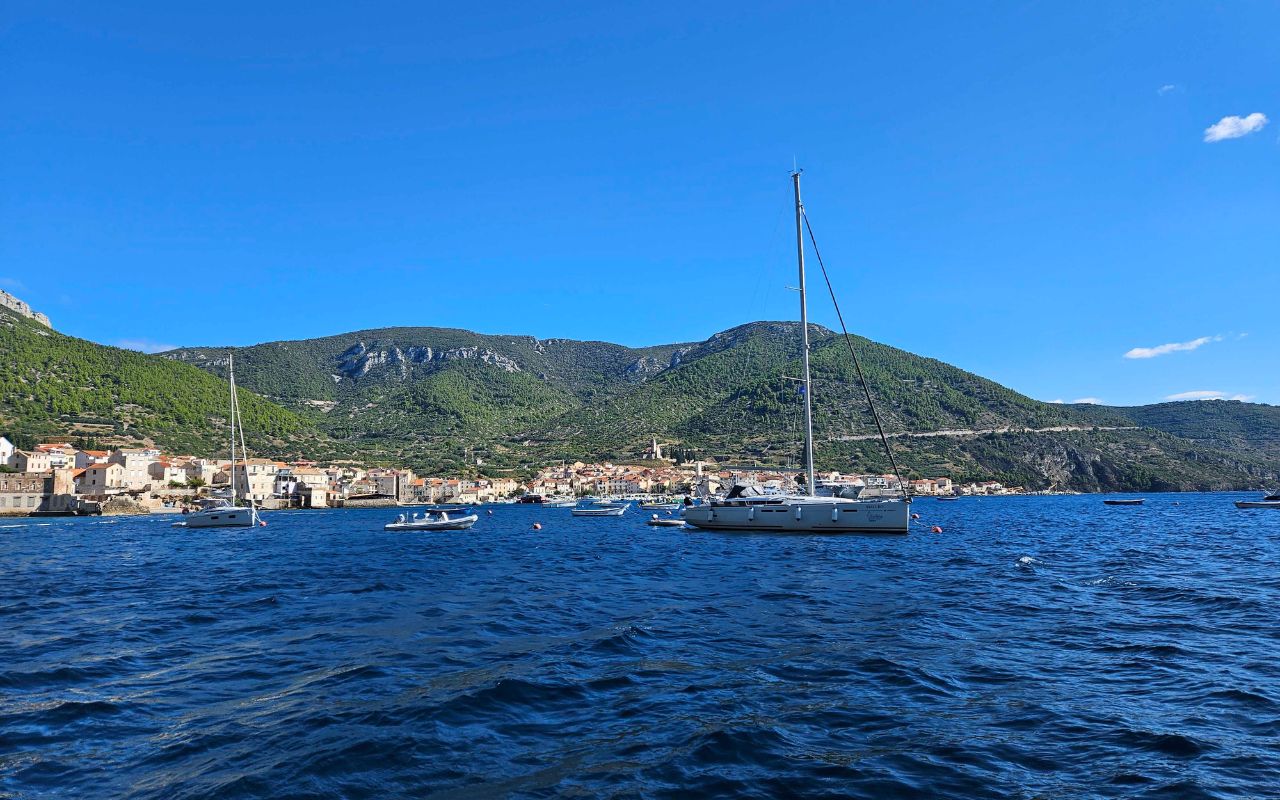
Anchoring may look harmless from the surface, but across the world it leaves a significant, largely invisible mark on the seafloor – the so-called global anchoring footprint. It’s the destructive trail ship anchors carve into marine habitats. Recent research, including the 2022 study by Watson et al., “The footprint of ship anchoring on the seafloor,” shows that anchoring is not just a local issue confined to bays and marinas; it’s a global environmental pressure reshaping the structure and function of shallow-water ecosystems.
The study revealed that large-ship anchors can gouge trenches up to 80 cm deep, while a single anchoring event can displace as much as 2,800 cubic meters of sediment – enough to fill an Olympic-size swimming pool. Globally, at least 6,000 km² of seafloor has already been damaged, and the real number may exceed 20,000 km² in high-traffic areas. These are areas comparable to entire countries, and the marks left by anchors persist for years, allowing damage to accumulate over time.
Anchor chains scour and destroy habitats, reduce biodiversity, slow ecosystem recovery, and even release stored CO₂ from Posidonia roots, further contributing to climate change.

‘Is the anchor holding?!’
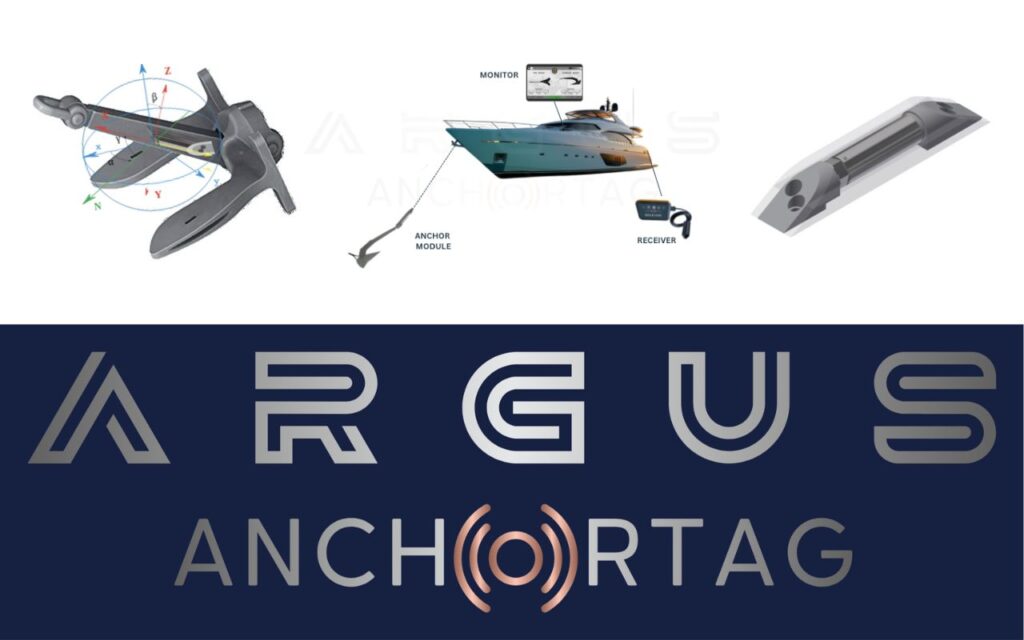
Anchoring must therefore be recognized as a real threat to marine ecosystems and one that calls for modern technology, smarter management, and a shift in behaviour at sea. This mindset led to the creation of A R G U S AnchorTag, an innovation designed to merge navigational safety with the urgent need to protect the sea.
The idea emerged when Viktor Lizunov and his friend and partner, Marko Tolley, realized there was a gap between advanced technology and traditional anchoring practices. The system was born out of engineering innovation, environmental awareness and personal experience.
– It came from a real problem. When I was a kid, my dad would constantly shout from the other side of the boat, ‘Is the anchor hooolding?!’. – Viktor laughs. He spent years sailing the Adriatic and it showed him how improper anchoring or technical failures could cause serious damage; not only to boats, but also to the seafloor and coastline.
Real-time anchoring safety
Anchoring safely is a challenge for sailors and a major threat to vulnerable ecosystems like Posidonia seagrass meadows. Poorly executed anchoring can lead to dragging, weak holding power, and unexpected vessel movement – increasing the risk of grounding, collisions, and loss of control. Beyond human safety, entire marine habitats are placed at risk.
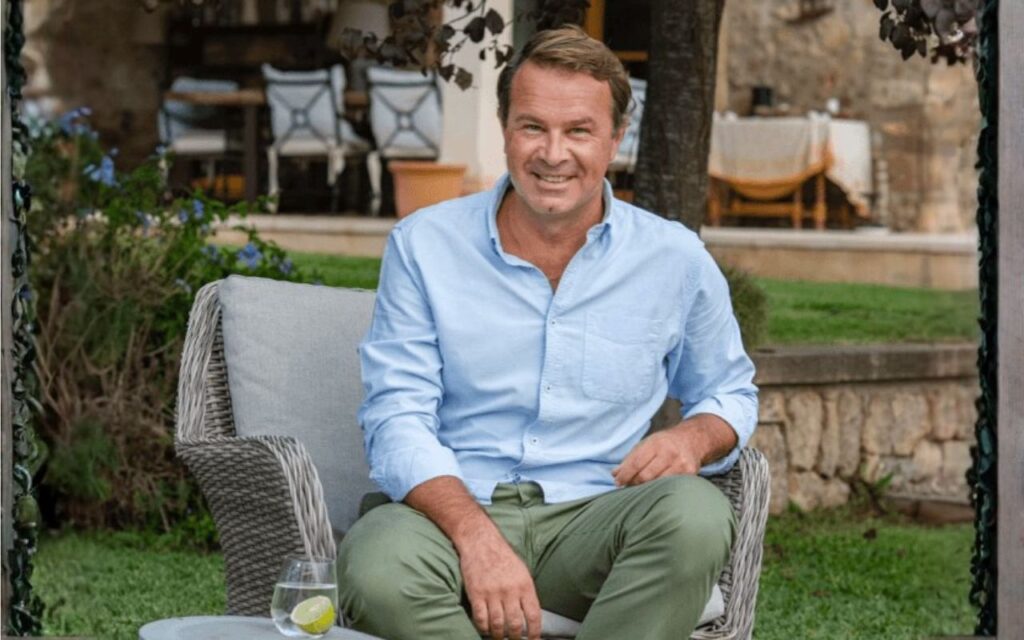
– The Adriatic is one of the most visited and beautiful seas in the world, but in many aspects safety at sea still depends on individual experience and luck rather than a reliable system. Our goal is to provide users with a fully safe, intelligent anchoring system that warns them in real time about real dangers: from anchor movement and weather changes to restricted areas and legally protected Posidonia meadows, – Viktor explains.
A R G U S AnchorTag monitors anchor position and detects every unwanted shift, alerting captains, skippers, and crew via onboard alarms or a mobile app. The system blends advanced sensors, telemetry, and software. If the anchor starts dragging, loses grip, the chain tightens, or the anchor sits at the wrong angle, an immediate warning is triggered.
– A R G U S AnchorTag brings complete transparency to anchoring, including movement history and anchoring data of nearby vessels. It gives users safety, accountability, and peace of mind, while respecting the sea. It truly connects the sailor, the vessel, and nature, – Viktor adds.
Most endangered areas are the popular bays
According to Viktor, the system comes in two versions:
- SONAR, designed for recreational and smaller vessels, yachts, charter boats, and private craft looking to enhance safety and prevent seabed damage; offers easy installation and mobile app monitoring.
- ACOUSTIC, intended for professional and industrial use, serves commercial fleets, navies, offshore platforms, and port systems. This version provides precise anchor positioning and continuous monitoring, even in demanding conditions such as great depths, strong currents, and low visibility.
Both versions have already been tested in real conditions and will soon be market-ready. Tests have shown that Croatia’s most endangered areas are its popular bays (around Dubrovnik, Korčula, Hvar, and the Kornati islands) where anchoring causes long-lasting damage to Posidonia meadows.
– For now, we’re planning a pilot project in the Dubrovnik area to enable safe and eco-friendly mooring while collecting valuable seabed data, but it’s still in the idea stage, – Viktor says. Technical validation and a mobile app are currently in development, with a market launch expected in 2026.
Information as the path to awareness
This product, Viktor believes, could spark a revolution in responsible behaviour at sea.
– One of the core values of our system is accountability. When sailors see real data on their anchoring or their impact on the seafloor, they instantly become more aware of their actions. I believe education and technology can change habits – not through bans, but through information and transparency. A R G U S AnchorTag brings not only safety, but a new culture of behaviour at sea, – he explains.
The environmental association Sunce shares this philosophy. Based on their experience, most irresponsible behaviour at sea stems from simple ignorance. Since sailors generally care about the environment, Sunce’s seasonal campaign And where do you anchor? raises awareness about the harmful impact of anchoring on endangered seagrass species and encourages the use of ecological moorings whenever possible. These moorings offer secure anchorage without damaging the seabed and are far more environmentally friendly than concrete blocks. Sunce is currently implementing pilot ecological-mooring projects as part of the BIOPRESSADRIA project.

– Our ultimate goal is to make the Adriatic and the Mediterranean safer, more sustainable, and more technologically advanced, while preserving their natural beauty and ecosystems, – Viktor concludes.
In a world where tourism, vessel safety, and environmental protection must go hand in hand, the question remains: how essential are innovations like A R G U S AnchorTag for responsible anchoring and marine conservation?
Explore more ocean-friendly innovations that help reduce human impact on the sea here.
