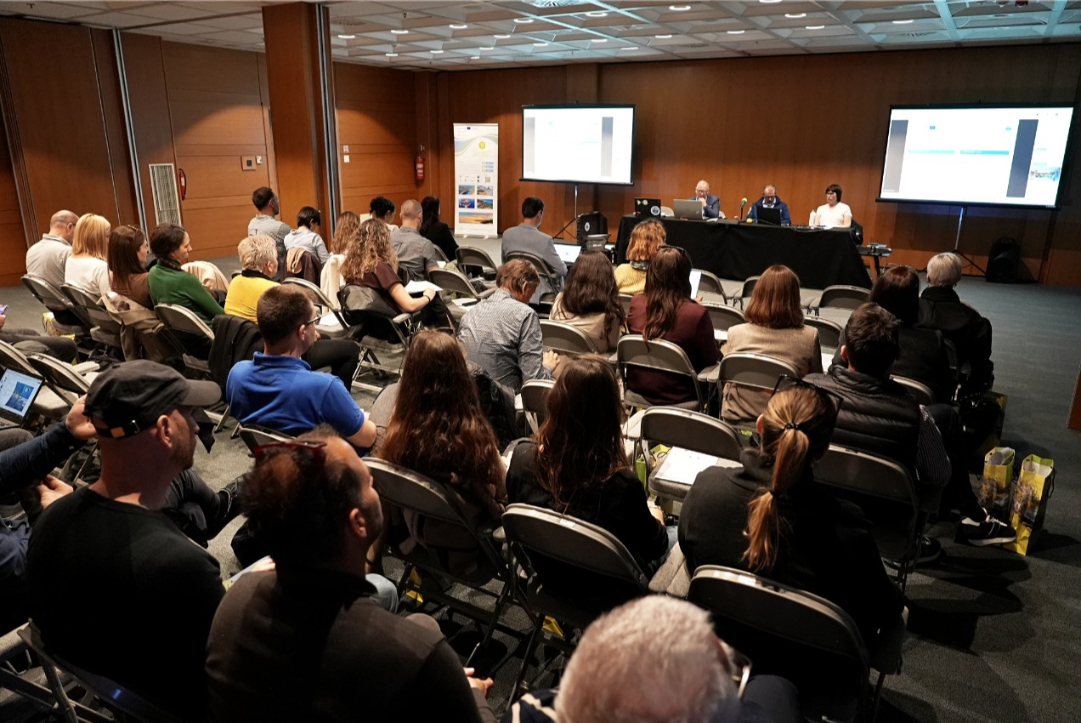
Experts have shared their knowledge in Dubrovnik
Development of nautical tourism in the Adriatic Sea brings forth numerous opportunities, but also a growing pressure on sensitive marine ecosystems. Particularly vulnerable are Posidonia meadows that are crucial for biodiversity and coastal areas conservation.
– Satellite research of vessel distribution conducted as part of the Interreg BIOPRESSADRIA project in Kornati National Park, Pakleni islands and Dubrovnik-Neretva County has shown that 25% to 65% of vessels anchor in Posidonia meadows, depending on the location. High intensity of anchoring presents a strong pressure on the strictly protected, endangered and extremely important species. A nchoring presents a growing challenge in destination management due to the frequent ‘chaos’ at sea in certain locations during peak season. Due to the growing challenges correct planning, designation and management of nautical anchorages has become an important question for concessionaires, public institutions and experts involved in spatial planning and environmental protection, – stated Zrinka Jakl, biologist and head of the Nature Conservation Department at the Association for Nature, Environment and Sustainable Development Sunce, one of the training organizers.
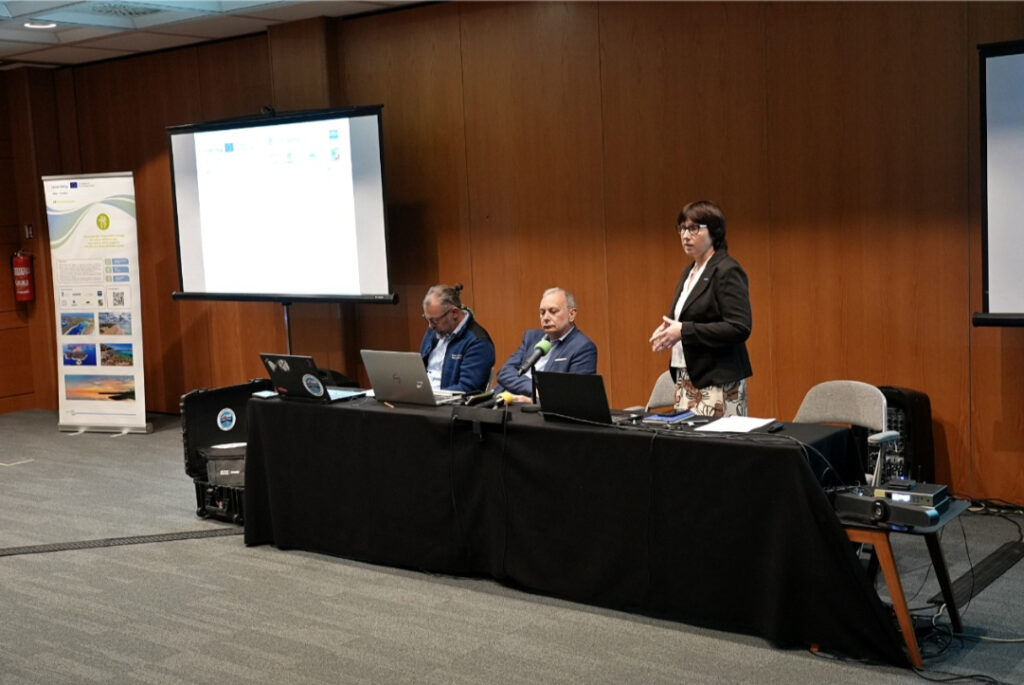
Integral approach to anchorages
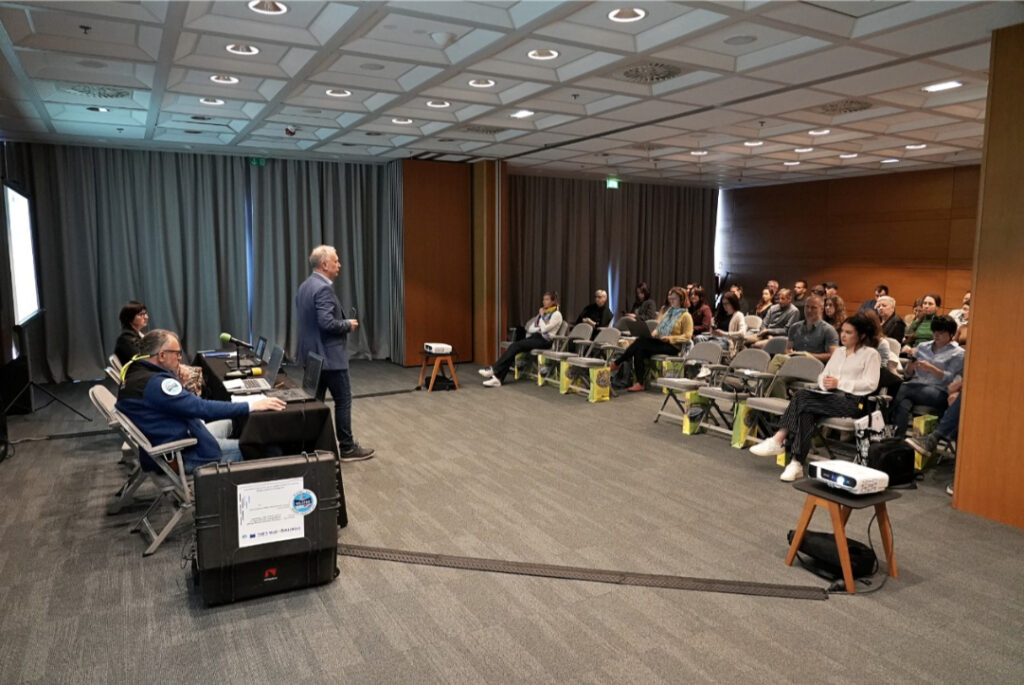
As part of the BIOPRESSADRIA Interreg project, from April 9 to 10, 2026 in Dubrovnik, Croatia, a training on “Planning, design, implementation and management of environmantelly sustainable nautical anchorages” took place. The aim of the training was strengthening the capacity of stakeholders to implement sustainable solutions. The host of the training course was Public Institution for the Management of Protected Nature Areas of Dubrovnik-Neretva County. The training gathered 50 participants, including ministries and counties representatives, investors, civil society organisations and construction designers, showcasing the relevance of the topic for the Adriatic region.
The training was led by established experts from the field of maritime travel, anchorage planning and marine environment protection. Among them were doc. dr. sc. Danijel Pušić from the Maritime Faculty of Split, expert in anchorage planning and safety, and Tino Mrčelić, maritime traffic engineer andowner of the company Sub-merus that specializes in eco-anchorage installation. Other experiences and solutions were also presented by the representatives of companies specializing in manufacturing and installing various types of geotechnical anchors such as Ismar Užičanin from Hubbell/CHANCE and Florian Azim from the WEARTH group.
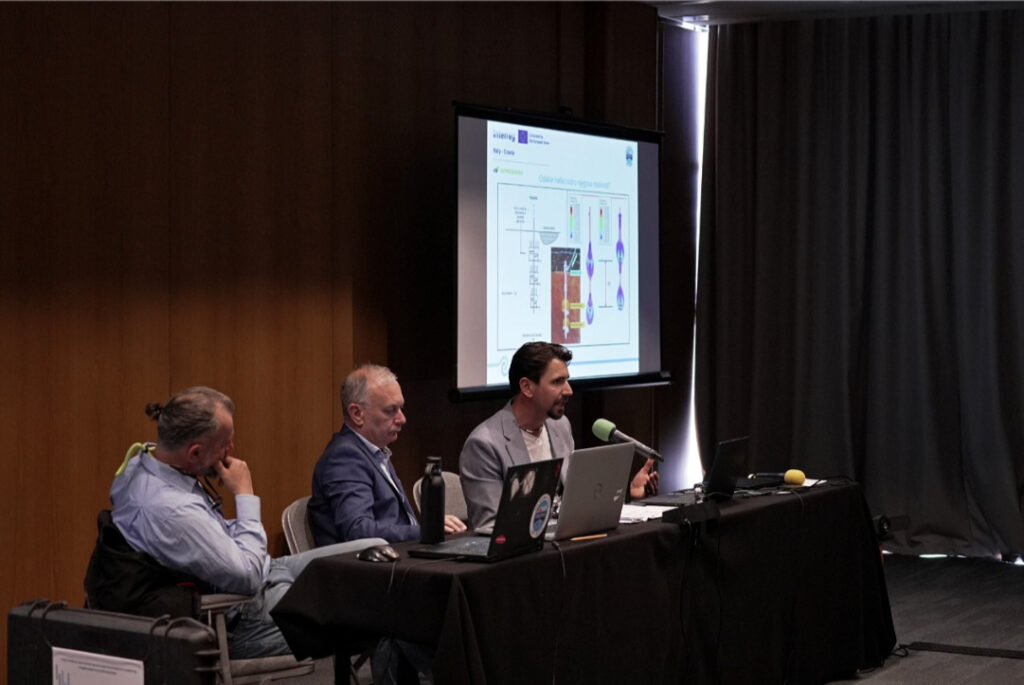
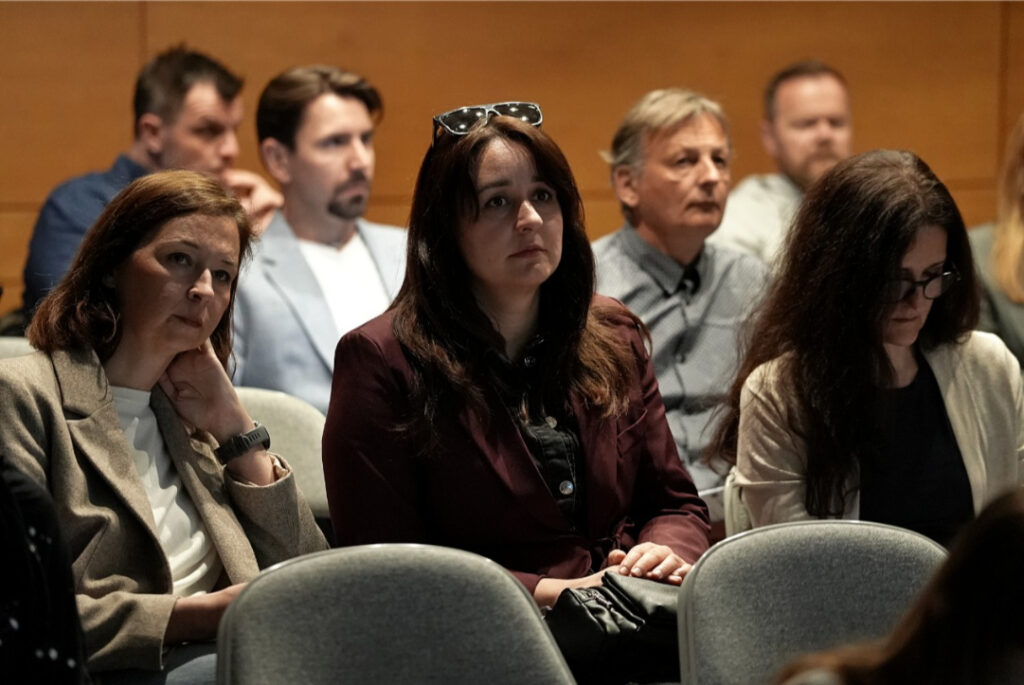
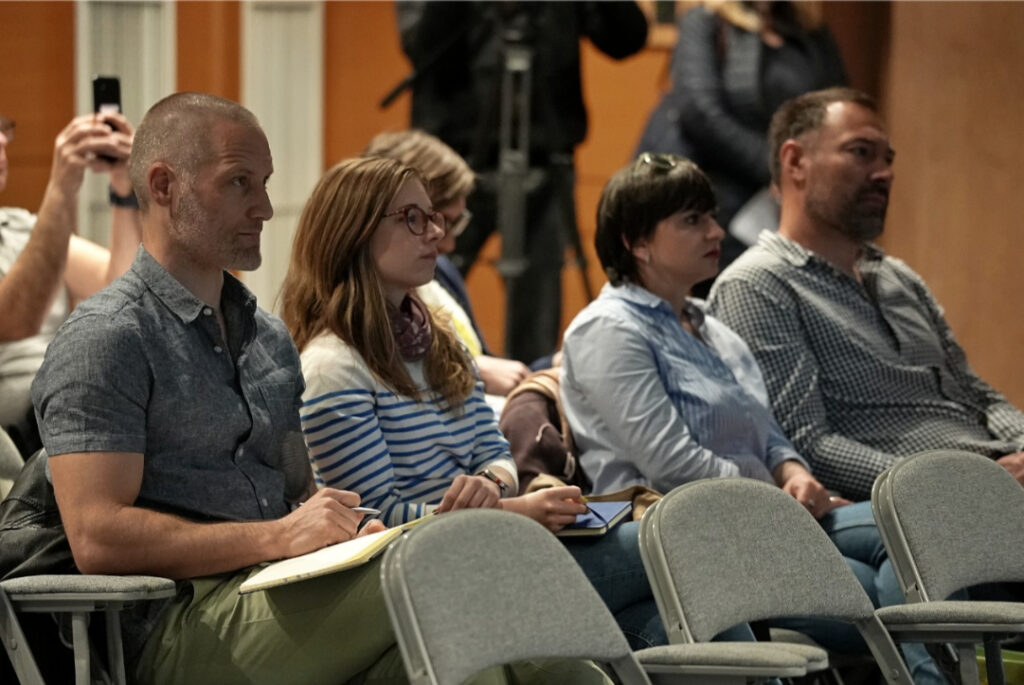
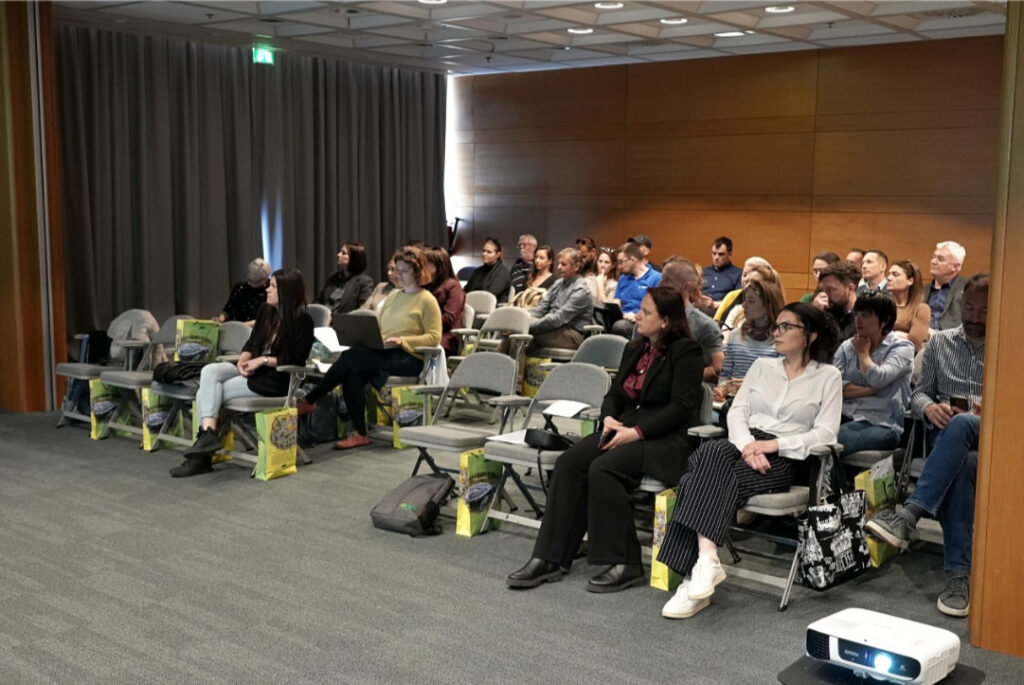

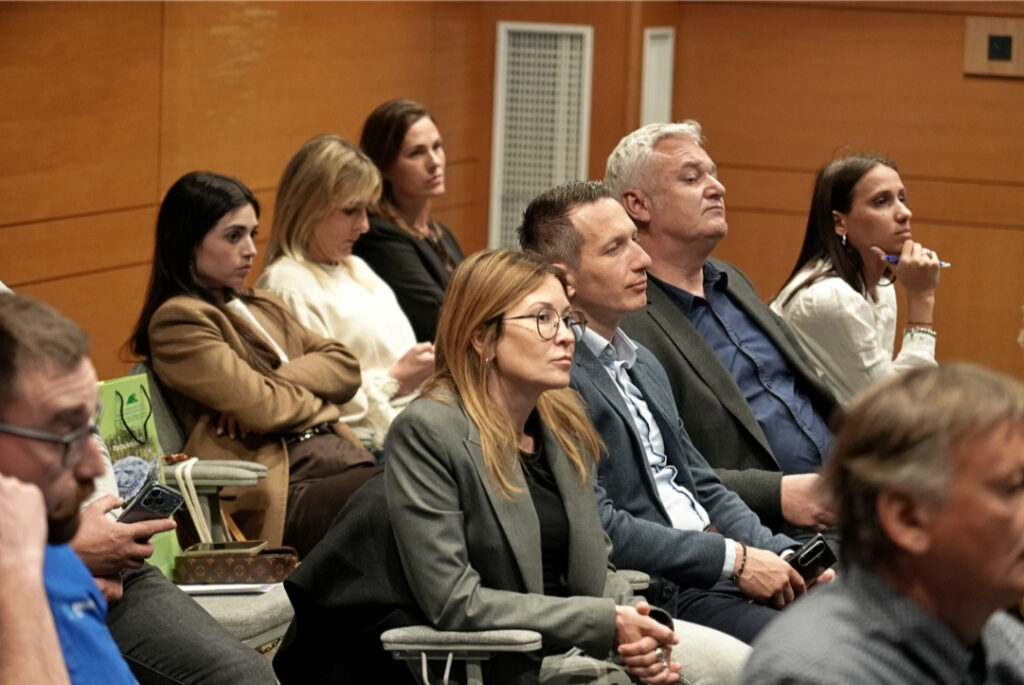
During the two-day programme, participants went over the entire process of developing nautical anchorages and have gained insights into the initial planning stages, management and maintenance. The first day was dedicated to planning and technical solutions, including the criteria for selecting a suitable location, analysing the capacity and creating project-technical documentation.
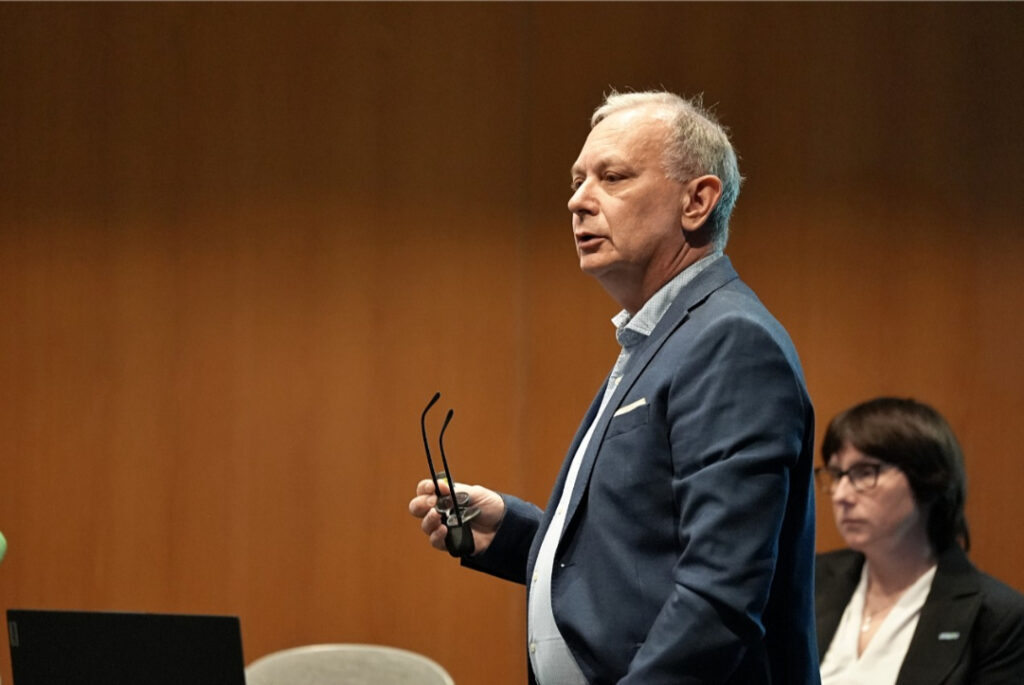
– Research works are key during anchorage planning, as without it projects are merely assumptions. Mistakes in very beginning of project performance come at a high price later, regardless of whether it’s misidentification of the seabed type and habitat, planning on using a wrong type of anchor, or vessel distribution being inadequate for a certain location. Therefore, research in the early stages of a project is not a mere formality as it forms the basis for an ecological and safe project, – stated Pušić.
Environmentally friendly anchorages as a standard for the future
One of the training’s key focuses was the transition from conventional to ecological anchorages. Participants were introduced to its benefits, especially in the context of their safety and marine habitat protection.
– Concrete mooring blocks are conventional, traditional systems used since antiquity when stone was used instead of concrete. They are used in combination with heavy chains that aren’t suspended above the seabed, and as such have a strong impact on the seabed, especially Posidonia meadows. In contrast, the geotechnical anchors in ecological systems are embedded into the sediment with a minimal impact on the surrounding seabed during installation and later mooring. Furthermore, they are often reversible, and an innovative bottom-mooring line equipped with a submerged buoy that suspends the system above the seabed is attached to a buoy on the surface. As a result, this system prevents any damages to the seabed, – explained Mrčelić.
Examples from Croatia and abroad have demonstrated the efficiency, safety and long-term sustainability of environmentally friendly anchorages.
– In recent years, a number of anchorages in Croatia have been declared as ecological, yet due to usage of unsuitable materials and poor-quality works carried out, instances of materials breaking, anchors dislocating and mooring lines “ploughing” through Posidonia meadows occurred. Such anchorages have caused an ecological paradox by further harming the seabed and having gained a reputation of being unreliable. Through education, standardization and examples of good practice we aim at disproving such myths and improving the quality of ecological anchorages in Croatia, – Jakl added.
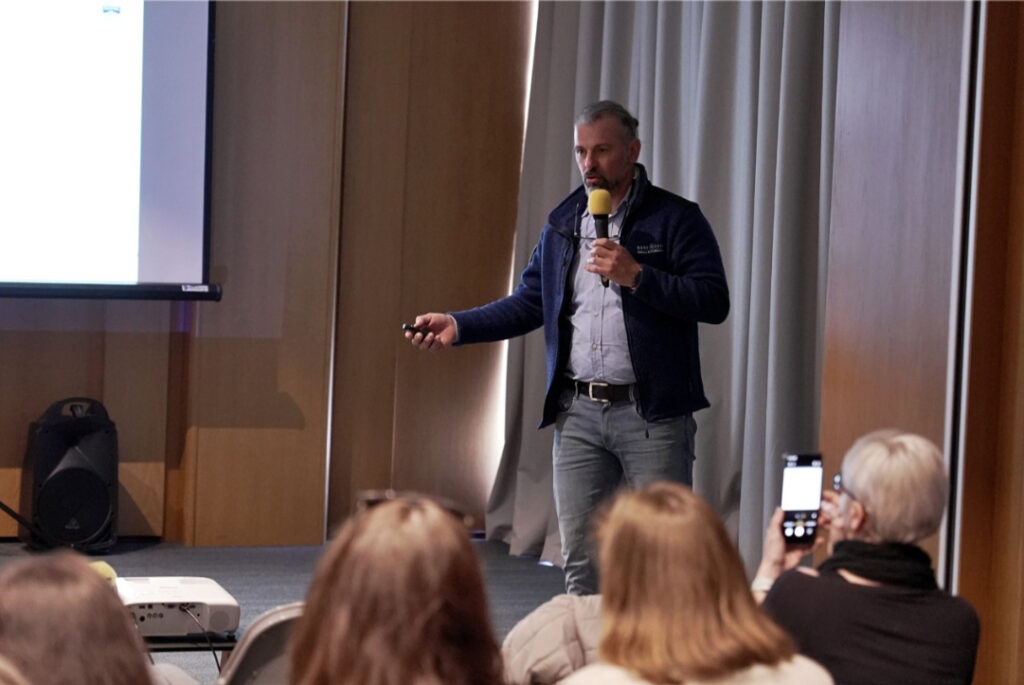
– Concrete blocks seem secure thanks to their mass, yet their load capacity and safety is in fact lower than that of modern, ecological anchoring systems with adequately calculated and selected geotechnical anchors. Companies that produce modern geotechnical anchors and mooring lines give a 30-year warranty on their products as well as certifications of conducted attestations of installation by certified installers. The safety of these systems was also demonstrated in practice through a method-explaining exercise carried out in Krvavica, Croatia earlier this year and have presented the results in an educational video (LINK), – Mrčelić explained.
Technical solutions based upon realistic conditions
Participants were introduced to the technical aspects in detail: from selecting geotechnical anchors to adjusting to various seabed types, including sandy, rocky and covered in Posidonia.
– Certified installers (divers) which carry out the works are of key importance for the quality of placed anchorages and minimizing the impact on the environment during the process. Installing ecological anchorages needs to be carried out by qualified commercial divers to whom safe working conditions must be ensured. This stems from the complexity of underwater works, as there is no room for error, – stated Boris Rosanda, an experienced commercial diver.
– The prerequisite for installing the entire anchoring system is probing and analysis of the seabed. Selecting the model of geotechnical anchor depends on it. Further important is hiring qualified experts and supervisors for the task, to ensure the quality of the project, making it safe for seafarers and profitable for the investors, – Pušić pointed out.
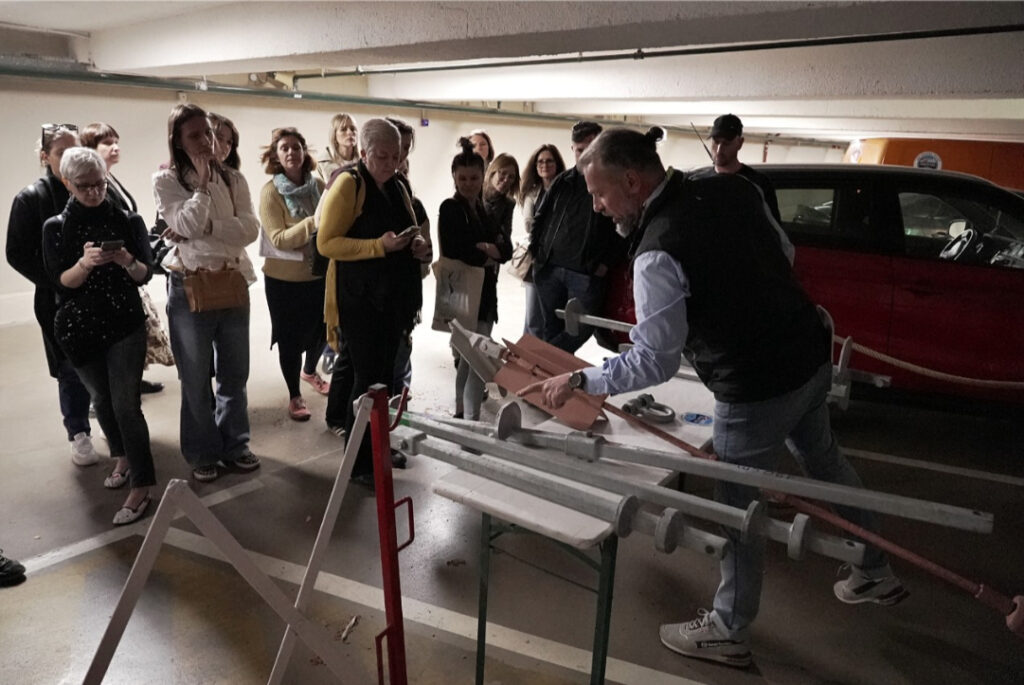
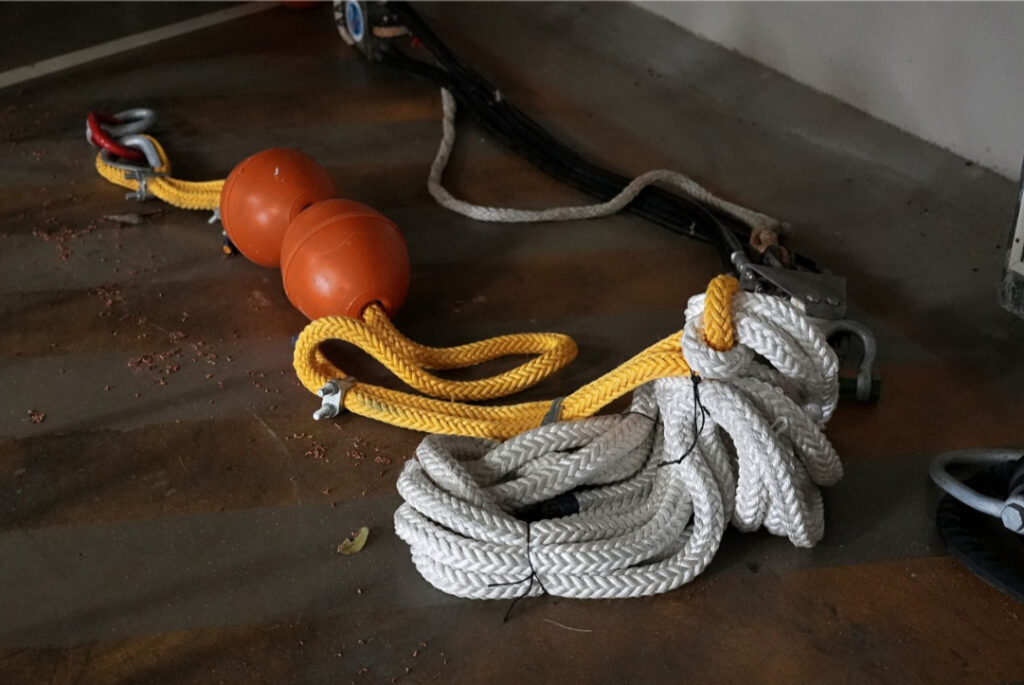
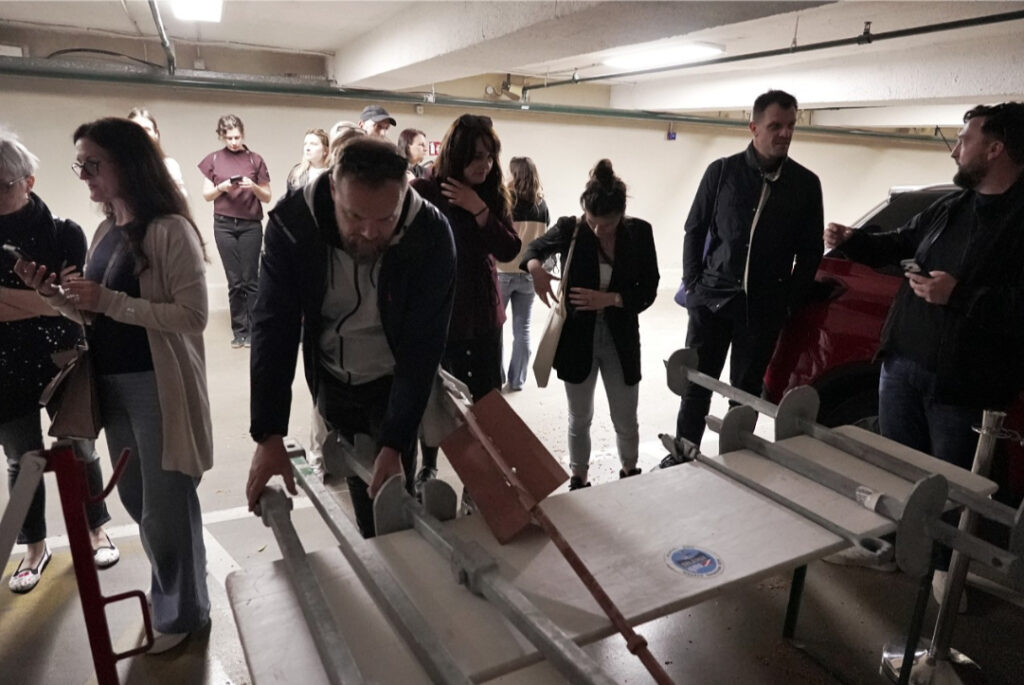
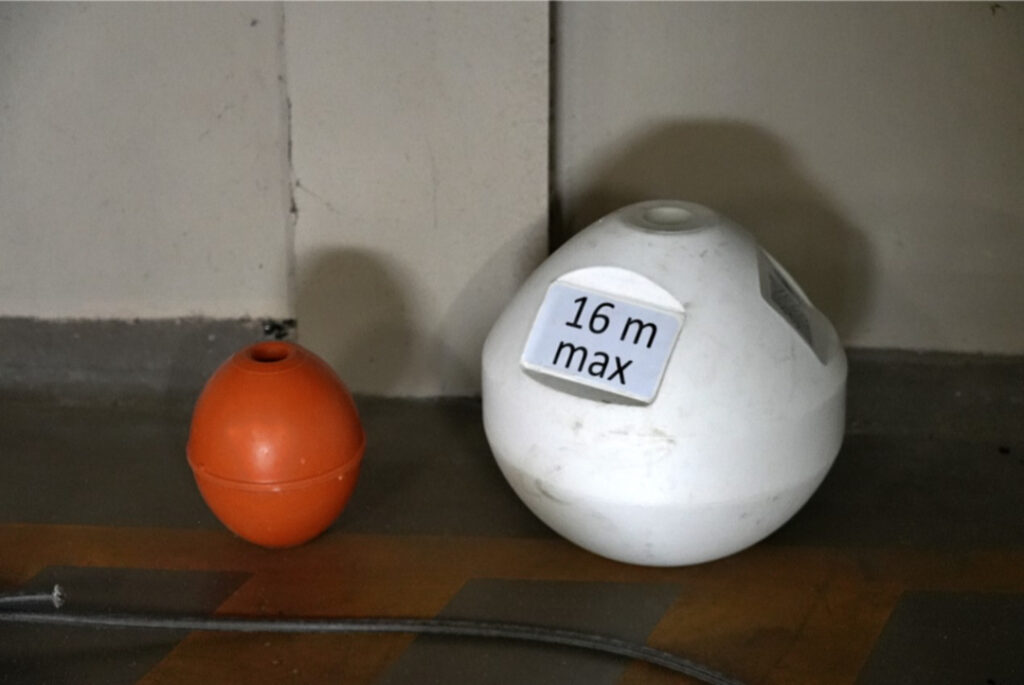
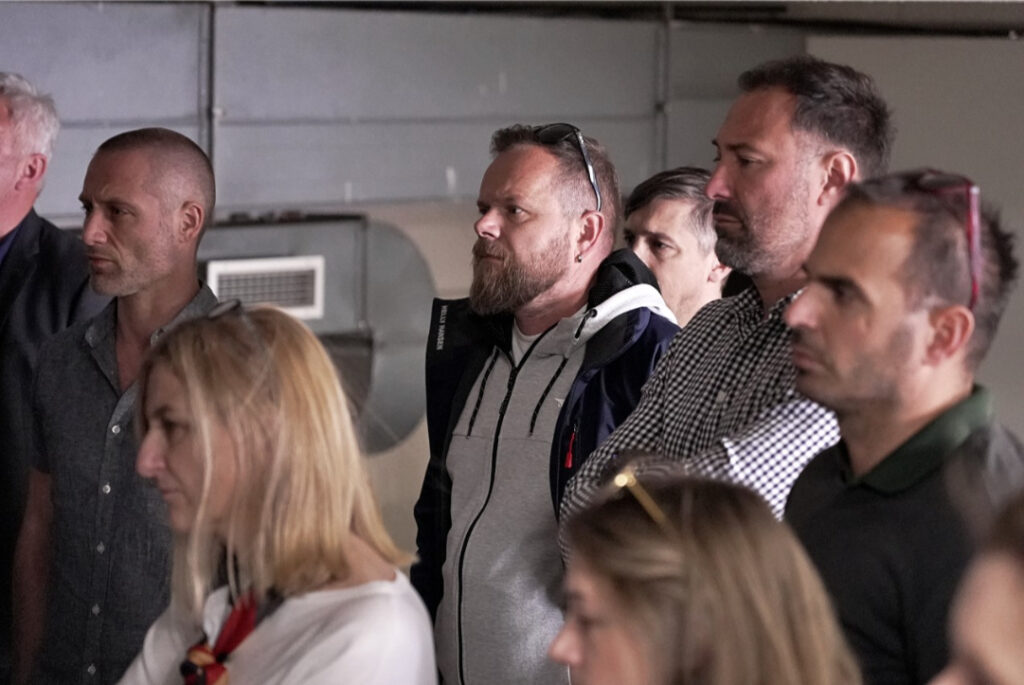
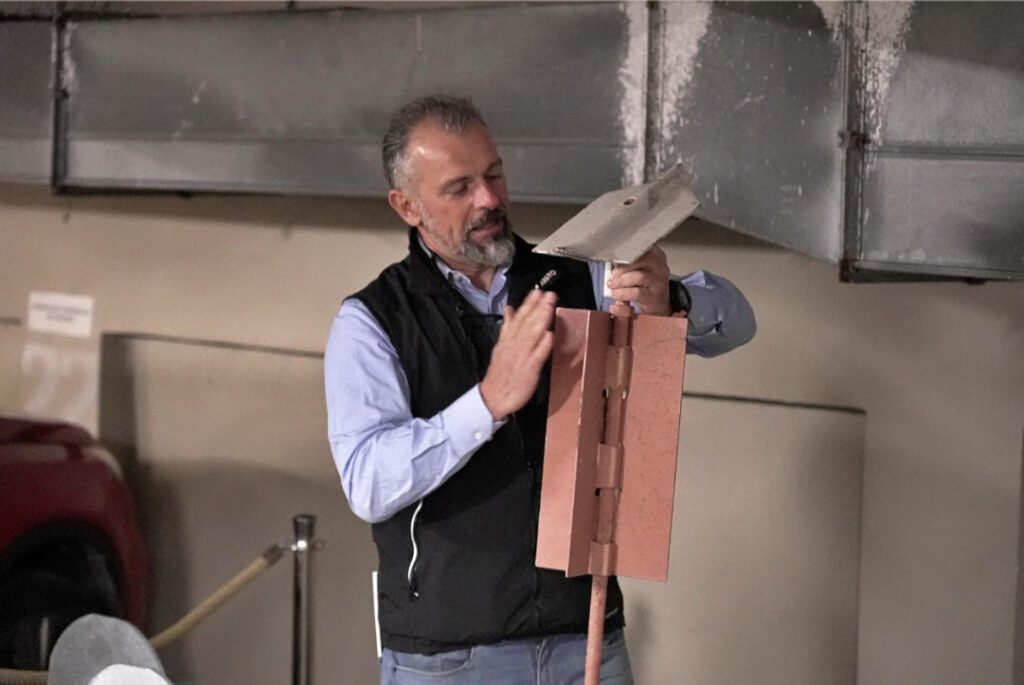
Apart from the theoretical aspect, participants were also given the opportunity to see in person technical solutions and materials (geotechnical anchors, elastic mooring lines Hazelleti Seaflex), presented by producers’ representatives from America and Europe.
Management, maintenance and long-term sustainability
The second day of the training course revolved around anchorage management, aspects of safe practice and economic sustainability. Some of the topics included scaling the systems for larger vessels’ requirements, organizing the works, monitoring and frequent maintenance.
Participants analysed hypothetical examples of anchorages in the workshop, assessing the cost, impacts and management models, further emphasizing the importance of an integrated approach.
The training course in Dubrovnik confirmed that developing sustainable nautical anchorages requires combining expert knowledge, quality planning and responsible implementation. Ecological anchorage systems present a crucial tool in marine habitat conservation, yet their successful implementation depends on trained stakeholders and correct practice.
For those who couldn’t participate, the next training course will be held on the June 1 and 2, 2026 in Murter, Croatia. Participation will again be free for those who apply on time, the deadline for applicants will be posted in May. Therefore, do not miss the chance to gain practical knowledge and insights from leading experts in the field.
