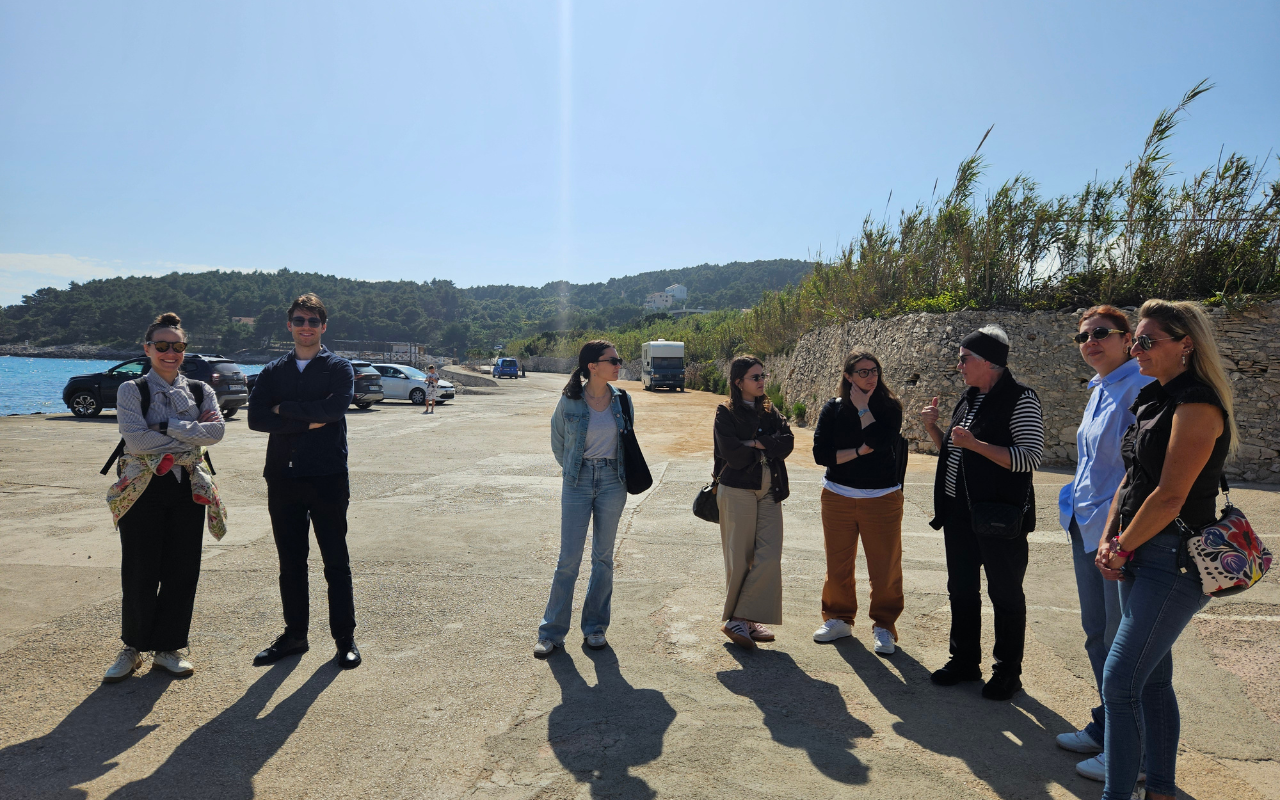
How can sandy beaches and Posidonia seagrass meadows be preserved in the face of climate change and increasing tourism pressure? These questions were at the heart of the international workshop held on May 12 in Lumbarda on the island of Korčula as part of the ASPEH – Adriatic SPEcies and Habitats of Coastal Areas project, which brings together Croatian and Italian partners with the shared goal of protecting valuable Adriatic habitats and species.
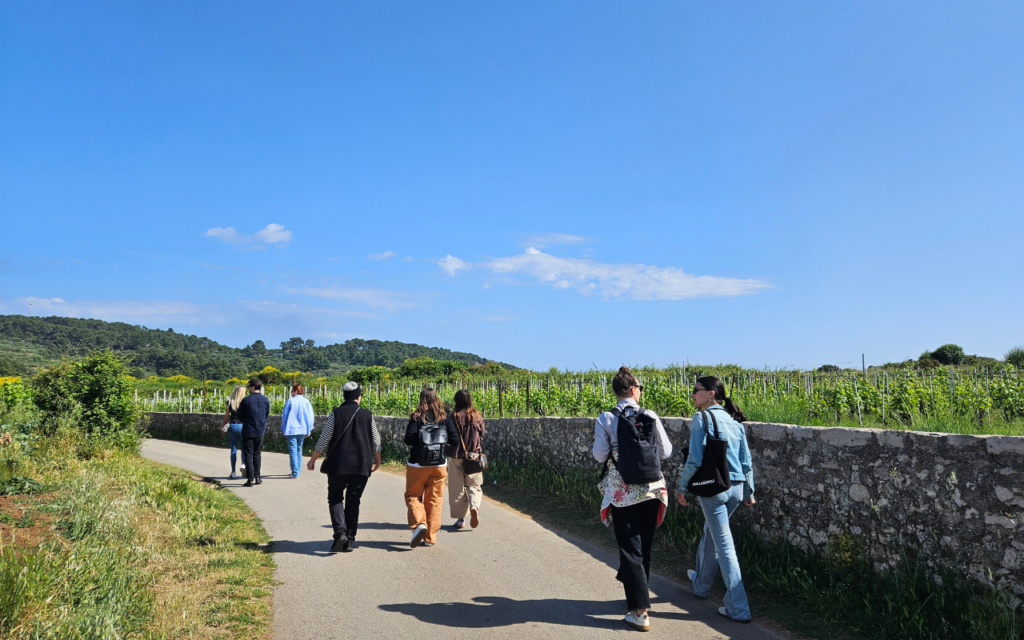
The workshop gathered representatives of public institutions, nature conservation experts, and local stakeholders to discuss future biodiversity conservation measures and the development of a joint strategy for protecting Natura 2000 habitats. Particular emphasis was placed on cross-border cooperation, knowledge exchange, and the development of common solutions to the challenges posed by climate change and the increasing use of coastal areas.
Alongside the workshop, the Public institution for the management of protected natural areas of Dubrovnik-Neretva county organized a project partners’ meeting to review the progress of project activities and agree on the final implementation steps of the ASPEH project, which will conclude in September 2026.
Rare and therefore especially valuable
One of the workshop’s main topics focused on research conducted at Bilin Žal and Vela Pržina beaches, two of the very few remaining natural sandy beaches along the Croatian coast.
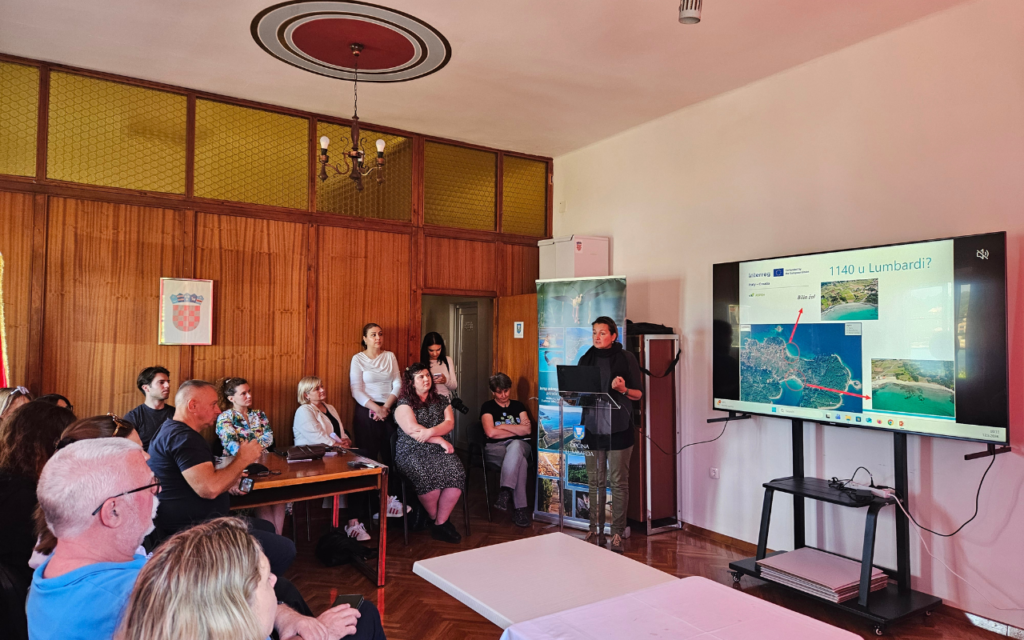
Associate professor Kristina Pikelj, PhD, from the Department of geology at the Faculty of science, University of Zagreb, presented the results of several months of beach monitoring. The research included analyses of sediment composition, morphological changes, sand transport, and the creation of three-dimensional beach models.
“Sandy beaches are highly dynamic and fragile ecosystems that are particularly vulnerable to erosion and human impacts. We recorded pressures such as stormwater runoff, vehicle traffic, and coastal interventions that alter the natural dynamics of the shoreline. Their long-term survival depends on the continuous supply of sediment,” Pikelj explained.
Both beaches are bordered by concrete retaining walls approximately two metres high that extend along most of the shoreline. Unfortunately, these structures prevent the beaches from naturally migrating inland—a phenomenon known as coastal squeeze. Rising sea levels are expected to intensify this pressure even further.
“Sea level rise cannot be prevented, but coastal management can be adapted. We should consider partially removing barriers and limiting activities that place additional stress on these beaches. It is also worth remembering that last year the first documented loggerhead sea turtle nest in Croatia was recorded on a Korčula beach, making the protection of these habitats even more important,” Pikelj emphasized.
Plants that protect the coast
Botanist Katija Dolina, PhD, presented research on coastal vegetation in southern Croatia, focusing on plant communities found along rocky shores, gravel and sandy beaches, and coastal dunes on Korčula, the Pelješac Peninsula, and the Elafiti Islands.
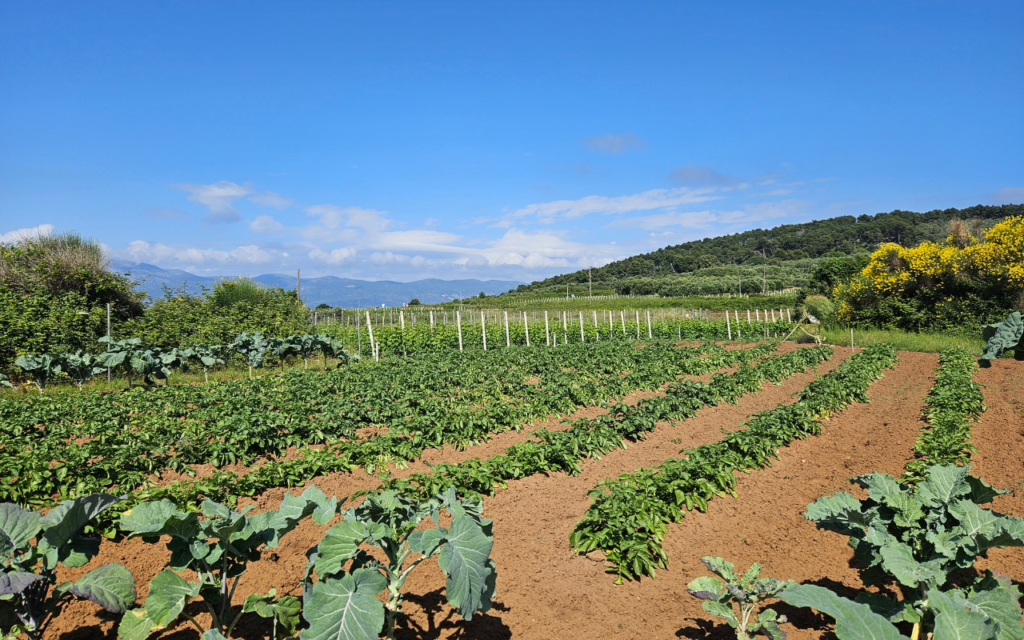
“Coastal vegetation forms the first natural protective barrier between land and sea. Our research shows that rocky coastal plant communities remain relatively stable, while those on gravel and sandy beaches are much more vulnerable to human activities. Particularly concerning is the decline of several characteristic dune plant species, making their continuous monitoring essential for planning future conservation measures,” Dolina noted.
For this reason, the conservation of coastal vegetation, sandy beaches, and Posidonia seagrass meadows cannot be viewed separately. These interconnected habitats work together to protect the coastline, reduce the impacts of climate change, and strengthen the resilience of the entire coastal ecosystem.
Posidonia – a powerful ally against climate change
Another key topic of the workshop was Posidonia oceanica, one of the Mediterranean’s most valuable marine flowering plants.
Barbara Čolić, MSc in Ecology and Nature Protection, presented the results of Posidonia monitoring and explained why scientists often refer to the species as a “super plant.”
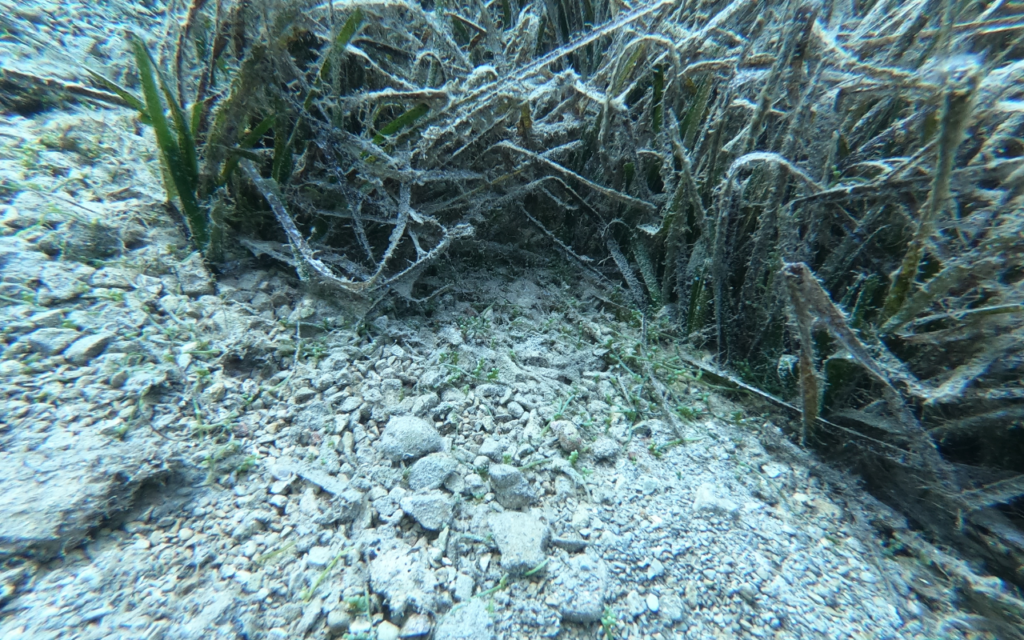
“Posidonia produces large amounts of oxygen, provides habitat for countless marine organisms, and is one of the Mediterranean’s most important natural carbon sinks. A single square metre of Posidonia meadow can produce between 14 and 20 litres of oxygen per day, while its rhizomes and surrounding sediments store carbon for centuries, helping mitigate climate change. Per hectare, Posidonia meadows can store up to fifteen times more carbon than the Amazon rainforest,” Čolić explained.
To assess the condition of these valuable habitats, the project carries out systematic monitoring of Posidonia meadows. Researchers record their distribution, density, coverage, associated species, and the types of threats affecting them. These data enable the early detection of environmental changes and support the planning of more effective conservation measures.
“Anchoring is the greatest threat to Posidonia. The plant grows extremely slowly—only about one centimetre per year—so the damage caused by a single anchor can remain visible for decades. Coastal construction and marine pollution also pose serious threats,” Čolić warned.
Tourism and nature conservation must go hand in hand
Korčula is renowned for its outstanding natural beauty, with its rare sandy beaches, Posidonia meadows, and well-preserved coastal vegetation representing some of its most valuable natural assets. At the same time, these habitats are increasingly threatened by climate change and growing tourism pressure.
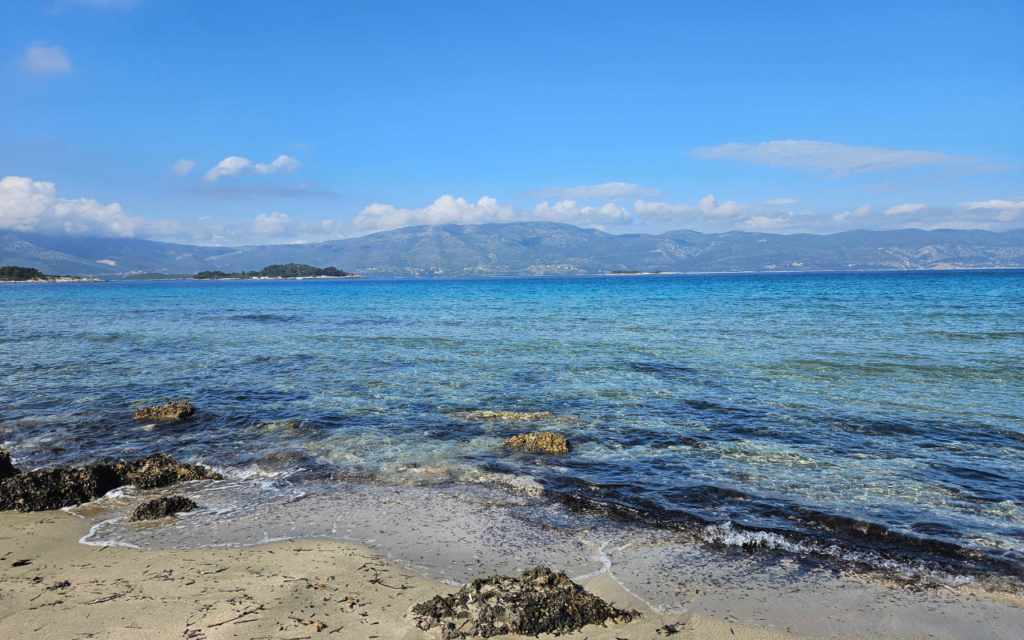
Workshop participants stressed that nature conservation does not mean limiting tourism development, but rather planning it responsibly. The natural heritage of the Adriatic coast is the foundation of its attractiveness, making habitat protection and sustainable tourism complementary rather than competing objectives.
For this reason, cross-border cooperation, the exchange of expertise, the development of shared monitoring methods, and the active involvement of local communities are considered essential steps toward a future strategy for preserving the Adriatic’s natural heritage. Through the ASPEH project, partners aim to demonstrate that collaborative action can successfully protect nature while enabling the sustainable use of coastal areas.
