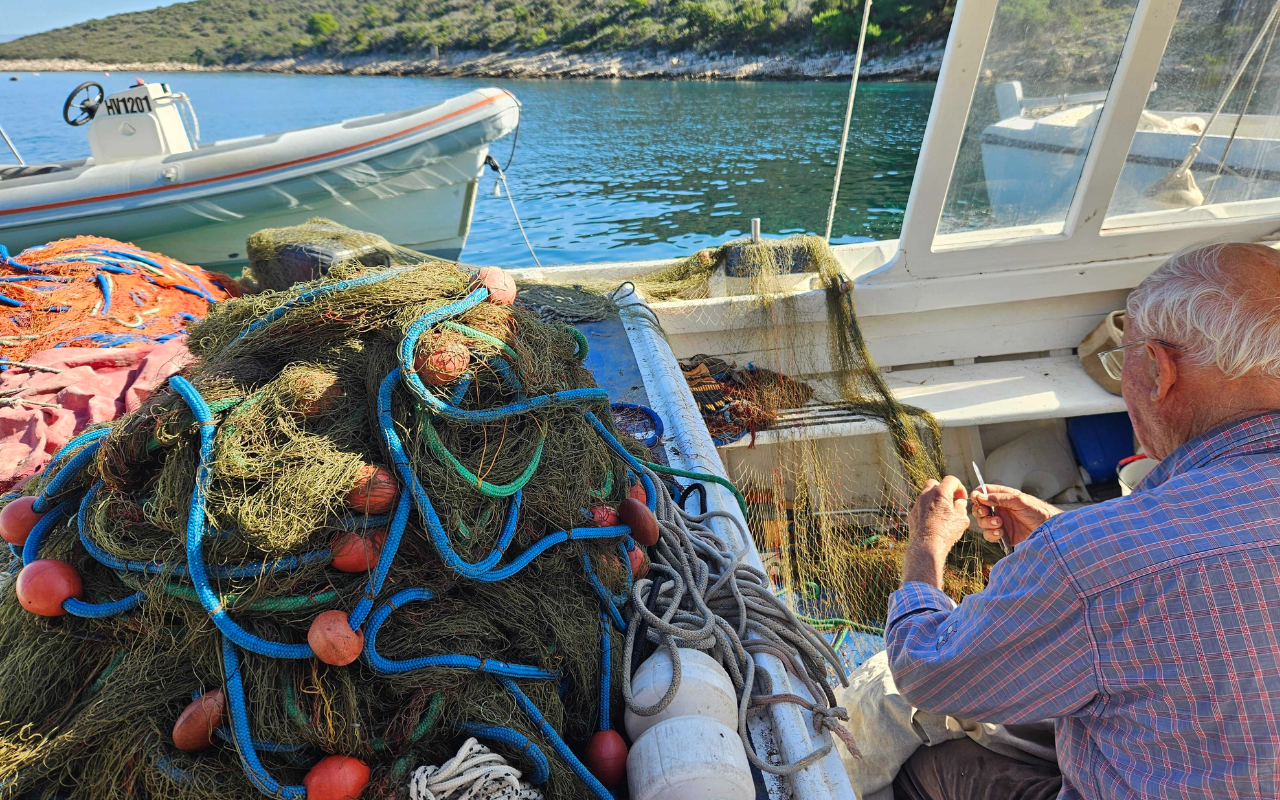
It is estimated that more than five trillion pieces of plastic are currently floating in the world’s seas and oceans. However, this figure does not come close to representing the true amount of waste in marine environments, as it does not include debris lying on the seabed or washed up on beaches. Marine litter can be found everywhere, even in areas completely isolated from direct human influence.
A portion of this waste ends up in fishing nets every day. While many people only notice marine litter when it reaches the shore, fishers encounter it during nearly every working day. Because marine litter has become part of their daily reality, many experts believe that fishers can play a crucial role in its removal from the sea.
A problem we cannot ignore
Marine litter is one of the greatest environmental challenges of our time. Particularly concerning is the fact that most of this waste consists of plastic, which decomposes extremely slowly—according to some estimates, it can take more than 450 years. Even then, plastic does not completely disappear; instead, it breaks down into tiny particles known as microplastics.


The consequences of marine litter are not merely aesthetic. Marine animals are among the most affected, often mistaking plastic for food or becoming entangled in it. Numerous cases of injury and death have been documented among sea turtles, birds, fish, and marine mammals due to plastic waste in the ocean.
The impacts of marine litter extend beyond marine ecosystems. It also affects tourism, food security, and the economy, with small-scale fishers being particularly vulnerable.
Fishers are the first to notice changes at sea
Around40 million people worldwide are engaged in fishing, and approximately 90% of them are small-scale fishers. For these communities, the sea is their primary source of income, making any threat to marine resources especially serious.
Marine litter caught in fishing gear can damage equipment, increase maintenance and repair costs, and reduce time available for fishing activities. In some cases, waste becomes entangled in boat propellers or increases fuel consumption because litter-filled nets are heavier and more difficult to haul.
Fishers are often portrayed as part of the problem due to lost fishing gear and waste associated with fishing activities. However, this perspective does not exclude their potential role in addressing the issue.
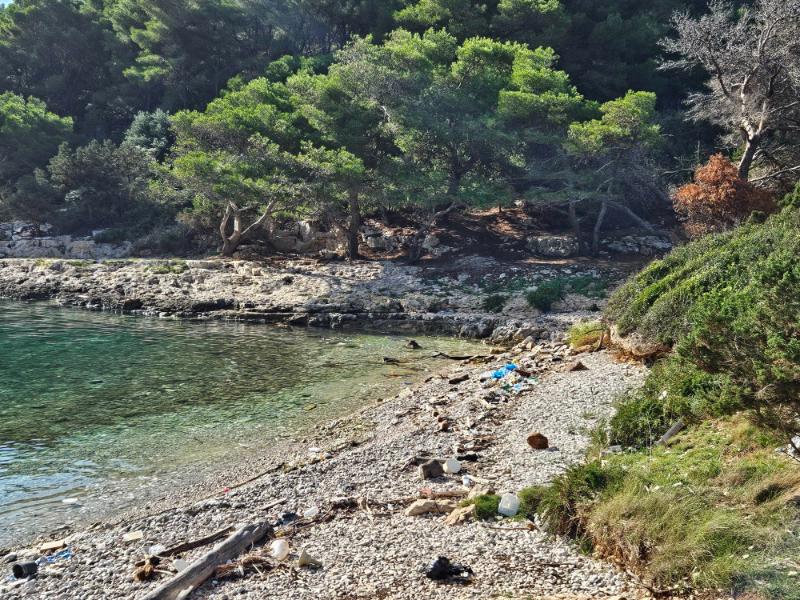
Because they spend their working lives at sea, fishers are often among the first to observe environmental changes and the impacts of marine litter. Their experience and direct connection with the marine environment make them valuable contributors to monitoring and removing waste from the sea (Guerrato & Gonçalves, 2025).
Lost fishing gear that continues to catch
One particularly problematic form of marine litter is known as ghost gear—lost, abandoned, or discarded fishing equipment. This includes nets, ropes, longlines, traps, and other gear left behind in the marine environment after being lost or abandoned.
Such waste continues to “fish” even after it is no longer in use, a phenomenon known as ghost fishing. Lost nets can trap fish, crabs, sea turtles, and other marine organisms for years, often leading to their death. In addition to harming marine life, abandoned fishing gear damages habitats and coral communities, disrupting entire ecosystems.
Some people assume that this gear is intentionally discarded, but that is not always the case. Nets can be lost due to severe weather, strong currents, collisions with other vessels, or snagging on the seabed. For this reason, experts argue that the issue should be addressed through cooperation rather than by simply blaming fishers.
Fishing for Litter: when fishers become part of the solution
In recent years, increasing attention has been given to the Fishing for Litter program. Under this initiative, fishers collect litter that becomes caught in their nets during normal fishing operations and bring it back to shore for proper disposal.
The program was first launched in the early 2000s in the North Sea and later expanded to other European countries, including Italy, Croatia, and Spain. Fishers are provided with special bags or containers for collecting waste, while ports organize facilities for receiving and managing the material brought ashore.
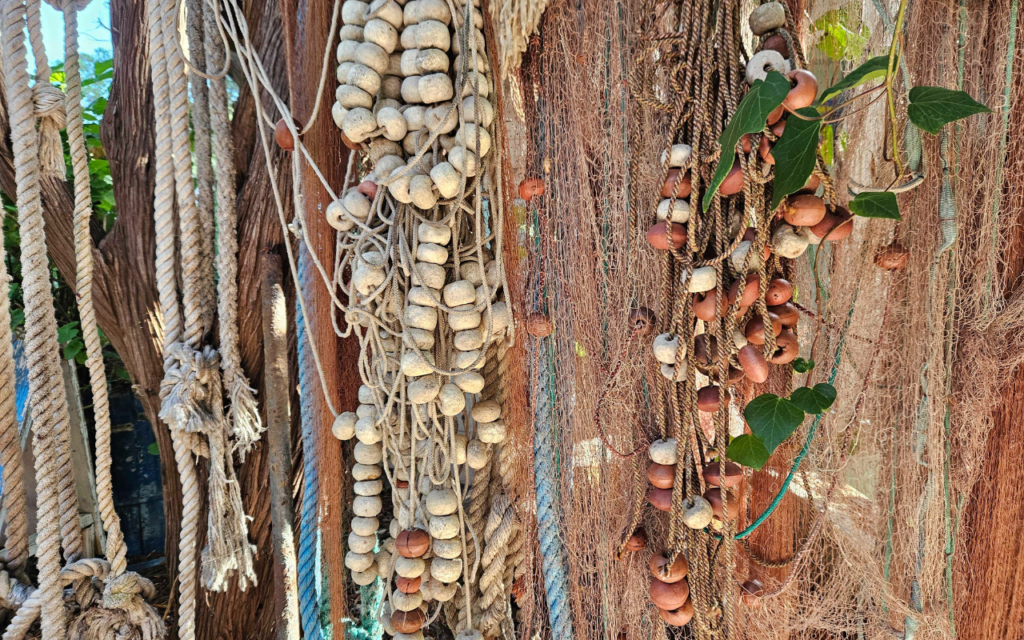
Scientific research shows that the public generally views such programs positively and believes that fishers can contribute significantly to reducing marine litter.
Although Fishing for Litter cannot solve the global marine litter problem on its own, it helps remove at least a portion of the waste already present in the sea.
Why fishers cannot bear the burden alone
A similar approach is being developed through the FishNoWaste project, which brings together partners from Croatia and Italy with the goal of reducing fishing-related waste in the Adriatic Sea. The project focuses particularly on fishing ports as key locations for collecting and managing marine litter.
As part of the project, researchers analyze the types and quantities of waste brought ashore by fishers, develop models for waste separation, reuse, and recycling, and conduct educational activities for fishers and local communities on sustainable waste management practices.
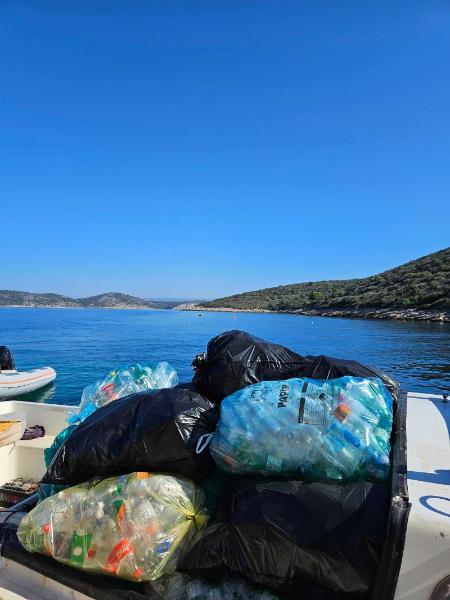
Although such initiatives produce positive results, experts emphasize that fishers cannot solve the marine litter problem on their own. Participation in these programs often involves additional work, costs, and time commitments.
Fishers need sufficient space on board to store collected waste, as well as access to appropriate disposal facilities in ports and clear guidelines on handling the material they bring ashore. Studies show that fishers are more likely to participate in litter-removal programs when they receive institutional support, have access to adequate infrastructure, and feel that their efforts are meaningful and valued.
Interestingly, fishers’ decisions are often influenced by their peers. When they see fellow fishers actively participating in marine conservation efforts, they are more likely to become involved themselves. Education, awareness-raising, and collaboration within local communities therefore play a crucial role in the success of such initiatives.
Can the marine environment become cleaner?
Experts agree that addressing marine litter requires a combination of measures, including reducing single-use plastics, improving waste management systems, educating citizens, cleaning coastal areas, and strengthening cooperation with fishers.

Fishers may not be able to clean the sea on their own, but they occupy a unique position. As people who spend their days at sea, they are often the first to identify areas where litter accumulates. Projects such as Fishing for Litter and FishNoWaste demonstrate that fishers can become important allies in marine conservation, particularly when supported by ports, local communities, and government institutions.
The article “Fishers as Part of the Solution: Removing Marine Litter from the Sea” is part of a series of student articles produced within the Interreg Italy–Croatia FishNoWaste project.

References
Bergmann, M., Gutow, L. i Klages, M. 2015. Marine Anthropogenic Litter. Springer Open.
Chen, C.-L., Jian, X.-N., Wang, T.-Y. i Huang, S.-W. 2025. Decoding Factors to Fishing for Litter: A Game-Changer for Engaging Fishers in Marine Conservation Initiatives. Sustainability, 17(1): 316.
Forleo, M.B. i Romagnoli, L. 2023. Fishing for litter for the reduction of marine plastic debris: What benefits and costs do Italians perceive?. Marine Pollution Bulletin, 192: 115018.
Guerrato, N.R. i Gonçalves, L.R. 2025. Netting the problem: a comprehensive analysis of marine litter on artisanal fishers. Frontiers in Ocean Sustainability, 2: 1474477.
Nguyen L. i Brouwer R. 2022. Fishing for Litter: Creating an Economic Market for Marine Plastics in a Sustainable Fisheries Model. Frontiers in Marine Science, 9: 722815.
Macfadyen, G., Huntington, T. i Cappell, R. 2009. Abandoned, lost or otherwise discarded fishing gear. FAO Fisheries and Aquaculture Technical Paper No. 523. Rome: Food and Agriculture Organization of the United Nations/United Nations Environment Programme.