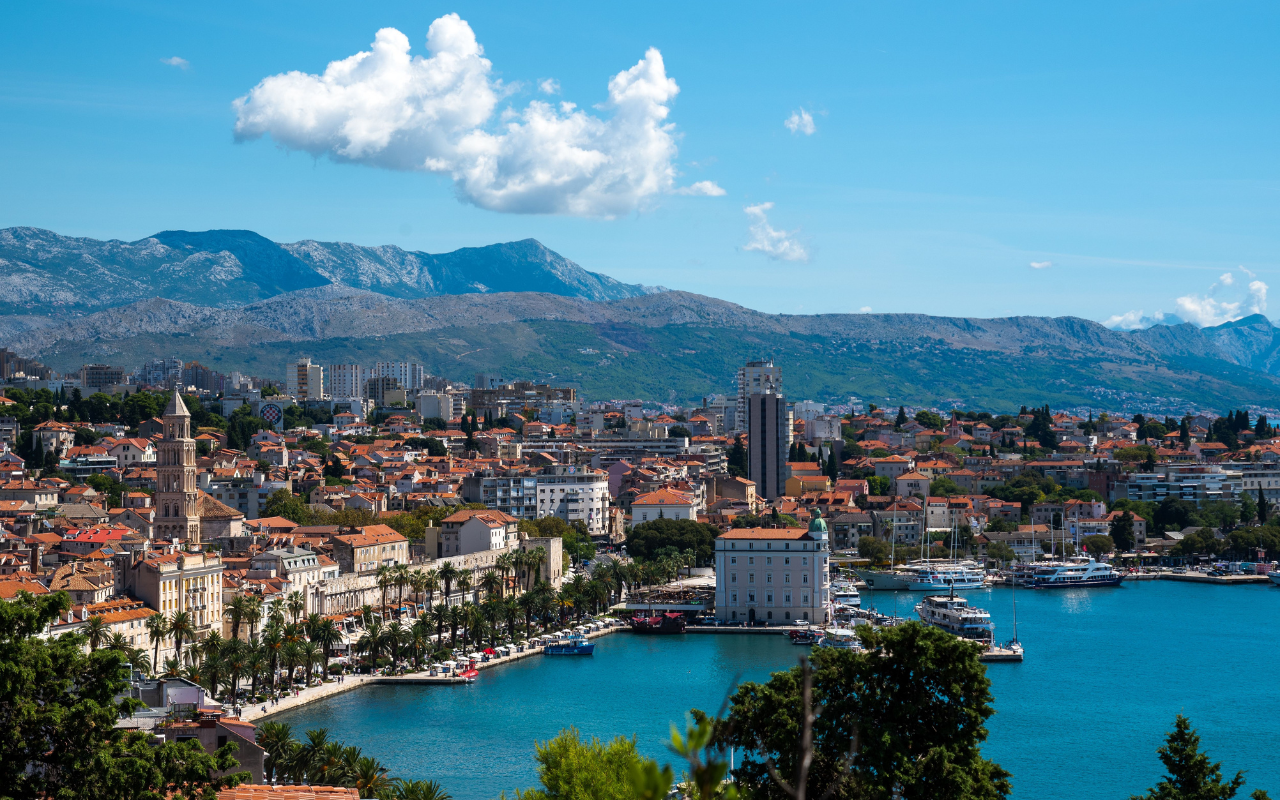
The Split Destination Management Plan for 2026–2029 is an opportunity for Split to make an important shift: from managing growth in tourist numbers to genuinely managing the impacts of tourism on the city, the environment and residents’ quality of life.
Sunce has proposed amendments aimed at ensuring that sustainability does not remain merely a stated principle in this document, but is translated into concrete, measurable and implementable measures.
Sustainability is about more than managing crowds
The draft Plan recognises spatial overcrowding, traffic pressures and dissatisfaction among part of the local population with the development of tourism. However, the pressures tourism places on Split extend much further. During the tourist season, waste generation and water consumption increase, wastewater and sewerage systems come under greater strain, public spaces are used more intensively and traffic volumes rise. At the same time, climate change and the climate crisis we are approaching further increase the need for green spaces, responsible water use and more resilient urban infrastructure.
We therefore believe that the Plan must provide a clearer answer to a simple question: how will tourism in Split become more environmentally sustainable by 2029, and how exactly will its negative impacts be reduced?
Above all, Split must reduce waste generation
The insufficient attention given to waste management is particularly concerning. Split still has neither a composting facility nor a reuse centre, while waste prevention and reuse have not been systematically developed. The separate waste collection system also remains insufficiently developed.
The Plan should therefore not focus solely on waste collection capacity. Concrete measures are needed to prevent waste generation and promote separate collection, reuse, recycling and biowaste management.

We see particular potential for implementing the priority of reducing waste generation while simultaneously educating residents and tourists through public events free from single-use plastics. Croatian cities already have good practices that Split can draw on. Through the Plastic Smart Cities Croatia project, Dubrovnik and Trogir developed action plans to reduce plastic pollution, while Šibenik has demonstrated that more sustainable models can also be applied to public events. A good example can be found in Split itself: at Poljud Stadium, reusable cups with a deposit-return system are already in use. What currently exists as an isolated example of good practice should become the standard for events organised, co-organised or funded by the City.
Water and green spaces must become strategic priorities
With increasingly prolonged periods of drought and significant seasonal increases in consumption, the Plan must address water management more comprehensively. Water conservation and efficient water use in tourist facilities should be encouraged, while public infrastructure such as public drinking fountains and water refill stations should also be developed. This would both conserve a valuable resource and reduce the use of water sold in single-use plastic bottles.
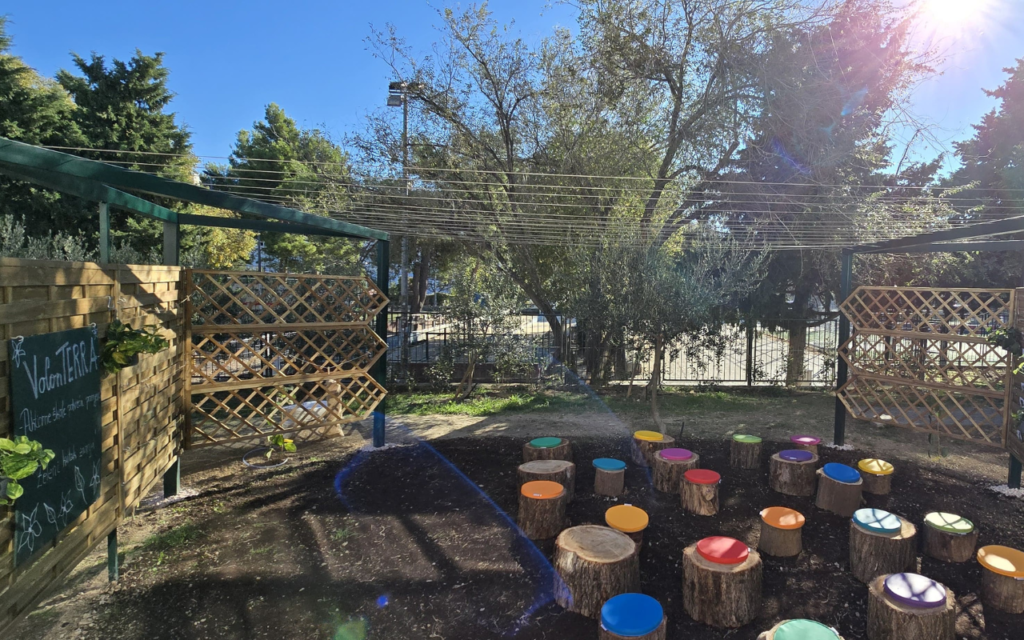
Green infrastructure is equally important. Green and permeable surfaces are not merely a matter of the city’s appearance; they help mitigate heatwaves, retain rainwater, reduce surface runoff and strengthen the city’s resilience to the impacts of climate change. Numerous examples have already demonstrated how nature-based solutions can make a significant contribution to mitigating the climate crisis. For example, Sunce participated in establishing school gardens at the Skalice, Kamešnica, Dobri and Brda primary schools as nature-based solutions that transform previously underused areas into greener spaces, create cooler environments, and contribute to improved stormwater management and biodiversity conservation.
More public transport, walking and cycling – not just more parking
Split’s traffic problems cannot be solved in the long term simply by building new roads and increasing parking capacity. Tourism development must go hand in hand with better public transport, safe pedestrian and cycling infrastructure, and improved integration of sustainable modes of transport.

The goal must be to reduce dependence on private cars, particularly in the parts of the city under the greatest pressure from tourism, while promoting sustainable forms of transport and solutions that will not bring additional car traffic into the city – which is precisely what creating new parking spaces encourages.
Tourism development must respect the area’s carrying capacity and must not focus exclusively on growth
The spatial dispersal of tourists must not simply mean expanding tourism activities into new, previously undeveloped or less burdened areas and green zones. It must be aligned with the area’s carrying capacity and with the protection of nature, biodiversity and the landscape.
Particular caution is required when increasing tourism use of areas located within or in the immediate vicinity of the Natura 2000 ecological network.
Residents are more than stakeholders – their quality of life must be a measure of success
The draft itself reveals considerable dissatisfaction among residents with the development of tourism. These findings must not simply be recorded; they must have consequences for the decisions that are made.
The Destination Management Plan can be an important tool for steering Split towards a more sustainable model of tourism, but only if its measures are sufficiently concrete, measurable and focused on genuinely reducing the pressures that tourism places on space, the environment and the local community.
Ultimately, successful tourism is not simply tourism that attracts visitors, but tourism that contributes in the long term to a city where people can enjoy a high quality of life. Split should therefore develop tourism at a scale and in a manner that safeguards its resources, space and identity while simultaneously benefiting the local community.
Get involved and submit your comments
Sunce’s detailed and substantiated comments on the Draft Proposal of the Split Destination Management Plan for 2026–2029 are available at this link.
If you care about how tourism in Split will develop in the coming years and how it will affect the city’s space, resources and quality of life, take part in the public consultation. When preparing your own proposals, you are welcome to use Sunce’s comments, either in full or in part.
Proposals must be submitted using the prescribed form no later than 10 September 2026, by email to [email protected] or by post to:
Split Tourist Board
Obala Hrvatskog narodnog preporoda 9
21000 Split
Croatia
with the following reference: “Public Consultation on the Draft Proposal of the Split Destination Management Plan for 2026–2029.”
The documentation and participation form are available on the websites of the City of Split and the Split Tourist Board.
By participating in the consultation, we can help ensure that the final Plan takes into account the different perspectives and needs of those who live, work and stay in Split, and that tourism development is aligned with the capacity of the city and the interests of the local community.
Share this article on social media as well, so that information about the public consultation reaches as many residents as possible.