Through the implementation of the AWASTER – Adopting WASTE as Resource project, funded by the Interreg Italy–Croatia cross-border cooperation programme, partners from Croatia and Italy jointly explored practical solutions for more sustainable waste and resource management.
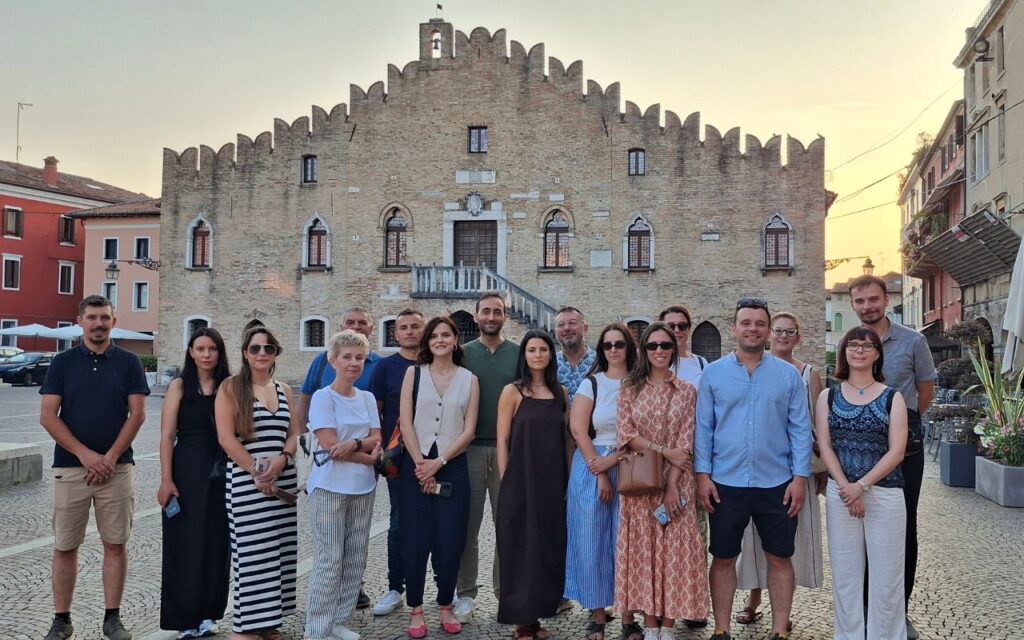
The project has been implemented since 2024 with the aim of promoting the circular economy and sustainable resource management. The project lead was the Istrian Regional Energy Agency – IRENA, while the partners were Sunce, the Italian LAG VeGAL, SINLOC SPA from Padua, the City of Casarano, and the Croatian LAG 5 from Korčula.
Throughout the project, schools, local communities, public institutions and civil society organisations joined forces to turn the principles of the circular economy into concrete activities. From coastal clean-ups and waste monitoring to recycling, composting, reuse and 3D printing, AWASTER demonstrated that waste can be given a new life.
Together for a better future
Particular emphasis was placed on children and young people. Through workshops, EcoLabs, creative activities and practical experiments, they learned how to reduce the amount of waste they generate and contribute to protecting the Adriatic Sea. An important objective was also to encourage students to pass on the knowledge they acquired to their parents and the wider community.
In Croatia and Italy, schools organised educational activities on marine litter, plastic pollution, recycling, waste prevention and marine protection.
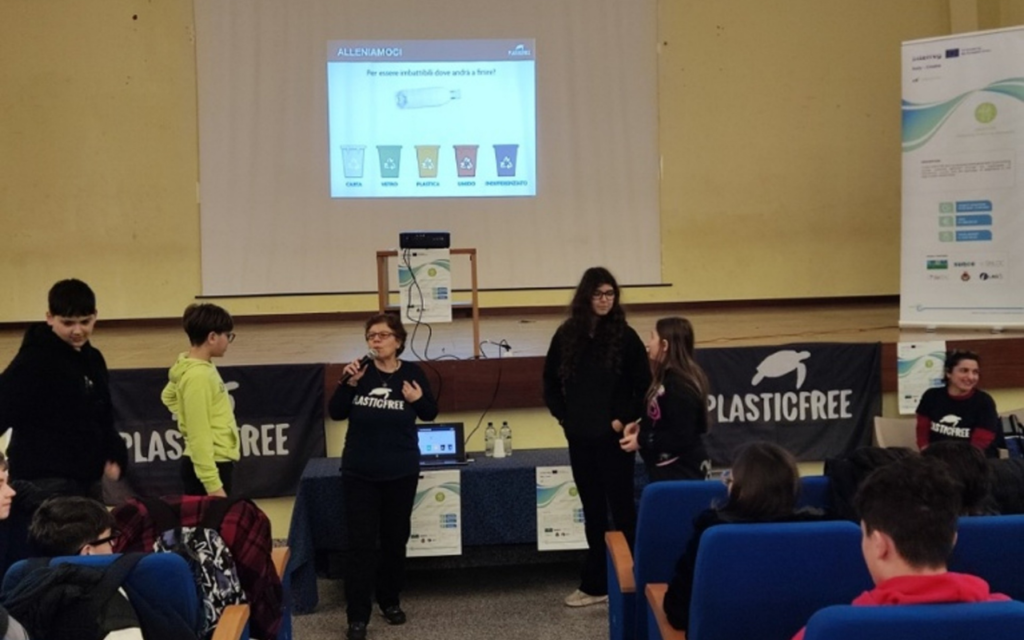
In Istria, IRENA implemented the “AWASTER – Less Waste, More Success” programme in 7 schools and kindergartens, involving 198 children and students. Through presentations, quizzes, waste-sorting games and demonstrations of plastic recycling, they learned about waste management, including how plastic bottle caps can be transformed into filament for 3D printing.
Sunce organised introductory workshops in the Visoka and Skalice primary schools in Split, while VeGAL implemented a programme in Italy combining lectures, scientific experiments, creative workshops and theatre performances. More than 200 students and teachers took part in the interactive performance “Alice oltre lo spreco”.
The City of Casarano organised educational workshops for more than 200 students, while LAG 5 involved 61 students in activities focused on waste prevention, reuse and recycling.
VeGAL also implemented the RESET programme with secondary schools in the Portogruaro area. The programme was divided into several phases. In the first phase, RESET LIVE, around 130 students from six classes took part in immersive and gamified workshops focusing on ecological footprints, limited resources and Earth Overshoot Day. Activities included quizzes, team problem-solving and simulations, while also helping to identify students and teams for the practical activities that followed.
In the second phase, RESET LABORATORY, around 180 students took part in a practical EcoLab, where they learned how plastic after use, primarily HDPE, can be sorted, shredded and processed into new products.
Learning through clean-up actions
Students and local volunteers took part in coastal and other clean-up activities, learning how to identify, sort and record different types of waste in the process.
IRENA organised two clean-up actions in Istria. In the Teleferika area in Rabac, around 200 kg of waste was collected, while in Valsaline Bay in Pula, 60 students collected, sorted and recorded 81.79 kg of waste.
Sunce organised a clean-up of the Pantana area near Trogir, where 56 participants collected 112.85 kg of waste, comprising 3,183 individual items.

VeGAL organised four clean-up actions on beaches in Bibione, Caorle and Jesolo. The activities included waste collection, monitoring and citizen science. Around 170 kg of waste was collected during one action, while approximately 2,600 individual items were recorded during another.
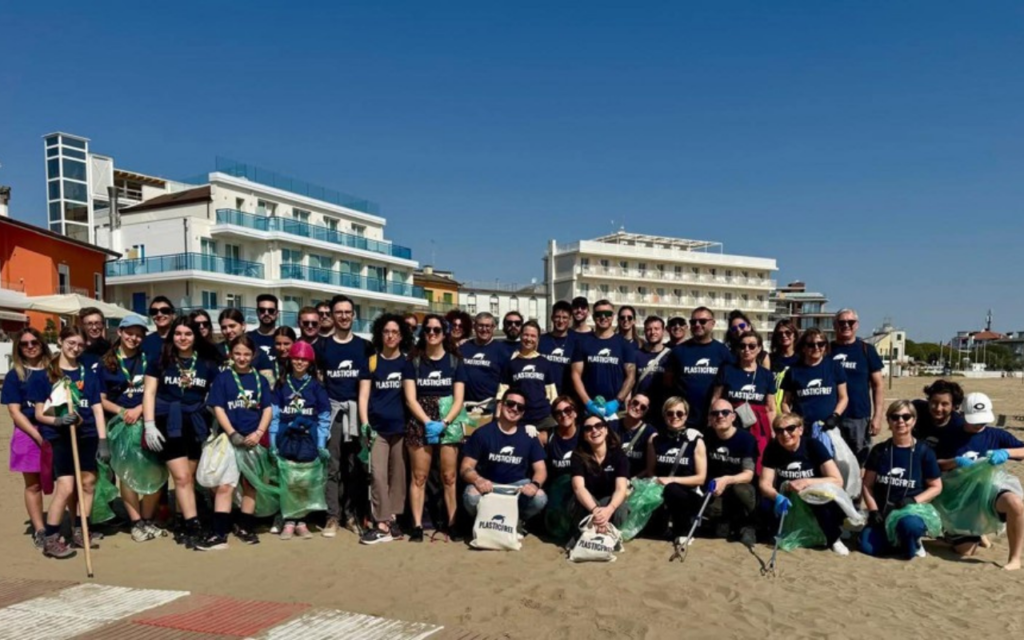
On Korčula, students and volunteers collected around 20 kg of waste in Žrnovo and 35 kg in Rasohatica Bay during two clean-up actions.
These activities demonstrated that environmental protection is not merely a topic to be studied in the classroom, but something to which everyone can actively contribute.
Waste Footprint application
As part of the project, the Waste Footprint application was also tested. The application was designed to help students learn about waste and record the materials they collect.
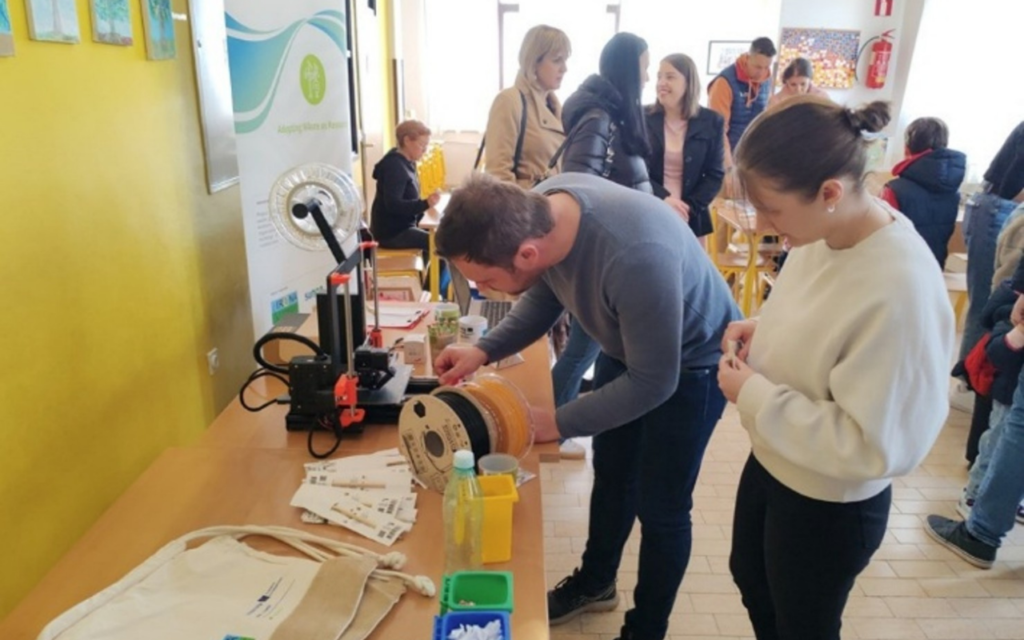
IRENA tested the application in three schools in Istria from August 2025 to June 2026. Students and teachers rated it as easy to use, particularly for students in grades 3 to 6, and no major technical issues were recorded during the testing period.
The City of Casarano used the application during a school clean-up action involving 33 students. Other partners were at different stages of presenting and introducing the application in schools.
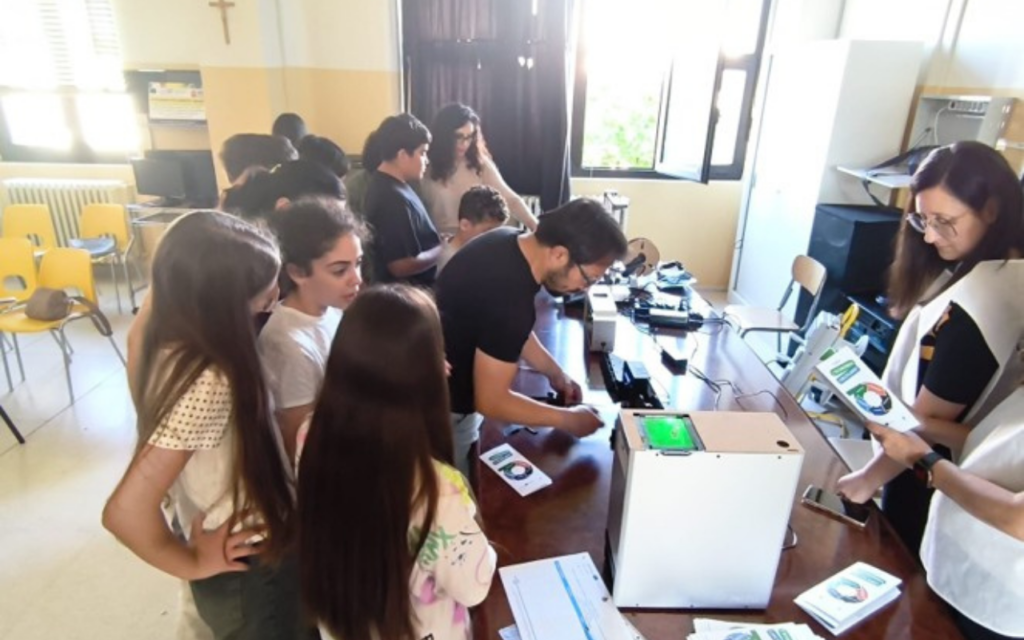
The experience showed that the application has significant potential as an educational tool, with opportunities for further development, such as simplifying its use, enabling data entry for entire classes, adding visual content and providing data export options.
Children share their knowledge with parents
An important part of the project was connecting what students learn at school with everyday family life. For this reason, schools organised exhibitions, workshops, demonstrations and creative activities for students, parents and the wider community.
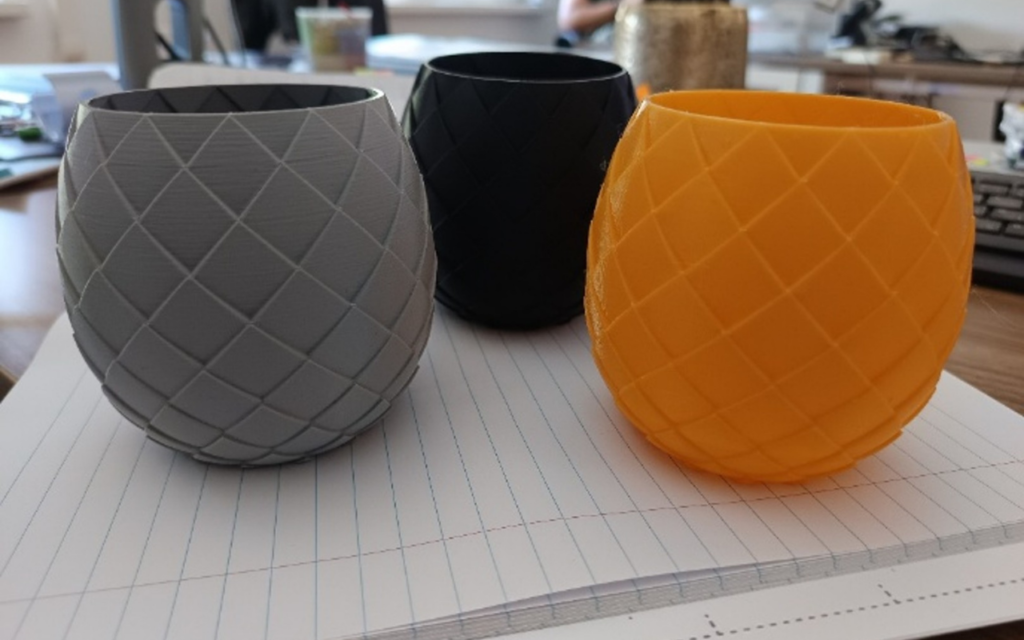
In Istria, students created artworks from plastic bottles and marine litter and took part in demonstrations of 3D printing using recycled plastic.
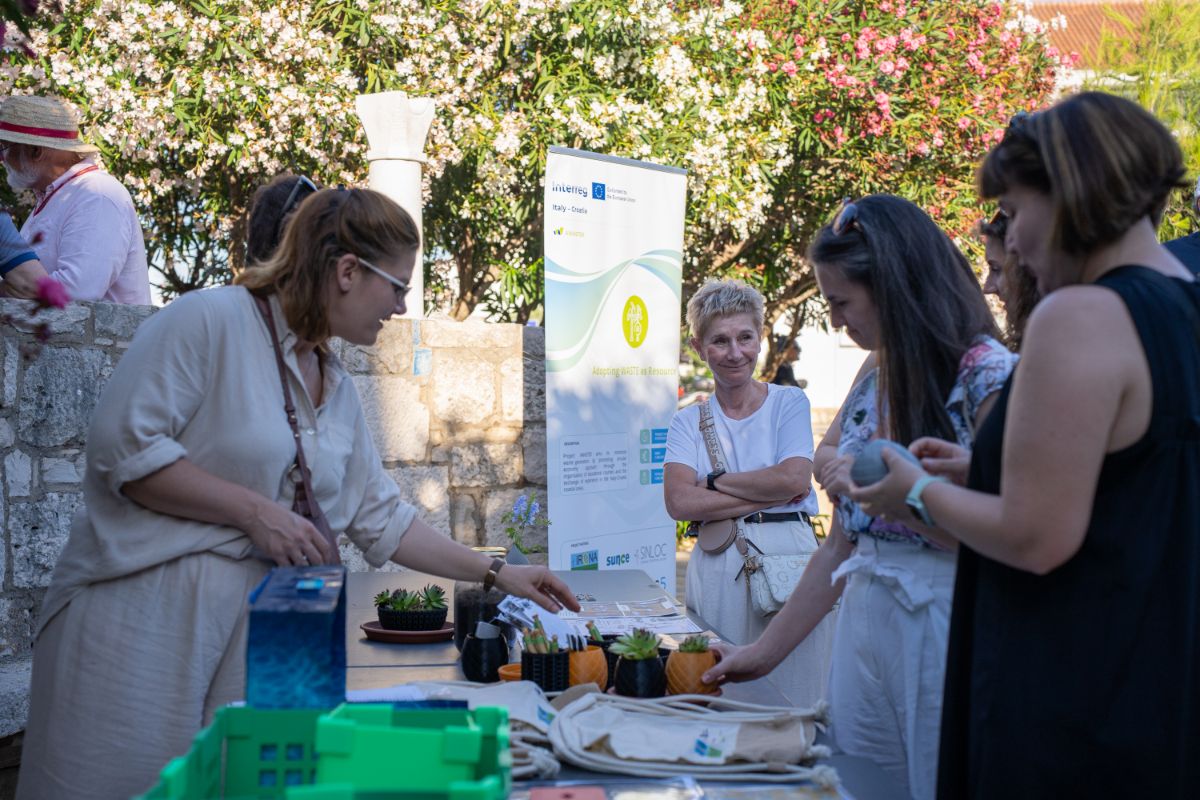
In Split, Sunce organised reuse workshops in which students, teachers and parents transformed marine and household waste into useful objects such as windmills, picture frames and pencil holders. More about the workshops can be found HERE.
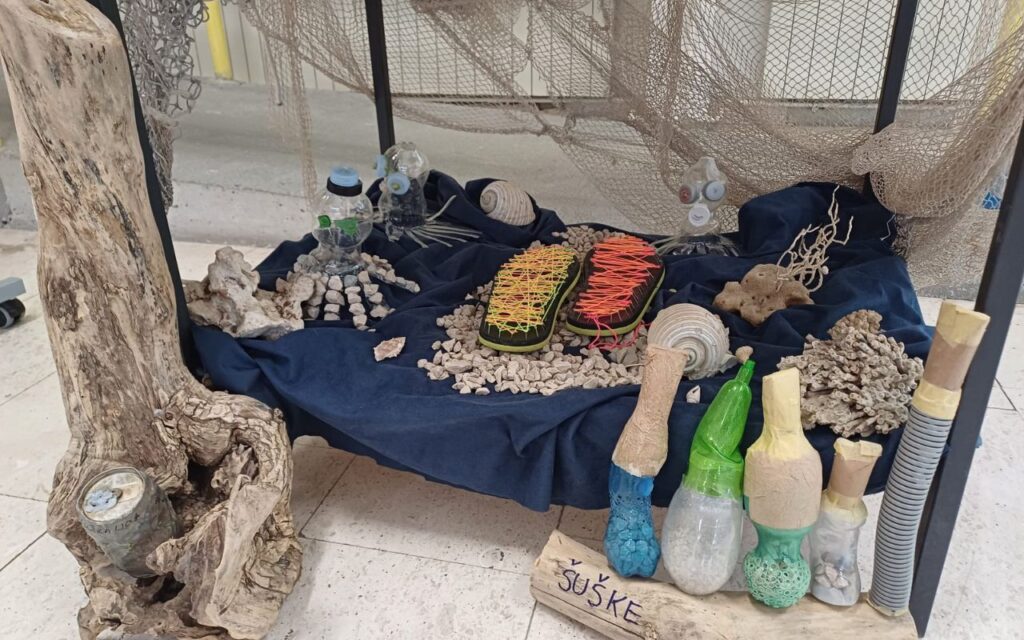
In Casarano, families took part in the creative challenge “The Mysterious Object”, exploring new ways to reuse items that would otherwise end up as waste, as well as participating in a 3D printing demonstration.
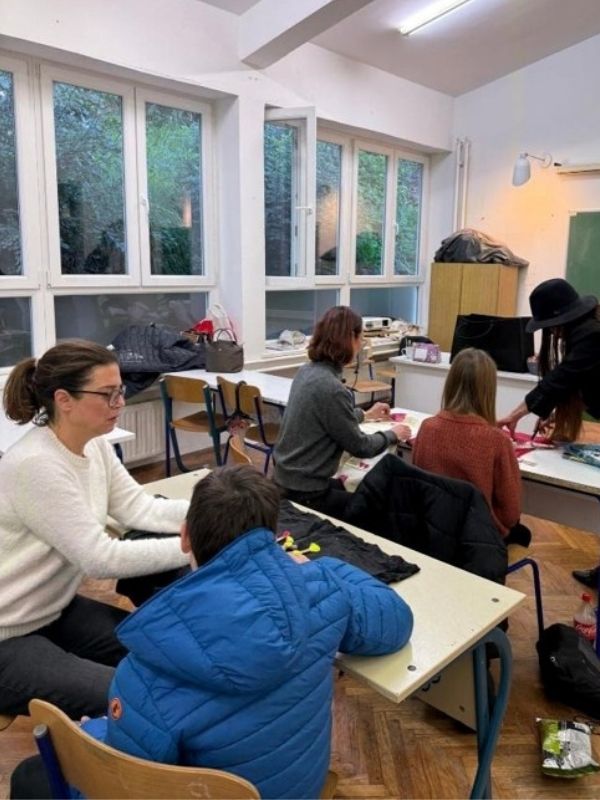
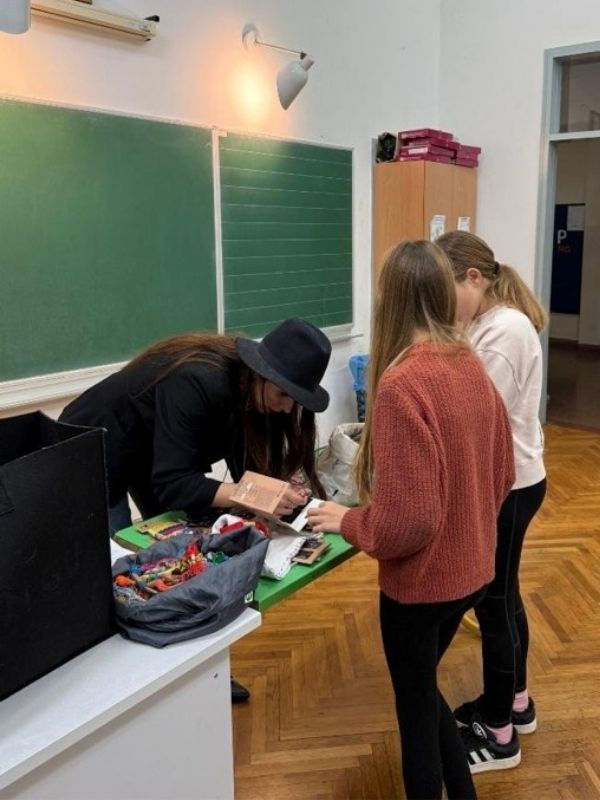
On Korčula, students and parents transformed old clothes into reusable fabric bags, while learning about the concepts of reuse, slow fashion and textile waste reduction.
From waste to a new product
One of the most practical results of the project was the establishment and use of EcoLabs in schools. They enabled students not only to learn about recycling, but also to experiment with real materials and technologies themselves.
IRENA established EcoLabs in six schools in Istria County, involving around 180 students. As part of the EcoLab activities, students learned how plastic waste can be transformed into filament for 3D printers, created new objects, learned about composting and used compost to grow herbs in school gardens.
At Rivarela Primary School in Novigrad, students applied the knowledge they had acquired in an intergenerational activity, planting ornamental flowers and herbs together with residents of the Novigrad nursing home.
Sunce carried out 3D printing-related activities in three schools in Split. Students visited a plastic recycling facility and then used recycled materials to create products such as models of marine ecosystems, waste-sorting boxes and a lamp.
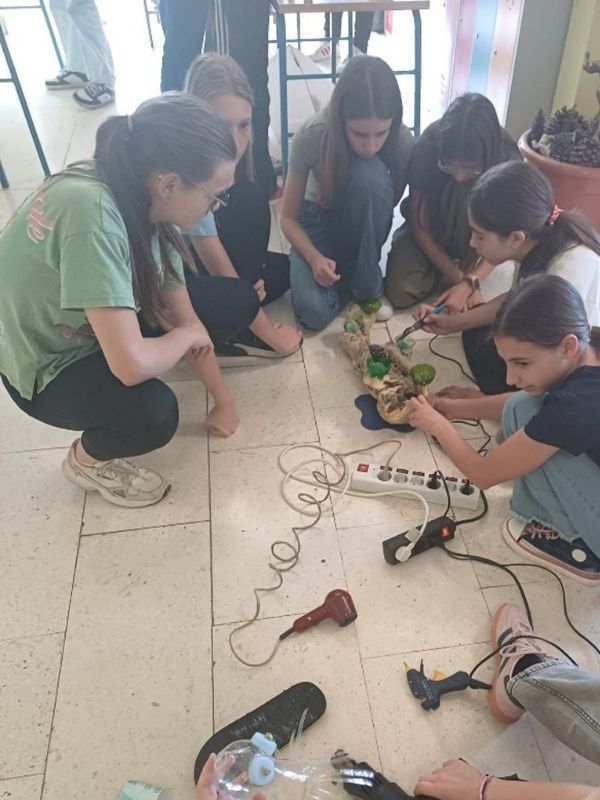


Through the RESET programme, VeGAL involved around 180 students in HDPE plastic recycling activities. Students learned how to sort, clean, shred and shape plastic and use it to create new objects.
The City of Casarano established seven EcoLabs equipped with 3D printers and plastic-processing equipment, while LAG 5 established EcoLabs at Petar Šegedin Secondary School and Petra Kanavelić Primary School. There, students learned about composting and using recycled plastic for 3D printing.
What did we achieve?
AWASTER demonstrated that students learn best when they can see, touch and create something themselves. Practical activities such as environmental clean-ups, recycling, 3D printing, composting and creative workshops are particularly effective in stimulating interest in and understanding of the circular economy.
At the same time, the project demonstrated the importance of cooperation among schools, local authorities, civil society organisations, businesses and local communities. Cross-border cooperation between Croatia and Italy enabled the exchange of experiences, the testing of new approaches and the development of solutions that can continue to be applied after the project ends.
Most importantly, students learned that waste does not always have to be something that is thrown away. With knowledge, creativity and the right technology, some waste can become a new material, a useful product, compost or a work of art.
Today, after two years of implementation, the project leaves behind not only new equipment and tools in schools, but also new knowledge, skills and experiences.
The project has shown that the journey from waste to resource begins with small steps – at school, at home and in the local community – and that, through joint action, these steps can contribute to a more sustainable future.