Can waste from beaches become a valuable resource? And can children become drivers of change for the future of the Adriatic? These are the questions that project partners of AWASTER – Adopting WASTE as Resource, funded through the Interreg Italy–Croatia cross-border cooperation programme, have been exploring in recent years.
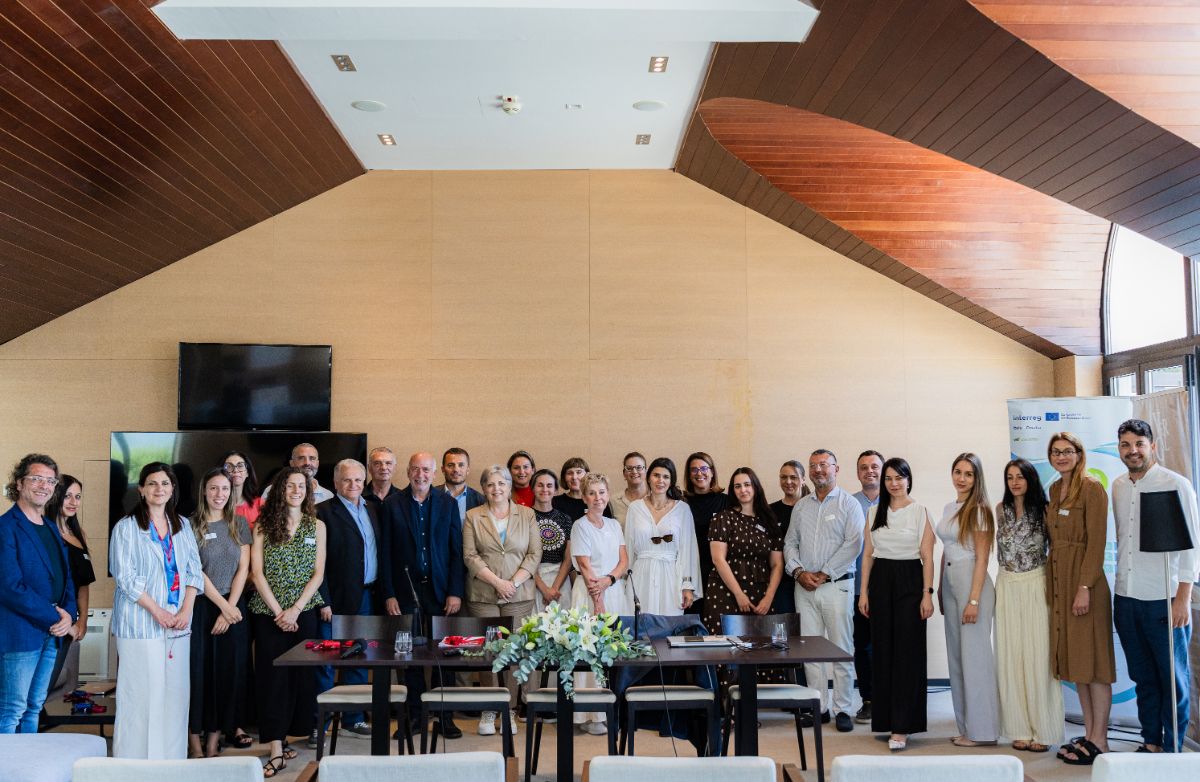
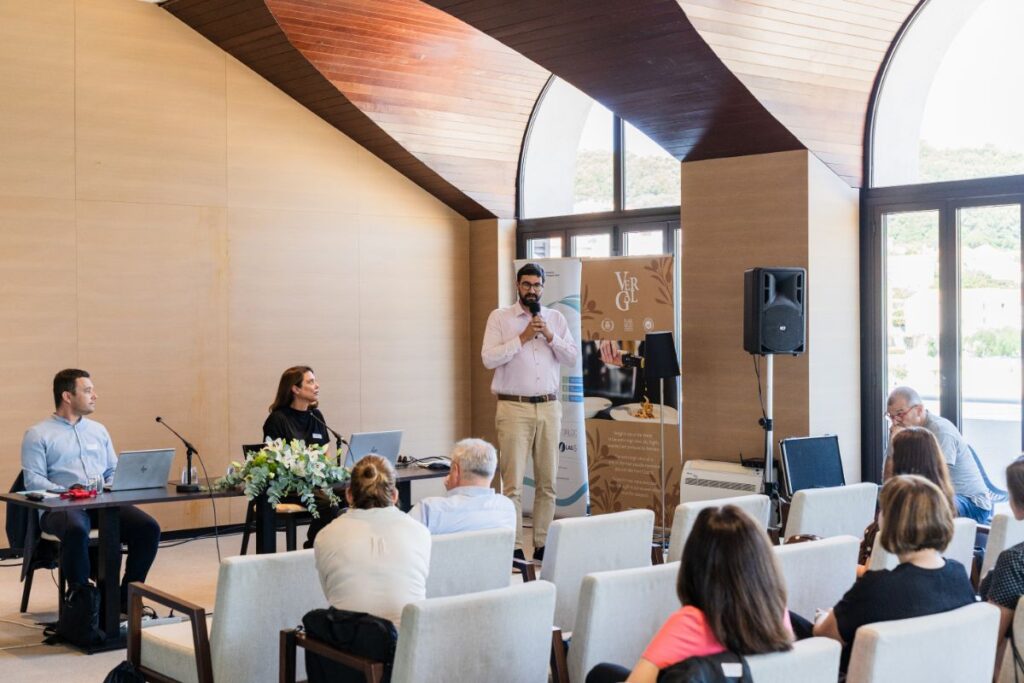
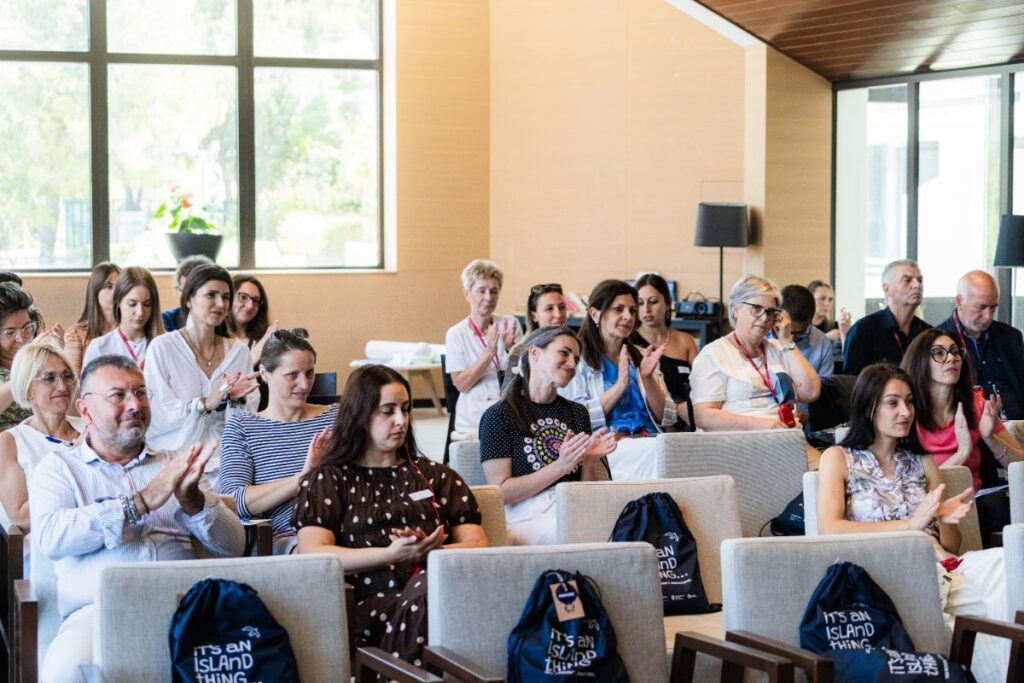
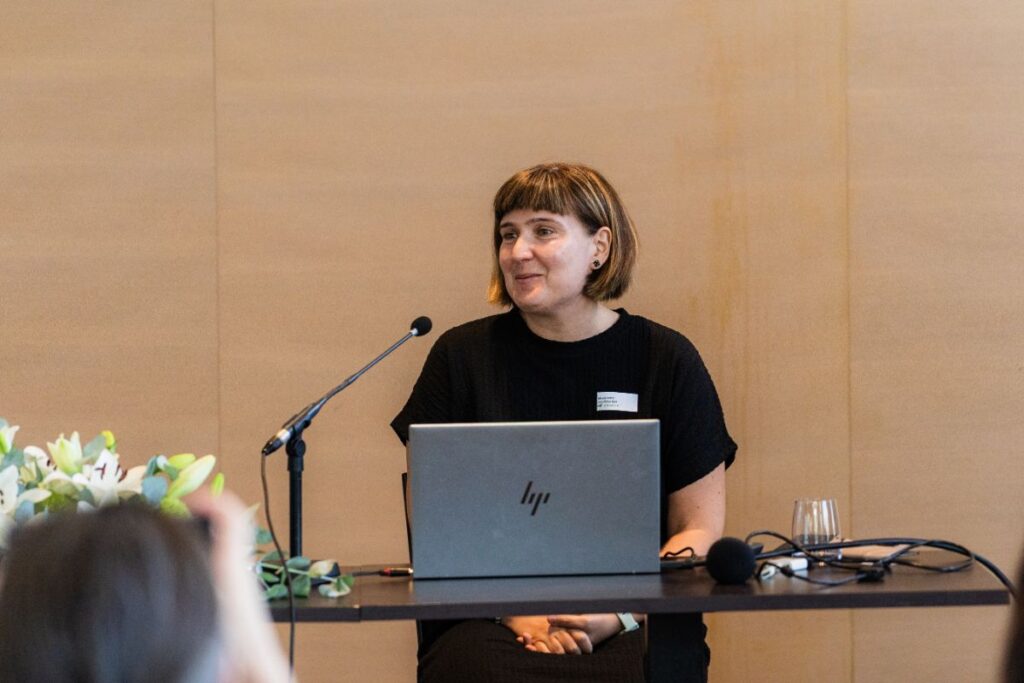
The results of their work focused on developing the circular economy and more sustainable resource management in the Adriatic region were presented at the final international conference held in Korčula on June 16. The conference brought together representatives of the public sector, educational institutions, development agencies, entrepreneurs, and civil society organizations from Croatia and Italy.
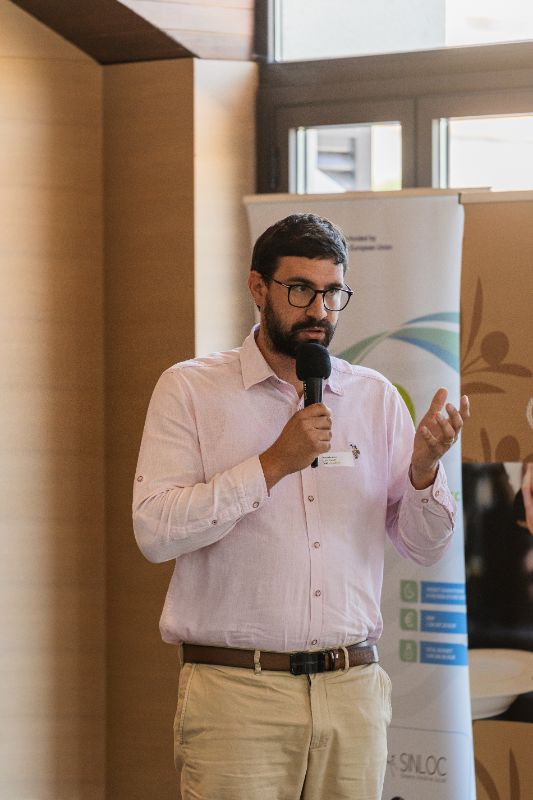
“We are proud that the final conference of the AWASTER project is being held in Korčula. Such projects show how local communities can be part of European solutions to the challenges we face and how, through cooperation, we can create a more sustainable future for our islands and coastline,” said Korčula mayor Frano Jeričević in his opening remarks.
Children as drivers of change
One of the most important components of the project was working with children and young people, who learned through education, workshops, and practical activities how waste can be turned into a resource.
“We are especially pleased that the project focused on children and youth. They are the future carriers of change, and through AWASTER they had the opportunity to learn through practice, develop new skills, and understand how their everyday decisions can contribute to environmental protection,” said Bojana Silić Krstulović from LAG 5.
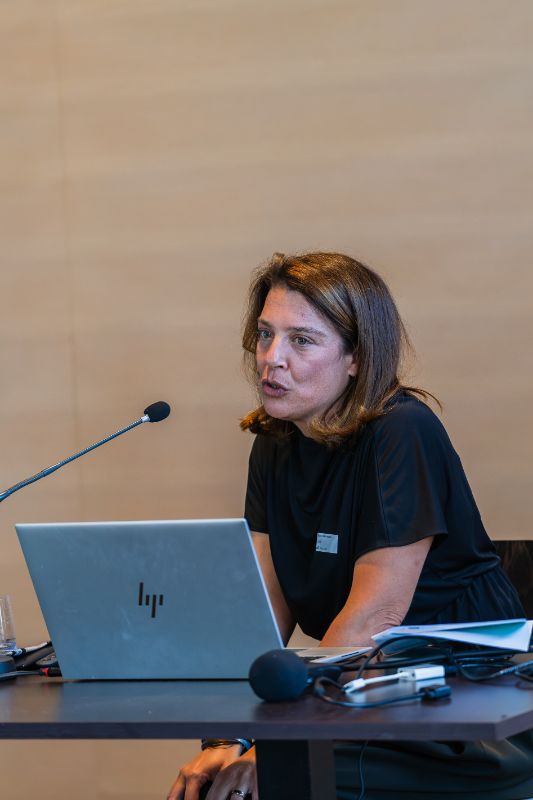
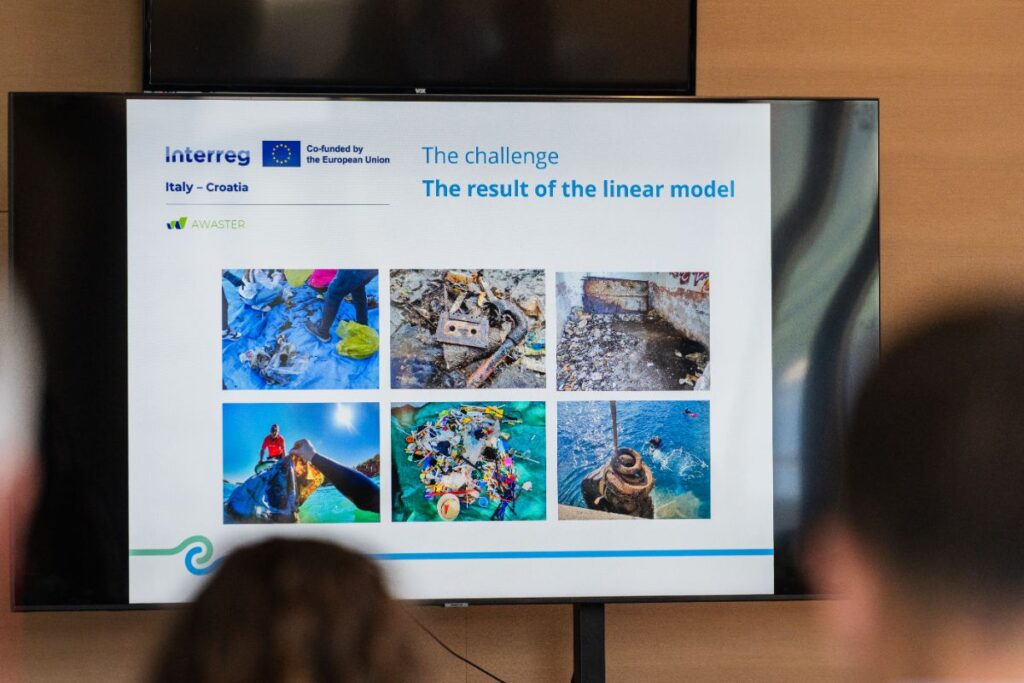
During the conference, the main project results were presented. More than 500 students participated in educational activities and EcoLab programmes, hundreds of entrepreneurs joined project activities, and more than 1,600 pieces of waste were removed from Korčula’s beaches. As part of the project, students learned how waste can be transformed into new products through 3D printing, how bio-waste can be turned into compost, and how everyday habits affect the amount of waste ending up in nature.
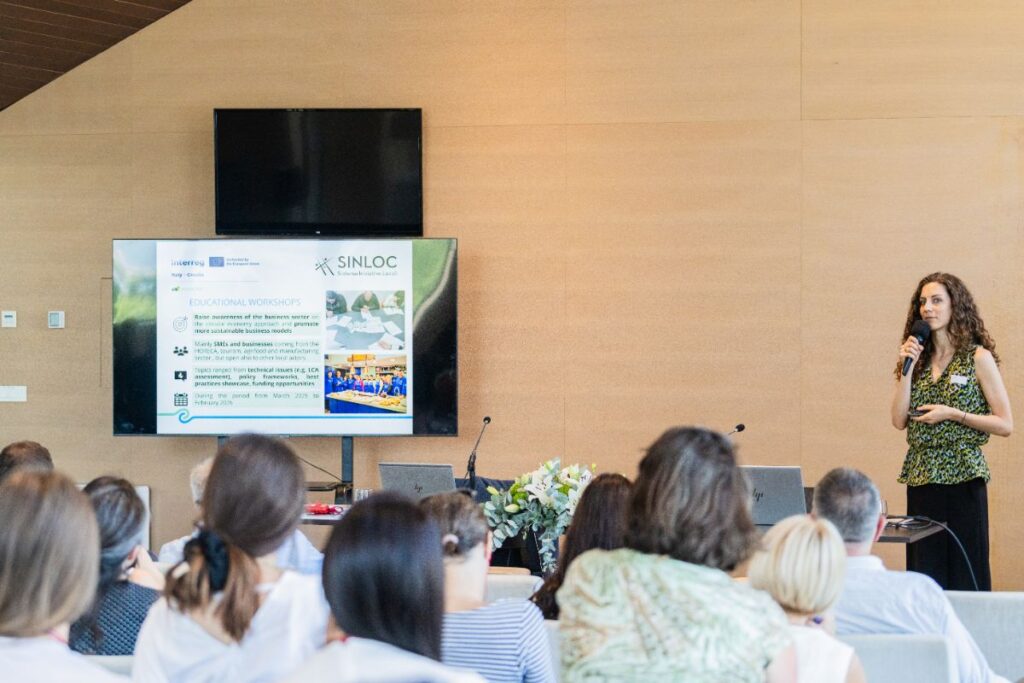
At the same time, through workshops and educational programmes for entrepreneurs, the project promoted the development of sustainable business models and the application of circular economy principles in sectors such as tourism, hospitality, agriculture, and manufacturing. Practical tools, guidelines, and examples of good practice were developed to help businesses transition to more efficient resource use and waste reduction.
“AWASTER has shown what can be achieved when partners share the same vision and work together towards a common goal. I would like to thank all consortium members for their effort, knowledge, and energy invested over the past years, as well as the Interreg Italy–Croatia programme, which recognized the importance of this topic and enabled us to turn an idea into concrete results for our communities,” said Andrea Poldrugovac from IRENA, the lead partner of the project.
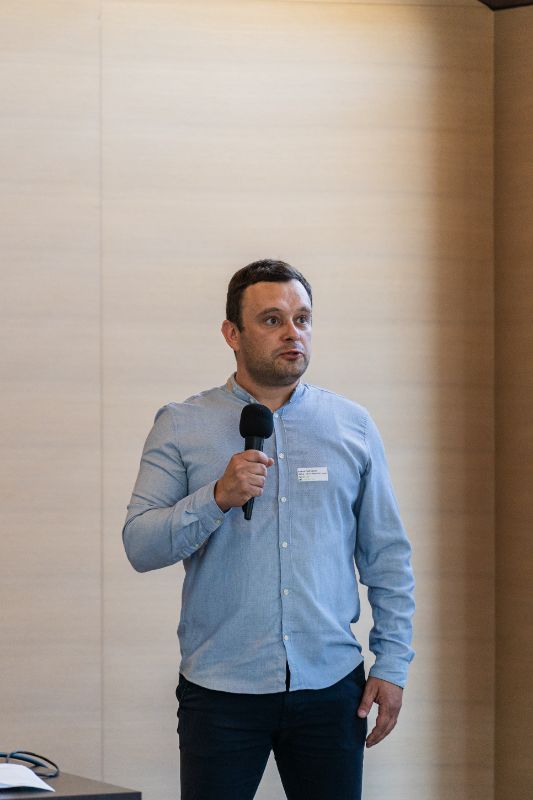
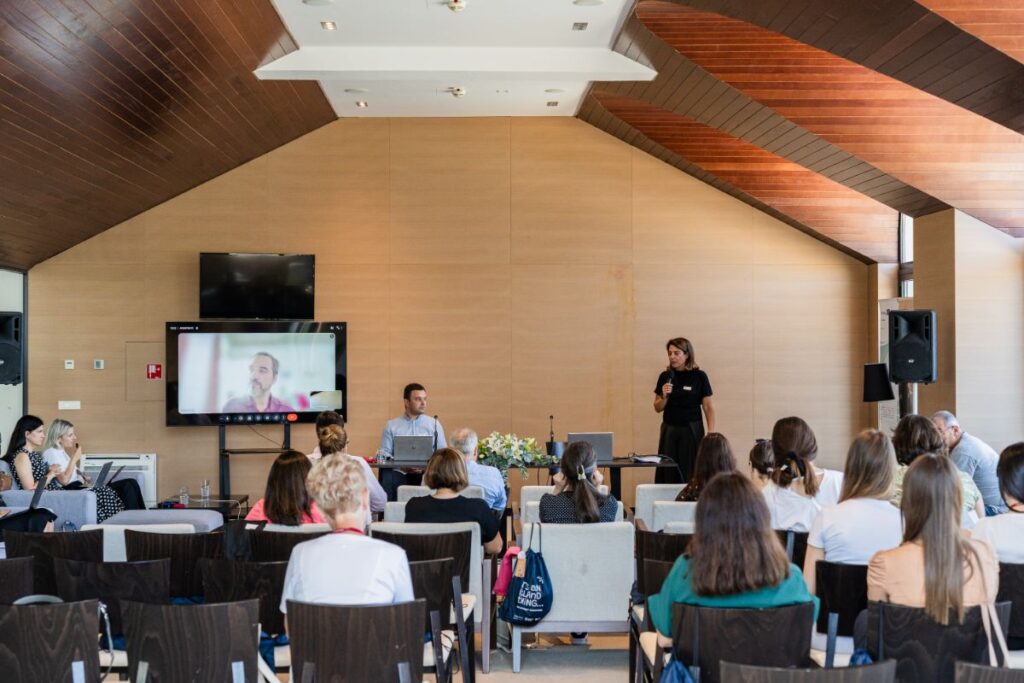
“Cross-border cooperation is the foundation of such projects. AWASTER has shown that waste can become a valuable resource, and now it is up to us to transfer the project results to other areas and ensure that the knowledge gained continues to live on beyond its completion,” emphasized Marin Miletić from the Interreg Italy–Croatia programme.
How to scale good ideas across the Adriatic?
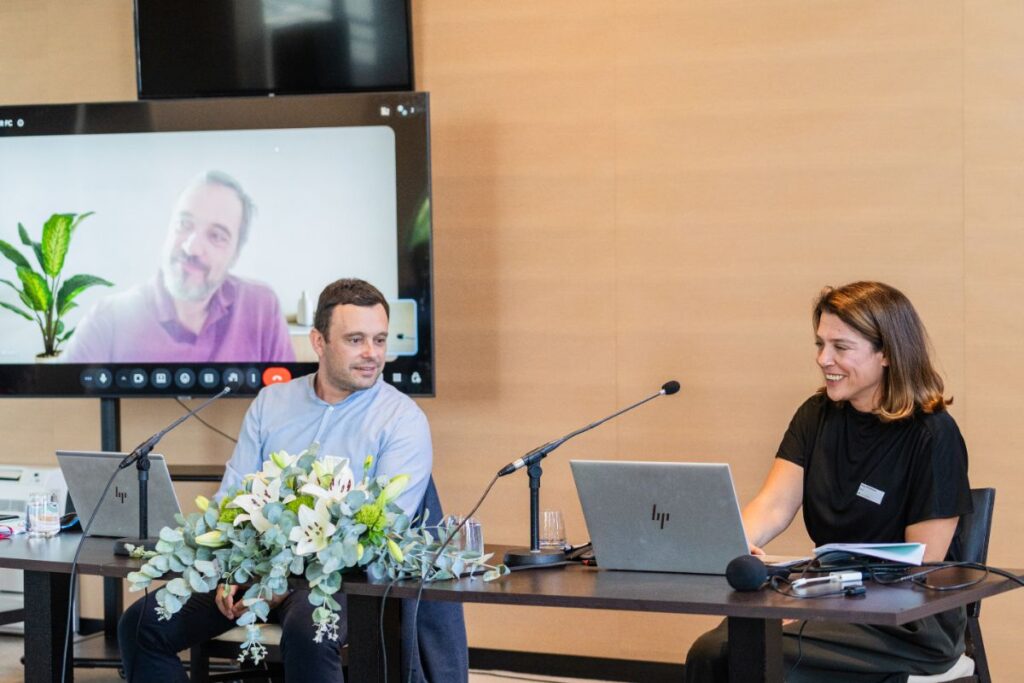
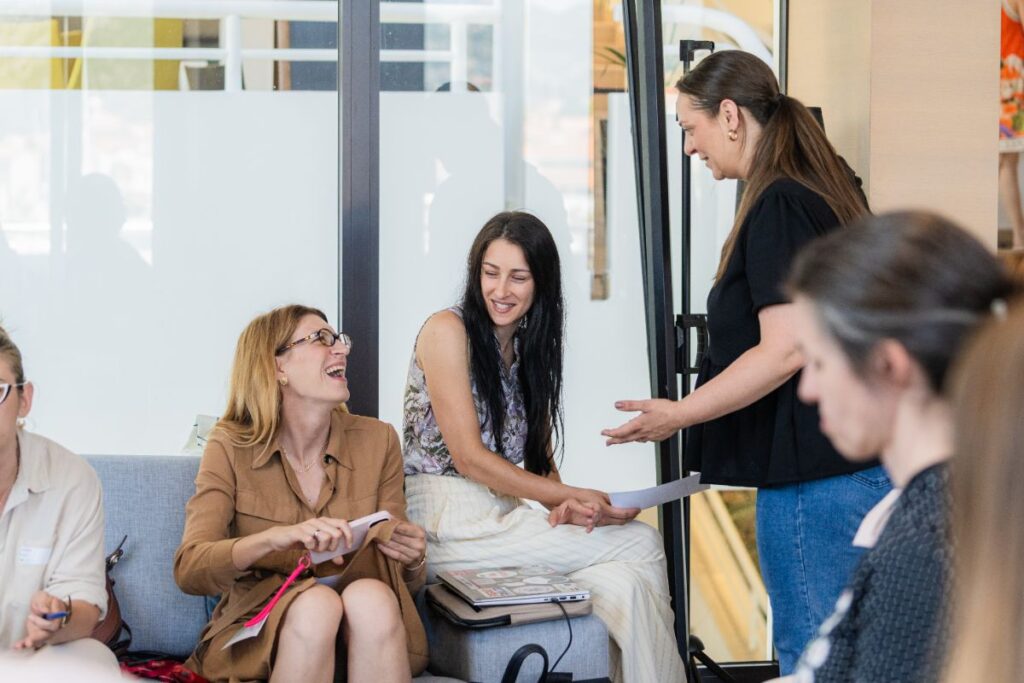
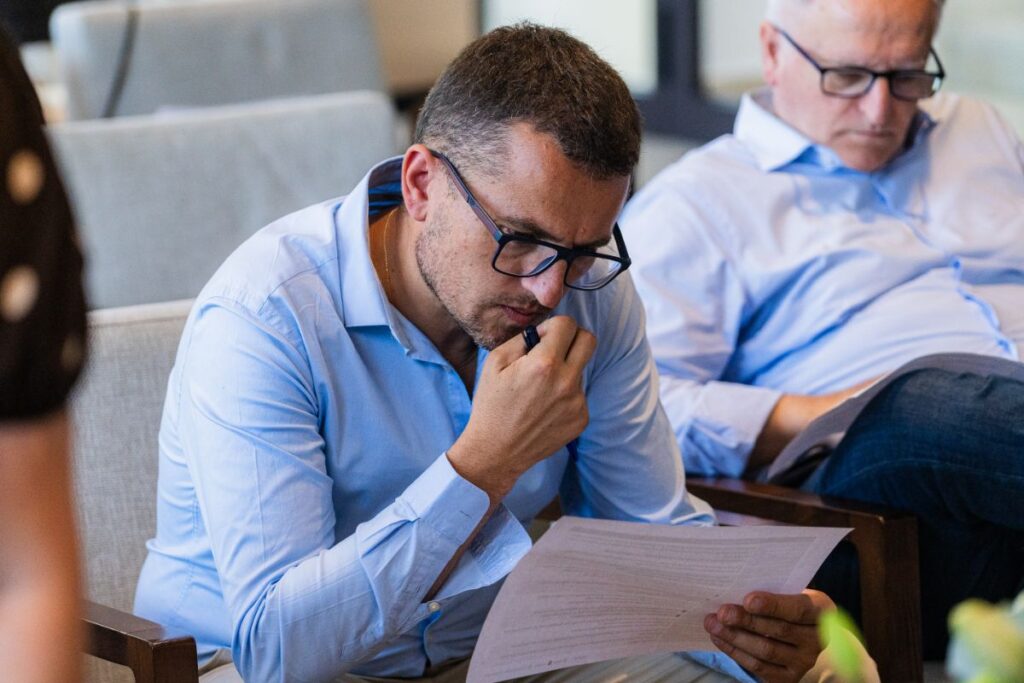
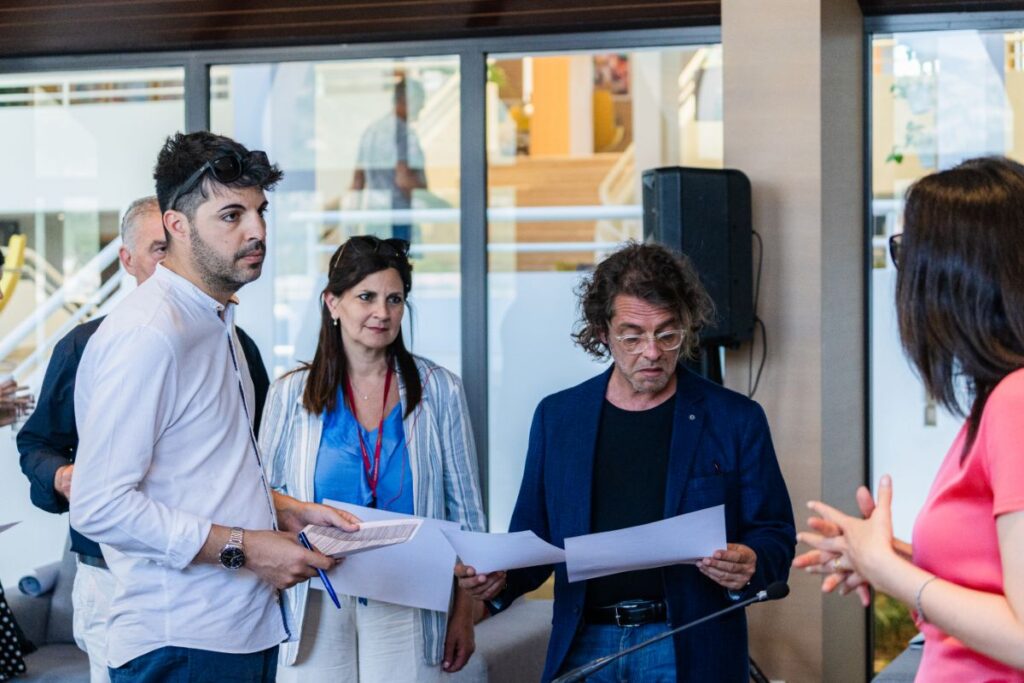
One of the central topics of the conference was how to turn successful pilot activities into long-term models applicable in other areas. A panel discussion titled “Scaling up circular economy initiatives: From solutions to widespread adoption” was held as part of the event. Panelists shared experiences from successful projects and initiatives across different sectors.
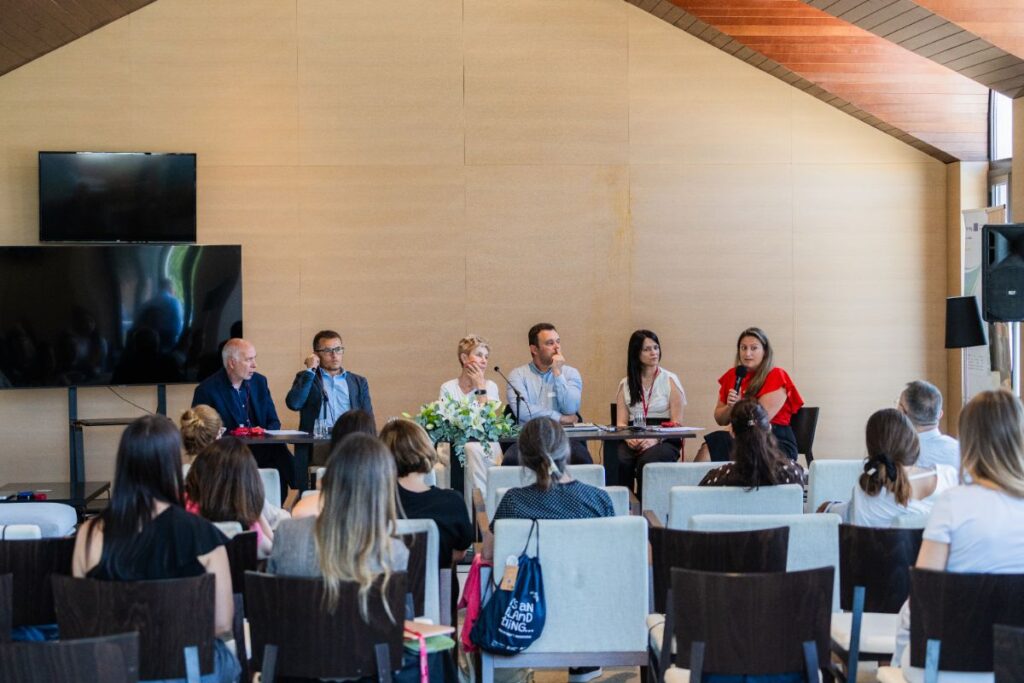
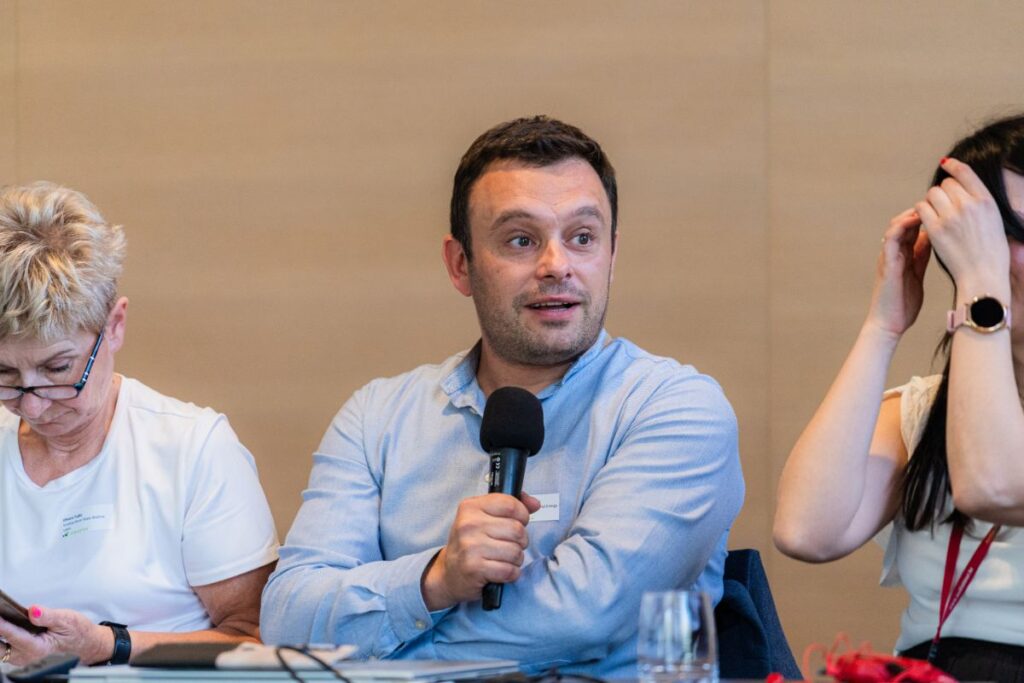
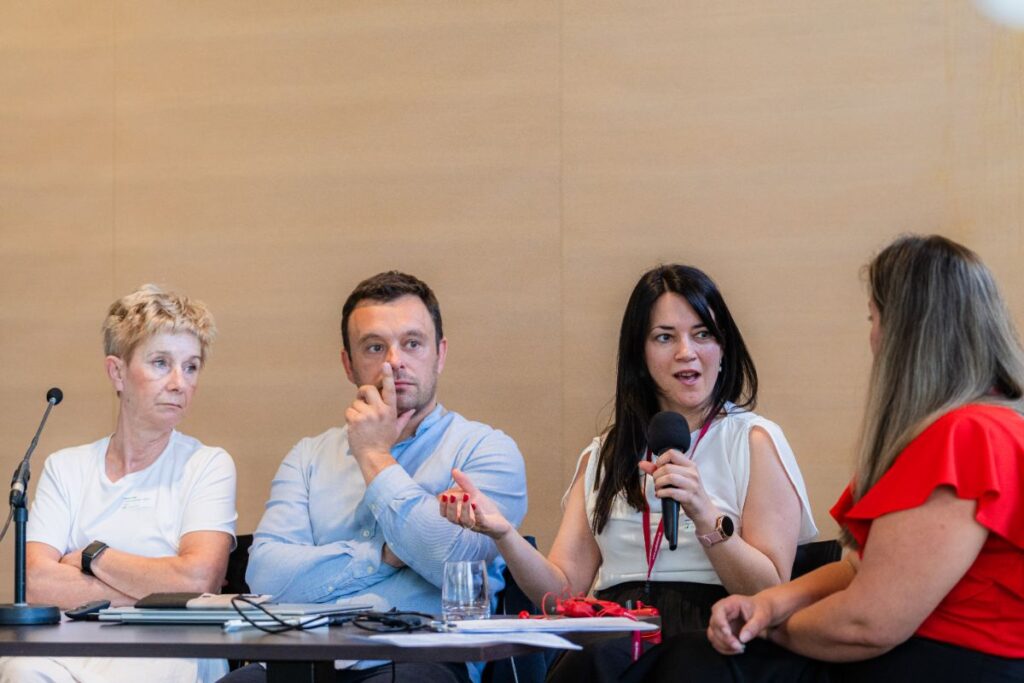
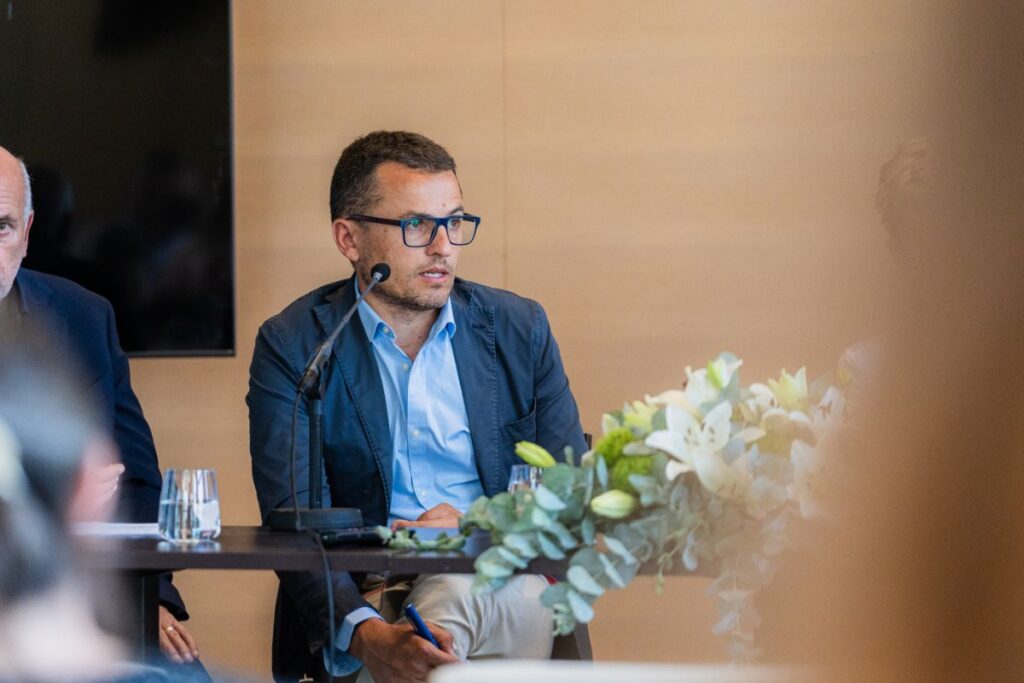
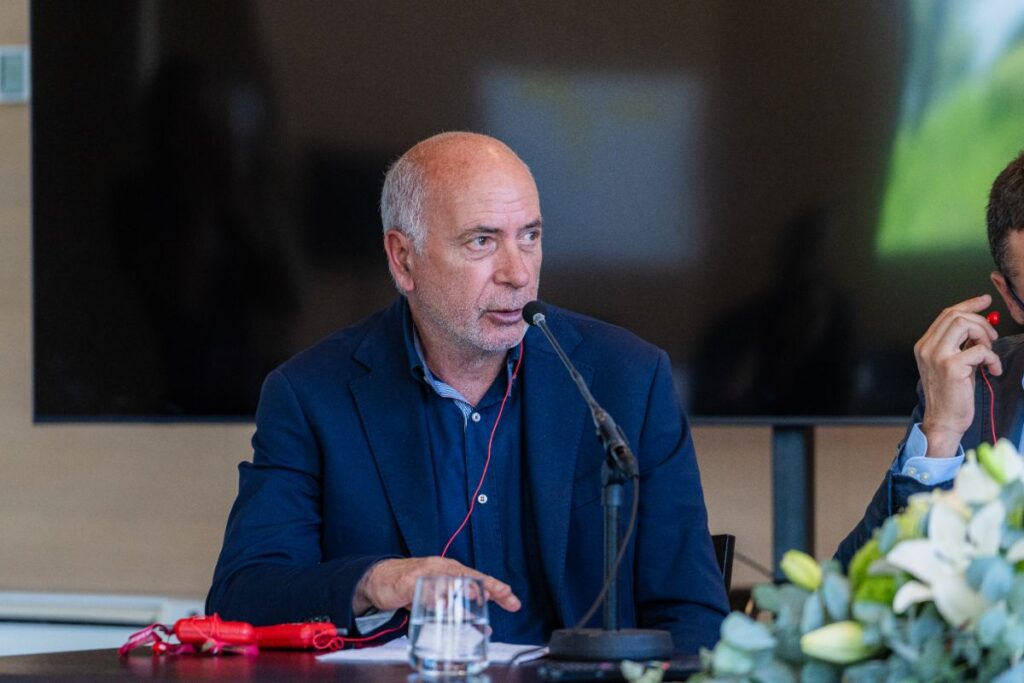
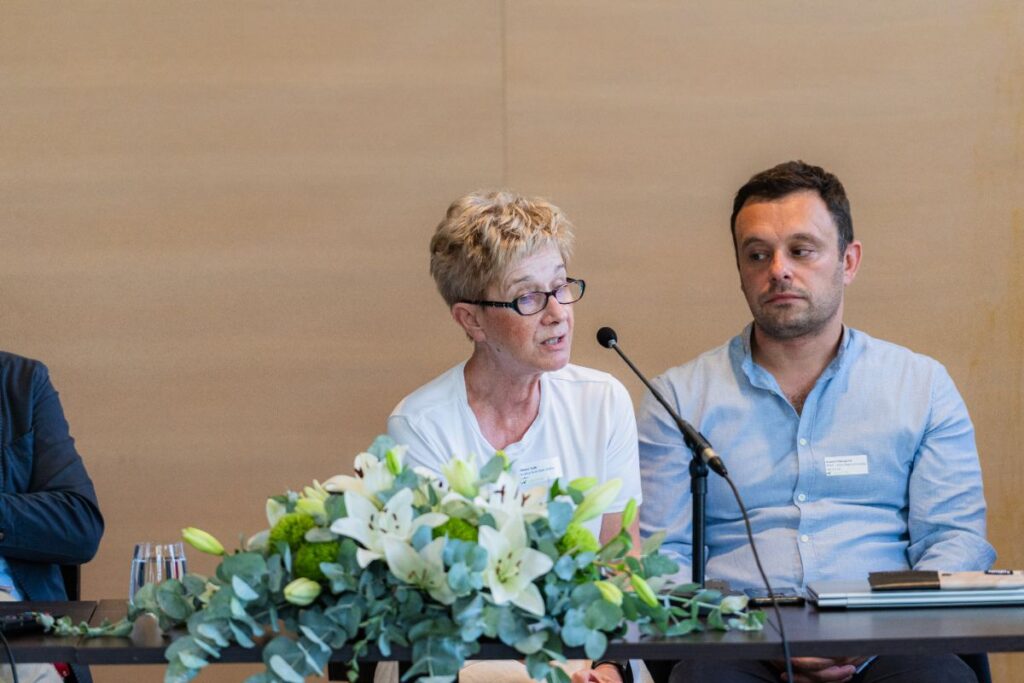
The discussion opened with the question of why many successful circular economy solutions still remain at the level of individual projects. Participants agreed that while many good examples already exist, their wider implementation is still limited. Projects were recognized as an important driver of change, but real impact occurs only when their results become part of everyday practice and strategic planning.
The importance of education and involving young people as drivers of long-term change was also emphasized. Raising awareness was identified as an important first step, but participants concluded that real results require cooperation and joint action between educational institutions, the public sector, businesses, and civil society organizations.
Representatives of development agencies DUNEA and IRENA highlighted their readiness to continue supporting such initiatives and strengthening cooperation in the field of circular economy.
Participants also noted that the results of the AWASTER project, as well as other Interreg Italy–Croatia projects, are publicly available on project websites, where organizations can find methodologies, tools, and recommendations for transferring good practices and implementing similar activities in other local communities.
Circular economy in practice in Korčula Town park
After the formal part of the conference, EcoLabs moved to Korčula Town park for the WASTE FREE event. Visitors had the opportunity to see the results of work by students from Croatian and Italian schools. Alongside their projects, examples of sustainable practices by local producers and artisans were presented.
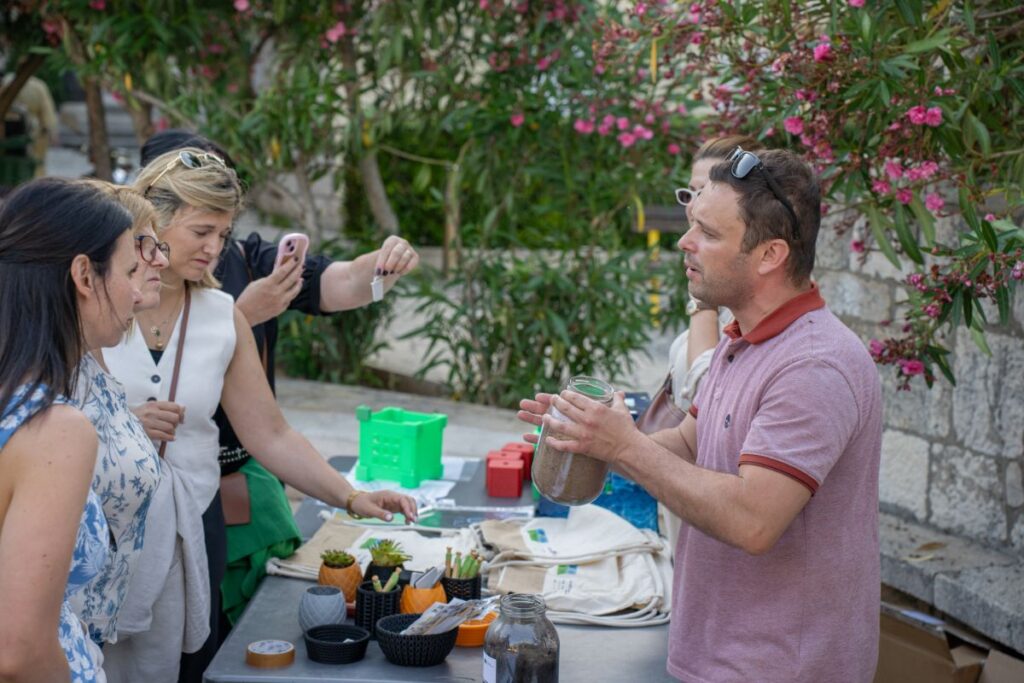
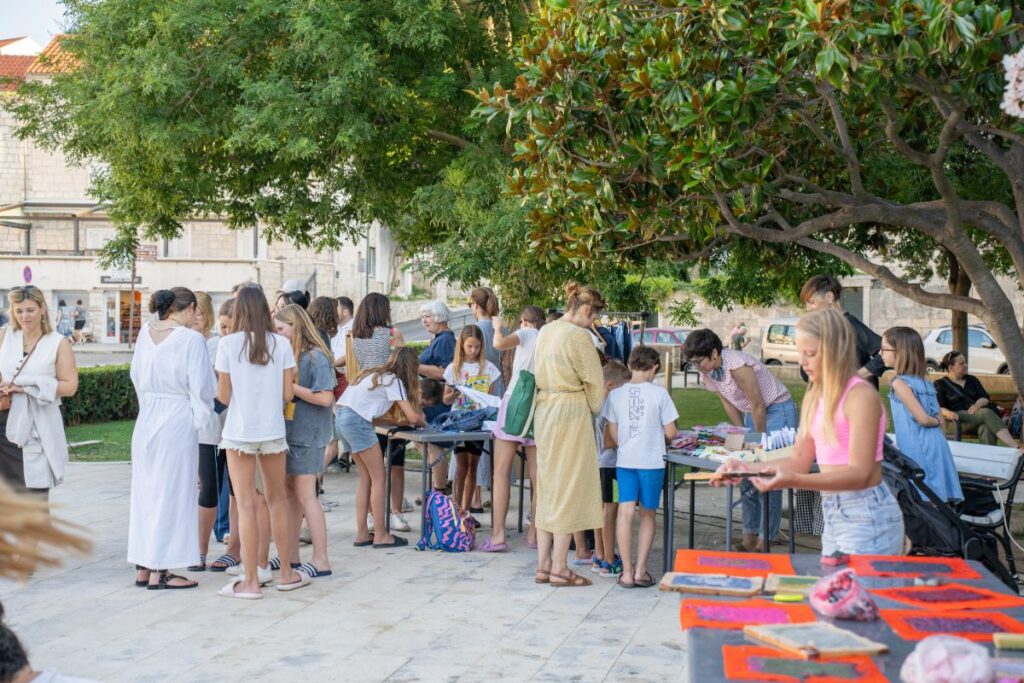
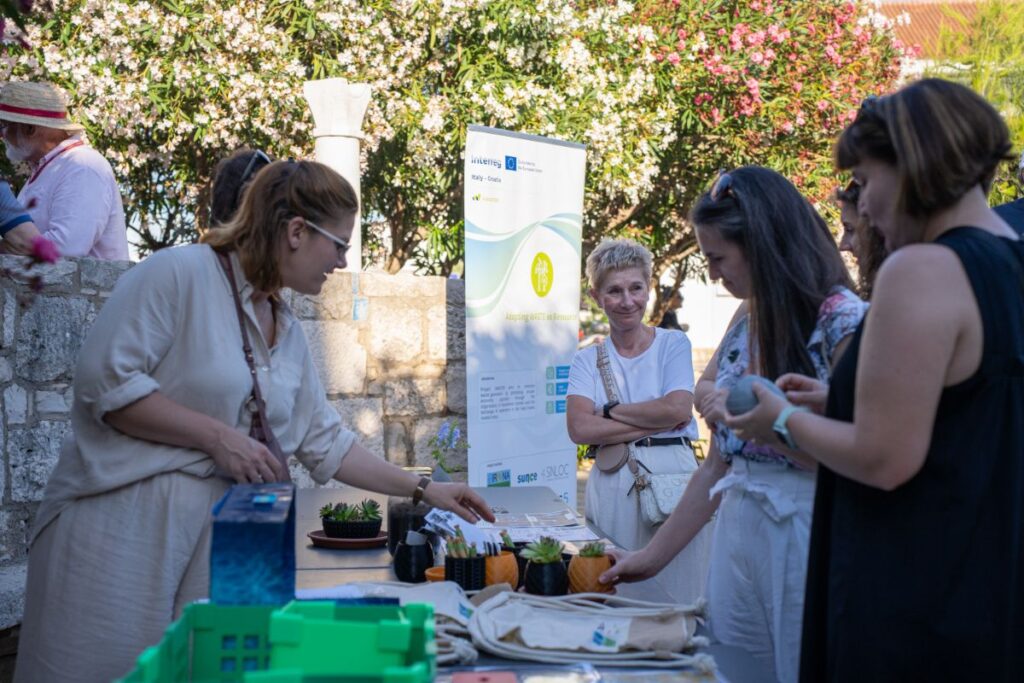
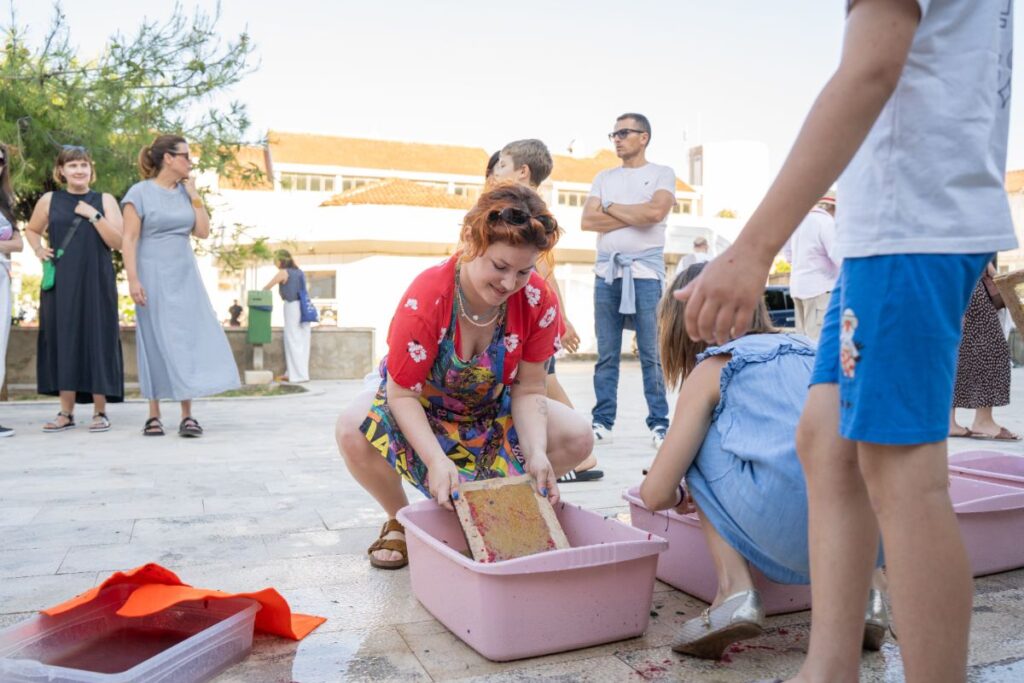
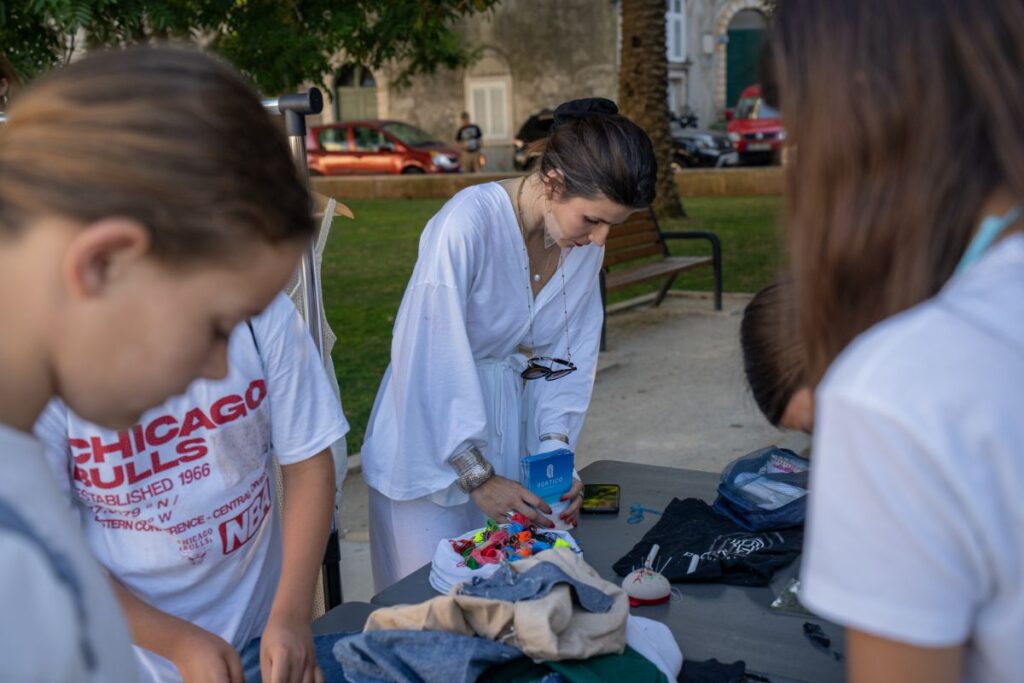
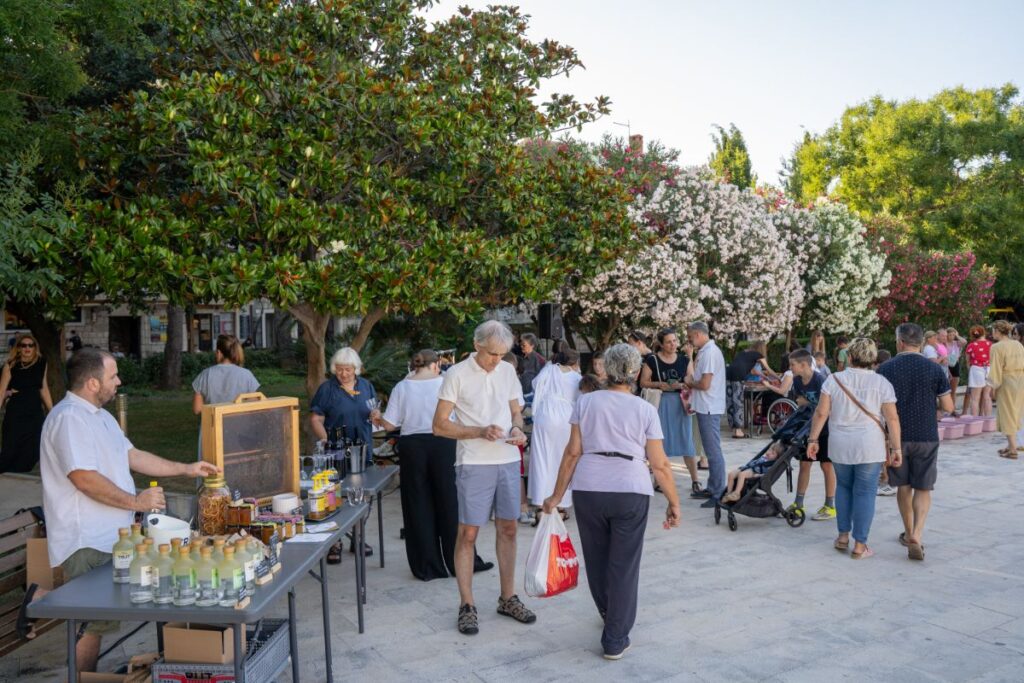
OPG Komparak showcased its work and products, Križ Winery from Prizdrina introduced biodynamic wine production principles, while the Bodulka Handmade craft workshop from Trpanj demonstrated how unique handicrafts, souvenirs, and jewellery can be created through upcycling using natural and recycled materials. Doris Farac also presented her sustainable fashion approach through the Portico Moda brand, based on responsible clothing production, maximum material use, and waste reduction.
Special attention was drawn to the workshop by young designer Marijeta Markovina from Lumbarda, who demonstrated how thoughtful use of paper can reduce waste and how new products can be created from waste paper.
Legacy of the AWASTER project
The AWASTER project was implemented from 2024 with the aim of promoting the circular economy and sustainable resource management in Croatia and Italy. The lead partner was the Istrian Regional Energy Agency IRENA. Partners included the Sunce Association from Split, the Italian LAG VeGAL, consulting and investment company SINLOC SPA from Padua, the City of Casarano, and Korčula-based LAG 5.
Through joint efforts, the partners developed educational programmes for schools, pilot activities for local communities, and practical tools and guidelines for the business sector. Special attention was given to involving small and medium-sized enterprises and strengthening their role in the transition to a circular economy through education, knowledge exchange, and the presentation of successful business examples from Croatia and Italy.
The presented project results, as well as strong public interest in the activities held in Korčula Town Park, demonstrated that sustainability is not an abstract concept reserved for strategies and policies, but something that can be applied in everyday life. From proper waste separation and composting, to material reuse and responsible purchasing, to supporting local producers – small individual actions can have a significant impact when adopted by the whole community.
This was one of the key messages of the AWASTER project: waste is not necessarily a problem, but can become a valuable resource if approached differently. Through education, practical workshops, cooperation between schools, entrepreneurs, institutions, and citizens, the project demonstrated how circular economy principles can be successfully applied in local communities.
Today, after two years of implementation, the project leaves behind not only new equipment and tools in schools, but also new knowledge, skills, and experiences. This is the most valuable legacy of the AWASTER project.