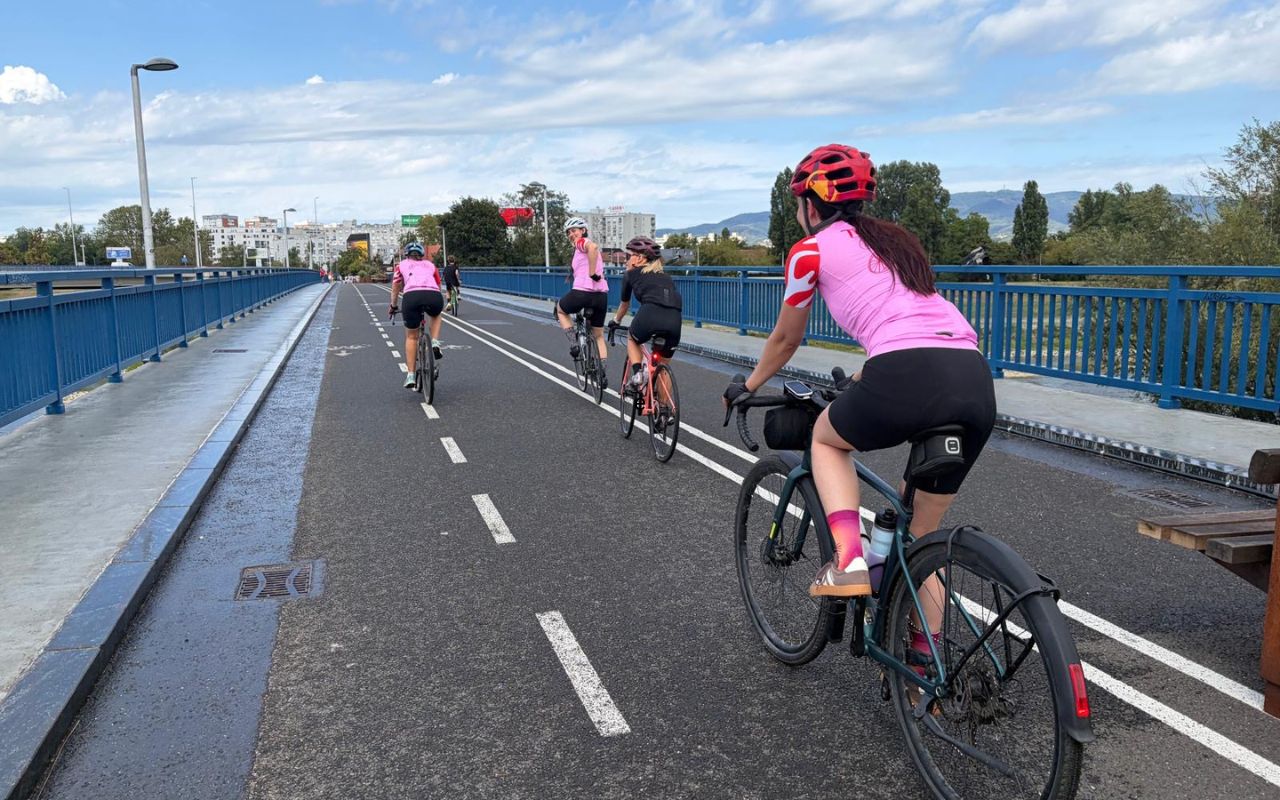
Did you know that the European Parliament supports the goal of doubling the length of cycling infrastructure across the European Union? The reason is simple: cycling contributes to long-term climate goals, healthier lifestyles, and a better quality of life in cities.
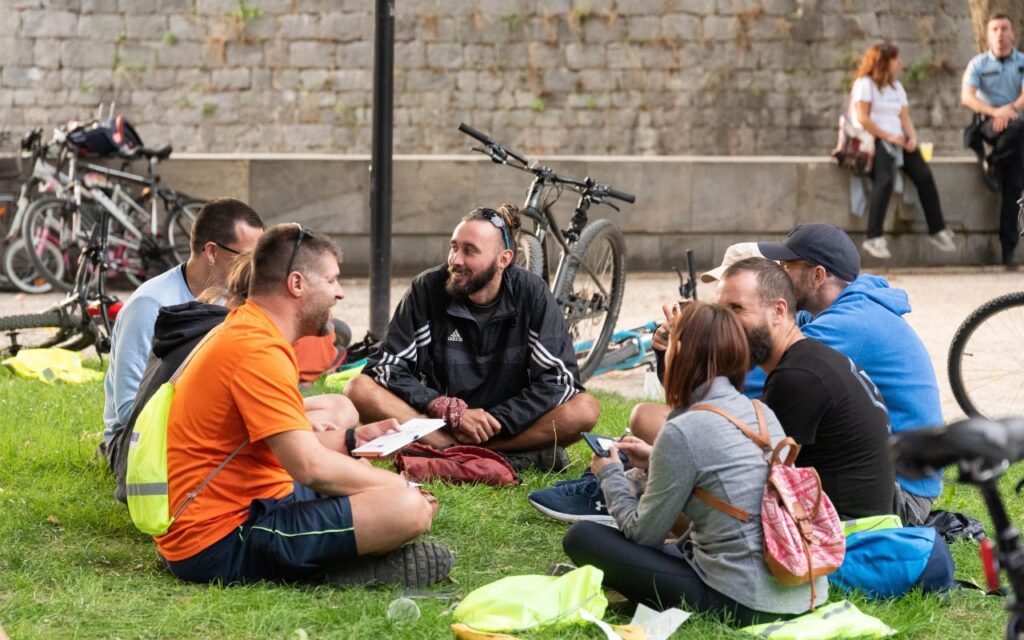
That is precisely why the Split bike tour attracts more and more people every year. It is neither a race not a competition, but rather about riding together and actively taking part. We want to show that cycling is for everyone, regardless of age, fitness level, or experience. At the same time, our city needs safe and connected cycling routes more than ever.
And this year, we have another important reason to celebrate: for the 15th Split bike tour, we are temporarily closing roads to traffic to provide participants with a safer and more enjoyable ride. For a moment, we will give the city over to bicycles, good vibes, and socialising, showing together what Split could look like if cycling played an even more important role in everyday transport.
Cycling as part of everyday life
In some European countries, cycling is an integral part of everyday life.
Ljubljana now has more than 450 km of cycling infrastructure, while according to 2025 data, around 251 km of its cycling infrastructure is physically protected, making it one of the leading cycling cities in the region.
For comparison, bicycles account for around 14% of all journeys in Ljubljana, demonstrating that well-developed cycling infrastructure can have a significant impact on how residents get around.

In Germany, too, bicycles are used every day for commuting to work and school, running errands, or simply for leisure. Lucija Večerina, founder of the Zagreb-based initiative Ture za cure, experienced this first-hand after returning from Berlin.
“People in Berlin, young and old alike, cycle everywhere, all the time,” says Lucija, who decided to turn her own idea for a cycling community into reality.
You don’t need a perfect plan – you just need to start
For Lucija, the initiative’s first ride was something of an experiment. At the time, she could not have known that the idea would resonate with so many women or that it would truly take off.
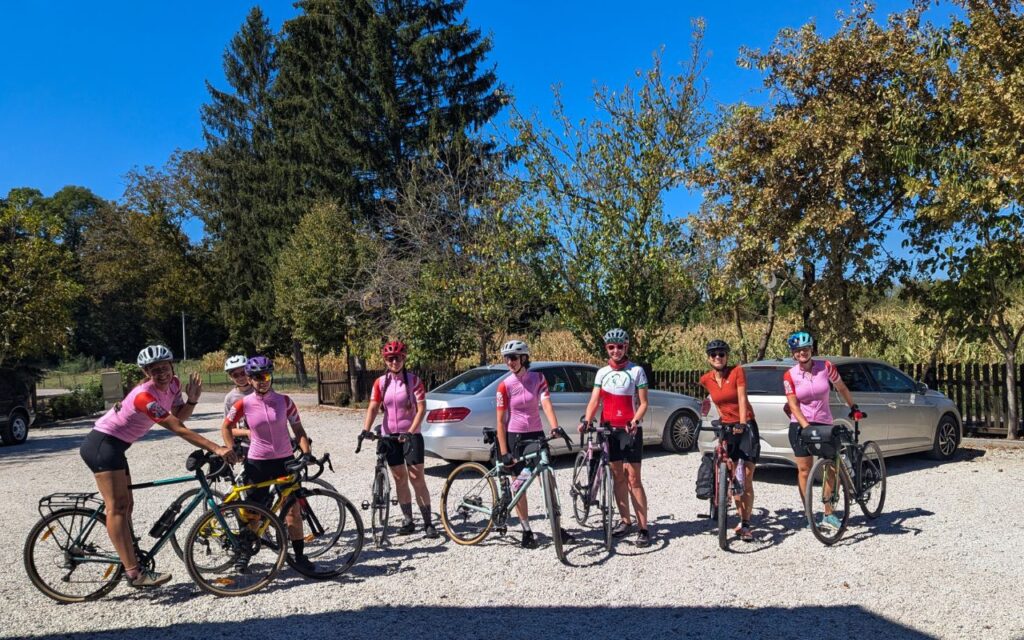
“I think the most important thing is simply to start. You don’t need a perfectly developed project, a logo, a website, or ten people on an organising team to take that first step. Ture za cure came about very spontaneously, out of my desire for more women to feel comfortable and safe on their bikes and to have someone to ride with, but also from my need to bring like-minded women together and create a space where questions are welcome, along with insecurities and imperfections,” explains Lucija, who says she was fortunate to be surrounded by people who supported the idea from the very beginning.
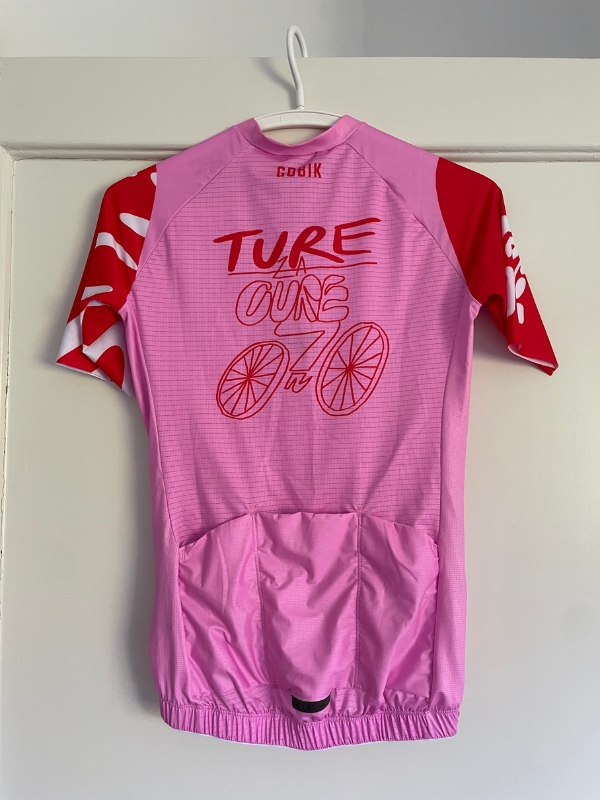
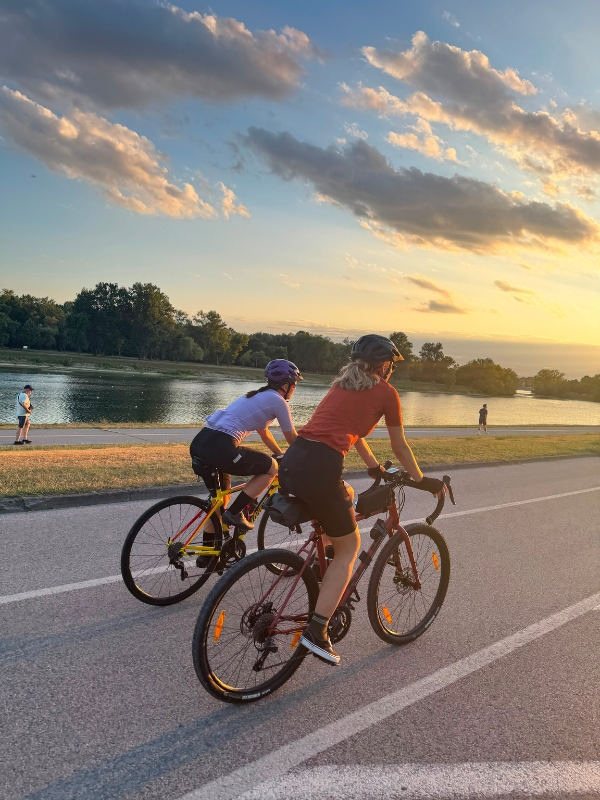
Their cycling tours are neither competitive nor overly demanding.
“I quickly realised that there was a need for this kind of initiative and that a community was beginning to form through small, simple, but regular meet-ups.”
This is exactly the kind of cycling culture we want to build in Croatian cities: inclusive, safe, and open to everyone.
“Cycling brings people together, whether through group rides, initiatives, or clubs, creating a sense of belonging in the process,” says Lucija.
According to the founder of Ture za cure, this is precisely where the value of local, informal initiatives lies. Her initiative has shown that not every group needs to be competitive and that cycling can simply be an informal way of socialising, meeting people, and forming new friendships.
Before you start pedalling, check your bike
Lucija Večerina has been riding her trusty bicycle for years, and she also shared some tips on how to prepare for a ride – useful advice to keep in mind before our 15th Split bike tour.
First of all, check your bike. Are the tyres properly inflated? Are the brakes working correctly? Is the chain lubricated and properly tensioned? Check the lights as well, especially if you plan to ride later in the day. If your bike has not been used for a long time, Lucija recommends taking it in for a quick service or at least carrying out a basic inspection.
And don’t forget the essentials for yourself: a helmet, water, and a positive attitude! Choose comfortable clothes and footwear that allow you to move freely. It is also a good idea to bring a small repair kit – a pump, spare inner tube, or puncture repair kit. You may not need it, but if something goes wrong, you will be glad you have it.
“A helmet and a small repair kit can often save the day,” this cyclist points out.
Get on your bike and do something good for the environment
By adopting cycling as a healthy habit, you are not only doing something good for yourself — you are also contributing to a cleaner and more pleasant city.
If more people chose bicycles instead of cars for short everyday journeys, there would be less traffic congestion, noise, and harmful emissions caused by burning fossil fuels. Imagine Split with fewer cars, more greenery, and cleaner air. That is exactly how Lucija imagines her Zagreb.
“When people cycle, they naturally begin to notice their surroundings more and appreciate the environment they are travelling through. As a result, they also become more aware of how important it is to protect it,” says Lucija.
Bicycles also take up far less public space than cars.
And every time you get on your bike, you can influence the people around you. Perhaps a neighbour, friend, or colleague will decide, thanks to your example, to leave their car at home and cycle instead. The more people cycle, the greater the need becomes for safe cycling infrastructure and green infrastructure.
By choosing to cycle, you help your city recognise the value of sustainable mobility.
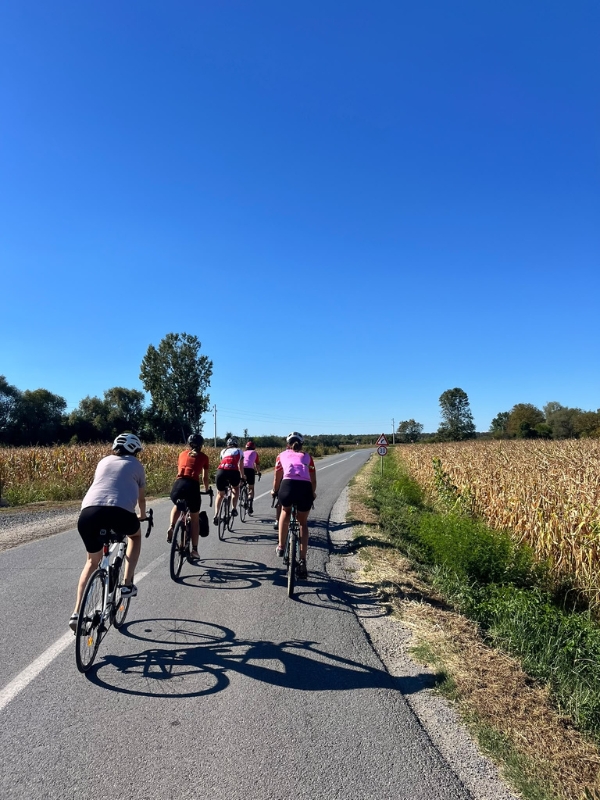
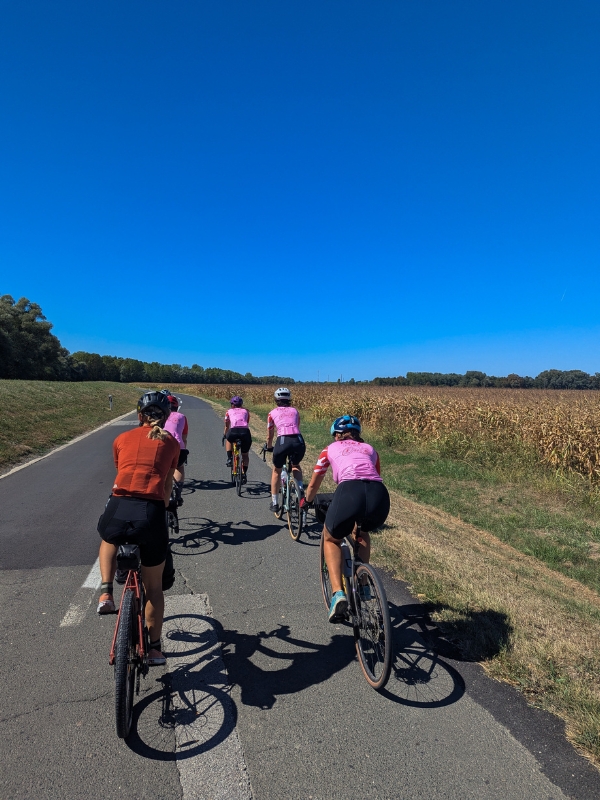
Looking for people to cycle with?
If you have also been thinking about starting a small cycling community in our area, come along to our Split bike tour on 20 September. It could be your first opportunity to meet other recreational cyclists and cycling enthusiasts.
“There are quite a few active cycling clubs in Croatia, although they differ in their focus, ranging from competitive and road cycling to mountain biking and recreational cycling. The Croatian Cycling Federation currently lists numerous clubs from across Croatia on its website. In Zagreb, for example, there are BK Dinamo, BK Sljeme, BK Ciklus, BK Zagreb, Škola biciklizma Zagreb, as well as various informal recreational groups and initiatives,” says Lucija, who is delighted to see an increasing variety of ways for cyclists to come together.
She believes that this diversity can attract people who might never see themselves as members of a traditional sports club.
Most importantly, everyone should know that you don’t have to be a professional to get on a bike. Of course, some experience and prior knowledge are helpful, but everyday recreational cycling can be more than enough to take part in initiatives or recreational events. Lucija agrees:
“You don’t need expensive equipment, the latest bike, perfect fitness, or years of experience. Cycling isn’t reserved for people who ride fast or cover long distances.”

Finally, the founder of this inspiring initiative wants everyone to remember that a bicycle is not merely a means of transport or a piece of sports equipment:
“It can be a tool for freedom and independence. It can expand the area you are able to explore, allow you to discover your city and its surroundings in a completely different way, and open the door to new connections and a sense of belonging.”
A step towards a healthier Split!
With Lucija’s encouraging words in mind, there is only one thing left to do: invite everyone to the 15th Split bike tour!
We are temporarily closing roads to traffic. For a few hours, bicycles will take priority, and Split will become a place for riding together, socialising, and enjoying a great atmosphere. You don’t need an expensive bicycle, special equipment, or exceptional fitness. All you need is a roadworthy bicycle, a helmet (which is mandatory for all Cycling Tour participants under the age of 16), a little enthusiasm, and the desire to ride around 15 kilometres together for a healthier and more sustainable Split.
See you on 20 September at the starting point in Žnjan (Beach Bar Palma) at 4 p.m. We will ride together through Split, and after the ride, entertainment, music, games, and social activities will be waiting for us in Đardin.
Before the ride, make sure to check the route, follow the organisers’ instructions and traffic regulations, and listen to the people responsible for participants’ safety. During the Cycling Tour, we ride together, look out for one another, and enjoy the journey. Register to take part via this LINK.
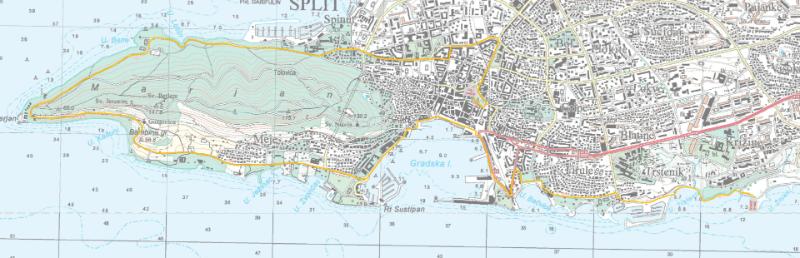
The Split bike tour is not a competition. We do not measure speed or time. The goal is for everyone to enjoy the ride and experience how sustainable forms of transport can contribute to our health, the environment, and quality of life in the city.