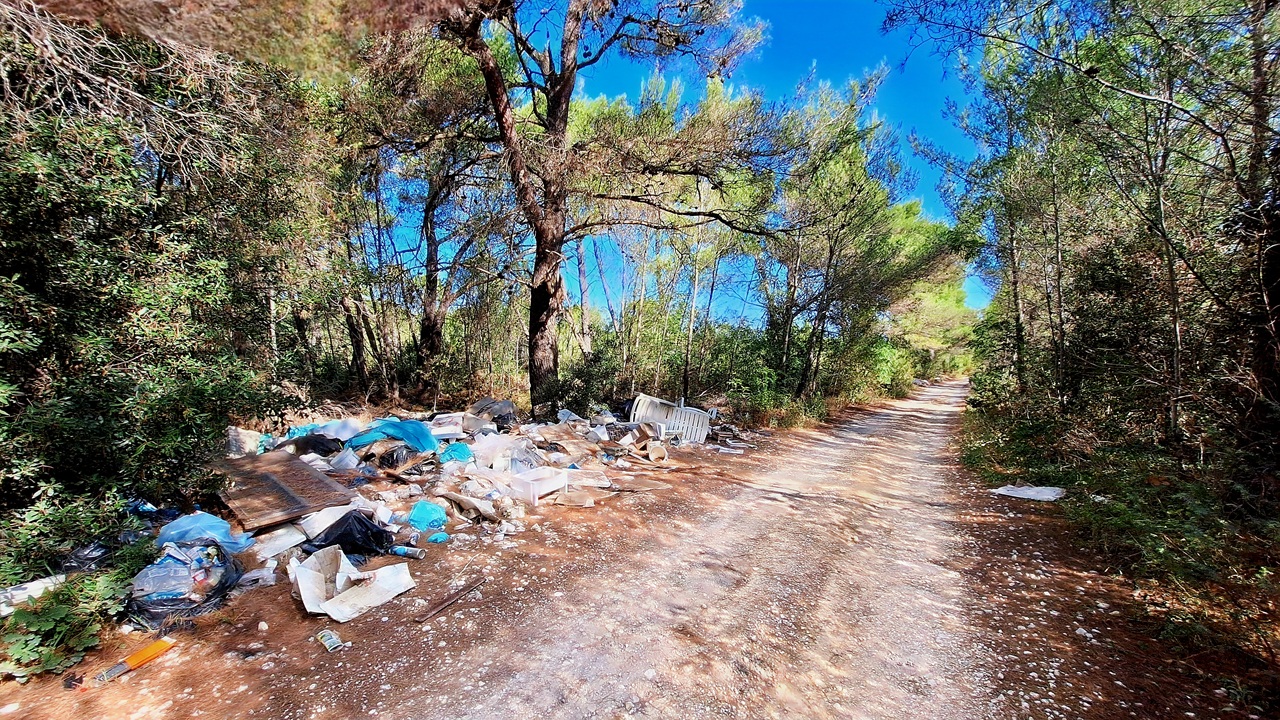
Waste, marine and air pollution are just some of the problems that citizens across Croatia notice in their environment on a daily basis. This is precisely why the Green Phone Network of Croatia has existed for more than two decades. The free and anonymous Green Phone has become an important communication channel between citizens, civil society organizations, and competent institutions.
Citizens are often the first to notice changes in their environment, and through this system their observations can quickly reach those responsible for resolving issues. The importance of this network is also demonstrated by the Annual Report of the Green Phone Network for 2025.
During the year, a total of 1,559 citizen reports were received from across Croatia. The highest number of calls was recorded in Zagreb and surrounding counties (Zelena akcija – 862 reports), while significant engagement was also shown by citizens in Istria (168) and Split-Dalmatia County (166).
Annual report of the Green Phone Network
With each report, citizens were provided support in resolving environmental problems. They were informed about the responsibilities of institutions and assisted through mediation with inspection services.
The largest number of reports related to waste management, which has also been the most frequently reported issue in previous years. Citizens were most concerned about illegal dumping sites, improper disposal of asbestos (recalling the Moby Drea case in Brodosplit), and the burning of waste on private and public surfaces. Many also expressed the need for better information on the disposal of electronic waste.

The second biggest concern among citizens was marine and water pollution caused by frequent discharges of fecal waste from vessels at sea or from inadequate septic systems on land. In inland areas, reports most often referred to suspected river pollution, such as in the Krka and Orašnica rivers, as well as wastewater leakage into the soil.
Data from Sunce’s Annual Report for 2025 show similar trends. Out of a total of 166 reports received in 2025, most were related to waste (46 reports), while marine pollution was the second most frequent category (44 reports). Issues related to green spaces, water, and air quality were also reported.
Coastal filling and illegal construction posed problems for citizens in coastal areas, while the destruction of green spaces and the cutting of old tree lines were the main concerns for people in cities. The report also showed that air pollution and unpleasant odors from factories and waste management centers remain a key issue in many communities.
More reports, but a slow system
Have you ever reported an environmental problem and waited for a response that never arrives? This is a situation that citizens in Croatia are encountering more and more often. The work of associations in 2025 has become significantly more complex. It is no longer just about receiving reports. Associations increasingly analyze spatial plans, participate in environmental impact assessment procedures, and support local initiatives in legal processes.
At the same time, the system often reacts too slowly. There is a lack of inspectors in the field, and responses from competent services are often delayed or do not arrive at all. Sometimes problems are only resolved temporarily, so the same cases reappear after some time.
Data from Sunce also show concrete consequences of such a system. Out of 46 waste-related reports, responses from competent authorities are still pending for more than half of the cases, further prolonging problem resolution on the ground.

In some parts of Croatia, cooperation with institutions is weak. This creates frustration among citizens and reduces trust in the system. Frequent questions about electronic waste disposal further indicate that the public lacks sufficient information. At the same time, utility companies often fail to clearly communicate where and how such waste should be properly disposed of.
The voice of citizens being heard
The progress achieved so far has been made thanks to the persistence of citizens and the work of associations. The Green Phone has proven to be a tool that enables people to take action and protect their environment. Associations help citizens in drafting comments on harmful projects and encourage institutions to carry out their work responsibly.
For example, it was through Sunce’s Green Phone that information was received in July 2025 about the planned removal of asbestos materials on the ship Moby Drea in Brodosplit, which later raised a number of questions about the safety of the works and the handling of hazardous waste. Following inquiries sent to competent institutions, the ship was ultimately banned from undergoing repairs at the shipyard and had to leave Croatian territorial waters.
The Green Phone has also proven to be an important tool for timely responses to projects that may threaten nature. Among other cases, the environmental impact study for the “Gala – Obrovac Sinjski” solar power plant project was rejected, as it was planned just 1.5 kilometers above the Kosinac water intake, a key source of drinking water for the residents of the Cetina region.
The Green Phone Network will continue in 2026 to provide support to citizens and work toward making the public’s voice even stronger. By calling 072 123 456, citizens are automatically redirected to the association covering their county. Reports can also be submitted digitally, via email or through the associations’ social media.
If you notice a problem in your environment, report it! Every report matters and is a step closer to a cleaner and healthier environment.
