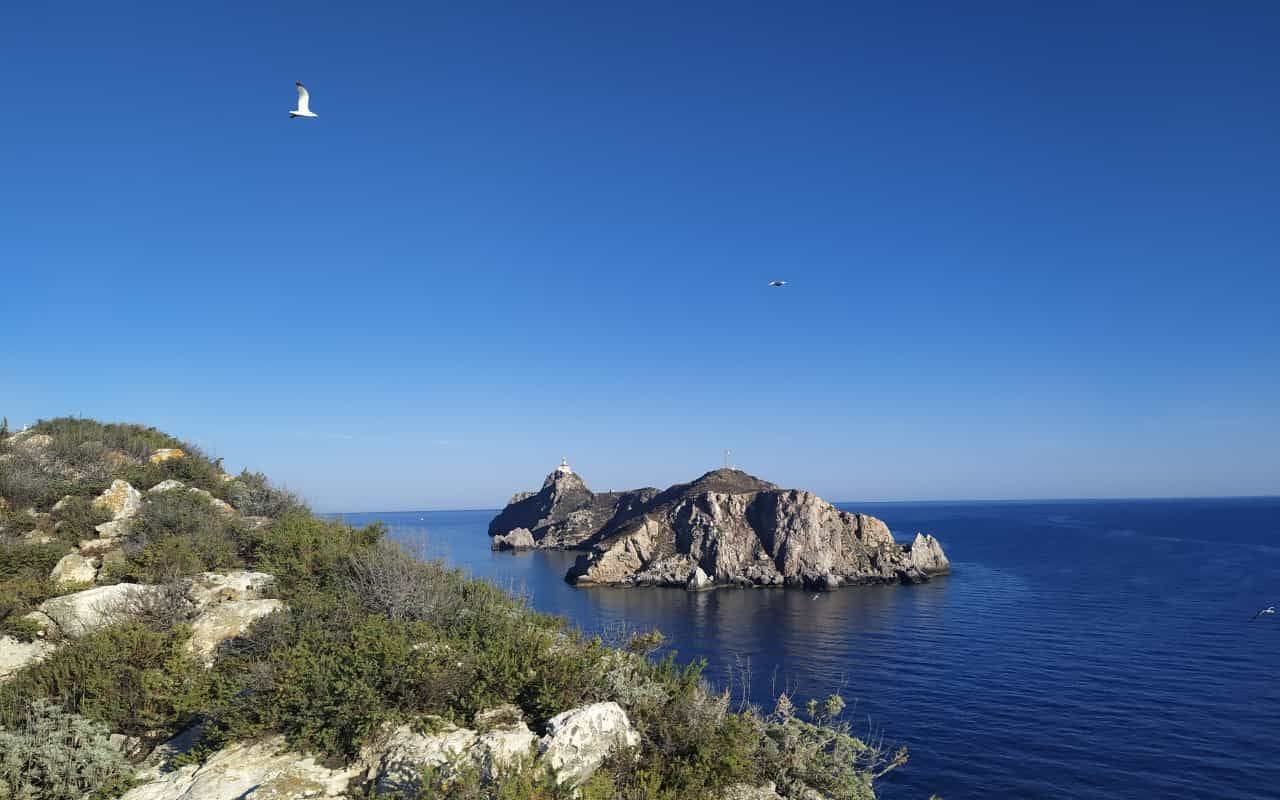
Croatia has made a significant step forward in nature conservation by adopting the Regulation amending the Regulation on the Ecological Network and the Jurisdiction of Public Institutions for Management of Sites of Ecological Network. With this move, additional marine areas have been granted protection, marking an important milestone toward fulfilling commitments under the EU Biodiversity Strategy for 2030. Under the Strategy, Croatia pledged to legally protect 30% of marine areas under national jurisdiction by 2030.
The 30% marine protection target achieved
Under the new provisions, which enter into force on June 14, 2025, Croatia now has 36.8% of its land area and 32.4% of its marine area under protection.
New conservation areas have been designated within the ecological network to safeguard important species such as the Bottlenose dolphin (Tursiops truncatus), the Loggerhead sea turtle (Caretta caretta), and the seabirds Yelkouan shearwater (Puffinus yelkouan) and Scopoli’s shearwater (Calonectris diomedea). Special attention has also been given to the protection of Posidonia seagrass meadows (Posidonia oceanica), marine habitats essential to the Adriatic Sea ecosystem. Posidonia seagrass has been designated as a target habitat within 46 existing ecological network sites, and 33 entirely new areas have been established specifically to ensure the conservation of this threatened habitat.
The Regulation also reclassifies 50 existing Sites of Community Importance (SCIs) as Special Areas of Conservation (SACs), in line with Council Directive 92/43/EEC and rulings of the Court of Justice of the European Union.
Two out of five key marine bird areas officially designated
The identification of important marine bird areas was supported by the NGO Sunce through the LIFE Artina project. Between 2019 and 2021, data were collected on the distribution of threatened seabirds –Yelkouan shearwaters, Scopoli’s shearwaters, and Audouin’s gulls – at sea, along the coast, and within their breeding colonies across the project area. GPS tracking and field research enabled the precise identification of key feeding and resting areas for these vulnerable species.
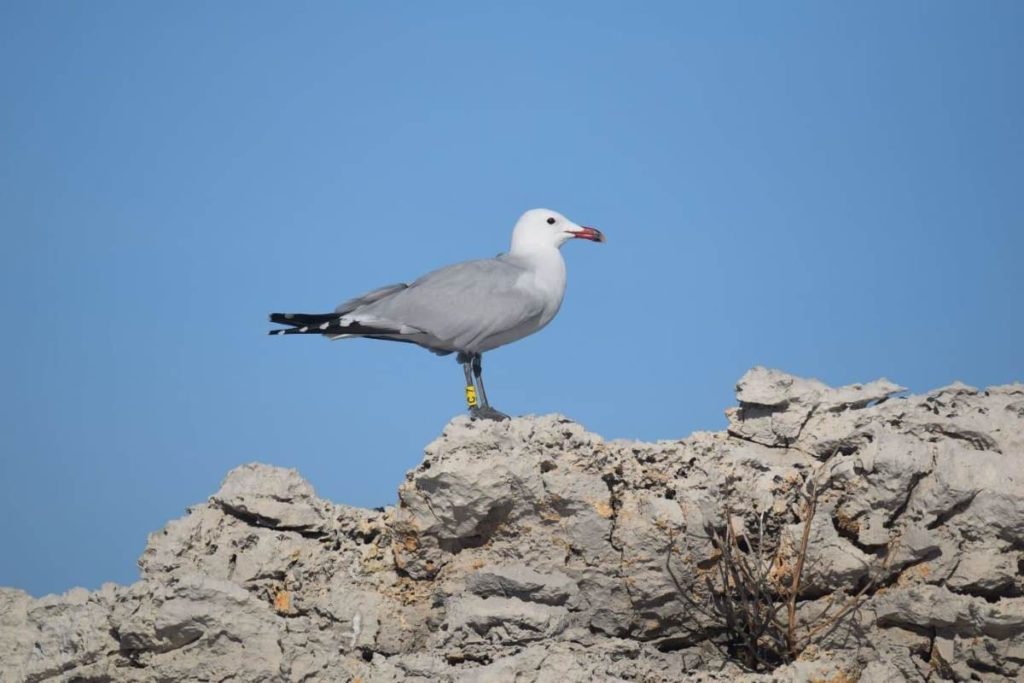
Based on the three-year study, five new marine Important Bird Areas (IBAs) were proposed (Lastovo Channel, Korčula Channel, Hvar Channel, Eastern Mljet Channel, and the Northern Adriatic), along with the expansion of two existing IBAs (Lastovo Archipelago and Pučinski otoci).
– We are particularly pleased that areas important for seabirds have finally been designated, in line with proposals from the LIFE Artina project. However, it is important to note that only two of the newly proposed IBAs – Lastovo Channel and the Northern Adriatic – have been included in the network. Three other proposed areas and the expansion of two existing IBAs were not adopted by the Ministry, despite being scientifically identified as crucial. According to the Ministry, further stakeholder consultations are required, – said Zrinka Jakl, Head of Nature Conservation Department at Sunce.
In response to public consultation comments, the Ministry stated that “the designation of new areas required intensive prior communication with stakeholders, which was carried out only for two IBAs.”

‘Effective legal mechanisms and on-site enforcement are essential’
Sunce and its LIFE Artina project partners hope that political will can soon be found to designate the remaining proposed IBAs.
– At this pace, Croatia must continue working to fulfill its remaining key obligations. First and foremost, this includes placing 10% of its marine area under strict protection. However, the most important commitment is to ensure effective protection and achieve a favorable conservation status for threatened species and habitats. Designated areas alone mean little without proper implementation on the ground. It is precisely in implementing strategies and legislation – and in the effectiveness of enforcement – that Croatia currently lags the most. We therefore hope for urgent improvements in legal mechanisms and stronger enforcement capacity, which would enable the genuine implementation of biodiversity conservation measures in the Adriatic, – Jakl concluded.
Cover photo credit: Ivana Lagetar