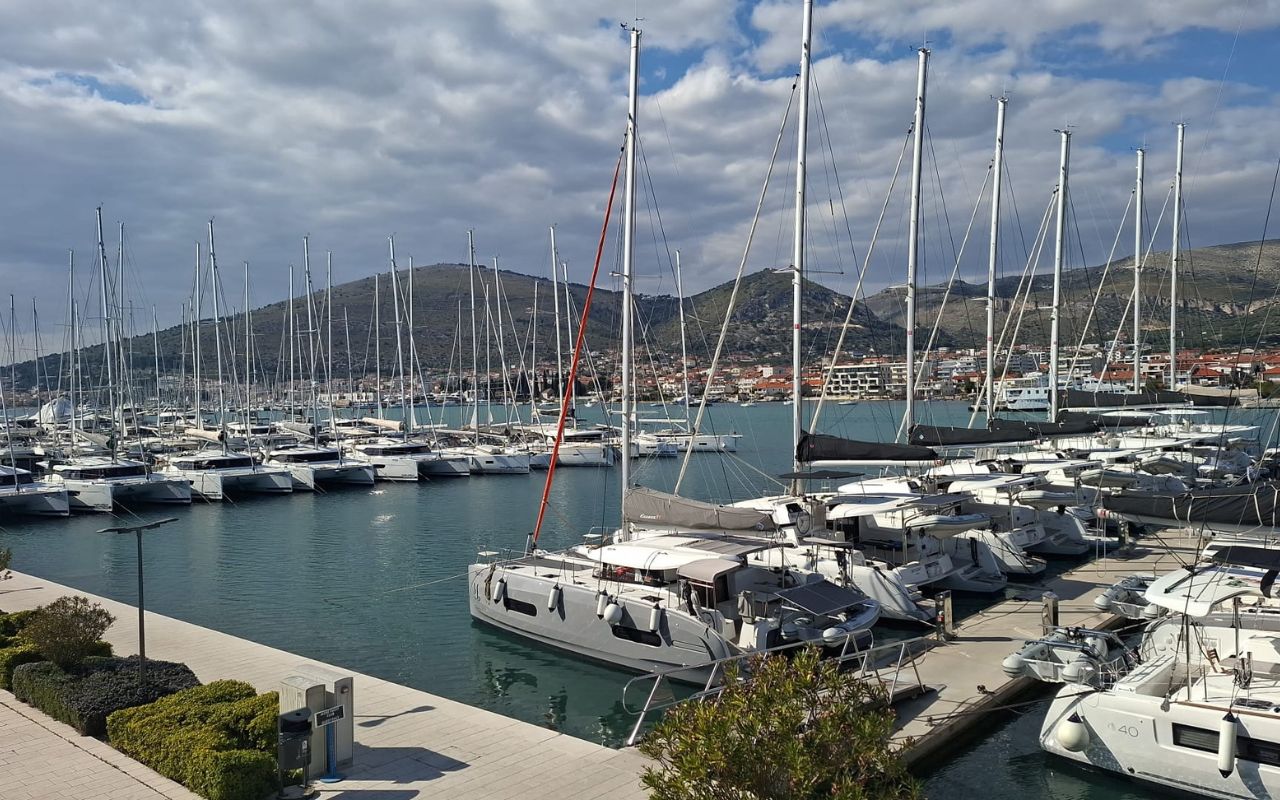
Are you a sailor? Do you charter a boat every season? Do you live by the sea? Or do you simply care about clean seas and coastlines? If so, this topic is probably closer to you than you think.
At first glance, the sea appears clean and untouched. The blue surface, sunshine, and boats create the image of a perfect holiday. However, beneath that surface lies a problem that often goes unnoticed.
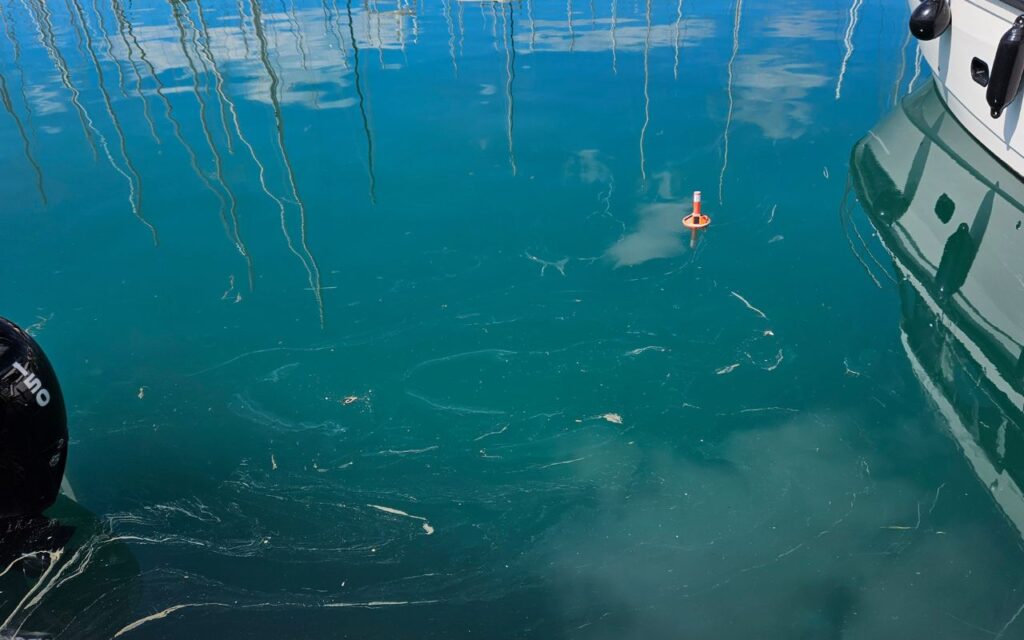
One of the main sources of pollution in coastal areas is sanitary wastewater from charter and cruising vessels. In practice, this wastewater is often discharged directly into the sea without proper treatment.
The problem becomes particularly evident during the tourist season, when the number of vessels increases significantly and the pressure on marine ecosystems intensifies.
How do charter vessels pollute the sea?
Pollution associated with charter vessels primarily originates from sanitary wastewater generated by people living on board. This wastewater is generally divided into two categories: black water (sewage) and grey water, which differ in composition and environmental impact.
Black water poses a greater risk because it contains high concentrations of pathogenic microorganisms. It may harbor more than one hundred different disease-causing agents, including bacteria, viruses, and parasites, representing a serious threat to both human health and marine life.
Grey water, on the other hand, contains detergents, organic matter, and nutrients such as nitrogen and phosphorus. Although it may appear less harmful at first glance, its continuous discharge into the marine environment significantly contributes to the process of eutrophication.
Eutrophication is the excessive enrichment of water with nutrients, which stimulates rapid growth of algae and microorganisms and leads to reduced oxygen concentrations in the water. As a result, living conditions for many marine organisms deteriorate, and ecosystem stability is compromised.
Why are small vessels a bigger problem than large ships?
Many people assume that the greatest contribution to marine pollution comes from large cruise ships, but in practice, the situation is often quite the opposite.
Large vessels are subject to strict international regulations, such as the MARPOL Convention, and are required to have systems for collecting and treating wastewater. The discharge of such wastewater is permitted only under clearly defined conditions and at specified distances from shore.
Small charter and recreational vessels, however, are often not subject to equally stringent regulations. Consequently, many of them lack onboard wastewater treatment systems, are not systematically monitored, and frequently discharge wastewater in close proximity to the coast.
As a result, despite their smaller size, these vessels can have a significant local impact on seawater quality, especially in enclosed and shallow bays where water exchange is limited.
Environmental and health consequences
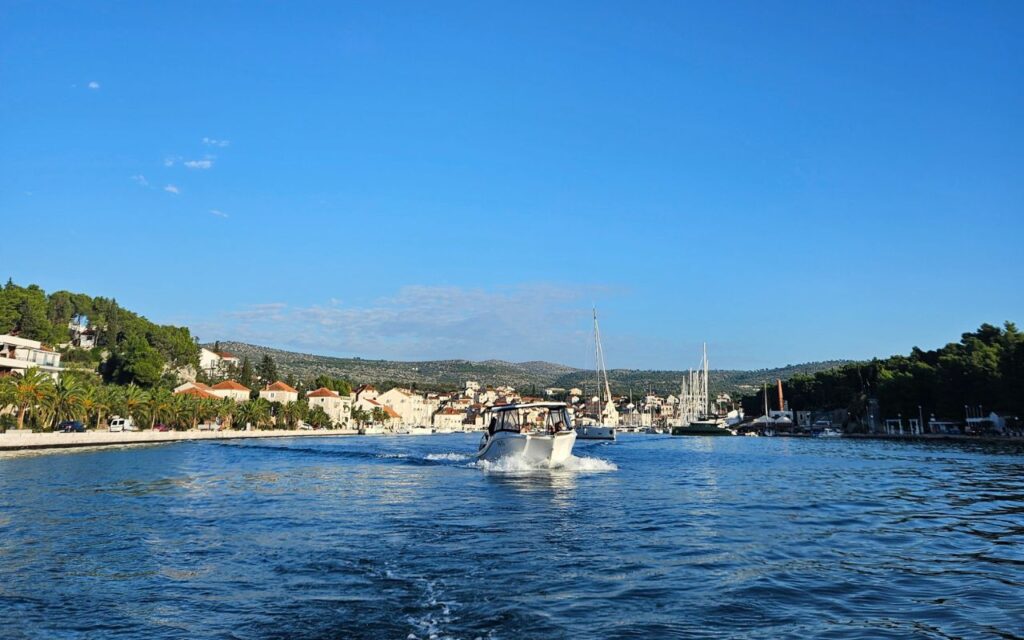
When sanitary wastewater enters the sea, it triggers a series of changes that are often not immediately visible but can have substantial long-term consequences.
Increased nutrient concentrations promote the excessive growth of algae and microorganisms, potentially leading to so-called “algal blooms.” These events may involve toxic phytoplankton species that further disrupt the balance of marine ecosystems.
As organic matter decomposes, oxygen consumption in the water increases. If oxygen levels drop significantly, hypoxic or anoxic conditions may develop, making survival impossible for many marine organisms.
In addition, the presence of pathogenic microorganisms can disturb the microbial balance of marine environments and negatively affect the health and survival of marine species.
Marine pollution is not only an environmental issue; it also directly affects human health and economic activities in coastal regions. Sanitary wastewater can reduce bathing water quality, increase the risk of infectious diseases, and contribute to microbiological contamination of marine environments.
Shellfish are particularly vulnerable because they filter large volumes of water and can accumulate pathogenic microorganisms in the process. As a result, they may become unsafe for consumption and pose risks to human health.
Furthermore, unpleasant odors, reduced water clarity, and algal growth can significantly diminish the attractiveness of coastal destinations. Over time, these changes can negatively impact local economies that depend heavily on a healthy and well-preserved marine environment.
Are there effective solutions?
Although the problem exists, practical solutions have already been developed and successfully implemented in several countries.
For example, Sweden has introduced a ban on the discharge of sewage from recreational vessels. Instead, a network of pump-out stations in marinas is used to safely collect wastewater and direct it to treatment facilities.
In Croatia, some infrastructure for wastewater collection already exists, but it is not equally available across all locations. Furthermore, the enforcement of regulations and monitoring systems is still not sufficiently effective.
Successfully addressing this issue requires the development of wastewater reception infrastructure, improvements to the legislative framework, effective monitoring and enforcement, and continuous education of vessel users.
Can nautical tourism be sustainable?
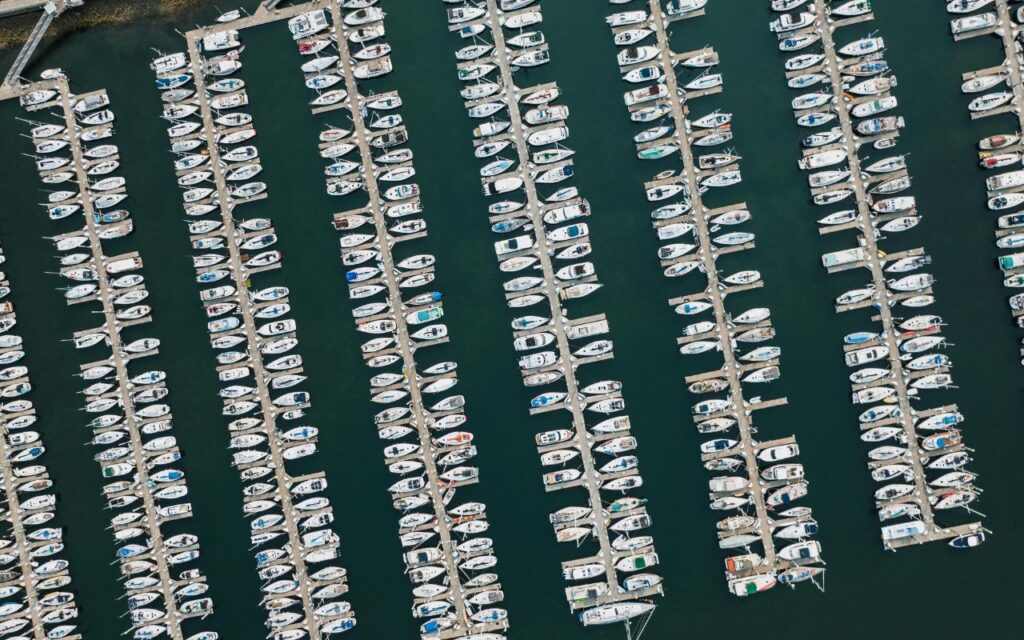
Nautical tourism plays a major role in the economy, but its long-term sustainability largely depends on how it is managed.
Sustainable development requires a balance between tourism activities and the preservation of natural resources. This includes responsible behavior by all stakeholders, from vessel owners and users to regulatory authorities.
Marine ecosystems have a limited capacity for natural recovery. Therefore, continuously increasing pressure without adequate management measures may lead to permanent changes in their structure and functioning.
For this reason, sustainable nautical tourism is not merely an option—it is a necessity for preserving the marine environment and ensuring the long-term stability of coastal regions.

The article “How Much Do Charter Vessels Really Impact the Sea?” is part of a series of student articles developed within the Interreg Italy–Croatia FishNoWaste project.
References
BATSECO-BOAT. 2018. Technology Assessment for Sewage Collecting. Central Baltic Interreg Project. Available at: https://centralbaltic.eu/project/batseco-boat
Briese Training Centre. 2025. MARPOL Annex IV: Sewage FAQ [presentation]. Available at: https://www.scribd.com/document/355155338/Marpol-Annex-IV-Sewage-FAQ (accessed June 2025).
Croatian Bureau of Statistics. 2024. Maritime Transport in the First Quarter of 2024. Available at: https://dzs.gov.hr/statisticke-publikacije/posebna-izdanja/pomorski-promet (accessed July 2025).
Gholami M, Mahmoudi H, Nabavi SMB, Niksokhan MH. 2020. Impact of Grey Water Discharge on Coastal Marine Environment. Marine Pollution Bulletin, 154:111061.
Croatian Hydrographic Institute. 2022. Report on the State of Nautical Tourism in Croatia. Available at: https://hhi.hr/
International Maritime Organization (IMO). 2003. MARPOL – Annex IV: Regulations for the Prevention of Pollution by Sewage from Ships. London: IMO.
Koboević Ž. 2015. Model of Marine Pollution by Black Wastewater from Vessels. Doctoral Dissertation, University of Rijeka, Faculty of Maritime Studies, 131 pp.
Ministry of the Sea, Transport and Infrastructure of the Republic of Croatia. 2019. National Programme for the Protection of the Sea from Pollution.
Owili MA. 2003. Assessment of Impact of Sewage Effluents on Coastal Water Quality in Hafnarfjordur, Iceland. Kenya Marine and Fisheries Research Institute.
Smith VH, Tilman GD, Nekola JC. 1999. Eutrophication: Impacts of Excess Nutrient Inputs on Freshwater, Marine and Terrestrial Ecosystems. Environmental Pollution, 100(1–3):179–196.
Spence RM. 1982. The Development of a Vocabulary and Sensory Method for the Assessment of Watercress Quality. International Journal of Food Science and Technology, 17(5):633–648.
Šolić M, Krstulović N. 2000. Ecology of Marine Bacterioplankton. Institute of Oceanography and Fisheries, Split, 452 pp.