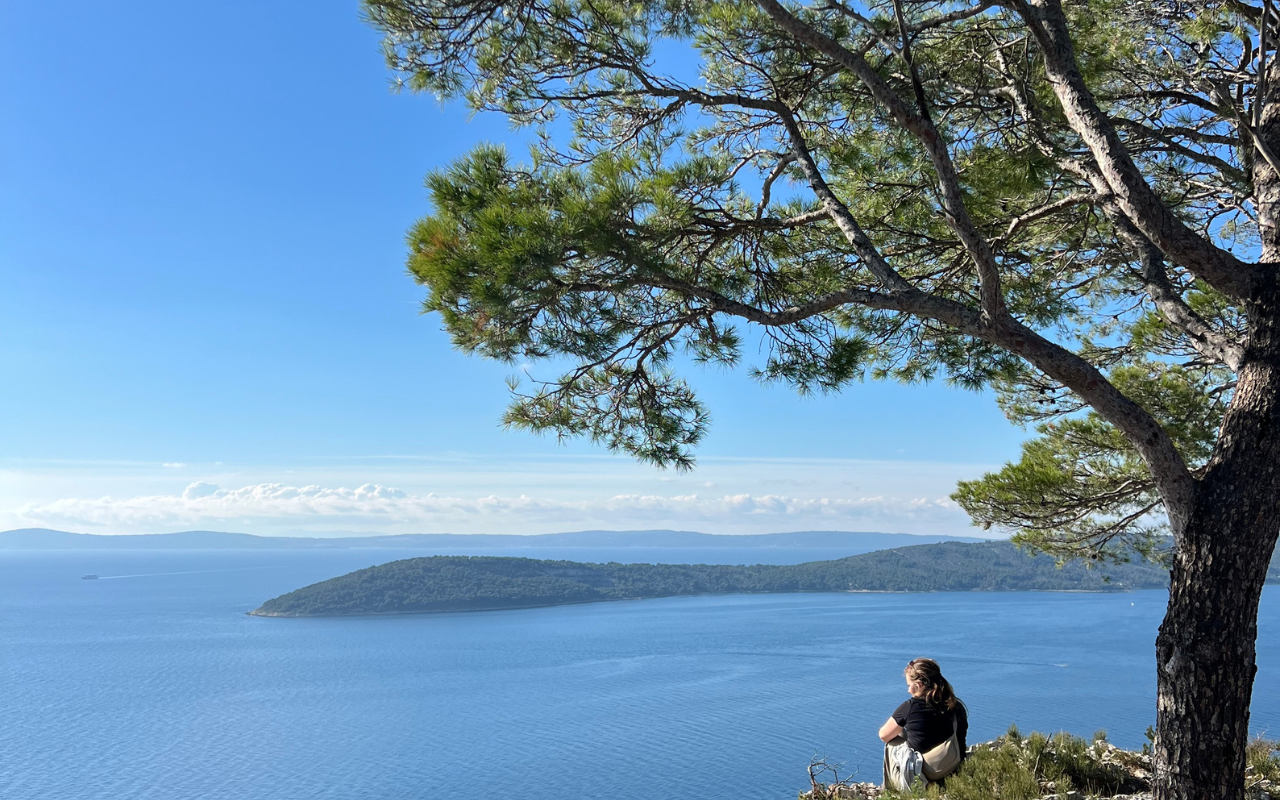
The Adriatic Sea is one of Croatia’s most valuable resources. It is the foundation of biodiversity, fisheries, and tourism, as well as everyday life along the coast. However, pressures on the sea have been increasing in recent years, and growing public concern is increasingly being reported through the Green Phone of the Sunce association.
This is a free tool through which citizens can report environmental problems when they do not know whom to contact or when they do not trust that institutions will respond. An Analysis of cases related to marine protection based on reports to Sunce’s Green Phone for 2024 and 2025 reveals two parallel realities: citizens are increasingly willing to report problems, but institutions often remain silent.
Over two years, a total of 73 reports related to marine protection were received by Sunce’s Green Phone. In 2024, 29 reports were recorded, while in 2025 there were as many as 44.
Most reports come from Split-Dalmatia County (48), of which 16 relate to Split. Six reports were received from Dubrovnik-Neretva County, while the rest are distributed along other parts of the coast.
Wastewater: the largest number of reports
The majority of reports relate to sea pollution caused by wastewater. During the analyzed period, 34 cases of pollution from land were recorded, along with 17 cases of discharges from vessels. More than two-thirds of all reported cases relate to fecal and similar pollution.
Citizens most often report spills from sewage systems and septic tanks, pipe ruptures, and runoff that ends up in the coastal zone. The problem is particularly pronounced in areas with mixed drainage systems, where heavy rainfall leads to the overflow of wastewater into the sea.
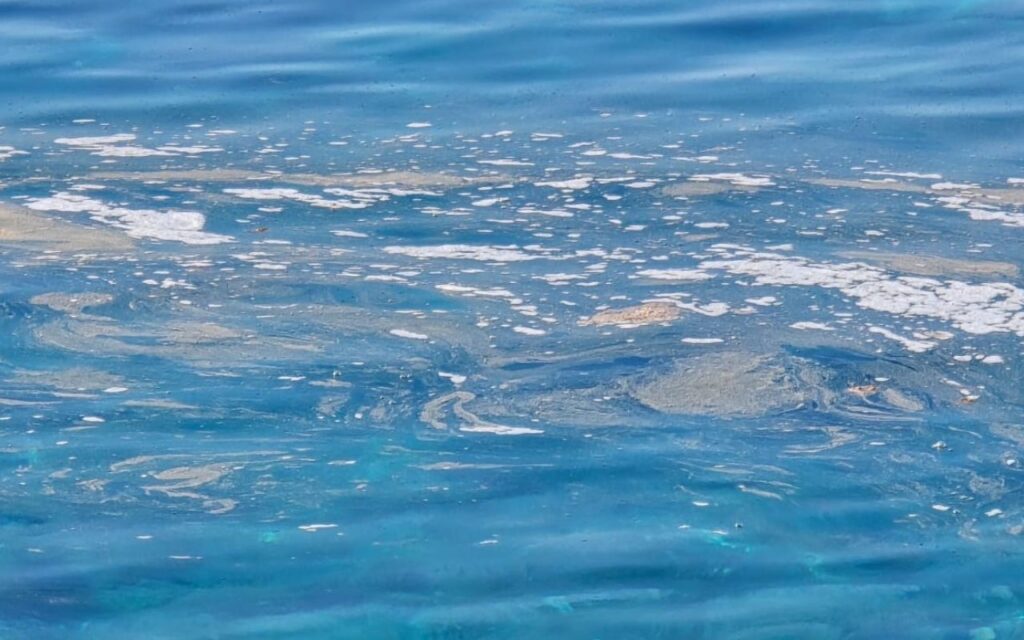
Pollution also comes from the sea. During the tourist and nautical season, discharges of fecal water from ships and boats are increasingly common, especially in ports, marinas, and bays. Wastewater from vessels includes sanitary (black and grey) and bilge waters.
Such discharges contribute to marine pollution and can negatively affect the state of the marine ecosystem, particularly in areas with a high concentration of vessels.
The season as a trigger for reports
Most reports are received during the nautical season from April to October, when the number of vessels and tourists along the coast significantly increases. The rise in reports can be linked to Sunce’s campaign “And where do you anchor?”. The campaign encouraged citizens to actively respond to marine pollution and report observed problems, with an emphasis on responsible behaviour in the Adriatic.

Marine litter also remains a constant problem. During the analyzed period, eight reports related to marine litter were recorded, with plastic making up the largest share.
The analysis also highlights so-called passively collected waste that fishermen unintentionally catch in their nets during fishing. Alongside fish, bags, packaging, and even bulky items such as mattresses, household appliances, and car tires are often found, creating additional costs for fishermen and damaging fishing gear.

For this reason, it is important to ensure an effective system for the reception and management of waste so that it does not return to the environment.
Consequences of coastal filling and improper anchoring
Over two years, seven reports of coastal filling were recorded, often linked to illegal activities such as beach expansion, concretization, or beach nourishment without the necessary permits.
Such interventions disrupt natural coastal processes, increase water turbidity, and can permanently damage marine habitats.
The Analysis also highlights the difference between beach nourishment, which involves replacing material lost through natural processes, and sea filling, which means extending land into the sea.

In practice, this distinction is often lost in unregulated interventions before the tourist season, when the coastline is modified without long-term planning.
Anchoring of vessels is the least represented category in reports (five cases), but it can cause significant damage. Anchors damage the seabed, particularly sensitive habitats such as seagrass meadows, coralligenous communities, and infralittoral algae, which are extremely important for preserving the marine ecosystem.
Institutions without response: cases still open
Perhaps the most important finding of the analysis relates to the response of institutions. For 35 reports, citizens were directed to contact institutions independently, while in other cases Sunce directly contacted the competent authorities. However, in a large number of cases, no responses were received.
Currently, responses are still pending for 38 out of a total of 73 cases, meaning that almost every second case remains without feedback.
There are also positive examples. Water wardens in Split, Makarska, Hvar, and Brač regularly conduct field inspections and provide feedback in cases of marine pollution originating from land.
On the other hand, the analysis records only one response from harbour master’s offices—the case of the Harbour Master’s Office Dubrovnik, Cavtat branch, from August 2025, when an inspection was carried out following a report of oil and fuel pollution.
For other reports addressed to harbour master’s offices, maritime domain inspectors, maritime wardens, and concessionaires, responses were, according to the analysis, absent.
What needs to change in the marine protection system?
Although existing Croatian laws and regulations clearly define responsibilities and protection measures, practice shows that implementation often does not reach the level required for effective marine conservation.
One of the key problems is weak coordination between different sectors—maritime affairs, nature and environmental protection, tourism, spatial planning, and local and regional authorities.
When responsibilities are dispersed across multiple institutions, oversight is weaker, responses are slower, and accountability is easily lost. The result is a system that often reacts to pressures on the sea only when the problem becomes visible to the public.
According to the Analysis, one of the main reasons citizens turn to the Green Phone is a lack of trust in institutions and non-transparent handling of reports. In more serious environmental threats, case resolution is often driven by the media, which, through public pressure, prompts a response from the competent authorities.
More about the Analysis of cases related to marine protection based on reports to Sunce’s Green Phone for 2024 and 2025, prepared as part of the project “Green Phone – Lend your voice to the environment III!”, will be presented on March 27 at the Croatia Nautic Show. As part of the panel “Citizens as allies in marine protection – how to improve the reporting system and institutional response?”, the results will be presented and challenges in the reporting and monitoring system for marine pollution will be discussed.
If responses are missing, if you do not know whom to contact, or if you recognize yourself in any of the situations described, you can contact Sunce’s Green Phone. We cannot guarantee that every problem will be solved, but we can guarantee that we will do everything in our power.
Because the sea is a shared resource—and its protection begins with ensuring that problems are not ignored.
