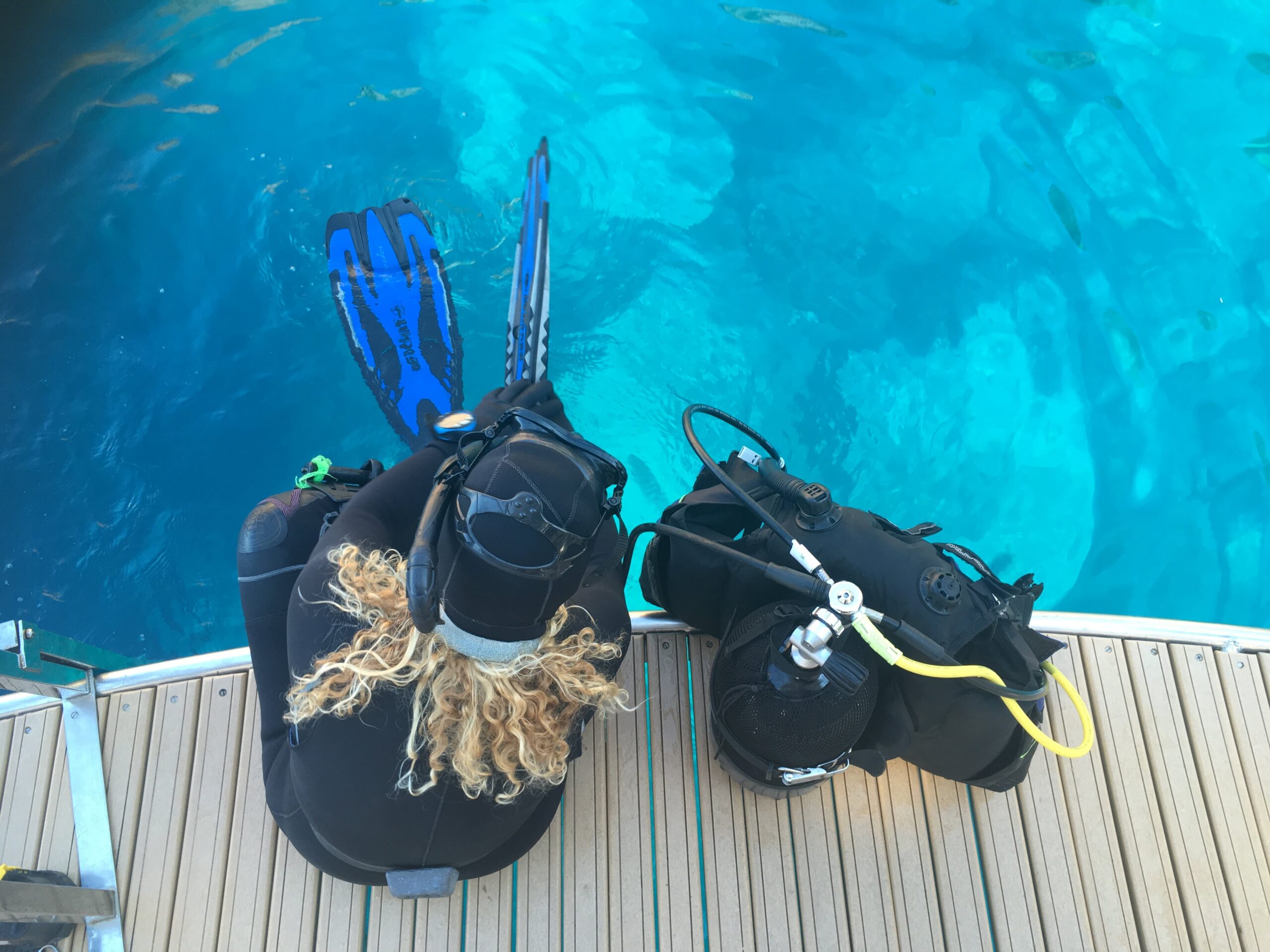
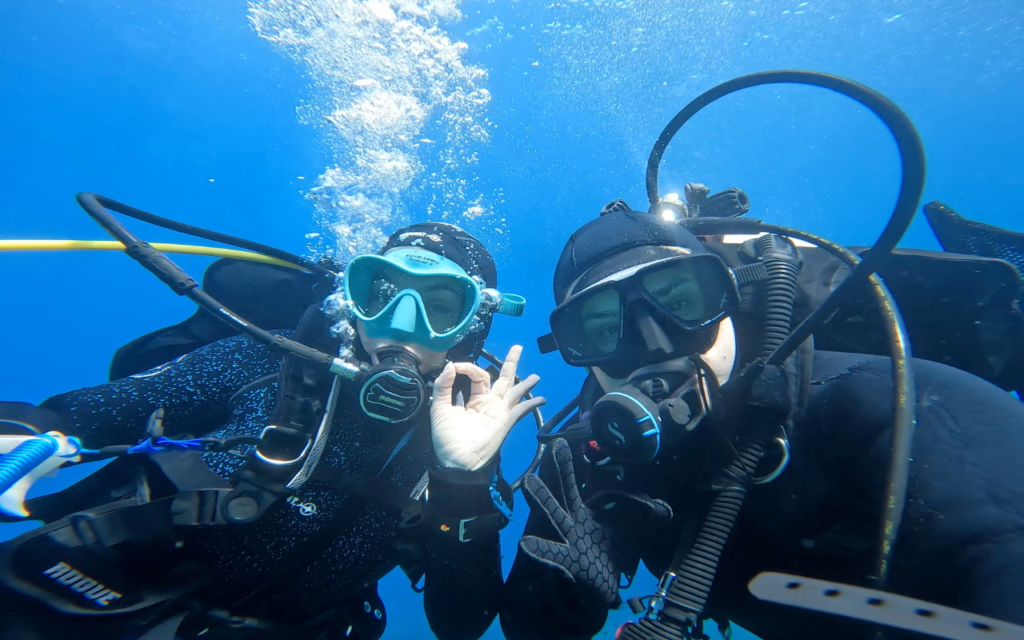
When we talk about marine protection, we usually first think of scientists, conservationists, or government institutions managing protected areas. However, around the world, another important group is increasingly getting involved in protecting marine ecosystems: young people! From students monitoring the condition of coral reefs to university students developing solutions to local environmental protection problems and reducing human pressure on ecosystems, young people are becoming increasingly active participants in marine protection.
Across the world, the sea is part of people’s everyday lives, and the same is true of our Adriatic Sea. It provides us with food, regulates the climate, provides jobs and places for recreation, but it is also home to a large number of plant and animal species that we must protect. Numerous pressures, from pollution and waste to intensive tourism, fishing and the impacts of climate change, are changing the state of marine ecosystems every day, which is why there is growing discussion about ocean literacy, that is, understanding the impact of the ocean and seas on us, as well as our impact on them.
The fundamental principles of ocean literacy
According to the National Marine Educators Association (NMEA), ocean literacy is based on seven fundamental principles:
1. Earth has one big ocean with many features.
Although we talk about the Atlantic and Pacific Oceans, or perhaps the Adriatic or Red Sea, as separate areas, all seas and oceans are interconnected as one large system. Water, living organisms, nutrients and all other materials move freely through this system, which means that changes in one part of it can have consequences elsewhere through various interconnected processes.
2. The ocean and life in the ocean shape the features of Earth.
The sea is not simply a space that fills the depressions between continents. Waves, ocean currents and changes in sea level constantly reshape coastlines and, consequently, the ecosystems that inhabit them.
3. The ocean is a major influence on weather and climate.
The ocean stores and transports vast amounts of heat and water, and therefore plays a key role directly in climate and weather processes. Understanding the sea gives us direct insight into the climate of the planet we all live on.
4. The ocean makes Earth habitable.
A large portion of the oxygen in Earth’s atmosphere comes from photosynthetic organisms in the sea. The U.S. National Oceanic and Atmospheric Administration, NOAA (National Oceanic and Atmospheric Administration), estimates that phytoplankton and other photosynthetic organisms in the sea are responsible for approximately half of the oxygen production on Earth.
5. The ocean supports a great diversity of life and ecosystems.
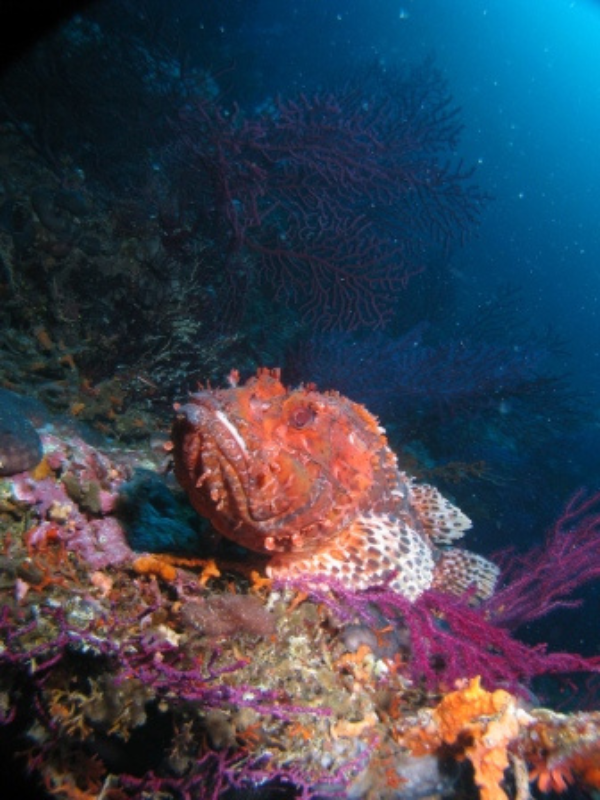
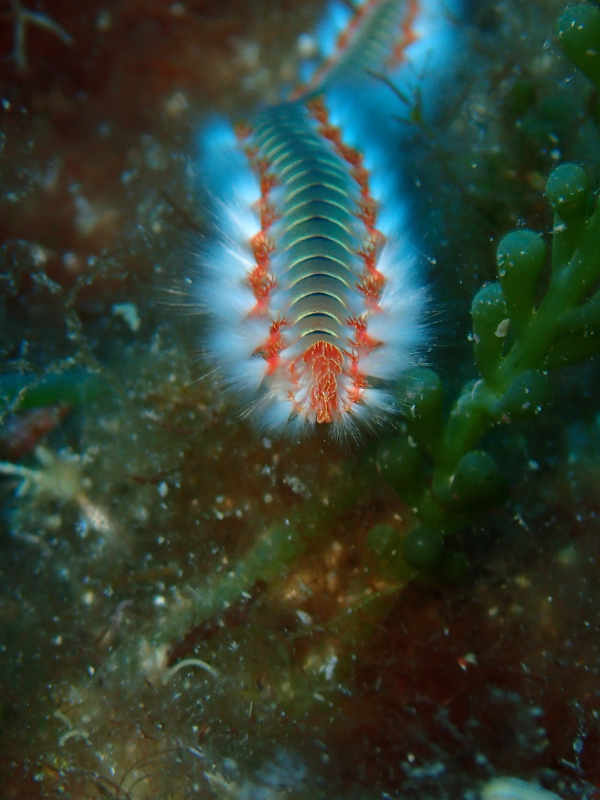
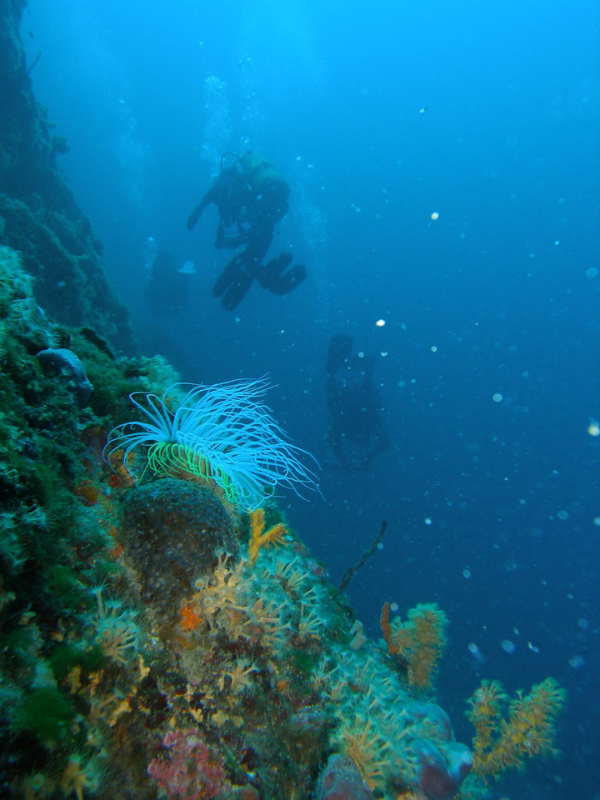
From microscopic plankton to the largest vertebrates on the planet, the ocean is home to extraordinary biodiversity. Marine organisms live in a wide range of different habitats and conditions that shape them, from warm shallow waters to deep, cold oceans where complete darkness prevails.
6. The ocean and humans are inextricably interconnected.
The sea affects our diet, economy, culture, health and transport every day, while at the same time we have a significant impact on it through fishing, pollution, coastal construction, tourism and numerous other activities. This is precisely the principle that is highlighted when we talk about involving young people in marine protection. It is not something that happens somewhere far away from us, but is connected to the everyday choices and actions taking place in our communities.
7. The ocean is largely unexplored.
Despite the rapid technological progress humanity has made over the past few centuries, there is still much we do not know about our ocean! To date, less than 20% of the seas and oceans have been explored, mapped and studied. Marine research requires a vast range of different knowledge and technologies, as well as collaboration across numerous disciplines.
Educating young people for marine protection
These seven fundamental principles of ocean literacy show us that it cannot be reduced simply to knowledge of marine species and pollution problems. We must understand the ocean as one large, interconnected system, and we must also understand our own place within it. This is precisely why educating young people is an important factor in the long-term protection and conservation of our seas.
A good example of such youth involvement comes from the Perhentian Islands in Malaysia. Through the Anak Pulau programme, children as young as six are introduced to citizen science by taking part in coral monitoring and learning about the problem of marine plastic pollution. Later, as they grow older, they can complete diving courses and monitor the condition of coral reefs in their communities and the nesting sites of sea turtles. From the age of eighteen, they can also join the local Rapid Response Team, which responds to specific threats to the marine environment, such as abandoned fishing nets and damaged coral reefs. In this way, marine protection is not a one-off educational activity for young people, but becomes a process through which future generations gradually gain more knowledge and take on greater responsibility for marine protection.
UNESCO in Vietnam implemented the Our Ocean, Our Life project, in which educational and practical activities adapted to the local context were held in two UNESCO Biosphere Reserves from July 2024 to December 2025. The programme combined ocean literacy education with practical activities such as collecting and sorting plastic on Cua Dai Beach as part of learning about marine pollution. More than 2,000 students and teachers took part in the project and later developed their own local initiatives.
In Thailand, a number of students took things one step further and began coming up with solutions to problems they had identified themselves or encountered as part of educational programmes. Among the projects they presented at UNESCO’s World Oceans Day commemoration in Bangkok in 2026 were a solar-powered vessel that can be used to collect waste from waterways, a project to study the biodiversity of mangrove forests and their crabs, and a waste monitoring system aimed at reducing pollution in canals. This approach enables young people to organise themselves and address issues that are personally important to them, while contributing to environmental protection in their communities.
Marine protection is also taught at Sunce
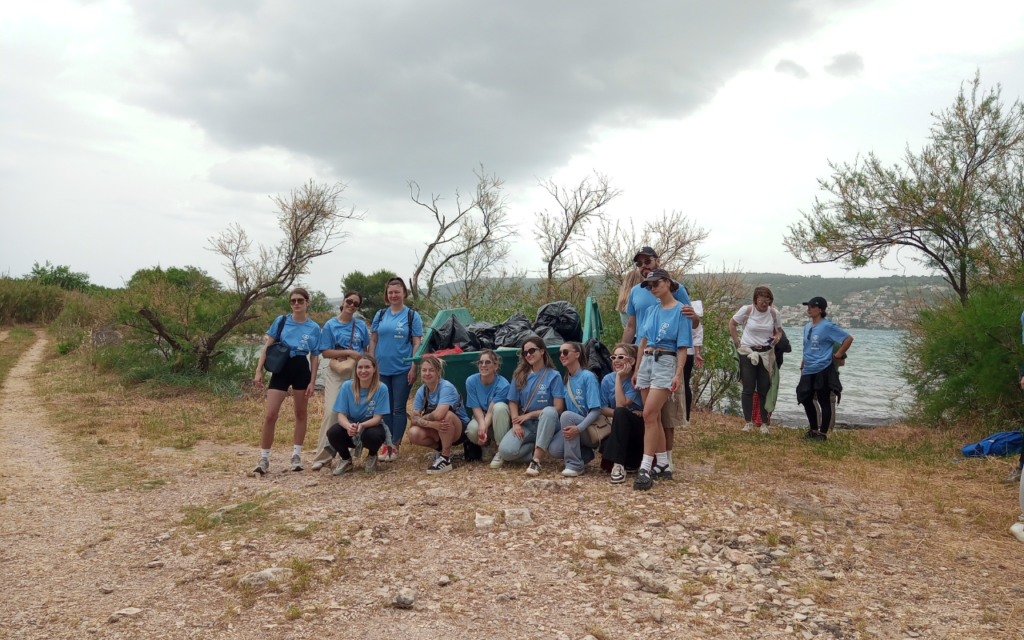
We do not have to look to the other side of the world for examples of actively involving young people in marine protection. Sunce’s ML-FREE: Marine Litter-Free Adriatic Sea – Education for Active Youth Participation project was implemented from 2023 to 2024 as a cross-border cooperation project between Croatia and Italy focused on educating young people about marine litter, with a particular focus on plastic pollution. The aim was not only to inform students about marine litter, but also to increase their skills so that they too could actively participate in finding solutions for marine protection. Students from Croatia and Italy took part in a clean-up action at Pantan, and the collected waste was later used to make decorative objects.

The involvement of young people in protecting the Adriatic continues through new projects as well. One of the planned outcomes of the ADRIWATCH – Improving the Monitoring and Data Management System in Marine Protected Areas of the Adriatic project is precisely the involvement of young people and students in project activities. The project itself emphasises that marine protection requires shared responsibility, shared knowledge and joint action.
All these activities and projects, from educational programmes to clean-up actions and marine ecosystem research, create new opportunities for young people to experience the sea not simply as a space they will have to protect in the future, but as a system whose protection for the common good they can already begin contributing to today.
The article “Ocean literacy brings marine protection closer to young people” is part of a series of student articles within the Interreg Italy – Croatia ADRIWATCH project.
Are you a student and would like to volunteer as a writer for Sunce? Fill out the Statement of interest in volunteering at Sunce or contact us at [email protected]!

Literature:
Grist. (2025). The tiny ocean organisms that could help the climate in a big way.
NASA Earth Observatory. (2025). What are phytoplankton?
National Oceanic and Atmospheric Administration (NOAA). (2024). How much oxygen comes from the ocean?
National Marine Educators Association (NMEA). (2024). Ocean Literacy: The Essential Principles and Fundamental Concepts of Ocean Science.
UNESCO. (2025). Anak Pulau Programme.
UNESCO. (2026). Sustaining our oceans.
UNESCO. (2026). Young people lead ocean conservation action across Thailand, Viet Nam and Indonesia through UNESCO.
UNESCO. (2026). Sustaining Our Oceans in Viet Nam: Building a healthy relationship with oceans through education.
UNESCO. (2026). Students in Viet Nam present local solutions for ocean protection.