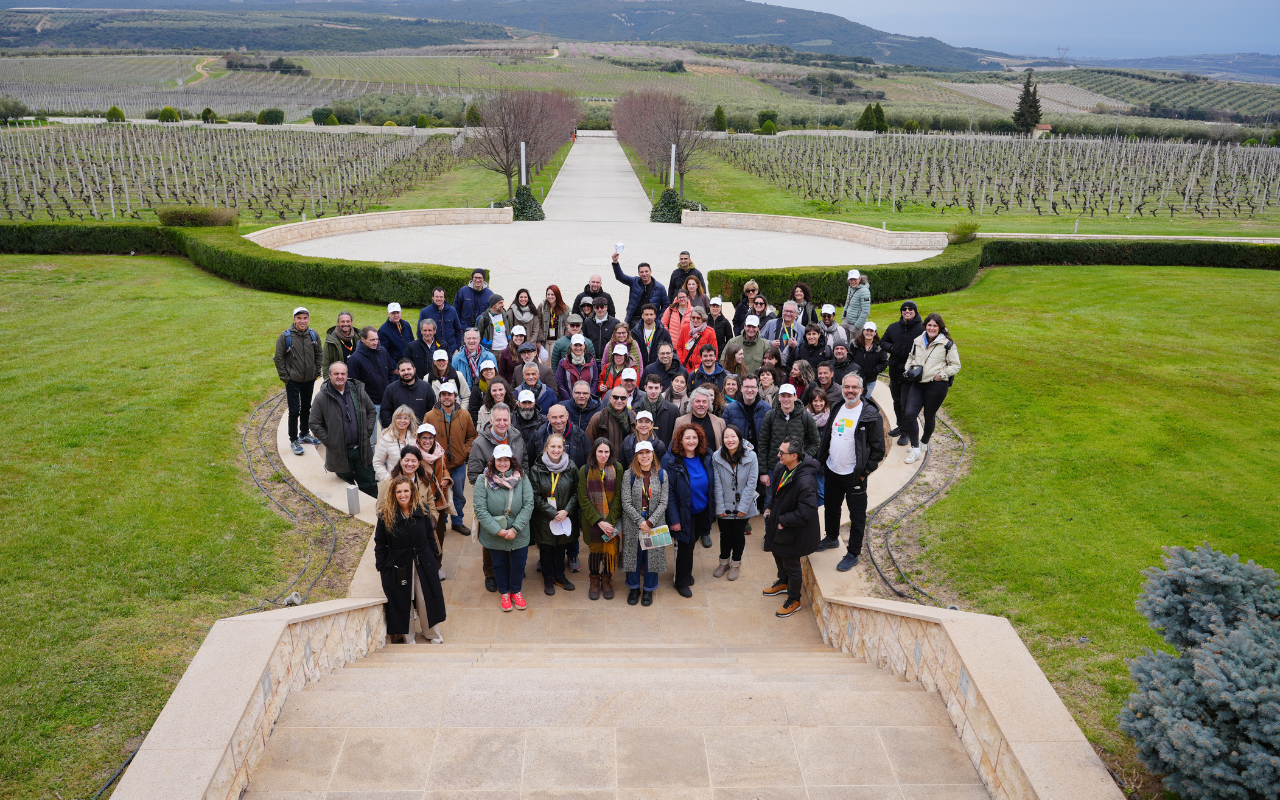
How can Dalmatia become more resilient to climate change by using nature-based solutions? This question was at the heart of the DesirMED project’s annual General Assembly, held from 17 to 19 March 2026 in the Greek city of Kavala. As Nature-based Solutions (NbS) are key to climate adaptation in the Mediterranean, the event brought together around 100 experts, project partners, and representatives of regional authorities.
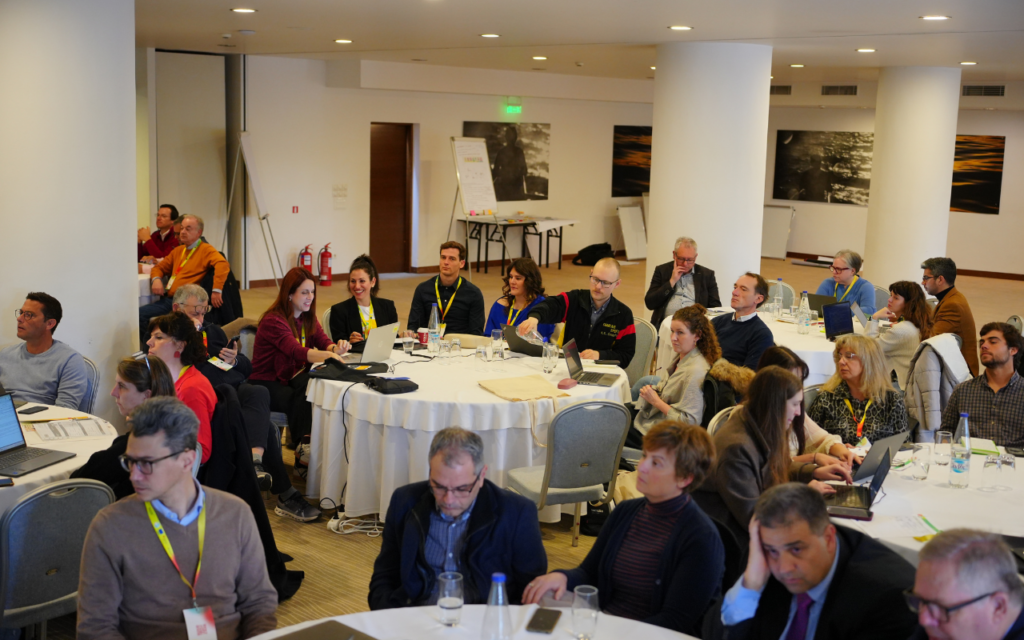
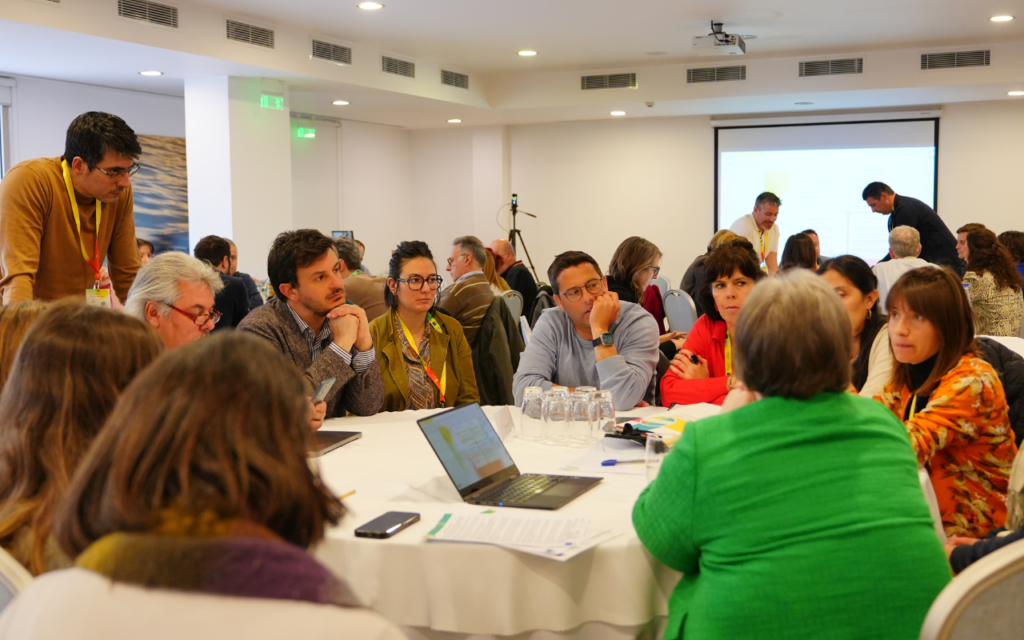
The meeting was hosted by the Region of Eastern Macedonia and Thrace, with the support of Greek partners (Democritus University of Thrace and the Municipality of Paggaio). The first two days focused on identifying concrete ways to accelerate the implementation of green solutions on the ground and to overcome administrative barriers that often slow down such projects.
Particular attention was given to securing stable financing and attracting private investors, as well as to accurately measuring the real benefits that these solutions bring to both nature and society. A significant part of the discussion also focused on citizens—encouraging local communities to become active contributors through “citizen science,” directly participating in monitoring the state of their environment.
Strengthening Mediterranean resilience: NbS in practice
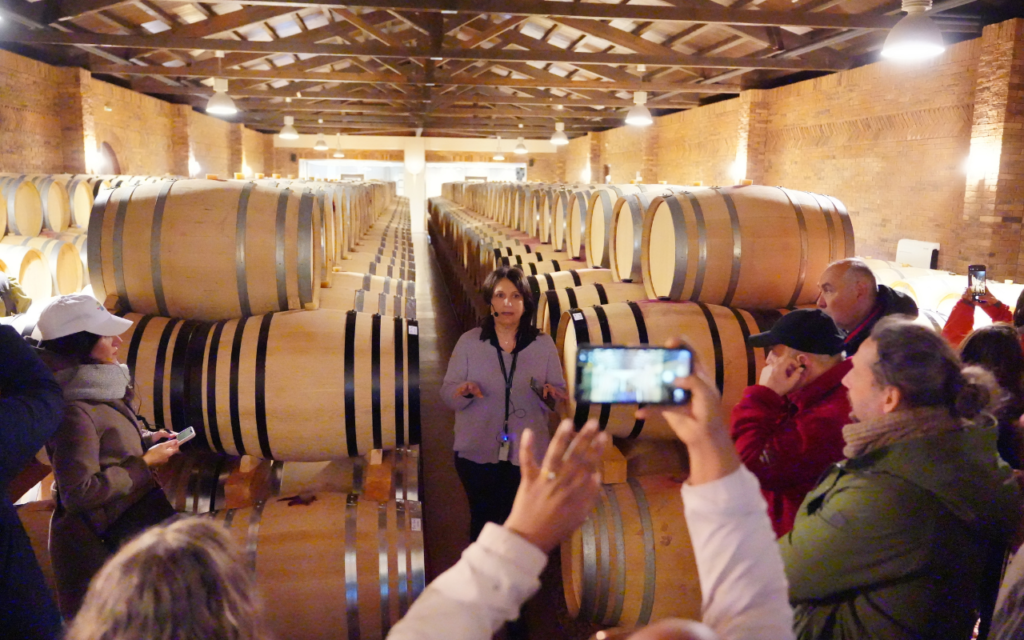
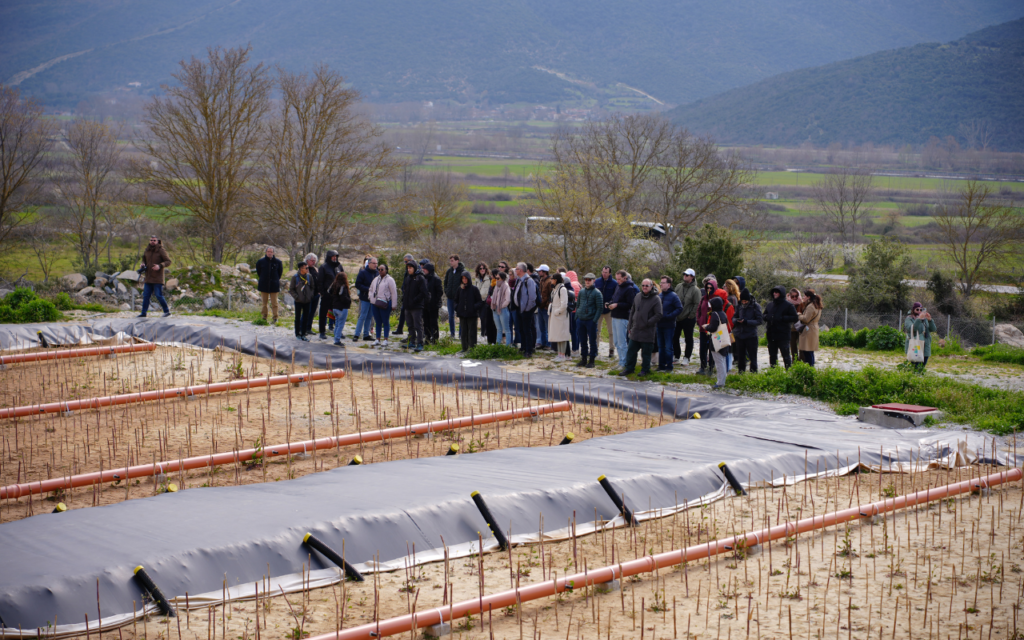
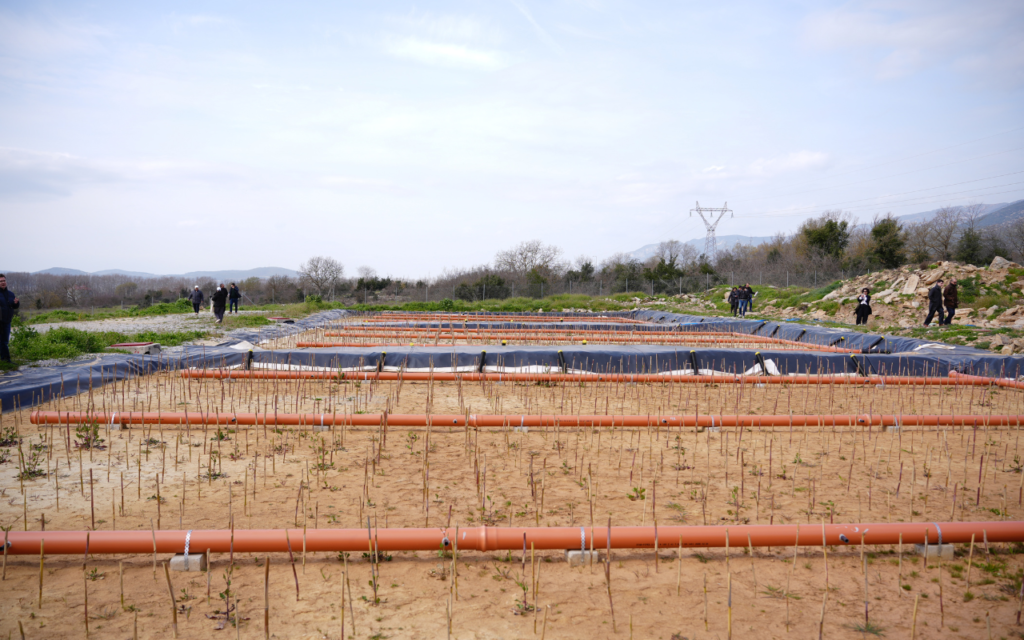
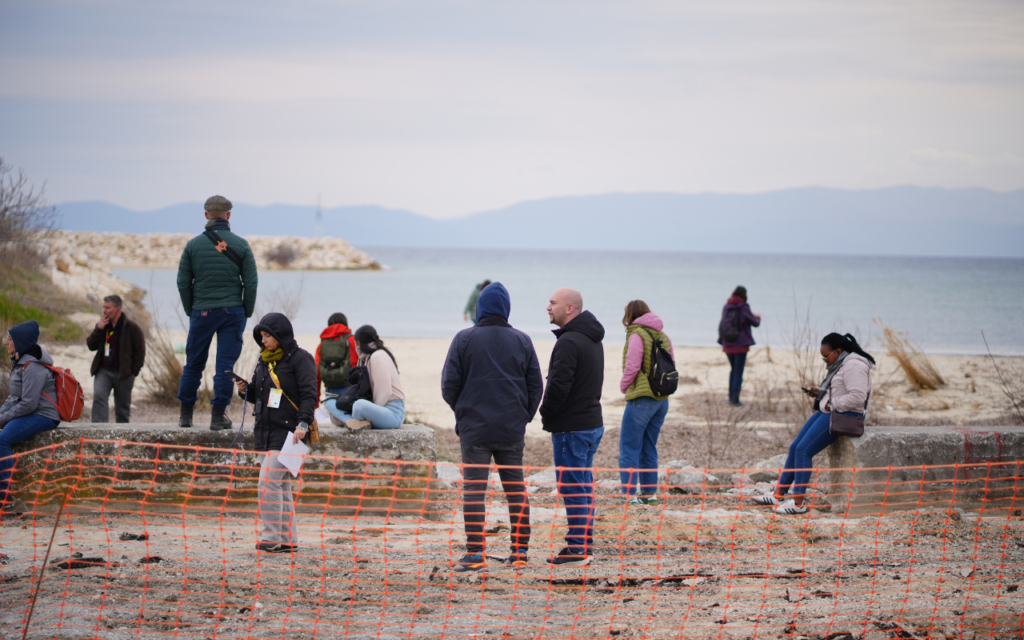
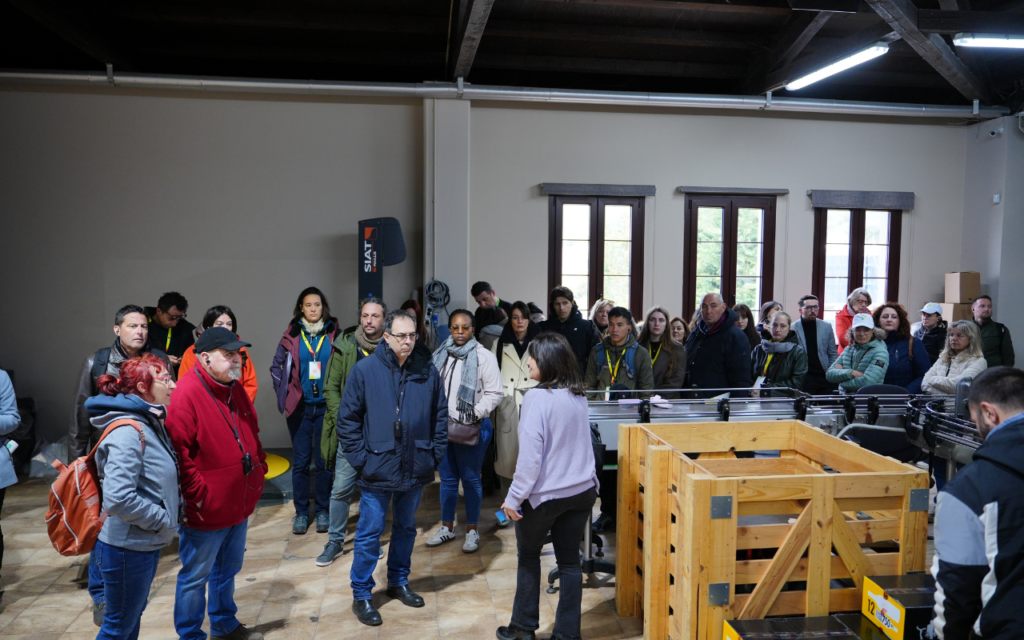
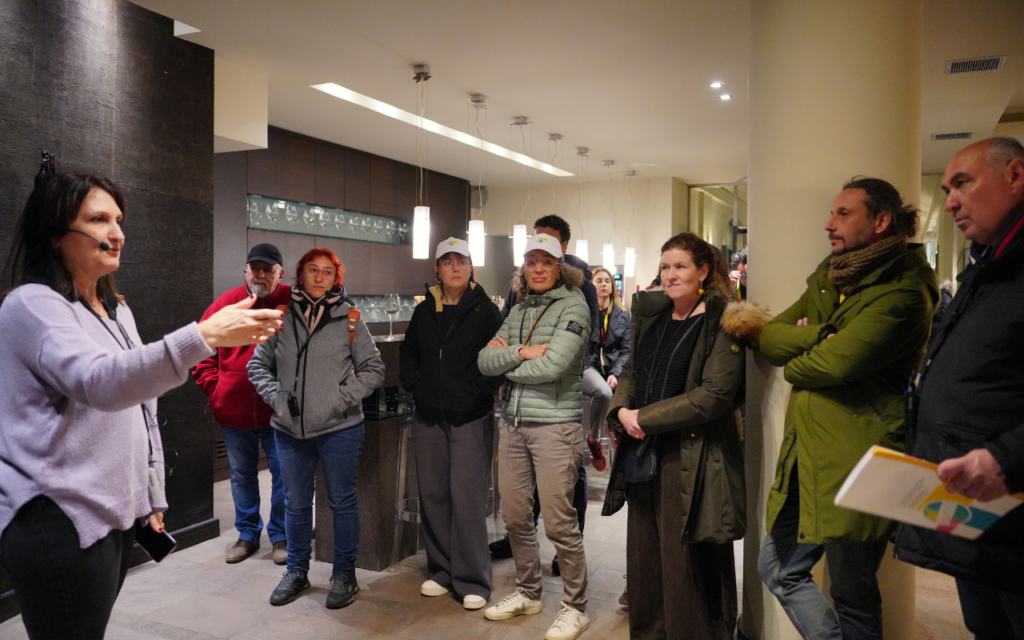
Theory quickly gave way to practice through visits to pilot sites in the Municipality of Paggaio, where participants observed concrete examples of nature-based solutions in action:
- Constructed wetlands (Moustheni): A wastewater treatment system that enables water reuse for irrigation.
- Precision irrigation (Biblia Chora vineyard): The use of soil moisture sensors and automated systems to optimize water use based on real-time data.
- Coastal erosion protection (Kariani Port): The use of geotubes as breakwaters and beach restoration using sand accumulated upstream.
- Flood protection (Nea Peramos): The construction of small barriers made of natural materials and geotubes along streams to mitigate flash floods.
Adaptation Day: how to scale up good practices?
The third day was open to the public and external stakeholders. Five demonstration regions of the project were presented, including the Split-Dalmatia County. Project manager Maja Jurić showcased pilot activities taking place in Split, focusing on the development of school gardens in the Brda and Dobri primary schools.
Instead of concrete surfaces, these schools are becoming spaces for implementing nature-based solutions. The gardens are not merely aesthetic additions, but active tools for climate adaptation. They help reduce the urban heat island effect, absorb excess rainwater, and—most importantly—serve as “living classrooms,” where children learn from an early age how to coexist with nature in practice.
The goal was to demonstrate that what is being implemented in Split can serve as a model for the entire Mediterranean. However, for such solutions to be sustainable, they must become part of official urban development plans rather than remain isolated examples.
In addition to project partners, 14 external experts and institutional representatives from various DesirMED regions joined the discussion. They provided feedback on the presented pilot projects and shared their own experiences in tackling climate challenges, highlighting similar initiatives implemented in their regions.

Looking ahead: become part of the change
The meeting in Kavala confirmed that solutions to the climate crisis must not remain confined to scientific circles. They need to be applied in every school, field, and city. That is why the DesirMED project continues to expand its network of Climate Ambassadors—individuals who, through their work and influence in local communities, are already demonstrating how to adapt to the changes ahead.
Are you interested in protecting our planet and contributing to community resilience to climate change? Learn more HERE.
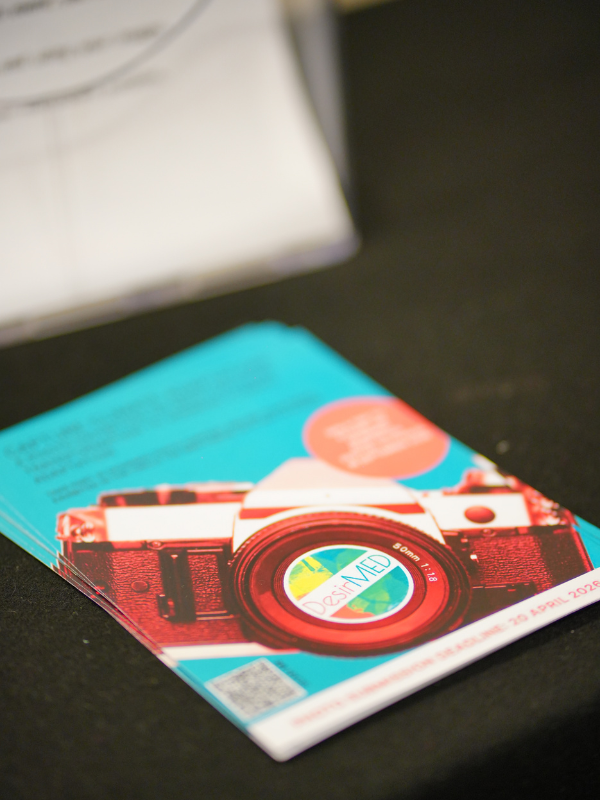
Would you like to show how you see nature as a solution? Join our photo contest (LINK)! We are looking for visuals that capture the power and resilience of nature, as well as examples of coexistence between people and the environment in Dalmatia. The best photos will become part of our awareness-raising campaign on climate adaptation, and selected authors will receive prizes.
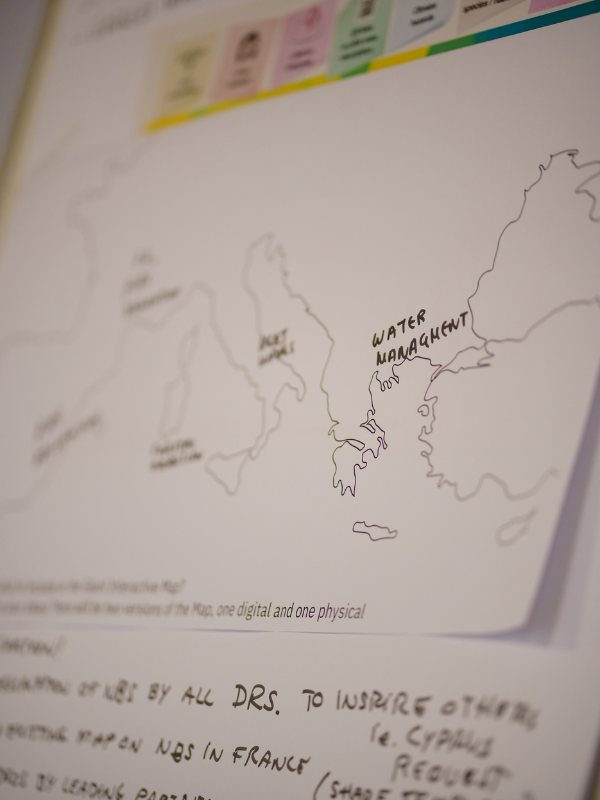
Together, we can create a more resilient and greener Mediterranean. The outcomes of this assembly will serve as a foundation for further development and implementation of nature-based solutions across all regions involved in the project, contributing to a more sustainable and climate-resilient Mediterranean.
