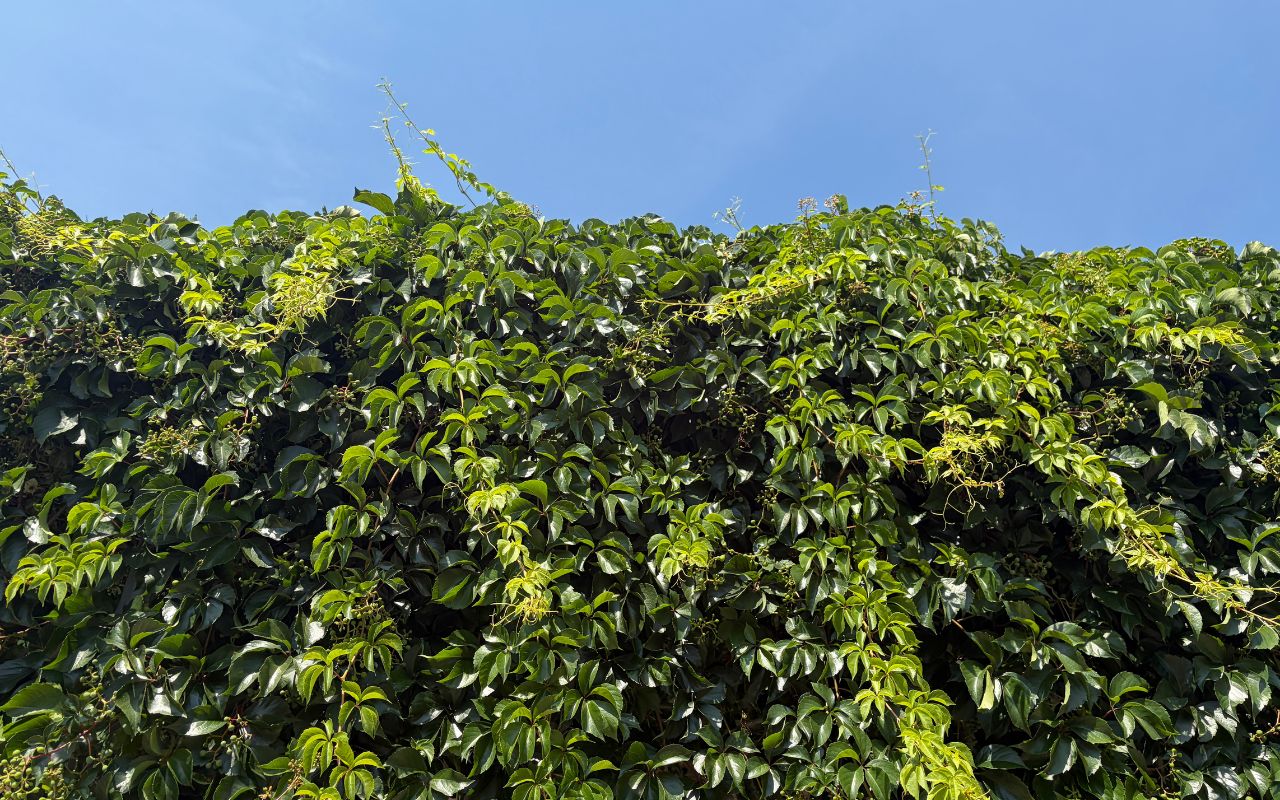
As one of the consequences of climate change, heatwaves have become more frequent and intense in recent years, significantly affecting our quality of life, particularly for those living in urban areas. On August 12 this year, for example, the official Split-Marjan meteorological station recorded 39.7°C at 2 p.m., setting a new absolute temperature record.
What makes matters worse is that concrete and asphalt retain heat for a long time. Shade is often scarce or completely absent, while green spaces are increasingly being replaced by buildings and parking lots. Under such conditions, as we can all agree, living in the city is becoming increasingly difficult and stressful.
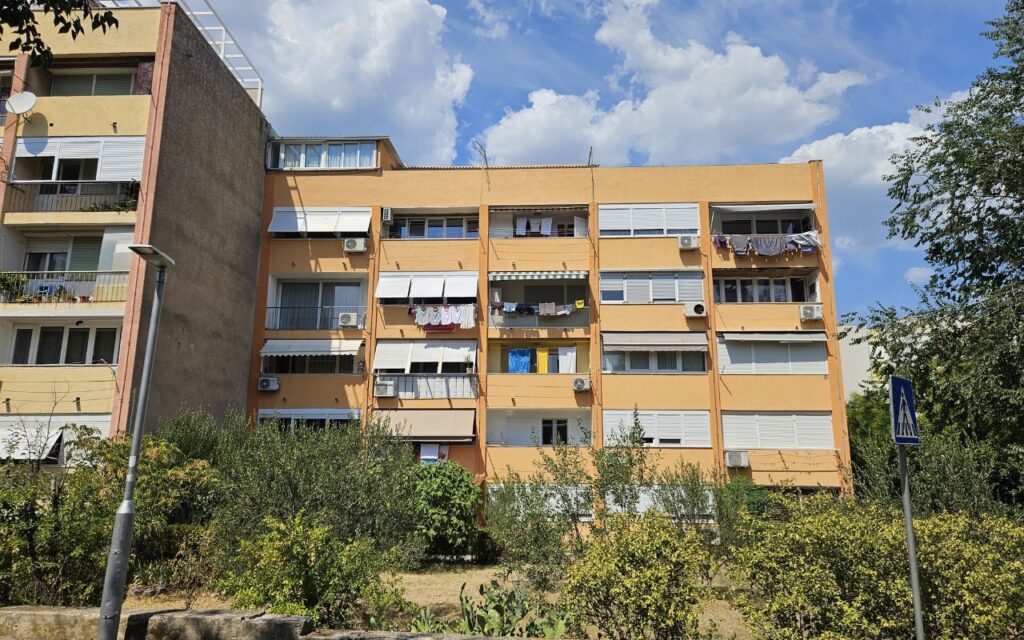
To make spending time outdoors as pleasant as possible, we need to adapt our outdoor spaces to the realities of the climate crisis wherever we can.
But the climate crisis cannot be addressed solely through political decisions aimed at increasing urban greenery. The way we live, shop and interact with nature as individuals also shapes the future of our cities. How? Read on to find out.
Citizens need more greenery
Did you know that simply looking at trees or green spaces can make urban environments feel more pleasant?
According to a recently published study by Seoul National University, green surroundings are associated with lower levels of stress and greater psychological well-being.
Researchers demonstrated this by comparing participants’ biological responses while they looked at a blank wall and a wall covered in greenery. Those who looked at the green surface had lower heart rates, higher levels of attention and reported less stress than those who looked at a bare concrete wall.
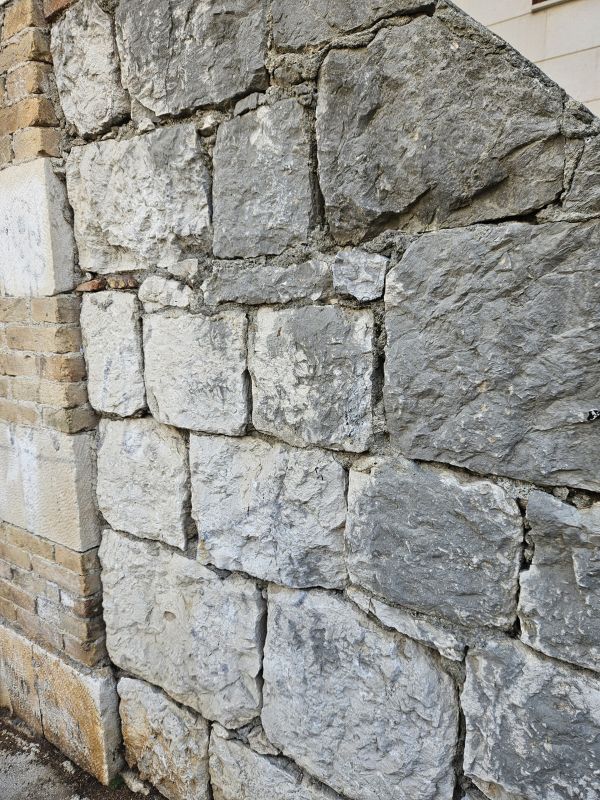
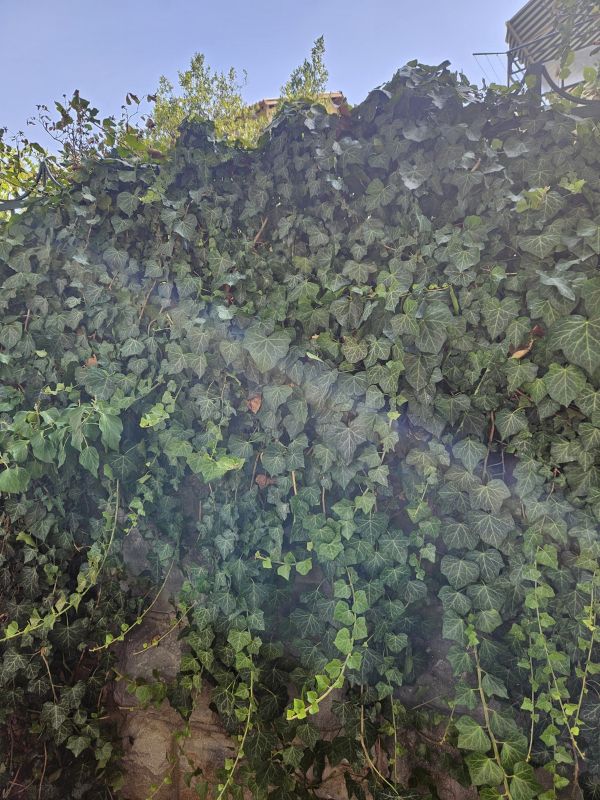
Greenery, therefore, is not merely an aesthetic addition to urban spaces. Trees, parks and gardens directly benefit both our mental and physical health by cooling the surrounding area, improving air quality and providing spaces for rest and relaxation.
The study also highlights that, based on findings such as these, a growing number of cities around the world are embracing the 3-30-300 rule. The idea is that everyone should be able to see at least three trees from their home, live in an area where tree canopies cover at least 30% of the surrounding area, and have access to a high-quality green space within 300 metres of their home.
Sunce supports this principle in part through the DesirMED project, which promotes Nature-based Solutions (NbS) such as greening urban spaces and creating natural shade.
As highlighted above, such solutions do more than mitigate the effects of heatwaves and help us adapt to climate change. They also contribute to higher-quality public spaces for everyday life.
Change begins with our everyday choices
While greening our cities is an important part of adapting to climate change, it is not enough on its own.
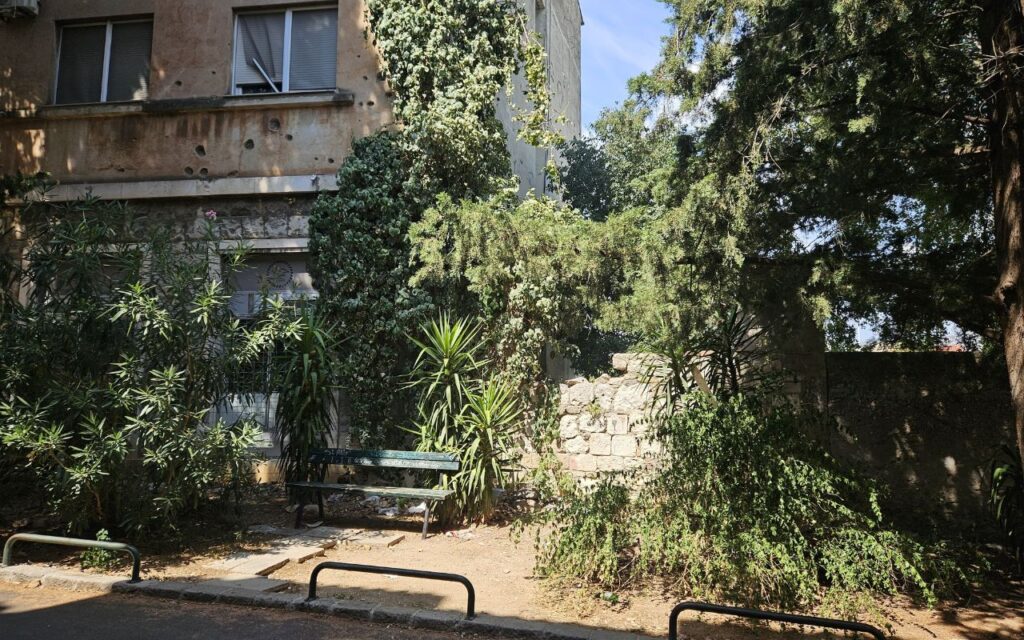
The climate crisis is not just about transport or energy. A significant share of greenhouse gas emissions is generated by the way we produce and consume resources.
That is why more sustainable cities depend not only on expanding green spaces, but also on more responsible consumption and everyday behaviour.
You may be wondering: how can you, as an individual, make a difference in the fight against climate change?
There is a way.
For example, you can choose to use less single-use plastic. It may be used for just a few minutes, but it can remain in the environment for decades afterwards.

By reducing our use of single-use plastic, we can cut waste and reduce the consumption of fossil fuels needed to produce it. In turn, this can help reduce pollution in rivers, lakes, seas and green spaces.
Simple habits such as using reusable water bottles, cloth bags or reusable coffee cups can reduce the demand for new plastic production and help cut the amount of waste generated worldwide.
The pressure we put on the environment
Responsible consumption also applies to clothing and the other products we buy every day. We live in a world that constantly encourages us to shop, with fast fashion being one of the clearest examples. Buying large quantities of cheap clothing that quickly goes out of use because of its poor durability places an additional burden on the environment.
Fast-fashion platforms such as Shein and Temu may be appealing because of their low prices and vast selection, but this way of shopping encourages a culture of disposable consumption.

Instead of frequently buying new products, choose better-quality pieces that you can use for longer. It will never be, and never should be, out of fashion to repair, mend, swap or buy second-hand clothing.
We are all under pressure from trends telling us that everything has to be new. But if we take a look inside our wardrobes, we will probably find plenty of things that deserve a second chance. Through the ŠIZIKA project, Sunce promotes precisely these kinds of more sustainable practices.

Every one of these choices can make a difference in addressing the climate crisis and can help contribute to more sustainable cities and healthier lives.
Greener cities start with the choices we make
It is time to take action and recognise that we can make a difference. The cities of the future will not become sustainable simply because they have more parks or gardens scattered throughout urban areas.
We need to reduce the amount of waste we generate, choose products that last longer and use resources responsibly.
Sustainability also means protecting the trees and greenery we already have, while planning new plantings in line with local conditions. We should choose species that are suited to their surroundings and do not require excessive resources, such as water. That is why decisions about planting new trees should be made in cooperation with experts.
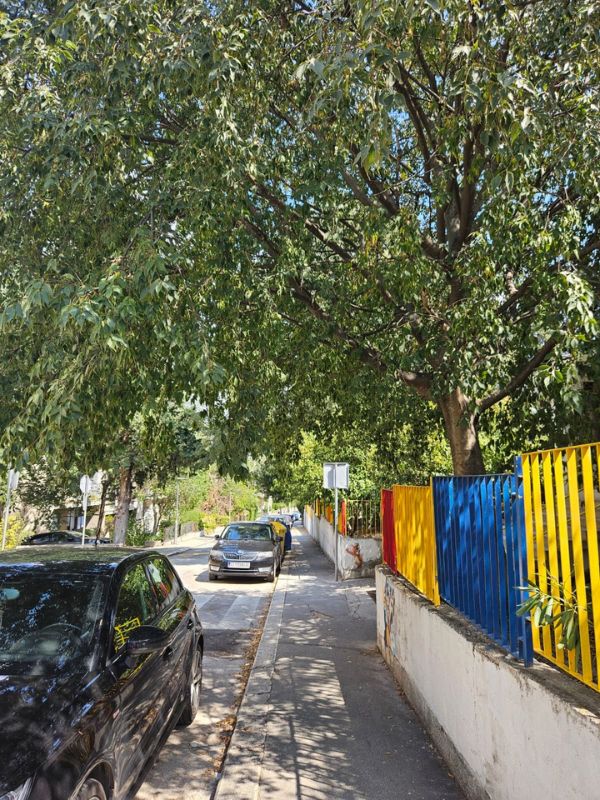

It is equally important to change the way we think about nature. The goal should not be to see nature as somewhere we have to “escape” to for the weekend, but as an integral part of our everyday lives and surroundings.
More thoughtfully planned urban greenery can help bring about precisely this change, creating healthier, more pleasant and more climate-resilient urban spaces.
Small changes in our daily lives, when embraced by large numbers of people, can have a real impact.
Together, we can work towards a future in which a heatwave is no longer an obstacle to our everyday routines and the normal functioning of our cities. The future of our urban spaces will not be shaped by concrete and buildings alone, but also by the care we show and the choices we make every day.
