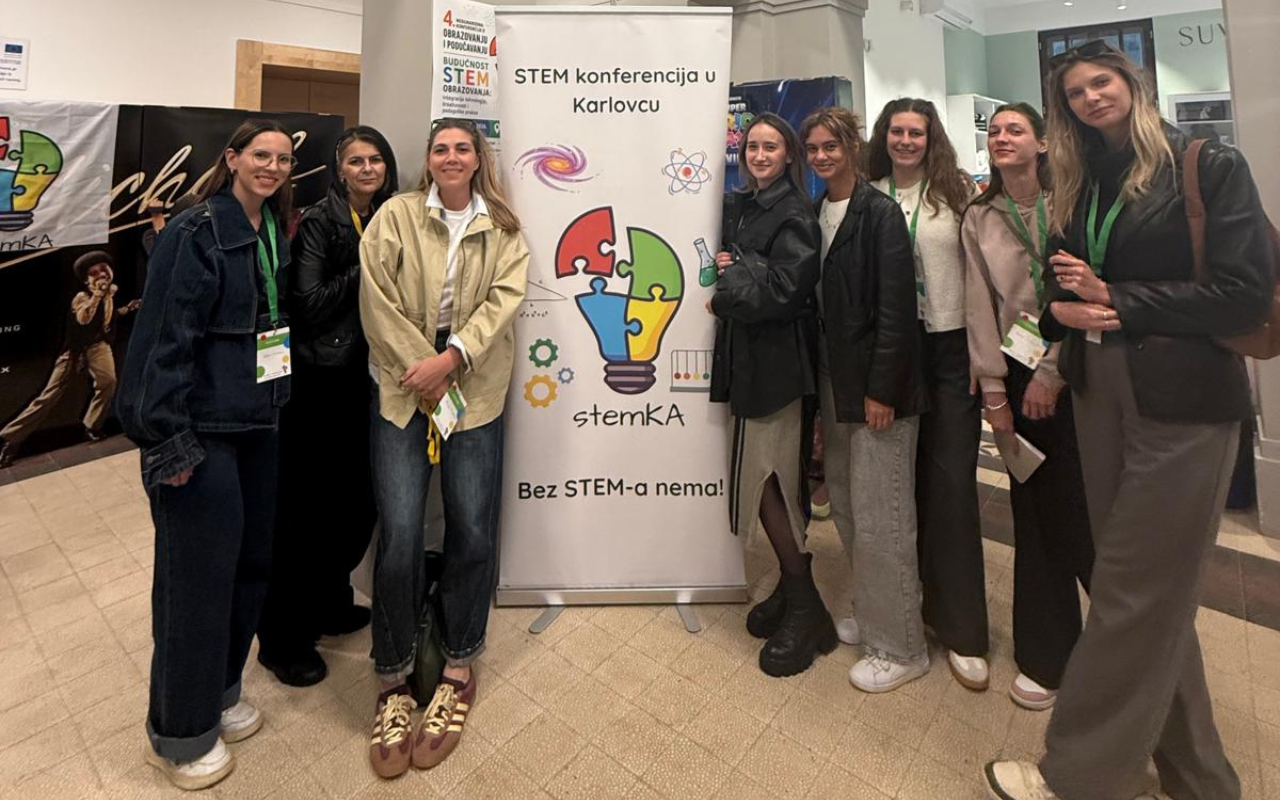
How can science be brought closer to children, young people’s curiosity encouraged, and a more sustainable future built together? The staff of Sunce and their project partners sought answers to these questions during a four-day study visit to Zagreb and Karlovac, where knowledge, experience, and inspiration went hand in hand.
As part of the project “Let’s Sail into STEM Waters – A Ticket to 2030”, from 13 to 16 May 2026, Sunce staff members Margita Radman, Vana Marta Vukman, and Jelena Grozdanić took part in a study visit that also brought together representatives of the project partners and collaborators involved in the project’s implementation.
The visit was joined by Maja Kutlača and Petra Perlić from the Environmental association “Krka” Knin, European Solidarity Corps (ESC) volunteers Milena Trajkoska and Iva Ćulum, and Petra Rubinić from the Association of chemical Engineers and technologists Split.
The main objective of the study visit was to exchange experiences, acquire new knowledge, connect with organisations successfully implementing STEM programmes, and plan the activities awaiting participants in the upcoming project year.
STEM in practice: from education to a science playground
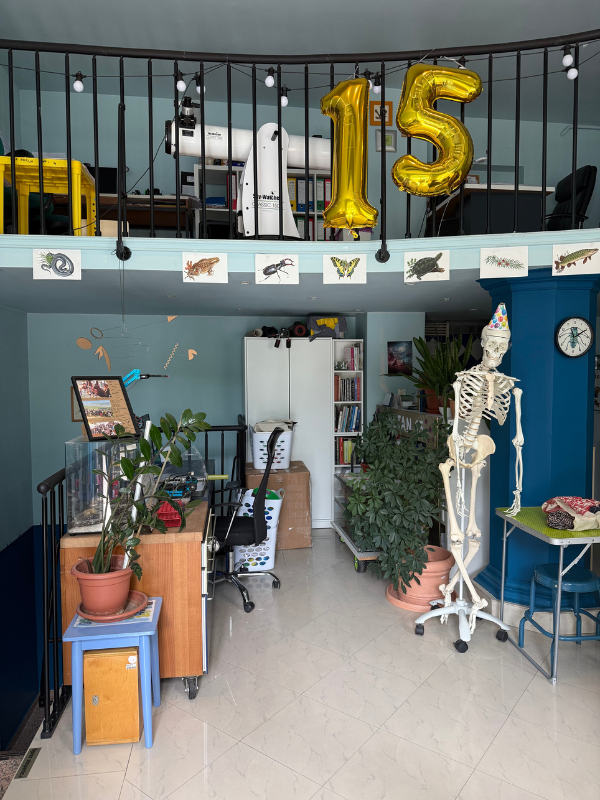
The first stop was Bioteka, a Zagreb-based association that has spent the past 15 years successfully promoting STEM fields among children and young people through educational programmes, cooperation with schools, and its well-known travelling science van.
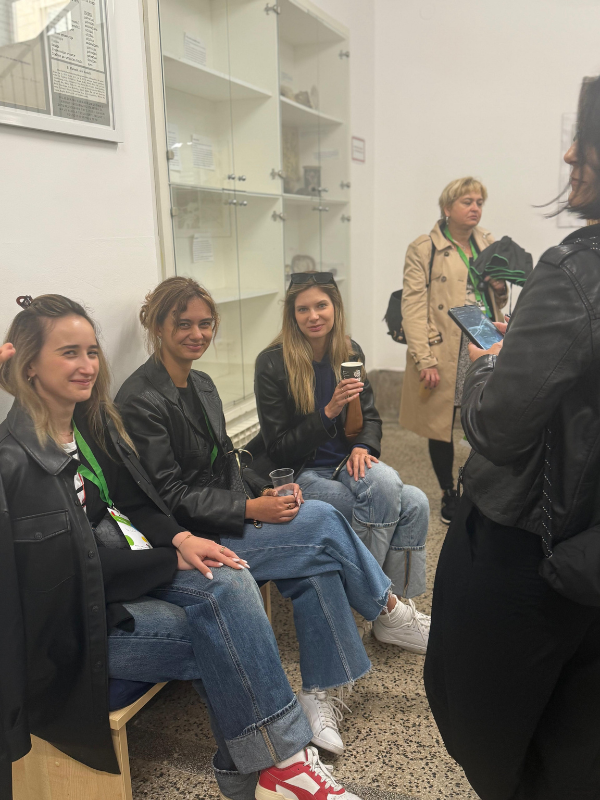
During the two-day training programme, participants discussed the importance of scientific literacy, the role of education in modern society, and ways of making environmental protection and ecology more accessible to children. Through group work and hands-on activities, they developed ideas for new workshops, with a particular focus on experiential learning about the sea, water, and nature conservation.
Following the theoretical sessions came the part that proved science can also be great fun. A visit to the Science Park in Oroslavje, the only park of its kind in Croatia, turned into a true scientific playground. Participants “performed” Ode to Joy by walking across musical stepping stones, whispered to one another from distances of more than 30 metres, competed with ping-pong balls on different slopes, and created rhythms using Newton’s cradle.
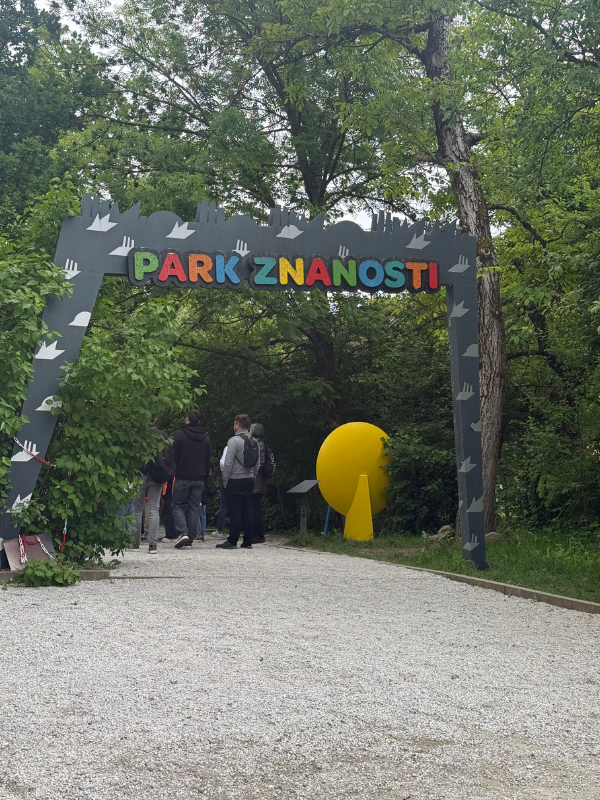
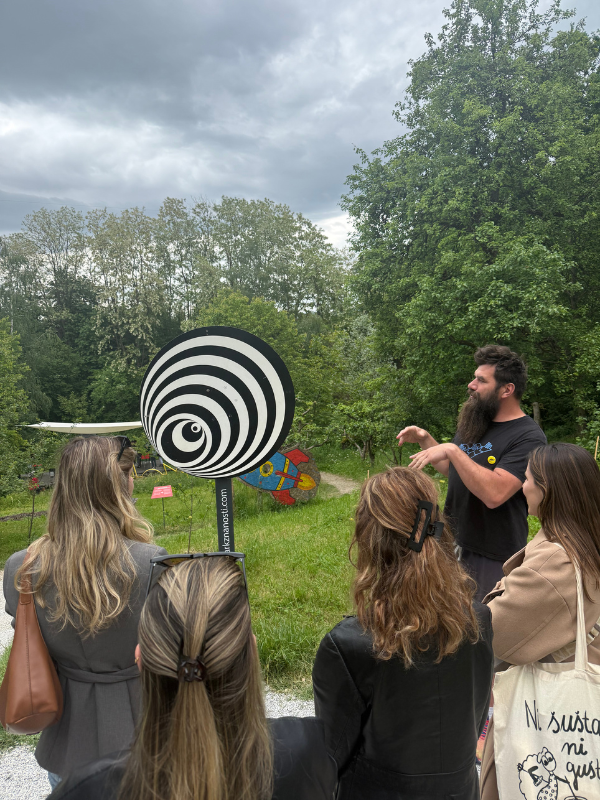
Their guide, Luka Veverec, one of the founders of the Science Park, introduced the park’s work and shared experiences of collaborating with schools across Croatia, including those in Sinj, Rijeka, and Vukovar. He emphasised how interactive exhibits successfully combine play, exploration, and learning.
At the end of the first day, a project meeting was held to discuss experiences gained during the first year of implementation, the completion of the project’s first year, and plans for the activities ahead. The day concluded with a joint dinner in the Croatian Zagorje region.
New ideas for workshops and a valuable exchange of experiences
The second day focused on continuing the training at Bioteka and evaluating the workshops implemented as part of the “Let’s Sail into STEM Waters – A Ticket to 2030” project.
Participants exchanged examples of good practice and discussed methods for introducing children and young people to topics such as marine and freshwater pollution, coastal land reclamation, threats to plant and animal species, and other current environmental challenges.
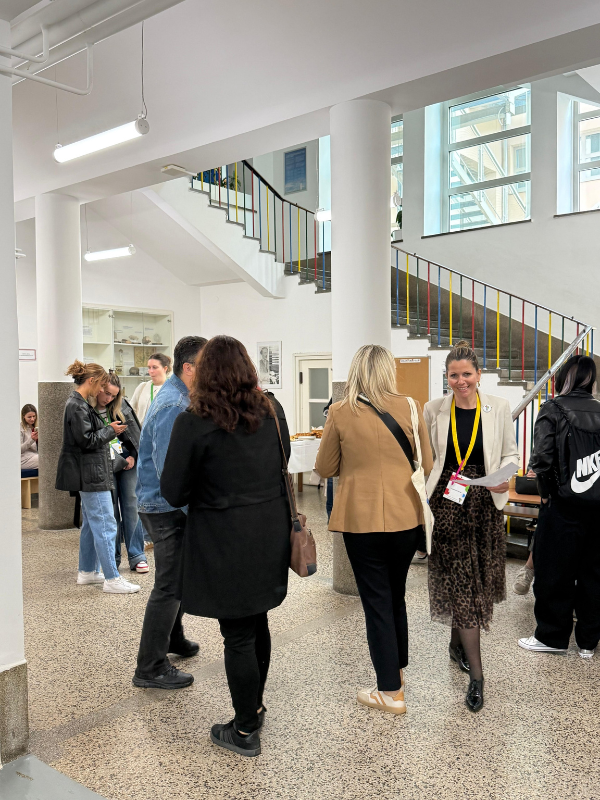
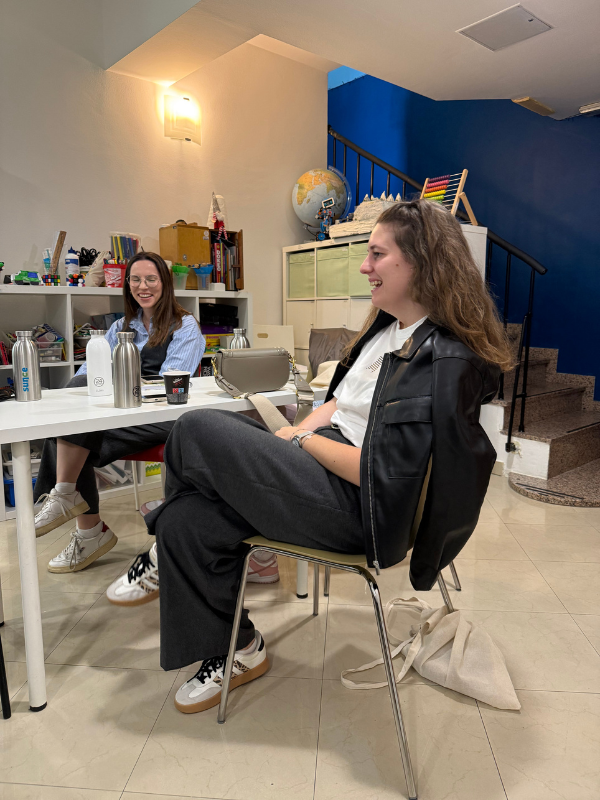
Special emphasis was placed on developing new activities that will make future workshops even more interactive and engaging. Kristina from Bioteka made a particularly valuable contribution by sharing her experience and practical advice, encouraging participants to reflect on and further improve their educational approaches.
Karlovac celebrates science
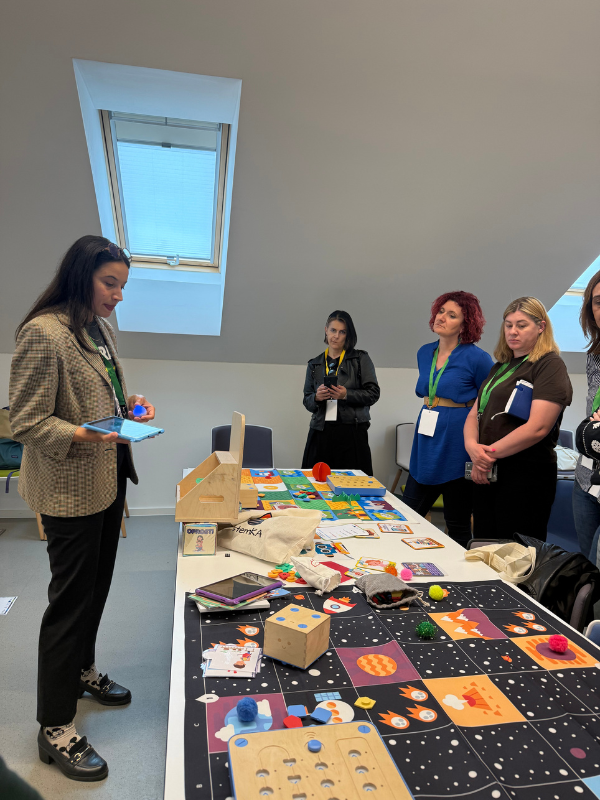
After completing the training, participants travelled to Karlovac for the opening of the stemKA Conference, one of Croatia’s leading gatherings of STEM professionals.
The conference began with a panel discussion in which talented secondary school pupils and university students spoke about their educational journeys, the challenges they had faced, and what had motivated them throughout their studies. They highlighted the importance of supportive teachers, opportunities for research, and fostering curiosity from an early age.
The first day concluded with a lecture by renowned Waldorf educator Duško Ilijević, which inspired thought-provoking discussions on contemporary approaches to learning, teaching, and communicating with children.
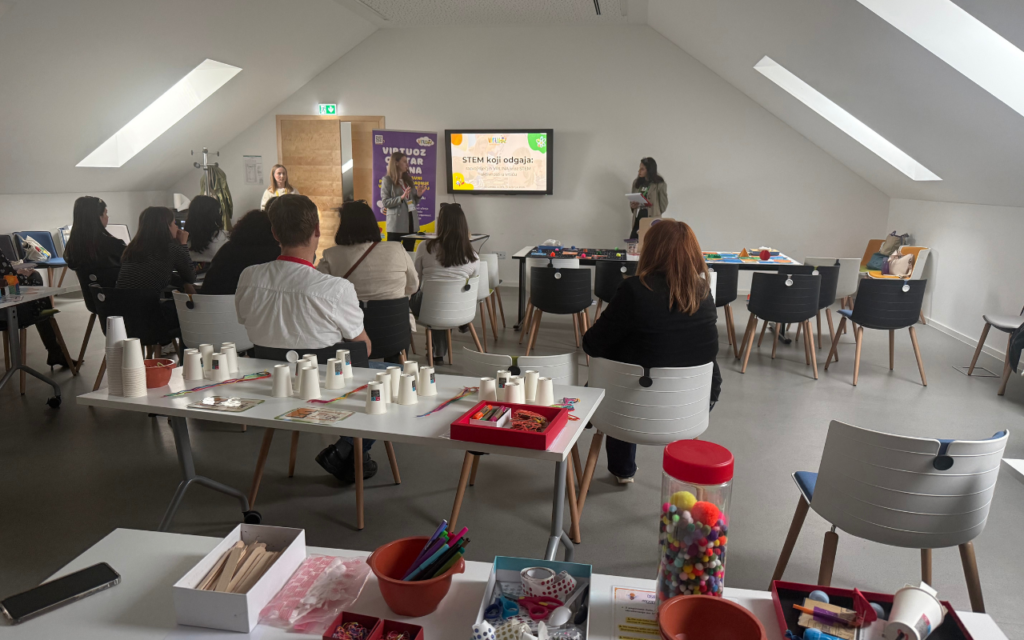
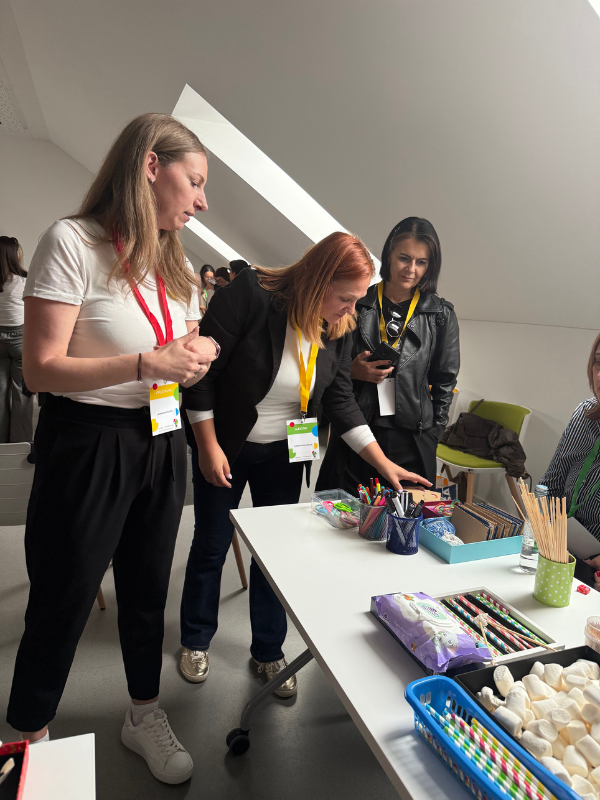
The second day of the conference focused on expert lectures and workshops. Participants attended presentations on artificial intelligence in education, genetics and the medicine of the future, the role of enzymes in addressing plastic waste, and the importance of ocean literacy and Blue STEM.
New knowledge for new generations
Although the study visit concluded with the participants returning home, it also marked the beginning of many new ideas that will be incorporated into future project activities.
The “Let’s Sail into STEM Waters – A Ticket to 2030” project now enters a new school year filled with workshops, public events, and opportunities to engage children and young people eager to learn more about the sea, the environment, and the science that surrounds them.
The project is funded by the European Union through the European Social Fund Plus (ESF+) under the Effective Human Resources 2021–2027 Programme and is co-financed by the Office for Cooperation with NGOs of the Government of the Republic of Croatia.

Project partners include the Faculty of Humanities and Social Sciences, University of Split, the Faculty of Chemistry and Technology, University of Split, the Association of Chemical Engineers and Technologists Split, Association Sunce, Domovinske zahvalnosti Primary School, Dobri Primary School, and the Environmental Association “Krka” Knin.
The project runs from March 20 2025. to March 20 2027., with a total value of €298,981.37.