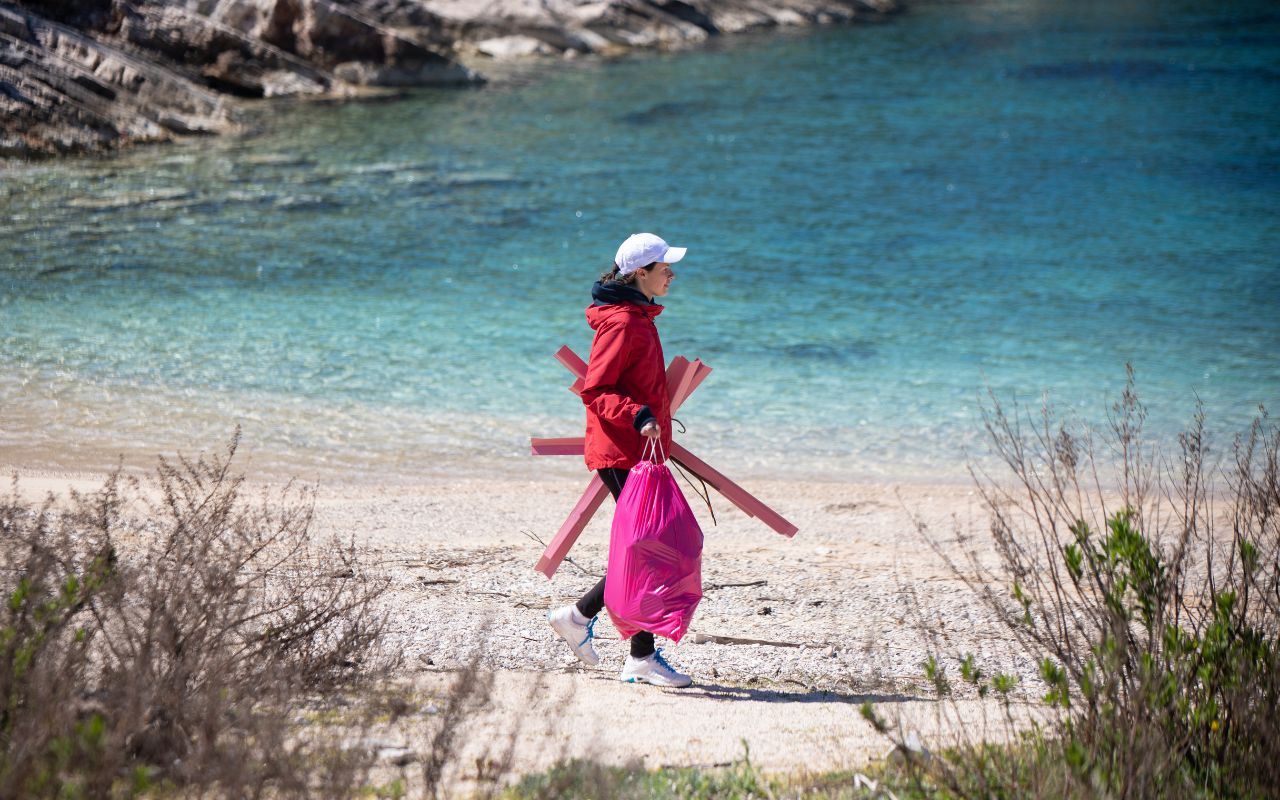
When we think of activism, we often picture people in the streets holding signs or “those environmentalists” chaining themselves to trees to prevent deforestation. Of course, these are legitimate forms of activism in democratic societies, but such generalized images often make activism seem radical, confrontational, or even negative. In reality, activism is a much broader and deeper concept.
Activism is a cornerstone of a healthy democratic society. It shapes which issues become relevant, and without activism, many topics would never enter the public sphere or become part of political decision-making. Activism creates space for debate, reflection, and change –which is precisely why it is essential for democracy to function.
At its core, activism means taking action to achieve social, political, economic, or environmental change. This can include protests, campaigns, and direct action, but also many less visible yet equally important activities.
Activism has many faces
It’s important to remember that there is no single “right” way to engage in activism. Social change emerges through an ecosystem of diverse contributions, requiring different skills, knowledge, and levels of engagement.
1. Physical activism
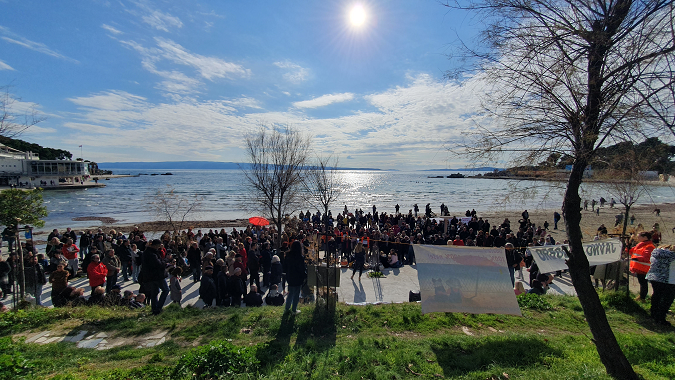
This is the most visible form of activism, including protests, marches, public gatherings, sit-ins, and other forms of direct action. Physical presence in public spaces can powerfully draw attention to specific issues.
2. Educational activism
Educational activism involves learning, questioning one’s own beliefs, and sharing knowledge with others. Organizing workshops, public discussions, reading and recommending literature, or initiating conversations at school, university, or work are all forms of activism. Change often begins with awareness and understanding.

3. Digital activism
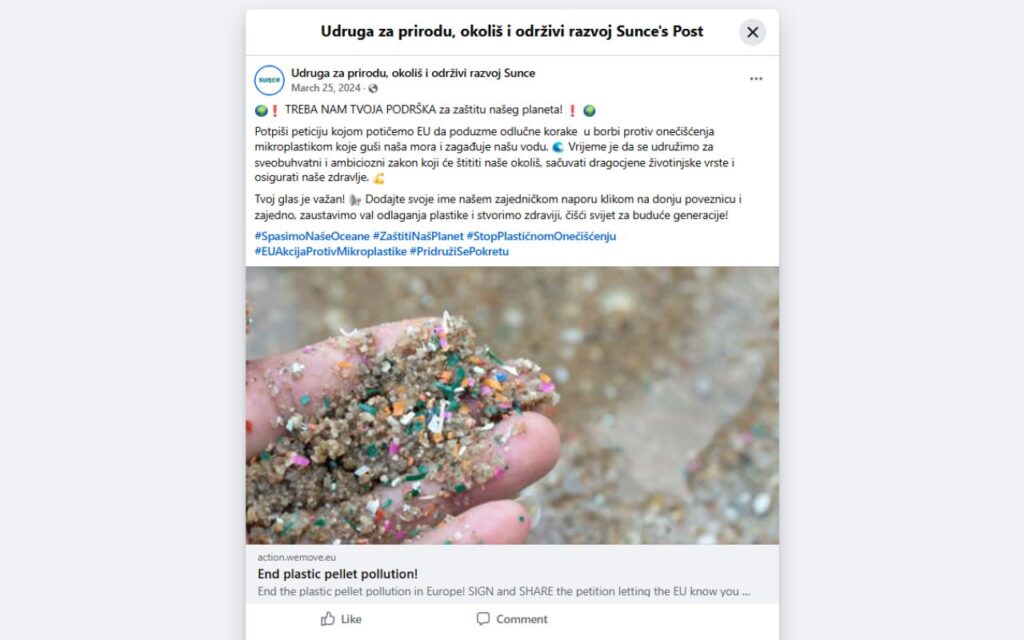
Digital platforms enable the rapid spread of information and mobilization of people. Online campaigns, petitions, and sharing verified content and marginalized voices are key elements of modern activism. In recent years, tools like the e-Savjetovanja platform have made it easier for citizens to participate by commenting on draft laws and public policies.
However, online movements also face challenges such as misinformation, “slacktivism” (when people engage superficially, just by hitting the “Like” button, without taking further action), and issues of surveillance or censorship.
4. Creative activism
Art, design, music, and writing are powerful tools for social change. Creative activism challenges dominant narratives, documents reality, and helps us imagine a more just future. Posters, murals, performances, poetry, film, and illustrations can significantly influence public perception.


5. Community activism
Caring for the community and mutual aid are also forms of activism. Sharing resources, supporting neighbors, volunteering, and building networks of solidarity strengthen social resilience and reduce reliance on slow institutional responses.
This form shows that activism is not only about criticizing systems, but also about creating alternative, community-based models of action.

6. Financial activism
Financial activism involves making conscious decisions about how we spend and invest money. Supporting ethical and environmentally responsible businesses, boycotting harmful practices, donating to organizations or initiatives, and joining civil society groups are all ways to influence markets and society. In this way, we “vote with our wallets” and support the values we want to see.
How to get started?
To begin, you can ask yourself three simple questions:
1. What issue motivates you the most?
While many issues matter today, people are often most driven by those that directly affect their surroundings. Reading local news, talking to others, or simply observing your environment can help you identify what matters to you.
Are you concerned about overdevelopment of the coast, deforestation, lack of green spaces, traffic congestion, unsustainable waste management, air quality, or the pressures of tourism? Perhaps you feel that decisions about space and natural resources are made without enough transparency or public participation.
Your concern is valid because access to a clean, healthy, and sustainable environment is not a luxury, but a fundamental right worth standing up for.
2. Who can you connect with?
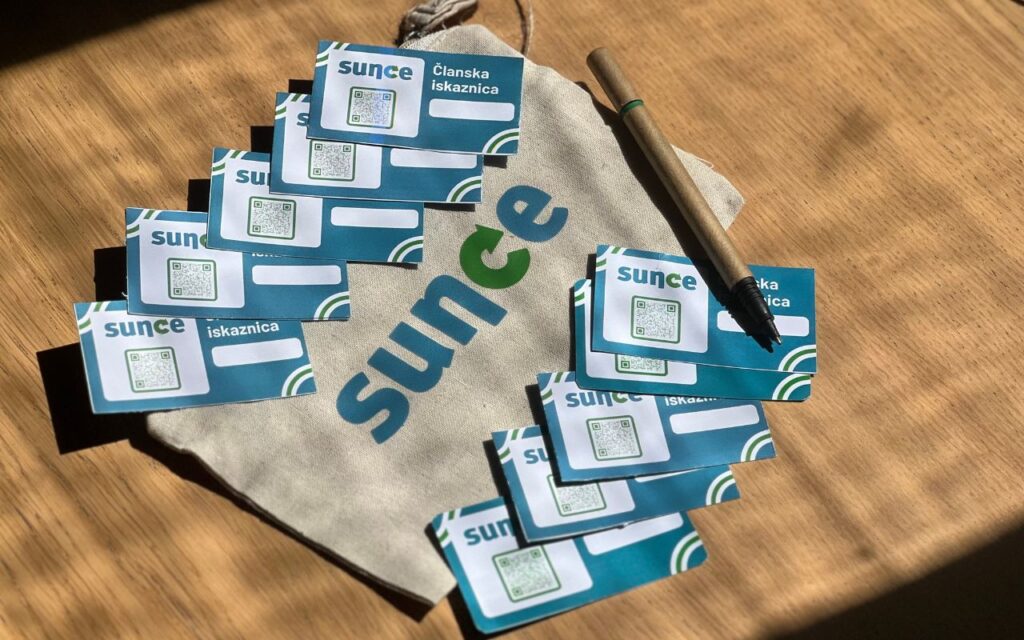
Civil society organizations, such as Sunce, are a great starting point. They play a vital role in recognizing community issues, bringing people together, conducting research, launching campaigns, and advocating for change. They often bridge the gap between citizens’ experiences and public policy, amplifying the voices of vulnerable and marginalized groups.
In 2026, Sunce will actively participate in public consultations on proposed changes to key environmental laws and regulations (the Environmental Protection Act, the Nature Protection Act and the Nature Restoration Law). Some of these have not been updated in over a decade, making public engagement more important than ever. It’s an opportunity for all of us to contribute and give a voice to our environment.
3. What skills, knowledge, or resources can you offer?
You don’t need to be a lawyer or biologist to contribute to environmental protection. Environmental activism requires a wide range of skills.
If you’re interested in law, you can learn about public consultation processes or monitor policy implementation. If you’re a strong communicator, you can help write content, manage social media, or organize events. If you’re creative, you can contribute to visual campaigns or educational materials. If you’re organized, you can assist with logistics or workshop planning.
Also consider how much time you can realistically commit to volunteering – whether it’s an hour a week or several days a month.

Answering these questions can help you find a sustainable and meaningful way to get involved. Activism doesn’t have to be spectacular to matter, it needs to be consistent, informed, and focused on real change.
Ultimately, activism is both a responsibility and a right – the right to participate in shaping the society we live in.

Funded by the European Union. The views and opinions expressed are those of the authors and do not necessarily reflect those of the European Union or the European Education and Culture Executive Agency (EACEA). Neither the European Union nor the EACEA can be held responsible for them.
The information for this article are collected over the web pages www.globalgoals.org., www.humanrightscareers.com, www.museumofprotest.org, www.goodgoodgood.co i www.liberties.eu.