At Sunce, we believe that volunteering can be much more than helping with an organisation’s day-to-day work. It is an opportunity to learn, meet new people and discover different cultures, while actively contributing to positive change in the community.
That is why, since 2015, we have been hosting young people from different parts of Europe. Today, we do this through the European Solidarity Corps (ESC) programme, which gives young people the opportunity to volunteer abroad, gain new experiences and develop skills that are valuable for their personal, social and professional lives.
As a host organisation, we can welcome two to three international volunteers each year. They become involved in our work, take part in various activities and contribute to Sunce with their knowledge, ideas and experiences. At the same time, they get to know Split and the local community, pursue their interests and gain experience of living and working in a new environment.
What does it mean to be a host organisation?
Our role goes beyond simply involving volunteers in our day-to-day work. We want to create a supportive environment in which they can live, work and learn.
For each volunteer, we develop a programme of activities and clearly define their tasks. These allow volunteers to bring their own creativity, knowledge and experience to Sunce’s work. Together, we also identify the areas in which they would like to learn and develop.
We also take care of the practical aspects of their stay in Split. This includes suitable accommodation, healthy meals and an allocated allowance. We also provide support with language learning and opportunities to meet people and become involved in the local community.
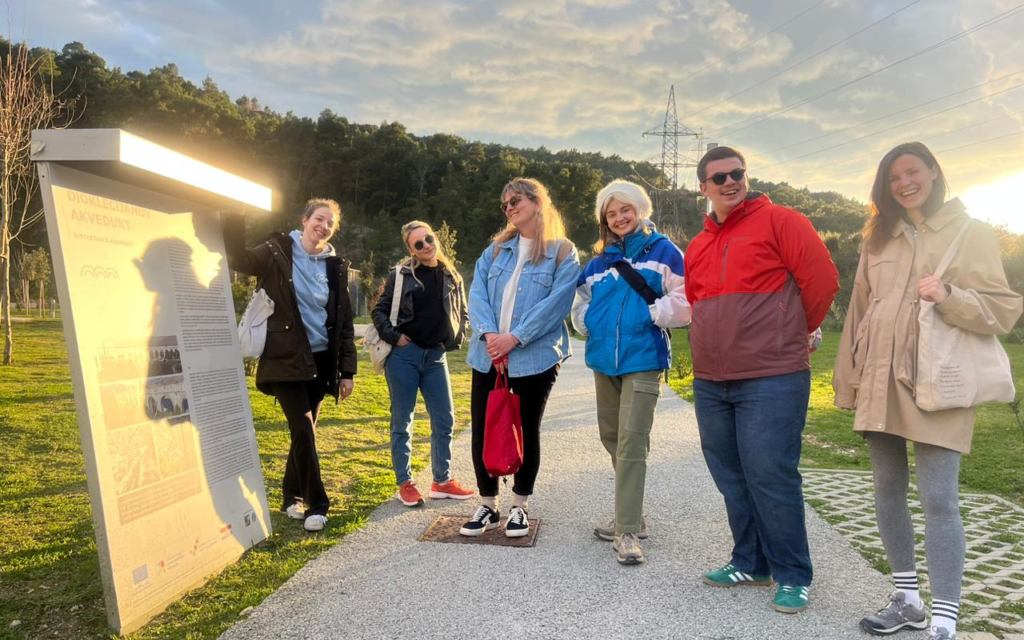
Learning through experience is also an important part of volunteering. We help volunteers recognise and document the knowledge and skills they have gained, including through Youthpass, the European tool for recognising learning outcomes.
Mentoring as an important part of the experience
Each volunteer has a mentor, someone they can turn to throughout their volunteering experience. The mentor provides personal support and a safe space to discuss everyday challenges, experiences and learning.
Through regular conversations, the mentor encourages the volunteer to reflect on what they have learned, which skills they have developed and how they can document these experiences. The mentor’s role is not to provide ready-made solutions, but to encourage reflection and empower volunteers to make their own decisions.
More than volunteering
International volunteering brings something valuable to both sides. Volunteers get to know Sunce, Split and the local community, while bringing new ideas, experiences and perspectives to our team.
Over the years, Sunce has brought together people from different countries and cultures. These experiences enrich our everyday work and create new connections. Some of these relationships continue long after the volunteering experience has ended.
For us, international volunteering is therefore an opportunity for exchange, learning and connection. Volunteers do not simply come to contribute to Sunce, they become part of our community, and their experience becomes part of our story.
You can find a list of all international volunteers who have completed their volunteering experience at Sunce through the EVS and ESC programmes here.