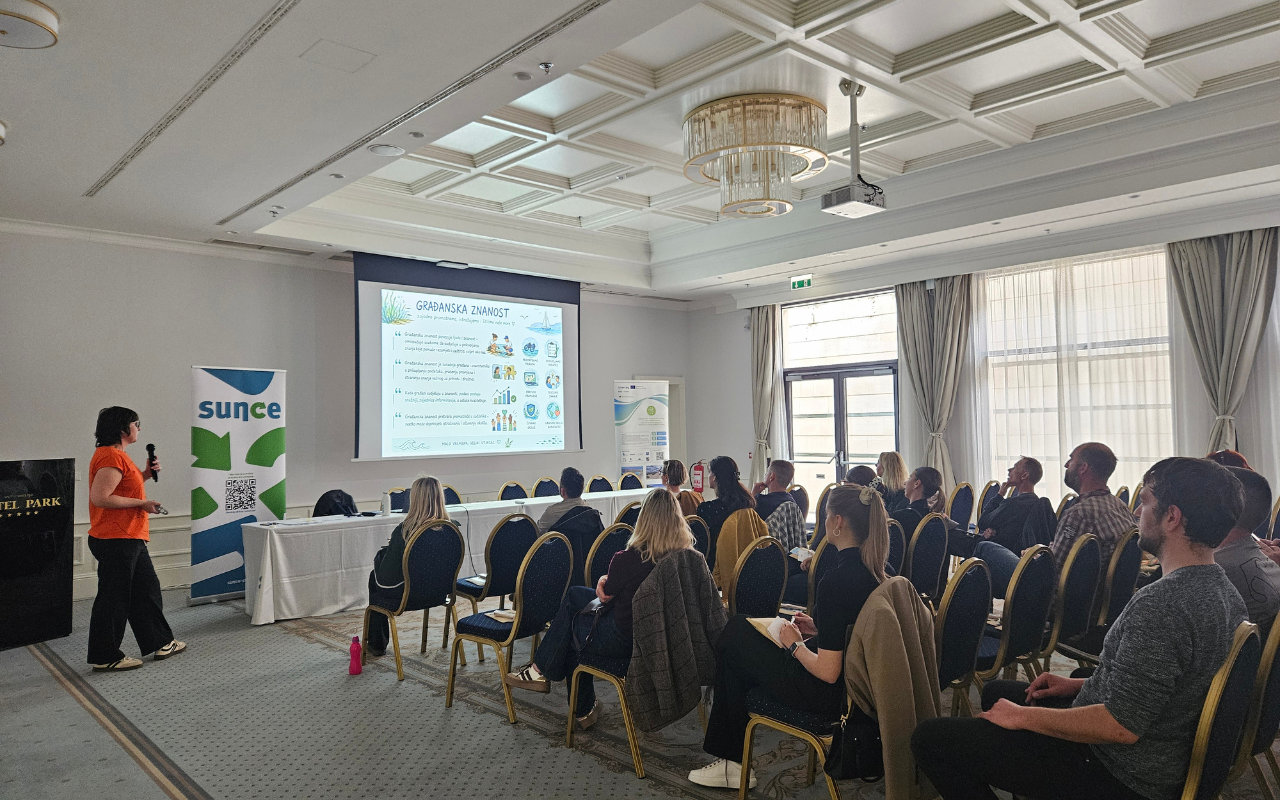
Can a single photo of a jellyfish, a dolphin sighting, counting Posidonia seagrass shoots, or reporting coastal landfilling help experts protect the Adriatic Sea? This was the central topic of the training workshop “Citizens – observers of the Adriatic Sea state”, organised by the Sunce Association in Split on May 15 and 16, 2026, as part of the international BIOPRESSADRIA project.
– Two things are clear today: the sea is changing faster than ever, and experts can no longer keep pace with all the changes happening in the Adriatic on their own. That is why citizen science – collaboration between citizens and scientists in collecting environmental data – is becoming one of the key tools for marine protection, – said Zrinka Jakl, Head of Nature Conservation Department at Sunce, in her opening remarks.
The training brought together experts from Croatia and Italy, who demonstrated how citizens, divers, sailors, fishers, and all sea enthusiasts can become important allies in preserving the Adriatic.
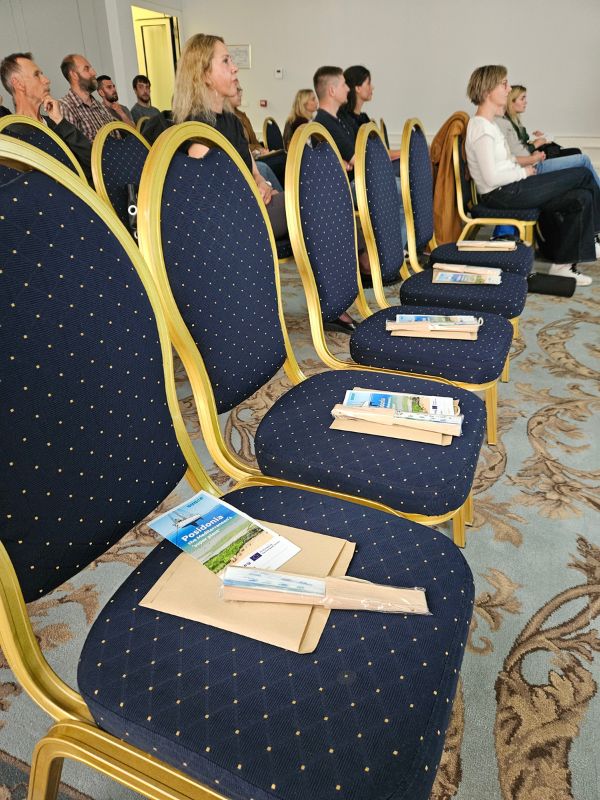
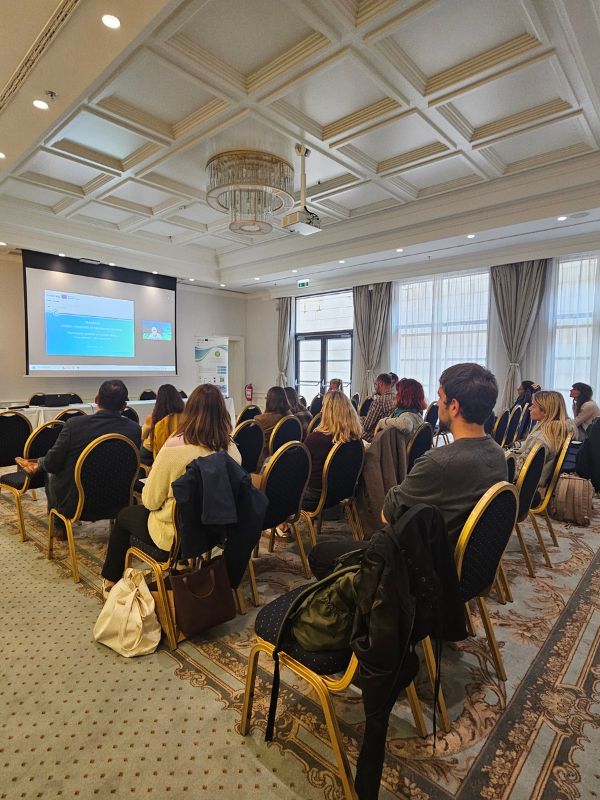
Why are citizens important for marine protection?
Right from the start, participants highlighted that despite advances in technology and automation, the human role as an observer of nature remains essential.
– When someone personally witnesses coastal devastation or anchoring in Posidonia meadows, or spots a noble pen shell or a bottlenose dolphin, they form a much stronger emotional connection to the issue or species and are far more likely to react and report their observations, – explained Jelena Kurtović Mrčelić from the public institution More i krš, one of BIOPRESSADRIA’s project partners. She also drew attention to the Jeste li vidjeli? app for reporting marine species sightings around the Pakleni Islands.
This is precisely why citizen science is not just about collecting data. It connects people with nature and turns observers into active participants in environmental protection.
– Citizen science begins with trust. The sea is extremely challenging to monitor, and I have learned that valuable marine data comes from relationships, not one-off observations. Citizens are not just data sources, they are partners in learning and research, – said Pero Ugarković, himself a citizen scientist and founder of the Facebook group Živi svijet Jadranskog mora, which now gathers nearly 70,000 members.
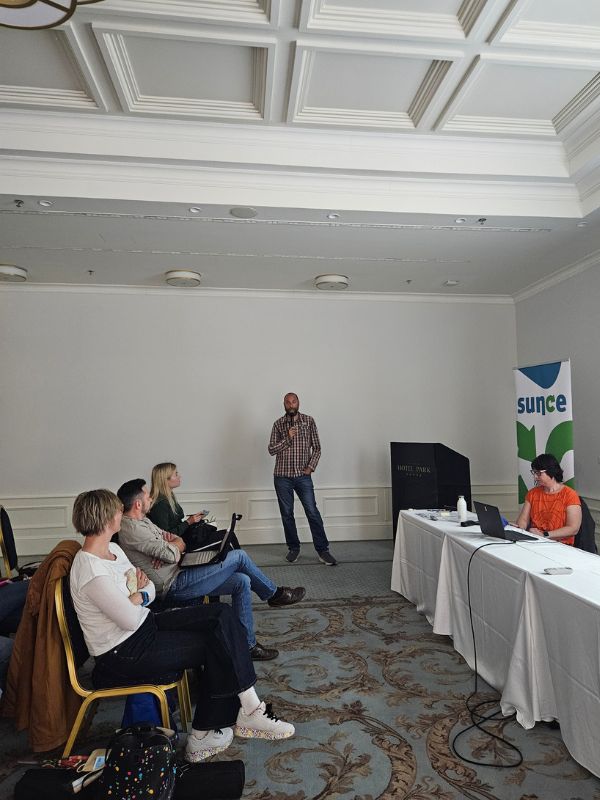
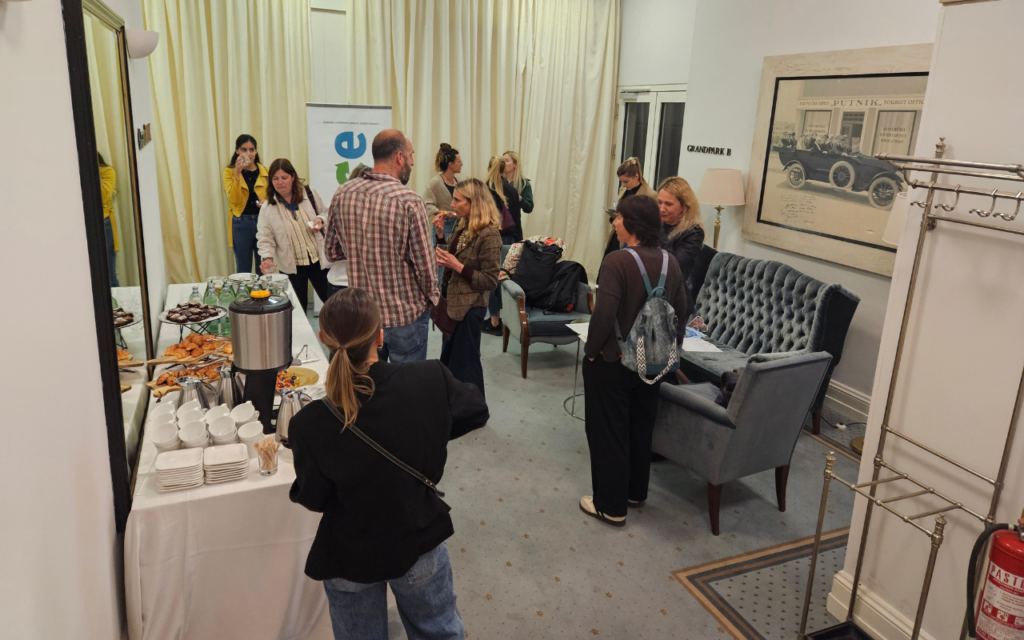
Participants also stressed that while examples of citizen science on land are becoming more common in Croatia, the marine environment remains under-researched and insufficiently monitored. This is exactly why projects like BIOPRESSADRIA aim to involve citizens in the systematic monitoring of the Adriatic.
Jellyfish, dolphins and invasive species: every report matters
One of the main themes of the training was how citizens can help scientists monitor marine species that are difficult to track systematically without people in the field.
A good example is jellyfish and comb jellies, whose appearance is difficult to predict. To address this, the Institute of Oceanography and Fisheries developed the RebrashNET app, which allows citizens to report sightings of gelatinous marine organisms in real time.
– Citizen science makes a significant contribution to monitoring jellyfish and comb jellies because it ensures constant coverage across large areas and helps create extensive databases, – said scientist Olja Vidjak.
A similar approach applies to marine mammals. Grgur Pleslić from the Blue World Institute presented how citizens have been helping monitor dolphins and whales in the Adriatic for years. Thanks to citizen reports, important sightings of large whales were recorded in 2020 in the Velebit Channel and Kvarnerić areas.
Luka Katušić from Croatia’s Institute for Environment and Nature Protection presented several national citizen participation platforms and highlighted the value of such data for assessing the state of nature at the national level. He also introduced BioAtlas, Croatia’s newly established central biodiversity data portal, as well as iNaturalist, one of the world’s most popular platforms for recording and identifying wildlife, which connects a vibrant community of scientists, naturalists, and nature enthusiasts.
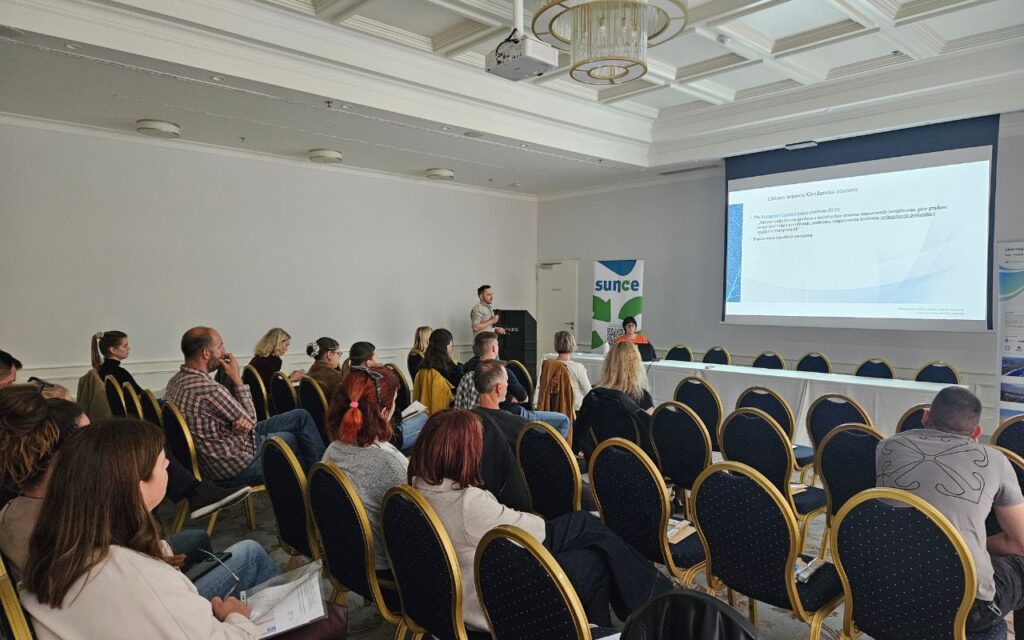
Special attention was also given to endangered species such as angel sharks and noble pen shells, as well as invasive species including lionfish, blue crabs, and invasive Caulerpa algae, whose spread is often first noticed by citizens.
– Between 2000 and 2010, as many as 85% of all recorded sites of the invasive alga Caulerpa cylindracea were discovered by sea users, especially divers, – noted biologist Ante Žuljević from the Institute of Oceanography and Fisheries.
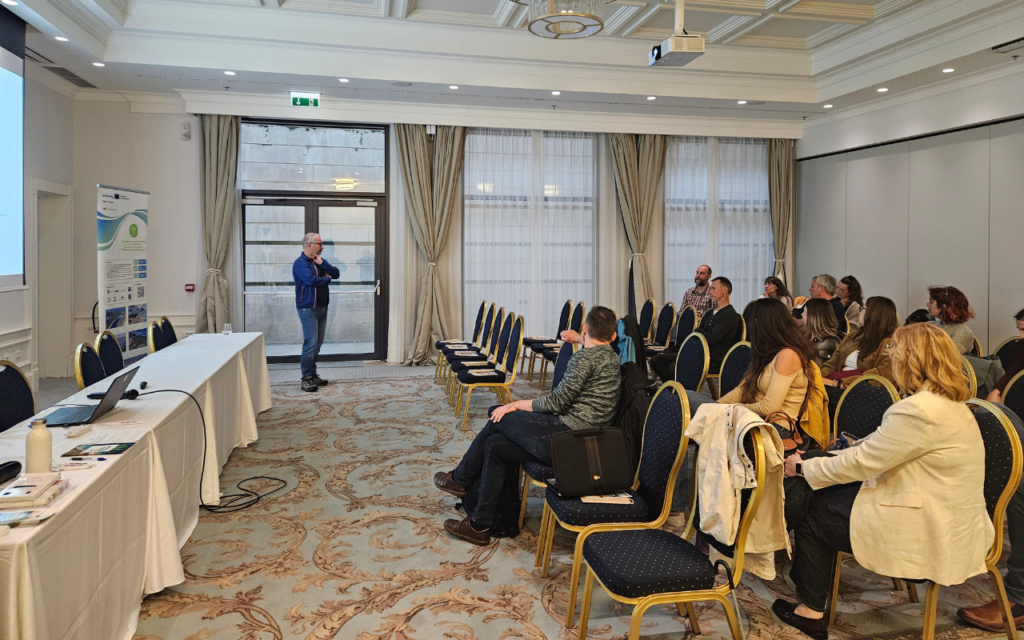
Divers as the first observers of underwater change
A large part of the training focused on the diving community and its role in marine conservation. Alongside fishers, divers are often the first to notice environmental changes underwater.
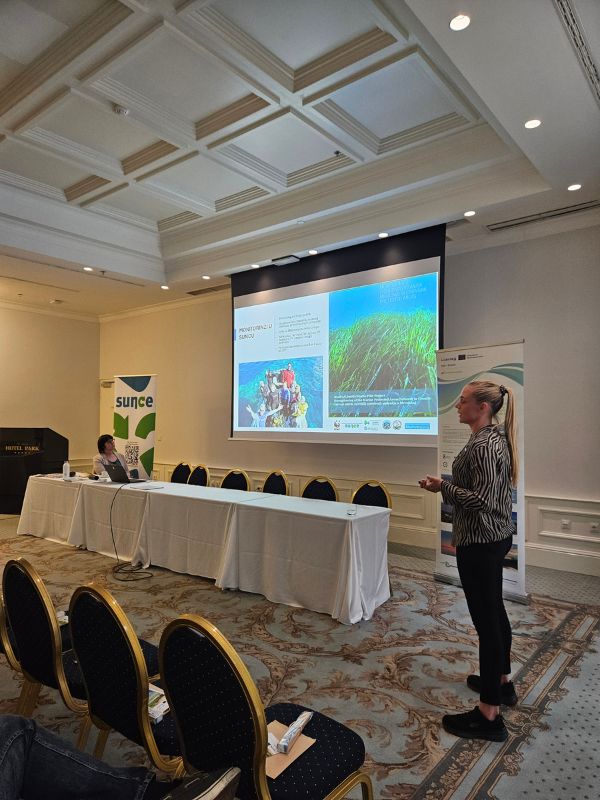
Sunce presented its long-term monitoring of Posidonia seagrass meadows – marine flowering plants that produce oxygen, store carbon, and provide one of the Mediterranean’s most important habitats. In recent decades, these meadows have come under serious threat from anchoring, coastal development, and climate change.
– More than 100 divers have participated in Sunce’s organised monitoring activities so far. Every recorded shoot, every metre of transect, and every note written underwater is a valuable contribution to preserving Posidonia and maintaining the balance of our blue ecosystem, – said Karla Jelić from Sunce.
Italian perspectives were shared by Evelina Idini and Valentina Rossi from the environmental foundation Marevivo, while Andrea Rismondo from the Italian organisation SELC explained the concept of scientific diving and the protocols that ensure both diver safety and data quality.
– Scientific diving enables direct observation of marine habitats, underwater measurements and documentation, ecological monitoring, rapid assessment of environmental changes, and the implementation of conservation measures. It transforms underwater observation into validated scientific activity, – Rismondo explained.
How can citizens report environmental problems?
Citizen science is not only important for monitoring and protecting species, but it also plays a key role in reporting environmental problems.
Sunce’s legal expert Eva Šore presented concrete examples of citizen reports from Split-Dalmatia County concerning coastal landfilling, illegal activities on maritime domain, waste pollution, and damage to Posidonia meadows.
However, for authorities to respond effectively, reports need to be detailed and well documented. This means including the date and time of observation, the exact location or GPS coordinates, a description and scope of the pollution, information about possible sources, and photographs or video evidence.
Citizens can contact relevant institutions directly or report cases via Sunce’s Green Phone service.
– The first line of environmental protection is not institutions, it is the people who notice a problem and decide to act, – Šore emphasised.
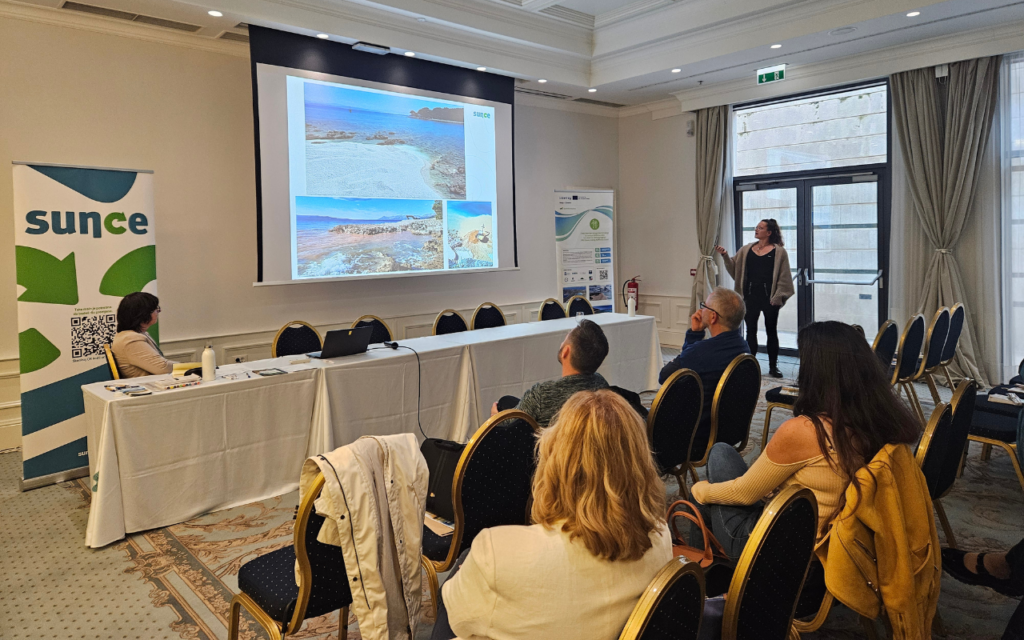
We need to observe the sea together
The training “Citizens – observers of the Adriatic Sea state” held as part of the BIOPRESSADRIA project, delivered an important message: protecting the sea cannot be the sole responsibility of scientists and institutions. People who spend time at sea every day – divers, sailors, fishers, swimmers, and all Adriatic lovers – can become key allies in nature conservation. When citizens participate in science, data becomes stronger, communities become more informed, and decisions become better.
– That is why we want to invite all citizens to get involved in citizen science activities, use available reporting apps, and report environmental changes they notice. We can best protect the sea when we observe it together, – Jakl concluded at the end of the training.
