Between the conference hall in Bari and the quiet sandy beaches in Fano, the ASPEH project – Adriatic SPEcies and Habitats of coastal areas in just two days demonstrated the full scope of its activities – from shaping European policies to the concrete protection of one of the most endangered birds of the Adriatic coast.
Otherwise , this European project, co-financed through the Interreg Italy–Croatia 2021–2027 program, focuses on developing shared tools and strategies to protect the Adriatic’s natural heritage, with particular attention to its most valuable ecosystems and species. These include priority species such as the Kentish plover (Charadrius alexandrinus), the loggerhead sea turtle (Caretta caretta) and the ferruginous duck (Aythya nyroca), as well as habitat types such as Posidonia meadows, muddy and sandy bottoms not covered by seawater at low tide, and submerged and partially submerged caves, which are also protected under European directives.
Together with other project partners, Sunce actively participated on March 25 and 26 in the conference in Bari and the Steering Committee meeting in Fano, with the aim of strengthening cross-border cooperation in the protection of Adriatic species, habitats and marine ecosystems. See what we worked on and discussed below.
The Adriatic Sea in focus at European institutions
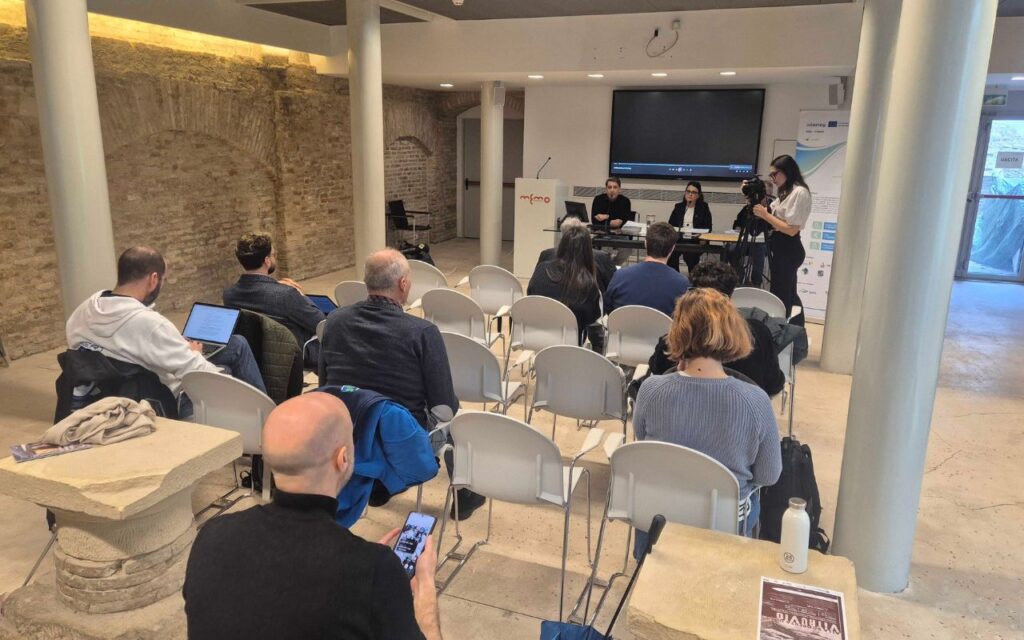
At the Puglia Region headquarters in Bari, the ASPEH lead partner, the Torre Guaceto Management Consortium, hosted an international conference bringing together partners from across the Adriatic to discuss the EU Strategy for the Adriatic–Ionian Region (EUSAIR) and the sustainable development of the Adriatic Sea. The event brought together institutional representatives, experts and stakeholders from both sides of the Adriatic, including Debora Cilento, Commissioner for Environment and Climate of the Puglia Region, giving the conference a strong institutional character.
Particular importance was given to the participation of Senad Oprašić, co-coordinator of Pillar 3 “Environmental Quality” of the EUSAIR strategy, who emphasized the importance of a macro-regional approach in biodiversity protection.
The discussion focused on EU Regulation 1991/2024 on nature restoration, the EU Biodiversity Strategy for 2030, and the concrete contribution of the ASPEH project to these goals. The European Union is ambitiously aiming to protect 30 percent of marine and terrestrial areas by 2030, and projects such as ASPEH contribute to the knowledge and cooperation necessary to achieve this.
– With the ASPEH project, we are turning dialogue into concrete actions, strengthening coordination in the management of Natura 2000 sites and building a more effective management model aligned with the EUSAIR strategy and European goals for 2030, – said Rocky Malatesta, President of the Torre Guaceto Consortium.
Croatia is changing key laws and strategic documents
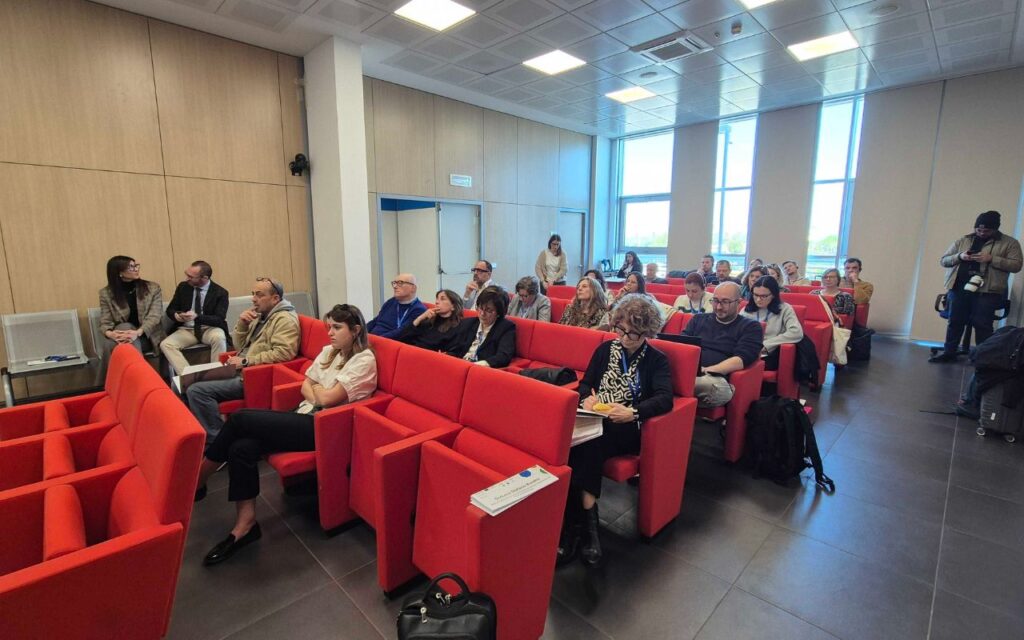
After the presentations, a cross-border round table was held, bringing together partners and experts from Italy and Croatia. The discussion focused on joint initiatives to improve the management of Natura 2000 sites and to strengthen cooperation between protected areas across the Adriatic.
As part of the discussion, Matea Špika from Sunce reflected on current developments in Croatia, informing those present that a new Nature Protection Act and Environmental Protection Act are being drafted, and that key strategic documents are also being prepared: the National Strategy and Action Plan for Nature Protection of the Republic of Croatia until 2035, as well as the Nature Restoration Plan. These are documents of exceptional importance for the future of Croatian ecosystems, the development of which Sunce actively monitors and contributes to as a member of the working groups involved in drafting amendments.
– Since we share the same sea and with it its ecosystems, species, and habitats, it is both logical and effective that we work together using harmonized approaches to preserve and enhance the Adriatic’s biodiversity. That is why cooperation between Italy and Croatia through Interreg projects is so important, – Špika noted.
Board of directors and an encounter with the Kentish plover
The day after the conference in Bari, ASPEH project partners met in Fano for a Steering Committee session. The agenda focused on operational matters: the continuation of the project campaign until the end of the year was agreed, along with upcoming activities and the distribution of responsibilities within the team, as well as dates for the next collaborative meeting.
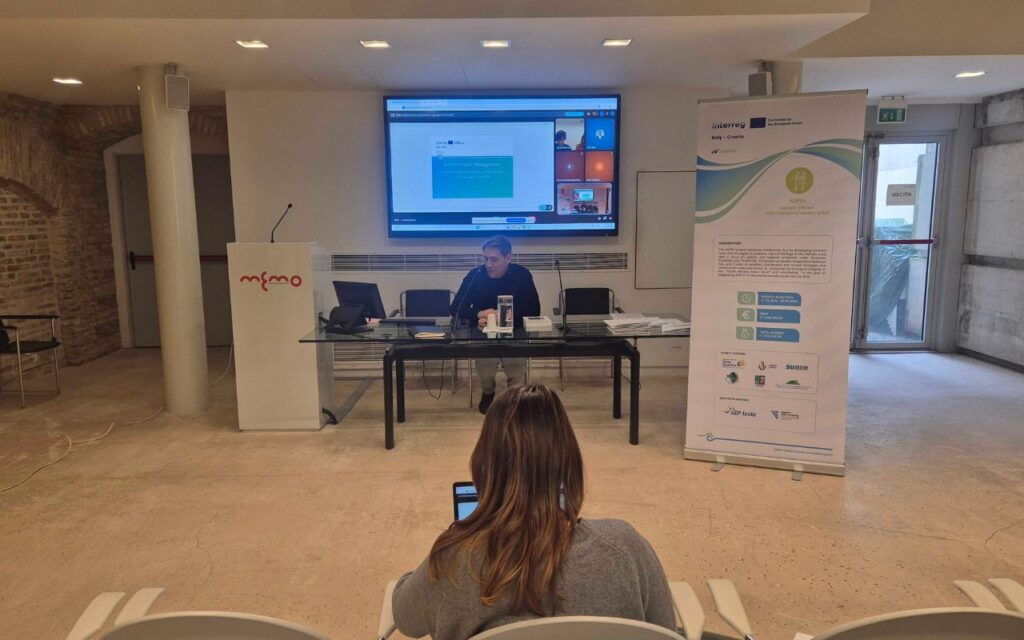
However, the working day in Fano did not end in the meeting room. After the meeting, we visited a nearby beach and were immediately reminded why this project exists in the first place.
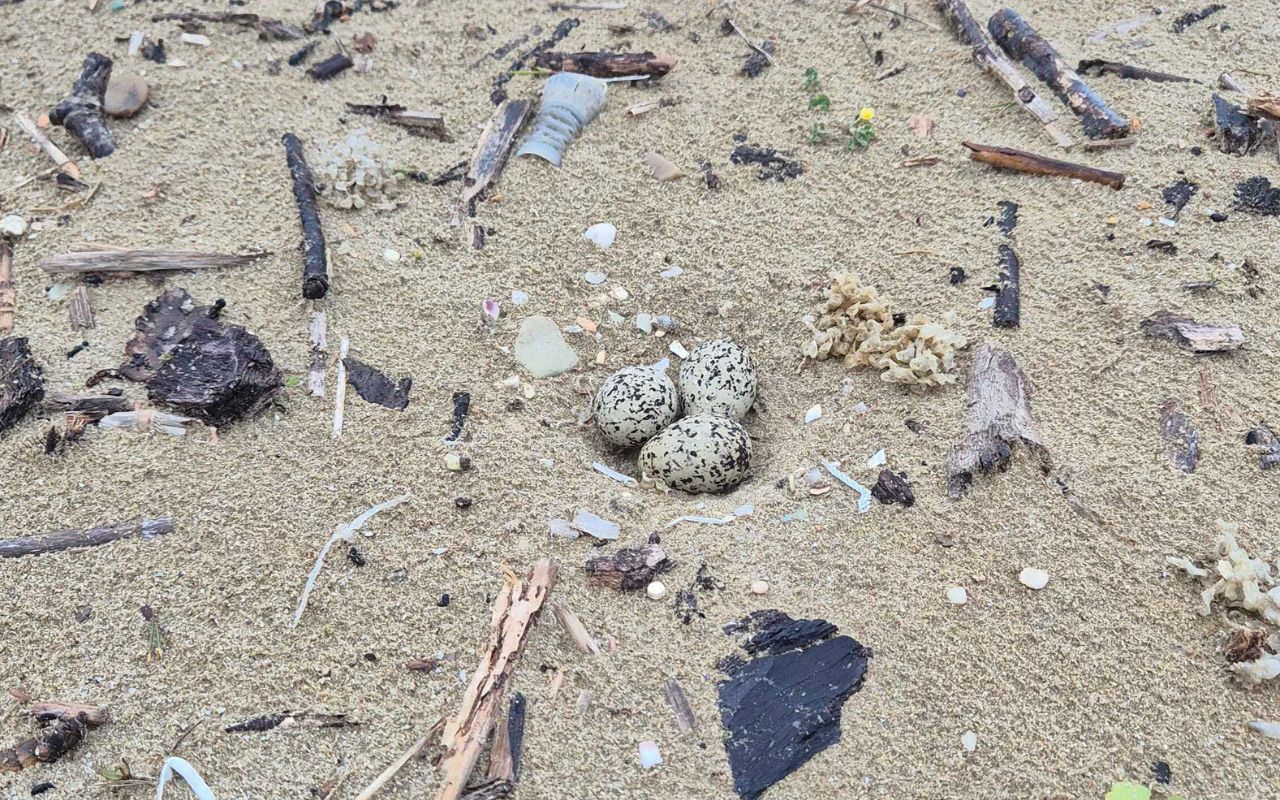
On the sandy shore of Fano, in early spring, one of Europe’s most endangered coastal bird species lays its eggs. It is, of course, the Kentish plover. This small bird nests directly on the sand, without any protection except its own camouflage. It lays its eggs as early as March, shallowly buried in the sandy beach, precisely where residents often walk their dogs and, in summer, tourists set up sunbeds. In Italy it is known as fratino, and its population is seriously threatened by the loss of sandy habitats along the entire Adriatic coast.
Citizens take part in protecting the Kentish plover
The city of Fano is actively fighting for the survival of this small bird despite the enormous tourist pressure that threatens its nesting sites each season. This is where the ASPEH project comes into play. Through an established reporting system, any citizen who notices a nest can report it to researchers. A field team then goes to the location and physically fences off the nesting site, ensuring that the Kentish plover can safely raise its babies, even in the busiest beach areas.
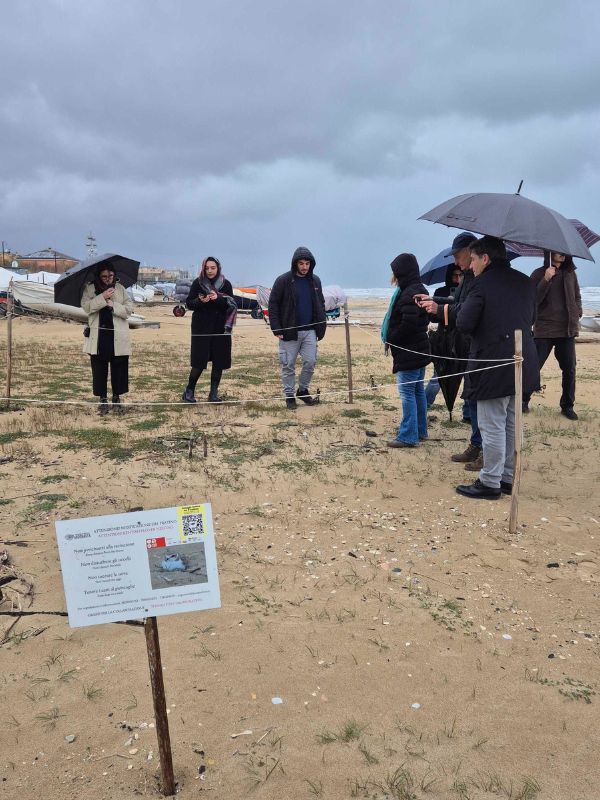
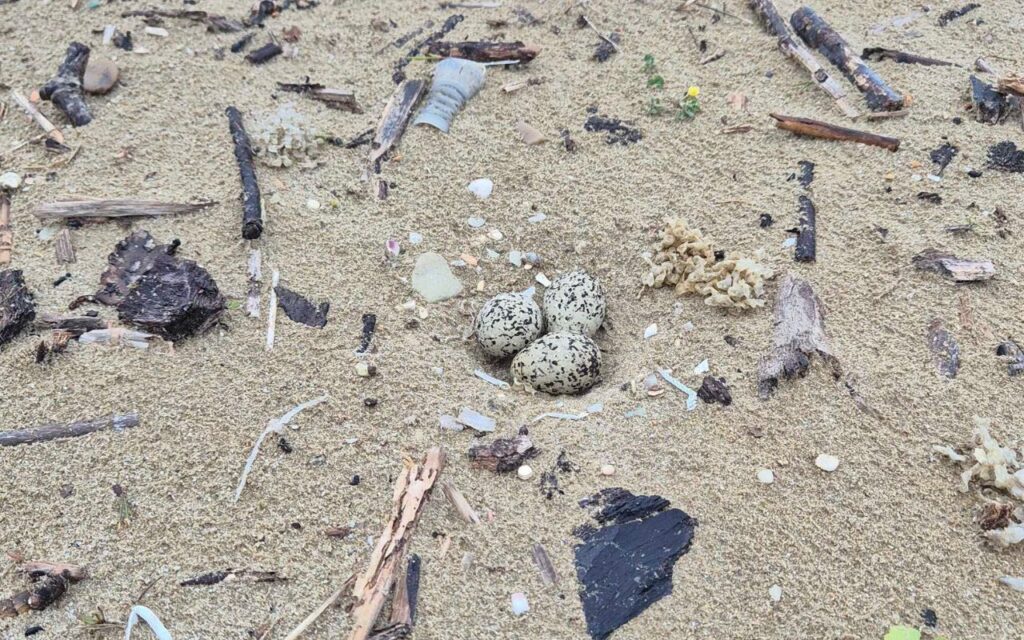
In Croatia, sightings of this species can be reported to the Croatian Society for the Protection of Birds and Nature. You can also find out here how citizens can behave responsibly if they ever encounter this species on a beach.
– This visit to the beach perfectly summed up what the ASPEH project truly represents at its core — not just conferences and expert documents, but also concrete conservation work in the field, carried out in cooperation with local communities and with the active participation of citizens. A small nest buried in the sand is a reminder that the European biodiversity protection goals discussed the day before in Bari are already becoming a reality here, on this beach, at this very moment, – concluded Vida Zrnčić, project manager at Sunce.