Protected areas are one of the main tools we have for tackling biodiversity loss. Their importance becomes particularly clear when we look at the world’s seas and oceans. As of April this year, just over 10% of the world’s oceans have been officially declared protected and conservation areas. This represents an important step forward for both nature and people, but it is also a reminder of the scale of the task ahead: countries have committed to conserving 30% of the world’s land and seas by 2030. This means that the current coverage of the marine environment under protection will need to almost triple.
However, designating an area as protected is not the same as protecting it effectively.
This is one of the key challenges in achieving global nature conservation targets. Protected areas need to be effectively managed, and effective management requires reliable information about what is happening within them: the status of species and habitats, the threats they face, where illegal activities are occurring, and what results monitoring and enforcement activities are achieving.

Just how underdeveloped this aspect of conservation still is, can be seen from the 2024 Protected Planet Report. According to the report, management effectiveness had been assessed and reported for only 1.3% of the world’s oceans covered by protected areas. This does not necessarily mean that the remaining protected areas are being managed ineffectively. Rather, for a large proportion of them, there is simply not enough accessible and reported data to make a reliable assessment.
From data to management decisions
Good management is therefore built on data. But collecting data alone is not enough.
For field observations to genuinely contribute to nature conservation, it needs to be collected, analyzed and then used to plan future activities and inform management decisions. Only then can information about the condition of an area help answer practical questions: Where should monitoring and enforcement efforts be focused? Which threats require greater attention? Have the measures implemented so far produced results? And what should be changed in the future?
A large share of this first-hand information can be collected by the people who are out in protected areas every day- rangers.
During their regular patrols, rangers record not only information about biodiversity, ecosystem conditions and environmental parameters, but also illegal activities and violations of regulations. Although this data often receives less attention than information on the status of species and habitats, records of offences and illegal activities provide an important source of information about the pressures facing protected areas. Such data can help identify the most common threats, plan enforcement activities, target resources and assess the effectiveness of conservation measures. These needs are also at the heart of our current ADRIWATCH project – Enhancing Surveillance and Data Systems in the Adriatic Marine Protected Areas. Together with our partner from Italy, we aim to improve the way monitoring data from marine protected areas are collected, connected and used.

Data exist, but are we making the most of them?
Systematically collected data tell us more than simply what rangers encountered in the field. In practice, however, this is often where a problem arises. Data is being collected, but its potential to support protected area management is not always fully realized.
The reasons are often related to inconsistent data collection protocols, fragmented data management systems, and insufficient integration of information gathered during patrols into management and decision-making processes.
In other words, collecting large amounts of data is of little value if the information remains scattered across different systems, is difficult to compare, or if the results of its analysis are ultimately not used to inform decisions.
One possible solution is Ranger-Based Monitoring (RBM). These systems are designed to establish a clearer link between observations made in the field and information that can be used to manage a protected area.

A better system does not necessarily mean more data
Experience with such systems in protected areas around the world shows that their success does not depend on collecting as much data as possible. On the contrary, it is important to determine in advance which data is truly needed and which management decisions it is intended to support.
Data collection procedures should therefore be practical and tailored for the people who use them. Recording forms should be simple and intuitive; field equipment should be robust, reliable and suited to demanding working conditions; and digital tools and databases should be simple enough to enable information to be entered, stored and retrieved in a timely manner.
This reduces unnecessary complexity and helps avoid collecting data that ultimately has no clear purpose.
Patrol data should be consolidated in a structured database, analyzed, and then transformed into concrete recommendations for protected area management. This requires not only appropriate digital tools, but also people with the skills to manage those tools, analyze the data and translate the results into practice.
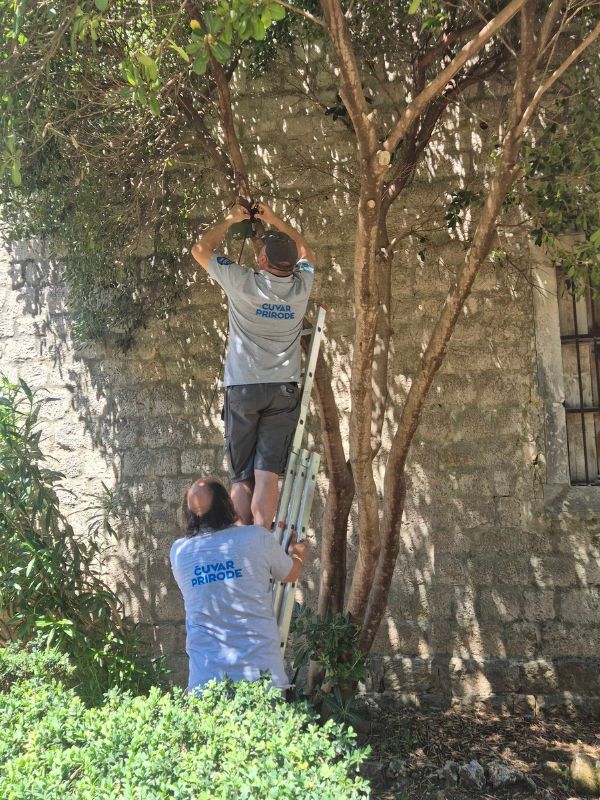
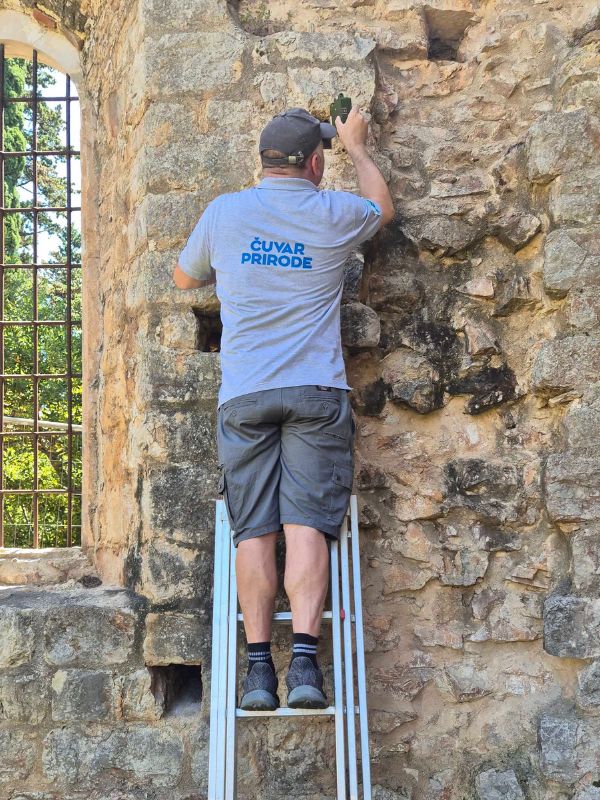
If only one person is trained to perform this work, the entire system becomes vulnerable to their absence or departure. When knowledge and skills are shared among several staff members, it is easier to ensure continuity, prevent backlogs in data processing and provide the information needed for management decisions in a timely manner.
Data should come back to those who collect them
A well-designed monitoring system can have another important benefit: it can help improve the work of rangers themselves.
When patrol results are regularly analyzed and shared with the team, rangers can see what the data they collect reveals and how the data is being used. Feedback can increase motivation and accountability, encourage peer learning and healthy professional competition, and ultimately contribute to more effective monitoring, enforcement and compliance.
This creates a kind of feedback loop: data are collected in the field, analyzed, used to inform decisions, and the results are then fed back to the people working in the field, helping them plan their next activities. Connecting these steps is essential if we want data to become more than just entries in forms and databases. It needs to become a practical tool for achieving real, on-the-ground nature conservation.
Find out more about this topic on the project’s official website.